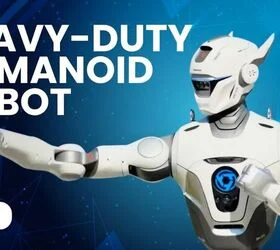
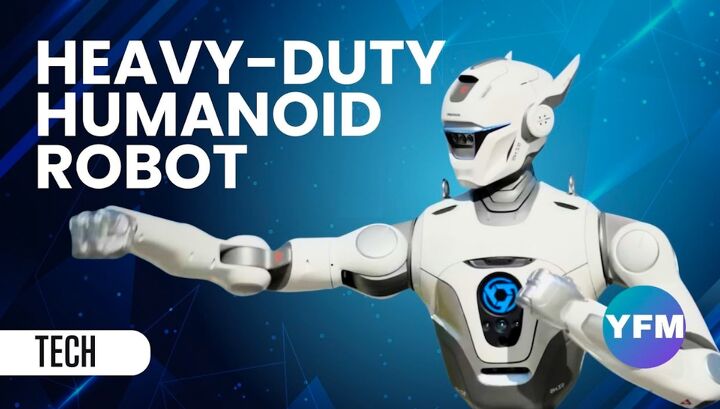
EngineAI has unveiled a full-size humanoid robot, dubbed the T800, designed for robust mobility and practical real-world applications. This sophisticated machine, standing between 5.7 and 6 feet tall and weighing under 190 pounds, is engineered to operate seamlessly within human-centric environments, marking a significant step forward in the practical deployment of advanced robotics. The T800 represents a convergence of cutting-edge engineering and a clear vision for how humanoid robots can contribute to various industries.
The development of the T800 by EngineAI is not an isolated event but rather part of a burgeoning global trend in robotics research and development. Companies worldwide are investing heavily in creating robots that can perform increasingly complex tasks, often mirroring human capabilities. This push is driven by several factors: an aging global population that necessitates automation in certain sectors, labor shortages in manufacturing and logistics, and the desire for increased efficiency and safety in hazardous or repetitive work. The T800, with its specific design parameters, appears to be strategically positioned to address these market demands.
Engineering for Strength and Agility
At the core of the T800’s design is its impressive range of motion, boasting over 40 degrees of freedom. This allows for highly flexible and human-like movements of its limbs and torso, crucial for navigating dynamic and often unpredictable real-world settings. The robot’s frame is constructed from a durable aluminum alloy, a material chosen for its optimal strength-to-weight ratio, ensuring resilience without compromising mobility. This robust construction is complemented by high-torque joints, which are essential for tasks requiring significant force application, such as lifting, carrying, or manipulating heavy objects.
The emphasis on durability and heavy-duty task capability suggests that EngineAI is targeting sectors where such performance is paramount. This could include advanced manufacturing assembly lines, warehousing and logistics operations, construction sites, or even emergency response scenarios where robots might need to handle debris or assist in rescue efforts. The combination of an agile frame and powerful joints is a hallmark of advanced humanoid robotics, aiming to bridge the gap between industrial automation and the nuanced demands of real-world interaction.
Powering Extended Operations
A critical consideration for any mobile robot is its power source and operational endurance. The T800 addresses this through a modular solid-state battery system. While specific battery chemistry and capacity details were not fully elaborated, EngineAI estimates an operational lifespan of 2 to 4 hours, contingent on the intensity of the workload. This range is a common benchmark for many advanced mobile robots, balancing the need for sustained operation with the realities of battery technology and weight constraints. The modular design is a significant advantage, allowing for rapid battery swaps in industrial settings, thereby minimizing downtime and maximizing operational efficiency. This feature is particularly important for businesses that rely on continuous workflow, where even short interruptions can have significant economic consequences.
The development of more efficient and longer-lasting battery technologies is a parallel pursuit in the robotics industry. Advances in solid-state batteries, in particular, promise higher energy densities and improved safety compared to traditional lithium-ion cells. EngineAI’s adoption of this technology, even in its current form, indicates a forward-looking approach to power management for their robotic systems.
Navigating the World: Sensing and Perception
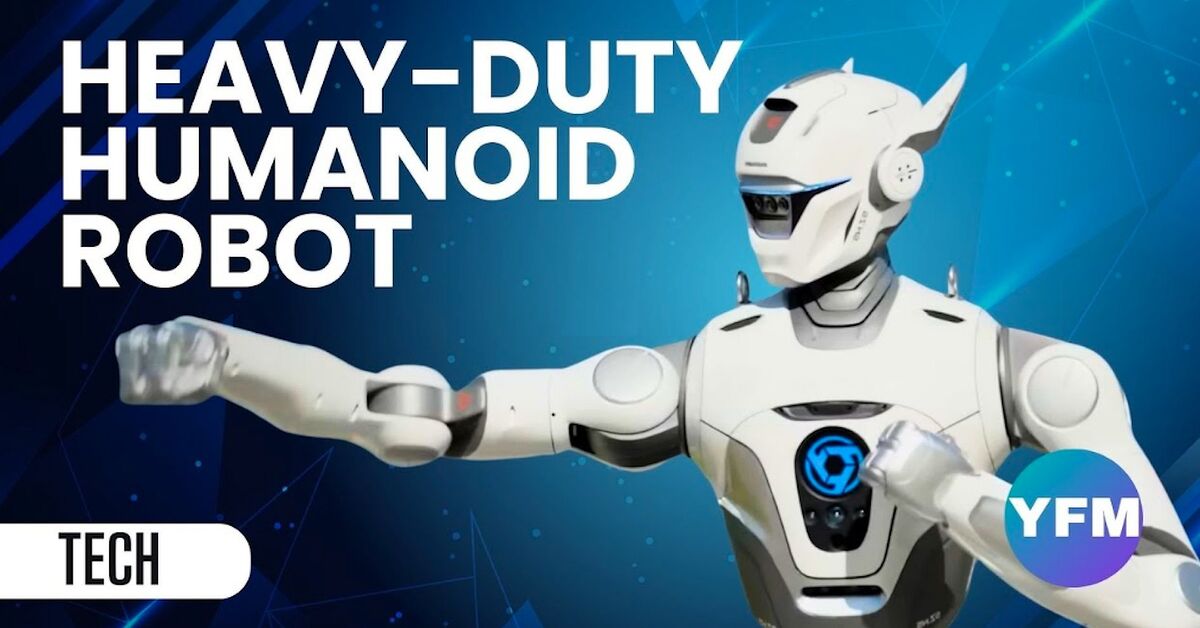
To effectively operate in diverse environments, the T800 is equipped with an array of sophisticated sensors, including lidar and vision systems. Lidar (Light Detection and Ranging) provides precise three-dimensional mapping of the robot’s surroundings, allowing it to detect obstacles, map terrain, and understand its spatial orientation. Vision sensors, likely including cameras and potentially depth sensors, enable object recognition, tracking, and interaction with its environment. This sensor fusion is fundamental for autonomous navigation, allowing the T800 to move safely and intelligently through complex spaces without constant human supervision.
The integration of these sensing capabilities is crucial for the T800’s intended applications. In a logistics setting, it could navigate crowded warehouses, identify and pick packages, and avoid collisions with other robots or personnel. In a manufacturing context, it could adapt to changes on an assembly line, identify components, and perform delicate manipulations. The ability to perceive and react to its surroundings in real-time is what distinguishes advanced robots from simpler automated machines.
From Promotional Footage to Practical Deployment
Promotional materials, including video footage, showcase the T800 performing dynamic, combat-style movements. While this may evoke comparisons to its fictional namesake, EngineAI is keen to emphasize that the robot’s purpose is firmly rooted in practical, industrial, and commercial applications. The "combat-style" demonstrations likely serve to highlight the robot’s agility, responsiveness, and power under demanding conditions. Such demonstrations are common in the robotics industry to illustrate the potential capabilities and robustness of a new machine.
However, the company acknowledges that large-scale real-world deployment is still in its nascent stages. This candid assessment is important, as the transition from laboratory demonstrations to widespread industrial integration is a complex process. It involves rigorous testing, validation, safety certifications, and integration into existing operational workflows. The timeline for such deployments can vary significantly depending on the specific industry and the complexity of the tasks the robot is expected to perform.
The "T800" Naming Convention and Industry Context
The choice of the name "T800" is an obvious nod to the iconic antagonist from the Terminator film franchise. This marketing decision, while potentially attention-grabbing, also carries the risk of misinterpretation. The fictional T-800 is a relentless, nearly indestructible killing machine. By explicitly stating that their T800 is designed for industrial, logistics, and commercial applications, EngineAI aims to preempt any such associations and firmly ground their product in a utilitarian context.
This naming strategy might be an attempt to leverage popular culture to generate interest in a field that can sometimes be perceived as dry or purely technical. However, it also underscores the evolving role of robotics in society. As robots become more capable and integrated into our daily lives, the ethical and societal implications of their development and deployment will continue to be a subject of discussion. EngineAI’s focus on practical, non-military applications aligns with a significant segment of the robotics industry that aims to improve productivity, safety, and quality of life.
Broader Implications and the Future of Humanoid Robotics
The development of robots like the T800 has profound implications for the future of work and industry. As these machines become more dexterous, intelligent, and cost-effective, they are poised to automate a wider range of tasks that were once exclusively the domain of human labor. This presents both opportunities and challenges.
On one hand, increased automation can lead to significant gains in productivity, efficiency, and safety. It can free human workers from dangerous, repetitive, or physically demanding jobs, allowing them to focus on more creative, strategic, and interpersonal roles. The ability of robots to operate 24/7 without fatigue or breaks can lead to higher output and more consistent quality in manufacturing and logistics. Furthermore, in industries like healthcare or elder care, advanced humanoid robots could assist with patient mobility, monitoring, and even companionship, addressing critical societal needs.
On the other hand, widespread automation raises concerns about job displacement and the need for workforce retraining. As robots take on more tasks, workers will need to adapt by acquiring new skills that complement robotic capabilities, such as robot programming, maintenance, data analysis, and complex problem-solving. Governments and educational institutions will play a crucial role in facilitating this transition through vocational training programs and reskilling initiatives.
The economic impact of widespread robotic adoption could also be substantial. Companies that effectively integrate automation may gain a competitive advantage, potentially leading to shifts in market dynamics. The development of new industries and job roles centered around robotics, such as robot design, ethical oversight, and advanced human-robot collaboration, will also emerge.
The Role of EngineAI in the Evolving Landscape
EngineAI’s entry into the humanoid robotics market with the T800 positions them as a player in a rapidly advancing field. Their focus on strength, mobility, and practical applications suggests a strategic approach to identifying and fulfilling market needs. The company’s commitment to developing robots that can operate alongside humans in real-world environments is a testament to the ongoing progress in artificial intelligence, sensor technology, and mechanical engineering.
As EngineAI moves forward with the T800, several key areas will be watched closely by industry observers:
- Performance Validation: Rigorous testing and validation of the T800’s capabilities in diverse, real-world scenarios will be critical for building industry confidence.
- Scalability and Cost: The ability to scale production and achieve cost efficiencies will determine the widespread adoption of the T800. High initial costs can be a barrier to entry for many businesses.
- Safety and Regulation: As robots become more prevalent, adherence to stringent safety standards and evolving regulatory frameworks will be paramount. Ensuring the safe interaction between robots and humans is a top priority.
- Software and AI Advancement: The intelligence and adaptability of the T800 will largely depend on the sophistication of its underlying software and artificial intelligence. Continuous updates and improvements in this area will be crucial for long-term success.
- Partnerships and Integration: Successful deployment often relies on strong partnerships with system integrators and end-users to ensure seamless integration into existing operational infrastructure.
The T800, while sharing a name with a fictional adversary, represents a tangible step towards a future where advanced humanoid robots are integral to our industrial and commercial landscapes. Its design principles of strength, mobility, and sensory perception are foundational elements for robots that can truly augment human capabilities and contribute to a more efficient, productive, and potentially safer world. The journey from concept to widespread implementation will undoubtedly be complex, but the emergence of machines like the T800 signals a transformative era in robotics.
The TTAC Creators Series aims to tell stories and amplify creators from all corners of the car world, including culture, dealerships, collections, modified builds, and more. Your Future Machine is your go-to destination for cutting-edge technology, transportation, and innovation. From the latest advancements in electric vehicles and autonomous machines to the future of mobility, and everything in between, they bring engaging content that connects you with the world of tomorrow. Their mission is to inspire curiosity and excitement by showcasing groundbreaking machines and tools designed to shape the future.