The celebration of Father’s Day in the United States has long served as a focal point for domestic commerce, typically characterized by the purchase of apparel, electronics, or sporting goods. However, a growing subset of the population is pivoting away from traditional consumerism in favor of the "Maker Movement"—a contemporary subculture representing a technology-based extension of DIY (do-it-yourself) culture. This shift emphasizes the creation of physical objects through metalworking, woodworking, and the integration of emerging technologies such as robotics and 3D printing. By examining a curated selection of projects from the Make: Magazine archives, one can observe a broader trend in intergenerational bonding: the transition from passive consumption to active, collaborative engineering.
The Evolution of the Maker Movement and Father’s Day
Father’s Day was first proposed by Sonora Smart Dodd in 1909 and officially recognized as a national holiday by President Richard Nixon in 1972. Historically, the holiday has been a significant driver for the retail sector. According to the National Retail Federation (NRF), Father’s Day spending in the United States reached an estimated $22.4 billion in 2024. While the majority of this spending is directed toward outings and clothing, there is an increasing investment in tools and hardware, reflecting a resurgence in home-based fabrication.
The Maker Movement, popularized in the early 2000s by figures such as Dale Dougherty, has redefined the "hobbyist" archetype. No longer confined to simple home repairs, the modern maker engages in complex projects that bridge the gap between amateur craft and professional engineering. For many families, Father’s Day has become an opportunity to engage in these high-level projects, fostering a "mentor-apprentice" relationship between parents and children.
Engineering Character: The "Rat Bike" and Custom Fabrication
One of the cornerstone projects identified for the modern father figure is the "Rat Bike," a concept popularized by builders like Keith Young. Unlike traditional restoration projects that aim for a showroom-perfect finish, the rat bike philosophy emphasizes "old school character" and mechanical simplicity. The engineering goal is to create a functional, reliable machine that eschews aesthetic perfection for a rugged, utilitarian appearance.
From a technical standpoint, building a rat bike involves significant frame modification and component sourcing from disparate eras of machinery. This project serves as an entry point into metallurgy and mechanical engineering, requiring the builder to understand torque, gear ratios, and the structural integrity of vintage steel. It represents a rejection of the "planned obsolescence" prevalent in modern consumer electronics, favoring instead a machine that can be maintained and modified indefinitely.
Thermodynamics and Visual Spectacle: The Ten-Foot Fire Tornado
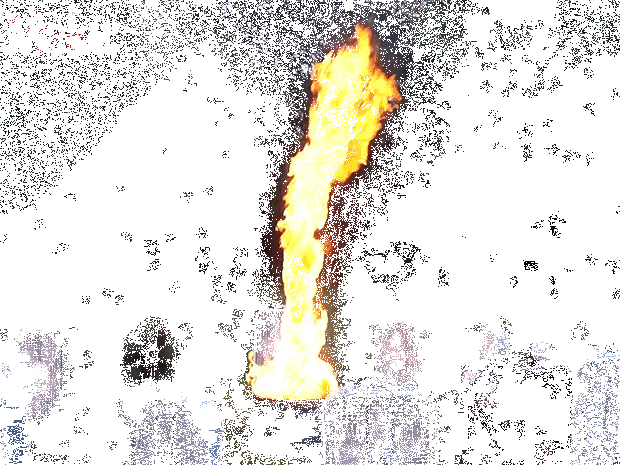
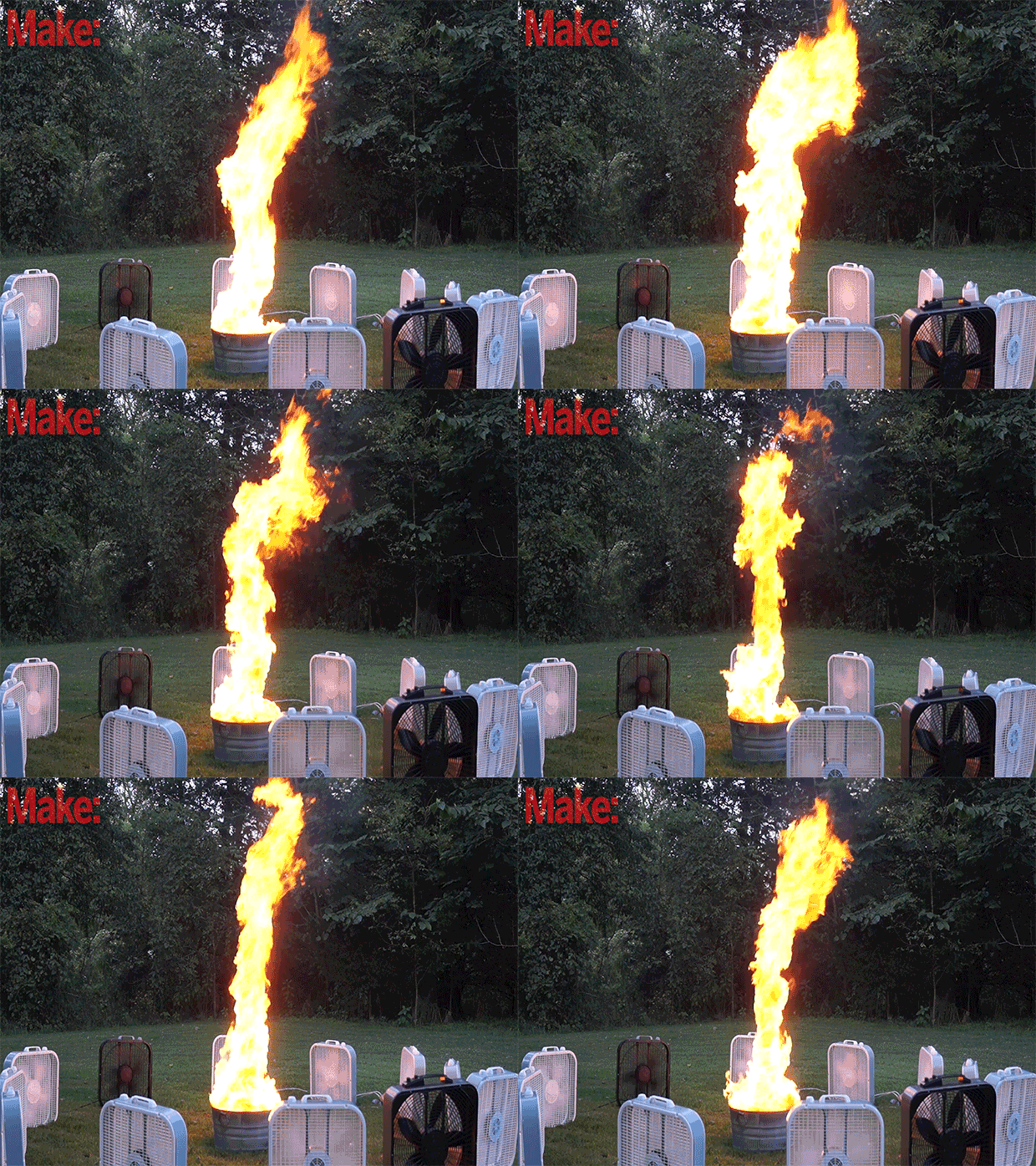
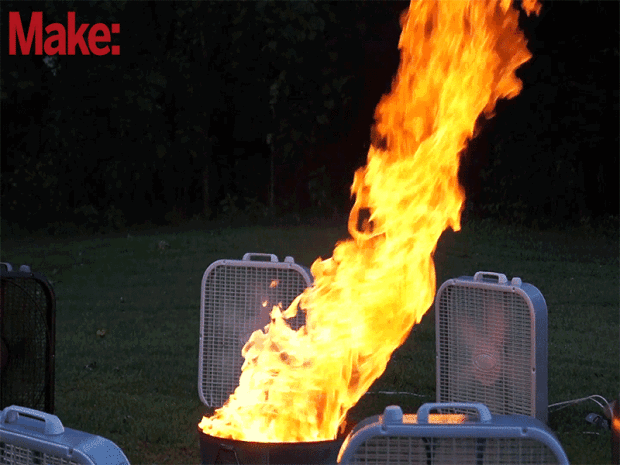
For makers interested in the intersection of physics and visual art, the "firenado" or fire tornado project represents a high-stakes exploration of thermodynamics. By utilizing household items—typically a rotating base, a mesh cylinder, and a controlled fuel source—builders can create a localized atmospheric vortex.
The science behind the fire tornado involves the principle of angular momentum and the chimney effect. As the air inside the mesh cylinder is heated by the fire, it becomes less dense and rises. If the cylinder is rotated, the incoming cool air is forced into a spiral, tightening the radius of the flame and extending its height vertically. While the project is often viewed as a backyard spectacle, it requires a sophisticated understanding of ventilation, fuel flashpoints, and safety protocols, making it a quintessential "expert-level" DIY challenge.
Aviation and Risk Management: The Tinkering School Approach
A particularly noteworthy entry in the maker archives is Gever Tulley’s account of children building a functional hang glider based on minimal documentation. Tulley, the founder of Tinkering School, advocates for "risky play," arguing that allowing individuals—especially youth—to engage with dangerous tools and complex problems fosters resilience and analytical thinking.
The construction of a hang glider involves rigorous attention to aerodynamics and material science. Builders must calculate lift-to-drag ratios and ensure that the wing’s spar can withstand the stresses of flight. This project highlights a significant shift in educational philosophy: the move toward "constructionism," where learning occurs through the act of making. It challenges the modern impulse toward over-protection, suggesting that the most meaningful Father’s Day gift may be the autonomy to fail and succeed in a high-stakes engineering environment.
Marine Engineering and Resource Constraints
The construction of a working canoe under tight constraints, as demonstrated by Joel Watson, explores the fields of hydrodynamics and composite materials. Building a vessel that is both buoyant and maneuverable requires precise geometric calculations. Makers often use "stitch-and-glue" techniques, which involve lashing plywood panels together with copper wire before sealing the seams with fiberglass and epoxy resin.
This project serves as a case study in resource management. When built under "impressively tight constraints," the maker must optimize material usage without compromising the structural integrity of the hull. The result is a functional vehicle that provides a direct connection to the physical environment, emphasizing the utility of the maker’s skill set.

The Electrification of Transport: E-Bike Conversion Kits
As urban centers move toward sustainable mobility, the conversion of traditional bicycles into electric vehicles (EVs) has emerged as a dominant trend. Utilizing front-wheel motor kits allows a maker to bypass the high cost of commercial e-bikes while gaining a deep understanding of battery chemistry and power electronics.
A typical conversion involves installing a brushless DC (BLDC) motor, a lithium-ion battery pack, and a motor controller. This project introduces the maker to:
- Voltage and Capacity: Balancing the weight of the battery with the required range.
- Torque Sensors vs. Cadence Sensors: Understanding how the machine interprets human input.
- Regenerative Braking: The physics of converting kinetic energy back into stored electrical energy.
This project is not merely about convenience; it is a practical application of green technology that extends the physical capabilities of the rider, allowing for longer commutes and the navigation of steep terrain that might otherwise be inaccessible.
Civil Defense and Sustainable Living: Infrastructure Projects
Two projects in the curated list—raised garden beds and emergency water storage—focus on domestic infrastructure and resilience. The construction of raised beds involves soil science and carpentry, providing a controlled environment for urban agriculture. This reflects a broader societal interest in food security and organic production.

Parallel to this is the "Get Barreled" project, which details the logistics of long-term drinking water storage. According to FEMA (the Federal Emergency Management Agency), a minimum of one gallon of water per person per day is required for emergency preparedness. Engineering a storage system—ranging from 2-liter containers to 55-gallon food-grade drums—requires knowledge of chemical stabilization (using bleach or water purification tablets) and the UV-stability of plastics. These projects move the maker role from "hobbyist" to "steward of the household," focusing on long-term stability and safety.
Robotics and the Automation of Social Interaction
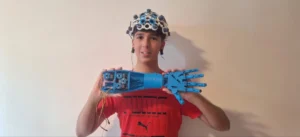
The final project in the collection, Simone Giertz’s "Proud Parent Machine," represents the satirical and artistic wing of the maker movement. Giertz, known for her "shitty robots," created a device designed to provide automated applause and physical pats on the back. While the project is presented with a degree of cynicism, the underlying engineering is complex, involving Arduino microcontrollers, servo motors, and custom-designed mechanical linkages.
The "Proud Parent Machine" serves as a commentary on the role of technology in human relationships. It asks whether the mechanical replication of a gesture can carry emotional weight. In a broader context, this project encourages makers to use their skills to explore philosophical questions, using hardware as a medium for social critique.
Broader Impact and Implications
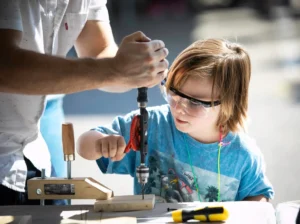
The transition toward "making" as a primary form of celebration has significant implications for education and the economy. The integration of Science, Technology, Engineering, and Mathematics (STEM) into leisure activities creates a "stealth learning" environment. When a father and child work together to convert a bike to electric power or build a fire tornado, they are engaging in a sophisticated curriculum that exceeds the scope of many traditional classrooms.

Furthermore, the Maker Movement contributes to the "Right to Repair" advocacy. By understanding how their devices work, individuals are more likely to repair rather than replace them, reducing electronic waste and challenging the dominance of closed-source manufacturing.
In conclusion, the "Top Ten Projects My Dad Would Like" is more than a list of gift alternatives; it is a manifesto for a more engaged, capable, and self-reliant society. By choosing to spend hours in a workshop rather than minutes in a retail checkout line, makers are reclaiming the technical heritage of the past while engineering the sustainable solutions of the future. The true value of these projects lies not in the finished object, but in the transfer of knowledge and the shared experience of creation.