A pivotal contract has been awarded to L3Harris, a Florida-based global aerospace and defense technology innovator, for the delivery of advanced battery monitoring systems destined for the United States Navy’s submarine fleet. This significant development underscores L3Harris’s expanding and critical role in bolstering America’s undersea warfare capabilities, ensuring the operational readiness and safety of some of the nation’s most vital naval assets. The sophisticated systems are slated for installation across both the formidable Virginia-class fast-attack submarines and the strategically paramount Columbia-class ballistic missile submarines, providing an unprecedented level of real-time assessment regarding battery health and overall operational performance. This advancement is not merely an upgrade; it represents a fundamental enhancement to the longevity, stealth, and effectiveness of these underwater platforms.
Advanced Battery Monitoring: A Deep Dive into the Technology
The core of this new initiative lies in the sophisticated design of L3Harris’s battery monitoring systems. Engineered for continuous vigilance, these systems are tasked with meticulously tracking the condition and performance parameters of submarine batteries. In the unforgiving environment of deep-sea operations, where every component’s reliability is paramount, the ability to preemptively identify potential issues before they escalate into critical failures is invaluable. This is achieved through real-time diagnostics and the generation of predictive maintenance data, empowering submarine crews with actionable intelligence.
The technology’s expected impact is multi-faceted. Firstly, it promises a substantial improvement in mission readiness, ensuring that submarines are always prepared for deployment with peak performance capabilities. Secondly, it is projected to significantly reduce maintenance downtime. By shifting from reactive repairs to proactive interventions, the Navy can optimize maintenance schedules, decrease time spent in dry dock, and maximize operational cycles. Thirdly, and perhaps most critically, these systems will enhance overall platform reliability during extended underwater operations. Modern submarines, especially those designed for long-duration patrols, rely heavily on their battery systems for silent running, sensor operation, and emergency power. Any degradation in battery performance can compromise stealth, survivability, and combat effectiveness. L3Harris’s solution directly addresses these concerns by providing commanders with accurate, up-to-the-minute information on battery status throughout deployment, enabling optimized mission planning and execution.
Submarine batteries are complex power sources, differing significantly from conventional commercial batteries due to the unique demands of the underwater environment. They must operate under immense pressure, maintain consistent power output for extended periods, and be highly resistant to failure. While the exact battery chemistry used in these advanced submarines remains classified, the trend in naval technology points towards increasingly sophisticated designs, potentially including advanced lead-acid, silver-zinc, or even future lithium-ion variants, each with its own specific monitoring challenges. L3Harris’s systems are designed to interface with and interpret data from these high-performance, high-capacity power units, translating complex electrical and chemical data into clear, actionable insights for the crew and maintenance personnel. This includes monitoring voltage, current, temperature, impedance, and other key performance indicators that signal potential issues like cell degradation, thermal runaway, or capacity loss.
Strategic Imperative: Supporting America’s Undersea Deterrence
The strategic significance of this contract cannot be overstated. The U.S. Navy’s submarine fleet represents a cornerstone of national defense, providing unmatched capabilities in intelligence gathering, anti-submarine warfare, precision strike, and strategic nuclear deterrence. Reliable battery performance is not merely a convenience; it is a direct determinant of mission success and crew safety.
Nino DiCosmo, President of Maritime, Space & Mission Systems at L3Harris, articulated this imperative succinctly: “These systems directly impact operational capability and crew safety.” He further emphasized, “This contract reflects our commitment to delivering reliable solutions that support two of the service’s highest-priority submarine platforms that serve as the backbone of America’s strategic deterrence.” This statement highlights L3Harris’s understanding of the critical nature of their contribution, extending beyond mere technological provision to a partnership in safeguarding national security.
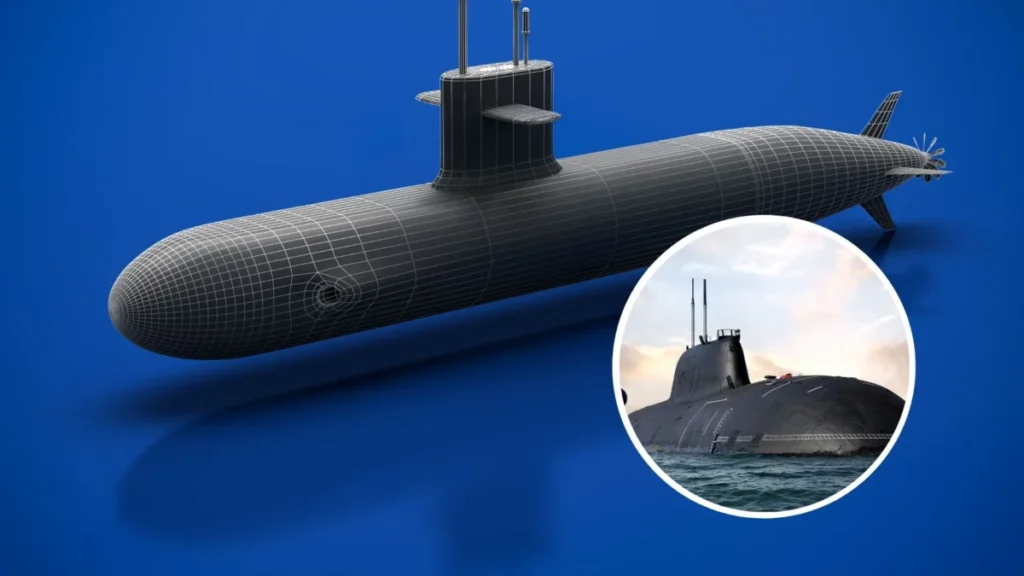
The Virginia-class and Columbia-class submarines are, indeed, the backbone of America’s current and future undersea might. The Virginia-class, a versatile fast-attack submarine, is designed for a wide array of missions in both deep ocean and littoral environments. Its capabilities include anti-submarine warfare, anti-surface warfare, special operations force delivery, intelligence gathering, irregular warfare, and mine warfare. For such a multi-role platform, consistent and robust power is essential for operating its advanced sensor suites, propulsion, and weapons systems. The Columbia-class, on the other hand, represents the future of the sea-based leg of the nuclear triad, replacing the aging Ohio-class ballistic missile submarines. These vessels are designed to be the most survivable and stealthy platforms in the world, carrying the nation’s strategic nuclear deterrent for decades to come. Their mission demands unparalleled reliability and endurance, where any compromise in power systems could have catastrophic strategic implications.
L3Harris’s Expanding Contributions to Naval Modernization
This latest contract is not an isolated event but rather a continuation of L3Harris’s deepening engagement with the U.S. Navy’s submarine enterprise. The company has secured a series of significant submarine-related awards, demonstrating a sustained commitment to and expertise in critical naval technologies. Earlier this year, for instance, L3Harris was awarded a major production contract to supply advanced communications systems for both Virginia- and Columbia-class submarines. This ensures secure and reliable communication links, vital for command and control in contested maritime environments. Furthermore, L3Harris has expanded its portfolio with contracts for autonomous underwater vehicle (AUV) launch and recovery systems, reflecting the growing integration of unmanned systems into naval operations. The company also continues its production of advanced towed array sonar technologies, which are crucial for long-range detection and tracking of adversary submarines.
This comprehensive array of programs underscores L3Harris’s broad and strategic contribution to U.S. naval modernization efforts. Their long-standing partnership with the U.S. Navy submarine force spans multiple generations of platforms, from the venerable Ohio- and Los Angeles-class submarines to the cutting-edge Virginia-class fast-attack submarines of today. This historical engagement has cultivated a deep understanding of naval requirements and operational challenges, positioning L3Harris as a proven and indispensable contributor to the Columbia-class program, the Navy’s next-generation ballistic missile submarine. The company’s maritime expertise, coupled with a track record of reliable performance, makes it a key partner in developing and integrating the sophisticated systems required for these highly advanced vessels.
The Fleet’s Future: Virginia and Columbia Class Submarines
The U.S. Navy’s submarine force is a cornerstone of its global power projection, with the Virginia and Columbia classes at its forefront. The Virginia-class submarines, currently comprising over 20 vessels with many more planned and under construction, are designed to be highly versatile and survivable. Each Virginia-class submarine is approximately 377 feet long, displaces around 7,800 tons submerged, and is capable of speeds exceeding 25 knots. Their modular design allows for future upgrades and the integration of new technologies, ensuring their relevance for decades. These submarines are equipped with advanced stealth features, sophisticated sonar systems, and a formidable arsenal including Tomahawk cruise missiles and Mark 48 torpedoes. The battery monitoring systems will be critical for maintaining the optimal performance of their complex electrical grids, which power everything from life support to propulsion and combat systems, especially during extended covert operations where silent running is paramount.
The Columbia-class submarines represent an even greater leap in naval engineering and strategic importance. These behemoths, approximately 560 feet long and displacing over 20,000 tons, are designed to serve as the sea-based leg of the United States’ nuclear deterrent for more than 40 years without a mid-life refueling. With an estimated program cost exceeding $100 billion for the first 12 submarines, they are among the most expensive military programs in history. Their mission is singular and absolute: to provide an undetectable platform for the nation’s intercontinental ballistic missiles, ensuring retaliatory capability. The first Columbia-class submarine, USS District of Columbia (SSBN-826), is projected to be delivered in the early 2030s. Given the profound implications of their mission, the operational availability and reliability of every system onboard, particularly the power systems, must be absolute. Advanced health monitoring technologies like those provided by L3Harris are therefore vital not only for ensuring operational availability but also for reducing lifecycle costs by preventing major failures and enabling predictive maintenance throughout their expected four-decade service life.
Broader Implications for National Security and Naval Strategy
The integration of advanced battery monitoring systems has profound implications beyond immediate operational benefits. From a national security perspective, enhancing the reliability and readiness of the submarine fleet directly contributes to maintaining a technological edge over potential adversaries. In an era of increasing great power competition, particularly in the maritime domain, the ability to conduct sustained, stealthy undersea operations is a critical differentiator.
Operational Superiority and Crew Safety: The direct link between robust battery health and mission success translates into enhanced operational superiority. Submarines can remain deployed longer, execute missions with higher confidence, and respond more effectively to emerging threats. Crucially, these systems also elevate crew safety. Battery failures, especially in the confined and hostile environment of a submarine, can pose significant risks, including fire, toxic gas release, or complete power loss. Predictive monitoring provides early warnings, allowing crews to take mitigating actions and avoid potentially catastrophic incidents.
Economic Efficiencies Through Predictive Analytics: The shift from reactive to predictive maintenance offers substantial economic benefits. Unplanned repairs are notoriously expensive, often requiring the submarine to return to port, disrupting operational schedules, and incurring significant labor and material costs. By leveraging data analytics to anticipate failures, the Navy can schedule maintenance proactively, consolidate repairs, and optimize resource allocation. This leads to reduced downtime, extended service intervals, and ultimately, lower lifecycle costs for these multi-billion-dollar assets. Industry estimates suggest that predictive maintenance strategies can reduce maintenance costs by 10-40% and unplanned downtime by up to 50%.
The Evolving Landscape of Undersea Warfare Technology: This contract also reflects a broader trend in naval technology: the increasing electrification of naval platforms and the growing reliance on data-driven decision-making. Modern submarines are becoming more "electric," utilizing electric propulsion and sophisticated electronic systems that demand consistent, high-quality power. As battery technologies continue to evolve, potentially incorporating more energy-dense and complex chemistries like lithium-ion, the need for advanced, intelligent monitoring will only intensify. Furthermore, the integration of artificial intelligence and machine learning algorithms into these monitoring systems could lead to even more sophisticated predictive capabilities, identifying subtle patterns indicative of future problems long before they become apparent to human operators.
Strengthening the Industrial Base: By awarding such critical contracts to domestic companies like L3Harris, the U.S. Navy also strengthens the nation’s defense industrial base. This ensures a reliable supply chain for critical technologies, fosters innovation within the domestic aerospace and defense sector, and supports high-tech jobs. This strategic investment in American industry is vital for long-term national security and technological self-sufficiency.
In conclusion, L3Harris’s latest contract to deliver advanced battery monitoring systems to the U.S. Navy’s submarine fleet is a testament to the company’s technological prowess and its indispensable role in modernizing America’s undersea warfare capabilities. By providing critical insights into battery health and performance, these systems will directly enhance the operational readiness, safety, and effectiveness of the Virginia-class and Columbia-class submarines. This strategic partnership not only reinforces the backbone of the U.S. Navy’s strategic deterrence and conventional power projection but also underscores a broader commitment to leveraging advanced technology for a more resilient, capable, and efficient naval force in an increasingly complex global security landscape. As naval platforms become ever more sophisticated, the role of intelligent monitoring and predictive maintenance will only grow, solidifying L3Harris’s position as a key enabler of future undersea dominance.