The 2026 iteration of Maker Faire Bay Area, hosted at the historic Mare Island Naval Shipyard, marks a significant milestone in the history of the global maker movement. Celebrating its 20th anniversary, the event has evolved from a niche gathering of hobbyists into a massive cultural and technological phenomenon that bridges the gap between grassroots innovation and industrial-scale engineering. While the heart of the Faire remains the individual makers—the garage tinkerers, artists, and inventors—the scale and sophistication of the modern event are made possible through a strategic network of corporate partners. These sponsors do not merely provide financial backing; they integrate their latest technologies into the event’s fabric, offering hands-on experiences that define the current state of the "Maker Economy."
As the maker movement matures, the relationship between these companies and the community has shifted from simple consumer-vendor interactions to a collaborative ecosystem. The 2026 partners, including global leaders such as Arduino, xTool, OpenAI, and Microchip, have transitioned away from traditional trade-show marketing. Instead, they focus on "experiential engineering," providing the tools and platforms that allow attendees to move from passive observation to active creation.
The Evolution of Maker Faire: Two Decades of Innovation
Since its inception in 2006, Maker Faire Bay Area has served as the flagship event for the maker community. Originally held at the San Mateo Event Center, the Faire was created by the editors of Make: magazine to celebrate the DIY (do-it-yourself) spirit. Over the past twenty years, the movement has mirrored the rapid advancement of technology. In the early 2000s, the focus was on basic electronics and mechanical engineering. By 2015, 3D printing and desktop fabrication dominated the landscape. In 2026, the focus has shifted toward the integration of Artificial Intelligence (AI), Edge Computing, and sustainable manufacturing.

The move to Mare Island represents a symbolic homecoming to a site of historical industrial power, now repurposed for the digital age. This transition reflects a broader trend in the maker movement: the democratization of professional-grade tools. Technologies that were once restricted to industrial laboratories are now accessible on the desktop, a shift largely driven by the sponsors featured at this year’s event.
Arduino: Empowering the Next Generation of Edge AI
Arduino remains a cornerstone of the maker movement, continuing its mission to simplify complex electronics for a global audience. At the 2026 Maker Faire, Arduino’s presence is centered on the intersection of traditional microprocessing and high-performance Edge AI. The company is showcasing its newest hardware iterations, the Arduino UNO Q and the Arduino VENTUNO Q dual-brain boards.
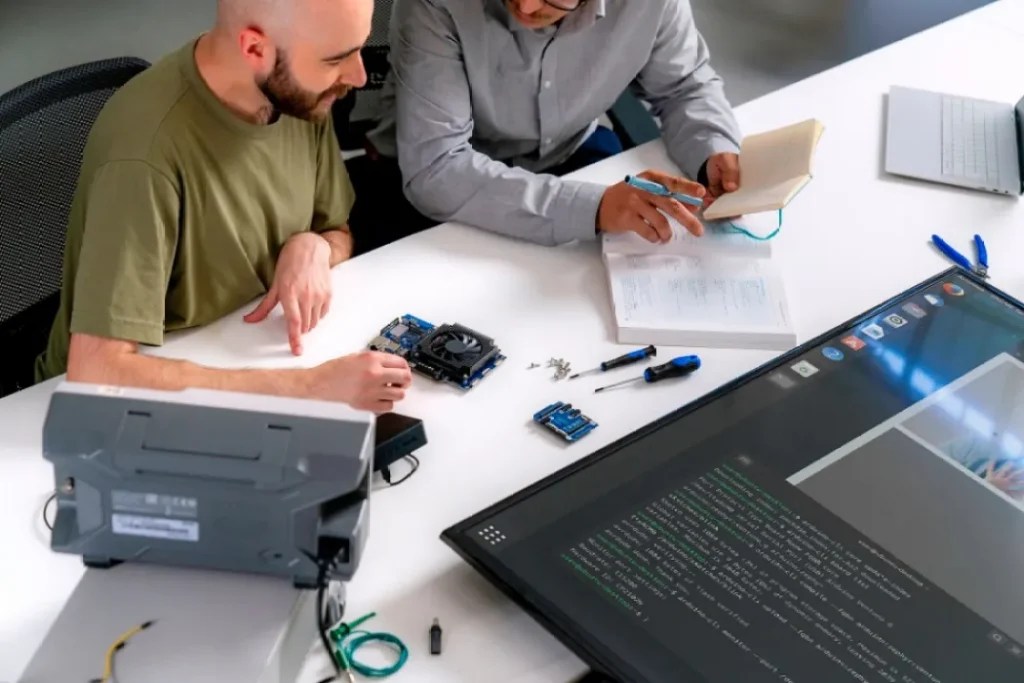
These boards represent a significant leap in capability. While the original Arduino boards were designed for simple logic tasks, the "Q" series is built for real-time data processing and machine learning at the "edge"—meaning the data is processed locally on the device rather than in the cloud. This is critical for privacy, speed, and reliability in maker projects.
Massimo Banzi, co-founder of Arduino, addressed the community during a keynote presentation focused on a year of development with the UNO Q. Banzi’s talk provided a transparent look at the platform’s evolution, showcasing projects ranging from open-source musical instruments to smart home security systems. His presentation emphasized the "honest take" on technology—identifying where the hardware excels and where it faces limitations. This transparency is a hallmark of the maker community, where peer review and iterative improvement are valued over polished marketing.

xTool: Bridging Digital Design and Physical Fabrication
As Maker Faire celebrates 20 years, xTool is celebrating its 6th anniversary as a leader in desktop fabrication. The company has become synonymous with the "prosumer" movement, providing laser cutters, engravers, and welding tools that offer professional precision at a consumer price point.
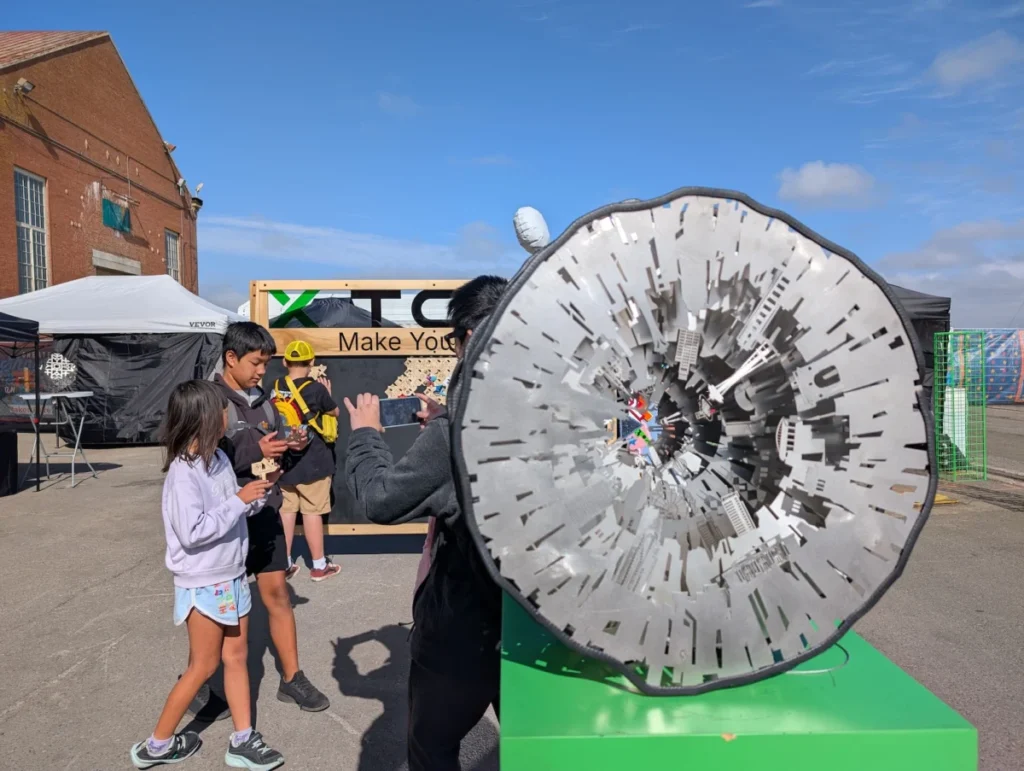
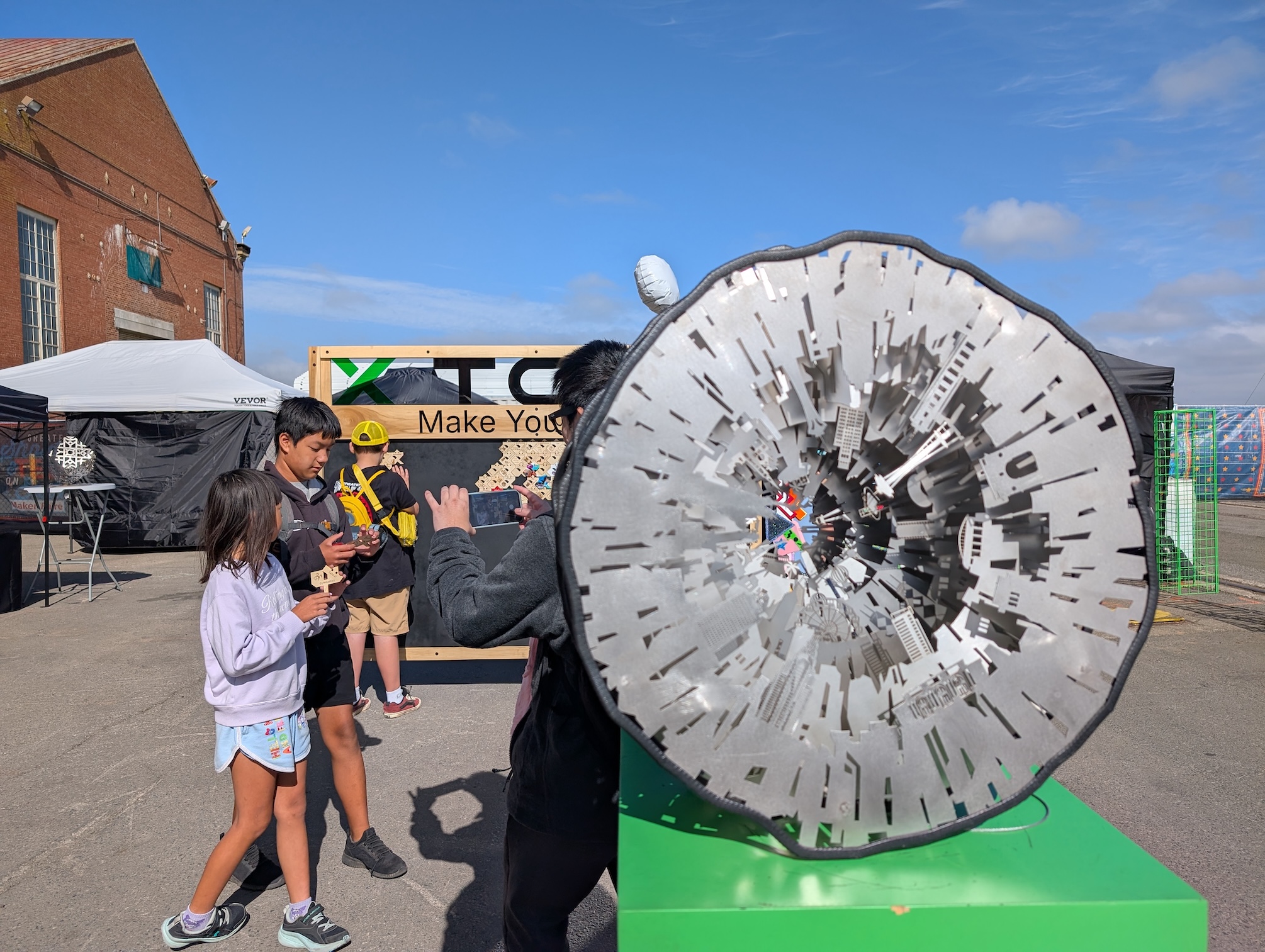
The "xTool Experience" at Mare Island, titled "Milestones in the Making," serves as a retrospective of the community’s growth. The centerpiece of their exhibit is a massive, community-created tessellated mosaic known as the "Wall of Milestones & Memories." Visitors are invited to use xTool’s latest laser engraving machines to etch personal milestones or creative memories onto individual tiles, which are then added to the collective work of art.

This initiative highlights the shift in digital fabrication from simple prototyping to personalized manufacturing. Furthermore, maker-educator John Burns provided a case study in the pedagogical impact of these tools. His presentation on the "Le Tigre" stage detailed a seven-year journey of raising his son, Micah, within a maker environment. By providing children with "real tools and real trust," Burns argues that the maker movement fosters resilience and design thinking—skills that are increasingly valuable in a volatile global economy.
OpenAI and the Integration of Generative AI in DIY
The most significant technological shift at the 2026 Faire is the pervasive influence of Artificial Intelligence. OpenAI’s collaboration with the Maker Faire community represents a departure from the "AI as a replacement for human creativity" narrative. Instead, OpenAI is demonstrating how Large Language Models (LLMs) can serve as a collaborative partner in the creative process.

In the Maker Faire Foundry, OpenAI is facilitating a "living mural." Participants contribute ideas for inventions or concepts that do not yet exist via a QR code. These prompts are then processed by ChatGPT’s Imagegen technology to visualize the concepts, which are added to a digital and physical mural in real-time. By Sunday morning of the event, over 200 unique submissions had been integrated.
The broader implication of this technology for makers is the reduction of the "barrier to entry" for complex design. AI is now being used for "vibe coding"—a process where makers describe desired functions in natural language, and AI generates the underlying code for embedded systems. This allows artists and designers who may lack deep programming backgrounds to build sophisticated, interactive projects.

Microchip and the "Wizard of Make"
Microchip Technology Inc. has returned to the Faire with a focus on high-reliability embedded development. Led by Bob Martin, known in the community as the "Wizard of Make," and Ross Satchell, the Microchip team is bridging the gap between hobbyist platforms and industrial standards.
A key focus of their 2026 presentation is the Zephyr RTOS (Real-Time Operating System). Backed by the Linux Foundation, Zephyr is becoming the preferred operating system for complex embedded applications. Microchip’s introduction of the PyKit Explorer—a development platform based on CircuitPython—is designed to make this industrial-grade power accessible to students and makerspaces.

Microchip’s presence also includes interactive exhibits such as retro arcade games and BLE (Bluetooth Low Energy) balancing bots. These displays serve a dual purpose: they entertain the public while demonstrating the low-latency, high-performance capabilities of modern microcontrollers in a "fun" environment.
HOTO and CrunchLabs: The Aesthetics of Making and Education
While much of the Faire focuses on high-tech electronics, companies like HOTO and CrunchLabs focus on the tactile and educational aspects of the movement. HOTO is showcasing its SNAPBLOQ™ series, a system of compact desktop tools designed for electronics enthusiasts. Their exhibit emphasizes "tool design as an art form," proving that functionality does not have to come at the expense of aesthetics.

CrunchLabs, the educational venture led by former NASA engineer Mark Rober, continues to drive youth engagement. Their booth features the "Build Box" and "Hack Pack" systems, which are designed to teach engineering principles through gamified challenges. The "Disc Launcher challenge" at their booth is one of the event’s most popular attractions, highlighting the importance of play in the learning process.
Analysis: The Economic and Cultural Impact of the Maker Movement
The presence of these major partners at Maker Faire Bay Area is indicative of the "Maker Movement’s" substantial economic footprint. Market analysis suggests that the global DIY and maker market is projected to reach several hundred billion dollars by the end of the decade. This growth is driven by several factors:

- Supply Chain Localization: Desktop fabrication tools allow for "on-demand" manufacturing, reducing reliance on global shipping and centralized factories.
- STEM Education: The "Maker" approach to education—learning by doing—has become a standard in schools worldwide, creating a massive market for educational kits and tools.
- Rapid Prototyping: The time between a "napkin sketch" and a functional prototype has been reduced from months to hours, accelerating the pace of innovation in startups and established firms alike.
The 2026 Maker Faire Bay Area serves as a living laboratory for these trends. By supporting the event, partners like Arduino, xTool, and OpenAI are not just selling products; they are investing in a culture of lifelong learning and innovation. The "A-HA" moments experienced by thousands of visitors at Mare Island are the seeds of future technological breakthroughs.
As the weekend concludes, the "Wall of Milestones" at the xTool booth and the "Living Mural" at the OpenAI exhibit stand as physical and digital testaments to a community that refuses to be passive consumers. The 20th anniversary of Maker Faire proves that when humans are given the right tools and a supportive community, the capacity for creativity is limitless. The collaboration between passionate makers and forward-thinking corporate partners ensures that the next twenty years of the maker movement will be even more transformative than the last.