Volvo UK is set to significantly expand its offering of long-range plug-in hybrid electric vehicles (PHEVs) in the coming years, a strategic pivot driven by a reassessment of consumer readiness for fully electric cars in the British market. The Swedish automaker’s UK managing director, Nicole Melillo Shaw, revealed the company’s intention to leverage PHEVs as a crucial transitional technology, acknowledging that a substantial segment of buyers are not yet prepared to make the complete leap to battery-electric vehicles (BEVs). This recalibration comes as Volvo’s internal data indicates a slower uptake of pure EVs than initially projected, prompting a strategic reinforcement of its hybrid lineup.
The Hybrid Bridge: A Pragmatic Approach to Electrification
Melillo Shaw articulated Volvo’s vision for PHEVs, emphasizing that their effectiveness hinges on their ability to facilitate a genuine shift in driving habits. "The important nuance here is not the number of hybrids we sell: it’s whether people are driving them as a hybrid rather than just as a petrol car," she stated in an interview with Autocar. This distinction is critical. For PHEVs to truly serve as a "stepping stone" to full electrification, drivers must consistently utilize their electric-only capabilities. Historically, many PHEVs have suffered from short electric ranges, leading to infrequent charging and a reliance on their internal combustion engines.
Volvo’s strategy aims to rectify this by focusing on PHEVs with extended electric-only ranges. "In the past, when plug-in ranges were very low, drivers rarely charged them. Volvo has invested heavily in making sure our hybrids offer a long range so that people can use them as intended," Melillo Shaw explained. "So then it becomes a true stepping stone, and we’ll make sure we have that range available to our customers." This commitment to enhanced electric range in hybrid models is designed to allow drivers to cover a significant portion of their daily commutes and local journeys on electric power alone, acclimatizing them to the benefits and operational aspects of electric driving without the range anxiety associated with some earlier EV models.
Sales Data: A Mixed Picture of Progress and Persistence
While Volvo UK has witnessed a notable surge in its pure-electric vehicle sales, the overall picture reveals the enduring popularity of its traditional internal combustion engine (ICE) models. Between 2022 and 2024, the number of pure-electric Volvos sold in the UK escalated from 4,556 units to nearly 18,000 units. Projections for the first seven months of 2026 indicate a continued upward trend, with approximately 9,000 BEVs expected to be sold within that period.
However, this growth in EV sales still pales in comparison to the brand’s reliance on petrol-powered vehicles. For the current year, approximately 75% of Volvo’s UK sales, translating to around 31,000 vehicles, have been powered by petrol engines. Within this significant segment, nearly 7,000 units were specifically plug-in hybrids. This data underscores the substantial market share that PHEVs currently hold and their role in bridging the gap for consumers who are not yet ready to fully commit to an electric future.
Evolving Hybrid Technology: The XC70 and XC60 Lead the Charge
Volvo’s current PHEV portfolio includes hybrid versions of its popular XC60 and XC90 SUVs. These models currently offer a maximum electric-only range of approximately 50 miles. While this range is sufficient for many daily driving needs, Volvo is actively developing and introducing models with significantly enhanced electric capabilities.
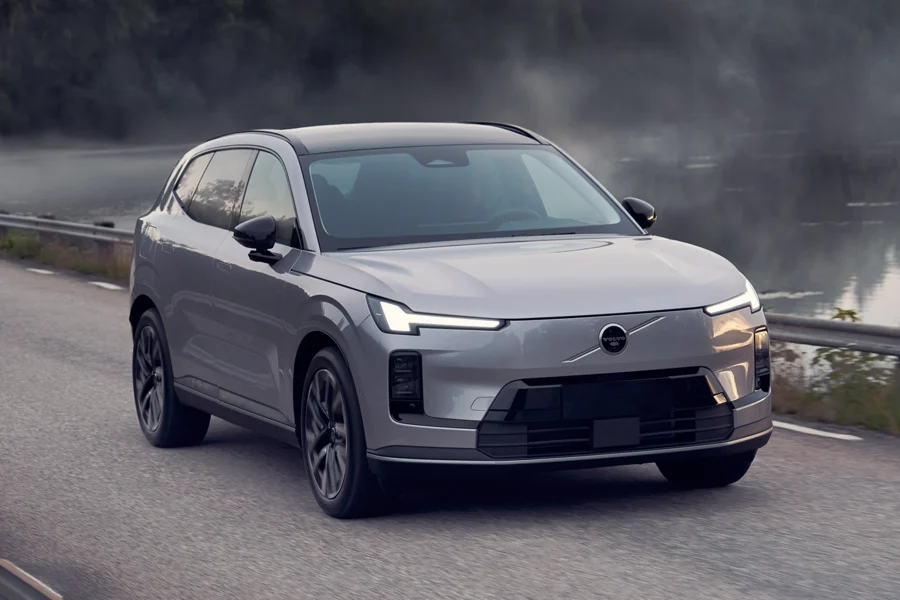
The recently launched XC70, initially unveiled in China and slated for a European release, represents a new generation of Volvo’s "long-range" PHEVs. This model boasts a claimed engine-off range of an impressive 124 miles. It is important to note that this figure is based on China’s WLTC testing cycle, which is generally considered more generous than European or UK standards. Nevertheless, this substantial increase in electric range positions the XC70 as a leader in the PHEV segment, offering a compelling proposition for drivers seeking extensive electric-only capability.
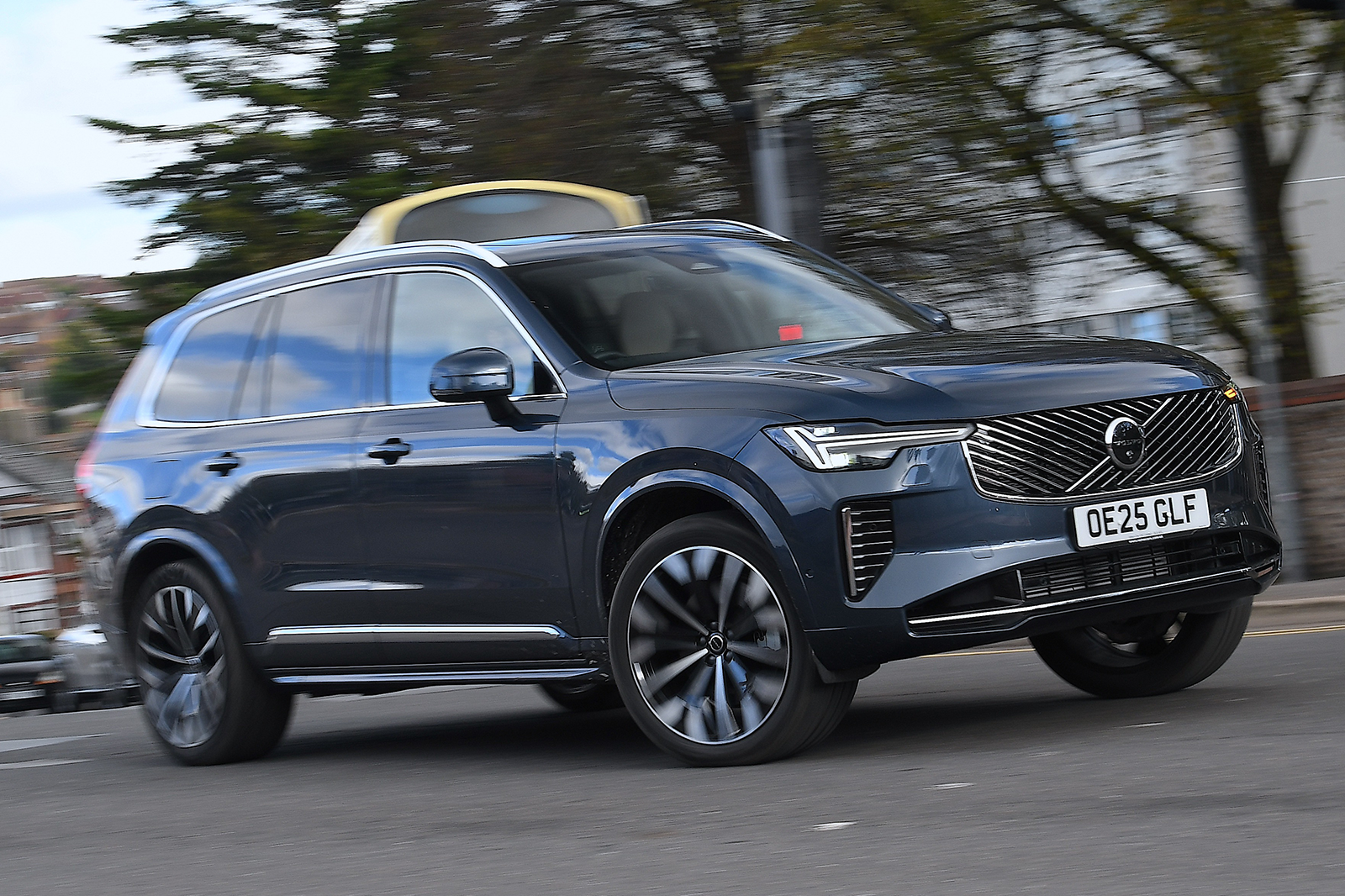
Furthermore, an upcoming refresh for the XC60 is expected to include a similarly advanced long-range PHEV option. Automotive News has reported that this updated model will feature a larger battery pack, more than doubling its current electric range. This strategic enhancement of the XC60’s PHEV variant signals Volvo’s intent to equip its most popular models with the technology needed to facilitate a smoother transition to electric driving.
The Future of Electrification: Balancing Ambition with Reality
While Volvo UK is doubling down on its PHEV strategy, Melillo Shaw was keen to reiterate the company’s unwavering commitment to a fully electric future. "If everyone decided to drive an electric car tomorrow, we are set up to support that, so there are no concerns from an innovation standpoint," she affirmed. Volvo has invested heavily in its BEV technology and manufacturing capabilities, positioning itself to rapidly scale up EV production should market demand accelerate.
However, the current pace of EV adoption has prompted Volvo, among other manufacturers, to call for a more pragmatic approach to regulatory targets. Melillo Shaw advocated for a "reality check" regarding the government’s Zero Emission Vehicle (ZEV) mandate targets, which are currently under review. The ZEV mandate requires manufacturers to sell an increasing percentage of zero-emission vehicles each year, with penalties for non-compliance. The slower-than-expected uptake of EVs in the UK market suggests that these targets may need to be recalibrated to reflect consumer behaviour and infrastructure development.
Broader Implications for the UK Automotive Market
Volvo’s strategic shift has significant implications for the broader UK automotive landscape. The company’s decision to prioritize long-range PHEVs suggests a recognition that the transition to EVs is not a monolithic, one-size-fits-all process. For many consumers, particularly those in areas with less developed charging infrastructure or those who frequently undertake long journeys, PHEVs offer a practical compromise. They provide the environmental benefits of electric driving for shorter trips while retaining the flexibility and convenience of a petrol engine for longer distances.
This approach could also influence other manufacturers operating in the UK market. If Volvo, a brand known for its forward-thinking approach to safety and sustainability, finds it necessary to bolster its PHEV offerings, it signals a potential trend. Other automakers may follow suit, adapting their product strategies to cater to a wider range of consumer needs and preferences during this transitional period.
The emphasis on "long-range" PHEVs also raises the stakes for battery technology and charging infrastructure. For these vehicles to be truly effective stepping stones, their electric ranges must be substantial enough to offer a meaningful electric driving experience. This, in turn, will necessitate continued investment in battery development and a more robust and accessible public charging network to support the increasing number of PHEVs on the road.
Consumer Confidence and the Road Ahead
The success of Volvo’s intensified PHEV strategy will ultimately depend on consumer confidence and the evolving economic and infrastructural landscape. Factors such as the total cost of ownership, the availability and reliability of charging points, and government incentives will all play a crucial role in shaping consumer choices.
As the UK government reviews its ZEV mandate, the automotive industry will be watching closely for any adjustments that align with market realities. Volvo’s proactive approach, by reinforcing its PHEV lineup while maintaining its long-term EV ambitions, demonstrates a pragmatic and adaptable strategy. It acknowledges that the journey to a fully electric future is likely to be a gradual one, paved with innovative technologies and a nuanced understanding of consumer behaviour. The company’s commitment to offering long-range PHEVs signifies a belief that the most effective path forward involves meeting customers where they are, guiding them towards a more sustainable mode of transportation at a pace that suits their evolving needs and circumstances. The coming years will be a critical period for Volvo and the wider automotive sector as they navigate this complex transition, balancing ambitious environmental goals with the practical demands of the consumer market.