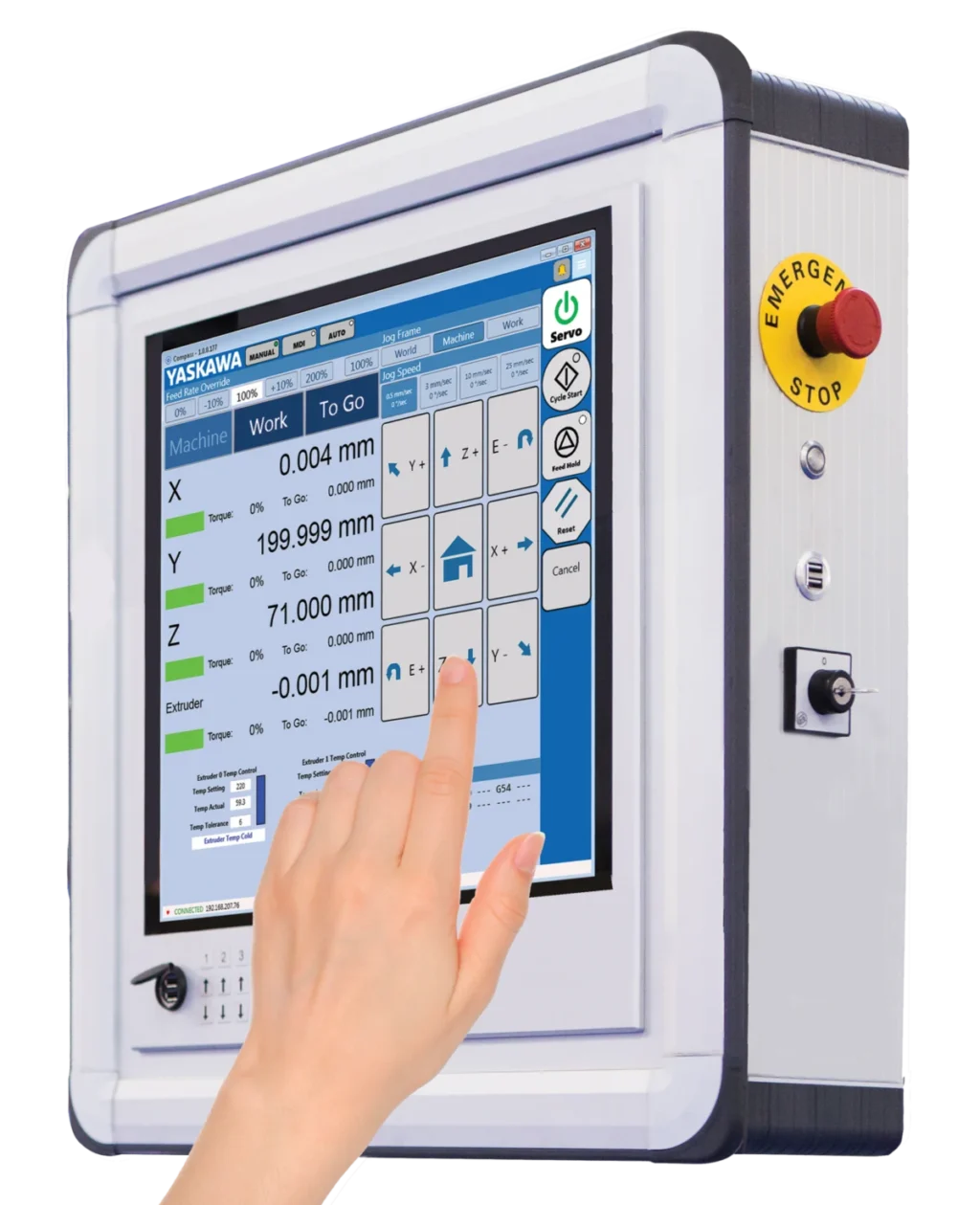
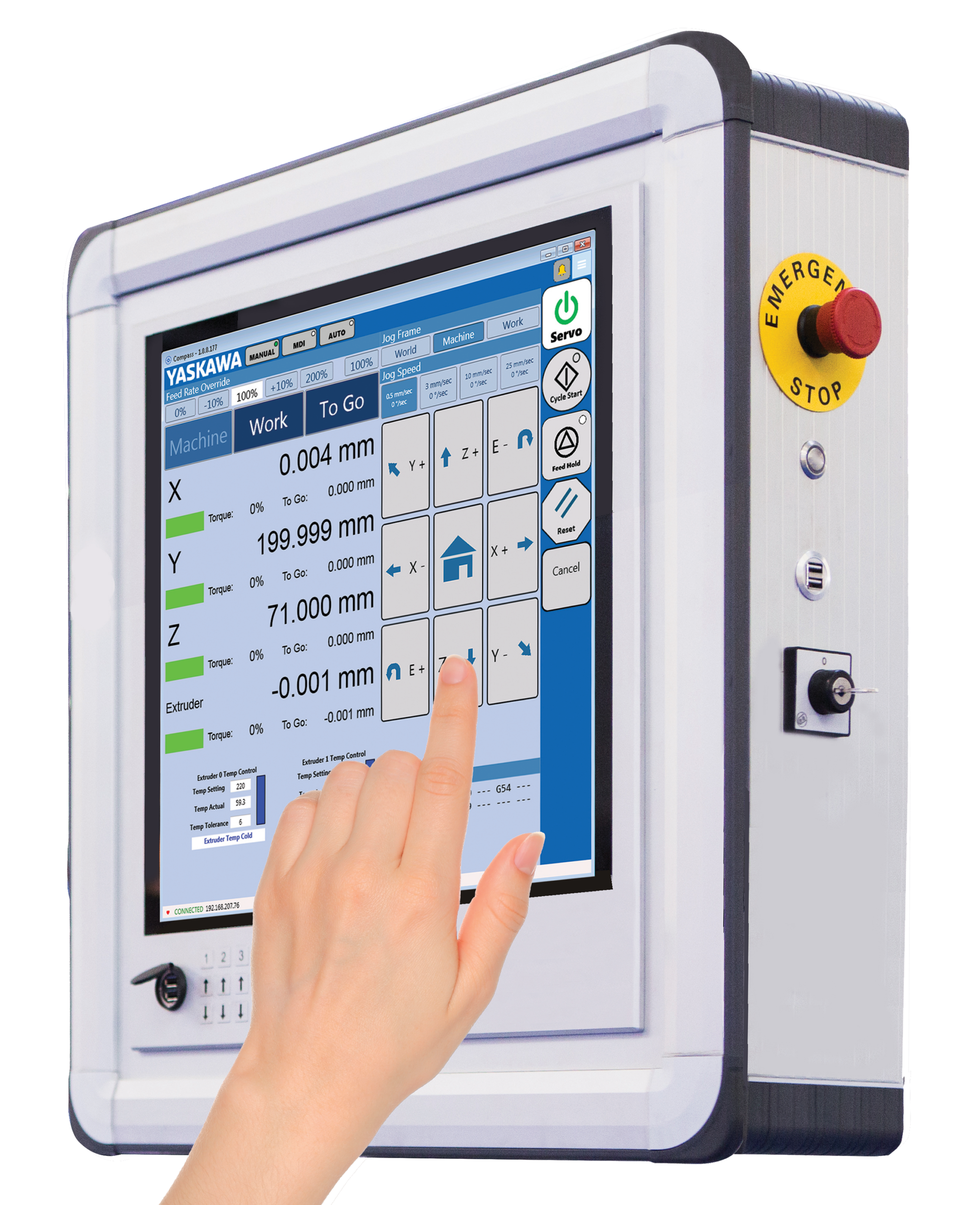
The Drives & Motion division of Yaskawa America, Inc. has officially announced the launch of Compass 2, a significant advancement in CNC software tailored for its iCube Control platform. This new software solution represents a strategic fusion of an industrial PC’s robust capabilities for user interface and sophisticated path planning with the precision and real-time control inherent in Yaskawa’s iC9200 machine controller. The introduction of Compass 2 is poised to offer machine tool builders a highly versatile and scalable CNC control option, addressing a diverse spectrum of applications across the manufacturing landscape. This development underscores Yaskawa’s ongoing commitment to enhancing industrial automation through innovative software and hardware integration, meeting the escalating demands for efficiency, precision, and customization in modern production environments.
Understanding the Innovation: Compass 2 and the iCube Control Ecosystem
At its core, Compass 2 is designed to elevate the performance and usability of Computer Numerical Control (CNC) systems, particularly within the domain of CNC routers. The software’s architecture strategically separates the computational demands of the user interface and complex path planning, assigning them to a flexible industrial PC. This approach liberates the real-time motion and logic control functions, which are handled by the dedicated Yaskawa iC9200 machine controller, ensuring unwavering precision and responsiveness. This dual-architecture model offers significant advantages, including enhanced processing power for graphical user interfaces and complex algorithms, while maintaining deterministic control over critical machine movements.
The iCube Control platform, which Compass 2 leverages, is Yaskawa’s integrated automation solution designed for high-performance industrial machinery. It combines motion control, logic control (PLC), and safety functions into a unified environment, simplifying machine design, programming, and maintenance. The integration of Compass 2 with iCube Control, specifically the iC9200 machine controller, creates a synergistic system where software intelligence seamlessly translates into precise physical actions. This integration is crucial for industries where micron-level accuracy and rapid production cycles are paramount, such as aerospace, automotive, medical device manufacturing, and general precision engineering.
Key Features and Benefits for Machine Tool Builders
Compass 2 is equipped with a suite of features meticulously developed to support high-performance production environments. Foremost among these is its advanced G-code processing capability, which forms the universal language of CNC machining. The software efficiently interprets and executes complex G-code programs, translating digital instructions into precise machine movements. Beyond standard G-code, Compass 2 also supports macro logic and sophisticated path planning algorithms, which are essential for optimizing tool paths, minimizing machining time, and improving surface finish quality.
One of the standout attributes of Compass 2 is its block look-ahead and high-speed contouring functions. In CNC machining, "block look-ahead" refers to the controller’s ability to read and process multiple upcoming program blocks (G-code lines) simultaneously. This foresight allows the controller to anticipate changes in direction and speed, enabling smoother transitions and maintaining consistent feed rates, especially around corners and complex geometries. This capability is critical for achieving sustained feed rates without sacrificing accuracy, ensuring superior corner tolerance control, and ultimately delivering consistent cut quality. For manufacturers, this translates into reduced cycle times, minimized material waste, and an overall improvement in product consistency and aesthetic finish.
Beyond its core machining capabilities, Compass 2 offers unparalleled flexibility in user interface customization. Machine builders can tailor the Human-Machine Interface (HMI) to align precisely with specific processes, machine functionalities, and operator preferences. This customization is facilitated through Compass Designer, a powerful tool that allows users to develop a bespoke CNC HMI as a Windows WPF (Windows Presentation Foundation) application. Critically, this can be achieved without the need for extensive C# coding, significantly lowering the barrier to entry for builders who may not have specialized software development teams. Users can either start with an included example interface, providing a solid foundation, or build an entirely new interface from scratch. The resulting stand-alone executable integrates Compass NC and features built-in communication protocols with the iC9200 machine controller, streamlining the development and deployment process.
Furthermore, the software empowers machine tool builders to create custom G-codes, M-codes (miscellaneous codes), and macro programs. These custom functionalities are invaluable for automating specific machine operations, such as intricate tool changing sequences, precise probing routines for part inspection or setup, and various canned cycles for repetitive tasks like drilling or tapping. This level of programmability enables manufacturers to fine-tune their machines for niche applications, optimize existing processes, and implement proprietary manufacturing techniques.
PLC integration, a cornerstone of industrial automation, is robustly supported through the iCube Engineer library and a comprehensive starter project. This ensures that the CNC system can seamlessly communicate and synchronize with other automation components within a broader manufacturing cell or factory floor. After configuring the Yaskawa Sigma-X servo axes and I/O (Input/Output) systems, the entire setup is ready for operation, illustrating the solution’s emphasis on rapid deployment and ease of integration.
Addressing Industry Challenges: The Need for Advanced CNC
The manufacturing sector is currently navigating a period of profound transformation, driven by demands for higher precision, increased production speed, greater flexibility, and seamless integration within the Industry 4.0 paradigm. Traditional CNC systems, while effective, often present limitations in terms of customization, adaptability to new processes, and ease of integration with diverse factory automation systems. Manufacturers are increasingly seeking solutions that not only deliver superior machining performance but also offer open architectures, intuitive user interfaces, and robust connectivity options.
Compass 2 directly addresses these challenges by offering a modern, scalable, and highly customizable CNC software solution. The ability to customize the HMI without deep coding knowledge, coupled with support for custom G-codes and robust PLC integration, empowers machine builders to differentiate their offerings and provide end-users with machines that are precisely tuned to their operational needs. This level of flexibility is crucial for industries that demand quick changeovers, production of diverse part geometries, and the integration of sophisticated automation routines.
The emphasis on high-speed contouring and block look-ahead capabilities reflects the industry’s need for faster throughput without compromising on quality. In competitive markets, even marginal gains in machining speed or surface finish can translate into significant cost savings and market advantages. By ensuring consistent cut quality and sustained feed rates, Compass 2 helps manufacturers achieve higher yields and reduce post-processing requirements, contributing to overall operational efficiency.
Yaskawa’s Strategic Vision in Industrial Automation
Yaskawa Electric Corporation, with a rich history spanning over a century, has established itself as a global leader in motion control, robotics, and drives technology. The company’s strategic vision revolves around providing comprehensive solutions that drive industrial automation forward, focusing on intelligence, efficiency, and sustainability. The release of Compass 2 aligns perfectly with this vision, underscoring Yaskawa’s commitment to delivering integrated, high-performance control systems.
Yaskawa’s product portfolio extends across a wide range of industrial applications, from precise robotic manipulators that handle intricate assembly tasks to powerful servo drives that power high-speed machinery. The iCube Control platform, and by extension Compass 2, represents a convergence of Yaskawa’s expertise in these diverse areas. By offering a unified control environment that spans motion, logic, and safety, Yaskawa aims to simplify the complexities of machine design and operation, allowing manufacturers to focus on innovation and production optimization.
Company officials, while not quoted directly in the initial announcement, typically emphasize the strategic importance of such product releases in strengthening Yaskawa’s position as a holistic automation partner. They would likely highlight how Compass 2 empowers machine builders to create more competitive and advanced machinery, ultimately benefiting end-users with improved productivity, flexibility, and product quality. The investment in software solutions like Compass 2 also signals Yaskawa’s recognition of the increasing role of software intelligence in defining the capabilities and value proposition of industrial hardware.
The Evolution of CNC Software: A Historical Perspective
The journey of CNC technology began in the 1950s, evolving from early punched tape systems to sophisticated computer-driven controls. Initially, CNC systems were proprietary, often tied to specific machine hardware, and featured rudimentary programming interfaces. Over decades, advancements in computing power, sensor technology, and control algorithms have transformed CNC into a highly sophisticated and indispensable tool for modern manufacturing.
Early CNC software focused primarily on basic machine movements and tool path generation. The interfaces were often text-based, requiring specialized programming knowledge. As personal computers became more powerful and ubiquitous, CNC software began to incorporate graphical user interfaces (GUIs), making programming and operation more intuitive. The introduction of standardized G-codes facilitated greater interoperability between different machines and control systems.
More recently, the trend in CNC software development has shifted towards greater openness, modularity, and connectivity. Manufacturers demand solutions that can integrate seamlessly with CAD/CAM software, Manufacturing Execution Systems (MES), and enterprise-level planning tools. The rise of Industry 4.0 and the Industrial Internet of Things (IIoT) has further accelerated this demand, pushing for CNC systems that can collect and transmit data in real-time, enable remote monitoring, and facilitate predictive maintenance. Compass 2, with its industrial PC front-end, customizable HMI, and robust communication capabilities, is a direct response to these evolving industry requirements, positioning Yaskawa at the forefront of modern CNC software development.
Market Landscape and Competitive Edge
The global market for CNC machine tools and their associated software is substantial and continues to grow, driven by industrial expansion, technological advancements, and the ongoing need for precision manufacturing across various sectors. Reports from market intelligence firms consistently project a healthy growth trajectory for this market, with a strong emphasis on automation, smart manufacturing, and customized solutions. Key regions like Asia-Pacific, North America, and Europe are significant drivers of this demand.
In this competitive landscape, players like Siemens, Fanuc, Heidenhain, and Mitsubishi Electric are prominent, each offering a range of CNC control solutions. Yaskawa’s Compass 2 enters this arena with a distinct proposition, particularly its emphasis on combining the flexibility of an industrial PC with the real-time reliability of a dedicated machine controller. This hybrid approach offers a compelling alternative to purely embedded or purely PC-based CNC systems, potentially offering the best of both worlds: advanced computational power for user experience and complex planning, alongside uncompromising real-time control for motion.
The ability for machine builders to customize the HMI without extensive coding is a significant competitive differentiator. It allows for faster development cycles for new machine models, reduces the cost associated with specialized software engineering, and enables a higher degree of product personalization. This flexibility is increasingly important in a market where end-users demand machines tailored to their specific applications, rather than off-the-shelf solutions. Furthermore, the robust support for PLC integration and custom G/M codes ensures that Compass 2 can be seamlessly embedded into complex automation architectures, making it attractive to builders of advanced, multi-axis machines.
Implications for Manufacturing and Digital Transformation
The introduction of Compass 2 carries significant implications for the broader manufacturing sector and the ongoing digital transformation of industries. For machine tool builders, it represents an opportunity to enhance their product offerings with a control system that is both powerful and adaptable. This can lead to shorter design cycles for new machines, reduced development costs, and the ability to offer highly specialized solutions to their customers. The ease of HMI customization means that machine interfaces can be optimized for specific operator workflows, reducing training times and improving operational efficiency.
For end-users – the manufacturers who operate these CNC machines – the benefits are equally profound. Improved block look-ahead and high-speed contouring translate directly into higher quality parts produced faster, with less waste. This contributes to a stronger competitive position in the market. The flexibility to integrate custom macro programs and PLC logic allows manufacturers to implement highly automated and specialized processes, moving towards lights-out manufacturing and optimized production flows.
Moreover, the architecture of Compass 2, leveraging an industrial PC, inherently supports the principles of Industry 4.0. Such systems are typically designed for robust connectivity, enabling data acquisition, remote monitoring, and integration with cloud-based analytics platforms. This facilitates the creation of "smart factories" where machines communicate with each other, share data, and contribute to a holistic view of the production process, enabling predictive maintenance, real-time optimization, and agile manufacturing strategies.
Future Outlook and Industry Trends
Looking ahead, the trajectory of CNC software development is likely to continue its path towards even greater intelligence, autonomy, and connectivity. We can anticipate further advancements in areas such as:
- Artificial Intelligence and Machine Learning: Integrating AI/ML for adaptive control, predictive maintenance, process optimization, and anomaly detection.
- Digital Twins: Creating virtual replicas of CNC machines and processes to simulate, monitor, and optimize operations in real-time.
- Cloud-Native Solutions: Shifting more processing and data storage to the cloud for enhanced scalability, accessibility, and collaborative manufacturing.
- Enhanced Cybersecurity: As connectivity increases, so does the need for robust cybersecurity measures to protect industrial control systems from threats.
- Human-Robot Collaboration: Seamless integration of CNC machines with collaborative robots (cobots) for automated loading, unloading, and inspection tasks.
Yaskawa’s Compass 2, with its flexible and scalable architecture, is well-positioned to evolve alongside these trends. Its foundation, combining a powerful PC interface with a dedicated real-time controller, provides a robust platform upon which future intelligent and connected manufacturing capabilities can be built. The continued investment in such sophisticated software solutions will be critical for Yaskawa and the broader industrial automation sector to meet the ever-increasing demands for precision, efficiency, and adaptability in the global manufacturing landscape.