The month of September has historically been a period of significant advancements and pivotal moments in the annals of aviation and space exploration. From the nascent days of airmail delivery to the sophisticated missions exploring distant planets, September has witnessed groundbreaking achievements, tragic setbacks, and the steady march of technological innovation across the aerospace industry. This compilation delves into some of the most impactful events that have unfolded in September across different eras, highlighting the evolution of flight and humanity’s reach beyond Earth.
The Dawn of Airmail and Early Aviation Challenges (1926)
The year 1926 marked a crucial period for the burgeoning airmail services, laying the groundwork for the commercial aviation industry. On September 15th, Florida Airways achieved a significant milestone by completing the first airmail flight connecting Miami and Atlanta. The inaugural aircraft, affectionately nicknamed "Miss Atlanta," was met with considerable fanfare at Atlanta’s Candler Field. The ceremony included a symbolic arrival and a demonstration of aerial prowess with a flyover by two U.S. Army squadrons, underscoring the growing importance of aviation for national infrastructure and connectivity. While Florida Airways itself would cease operations by June 1927, its pioneering routes were subsequently absorbed by Pitcairn Aviation, a company that would evolve into Eastern Air Transport, a significant player in the early airline industry. This event represented a tangible step forward in establishing reliable air routes for mail delivery, promising faster transit times and a new era of communication.

However, the early days of aviation were also fraught with peril. Just one day later, on September 16th, Charles Lindbergh, then flying as the chief pilot for Robertson Aircraft Corp., experienced a dramatic emergency when his mailplane ran out of fuel over Illinois, forcing him to bail out. This was not an isolated incident; he would face a similar predicament in November. These harrowing experiences, while undoubtedly challenging, likely served as crucial learning opportunities for Lindbergh. It was during this period that he learned of the substantial $25,000 Orteig Prize, offered for the first non-stop flight between New York and Paris. The allure of this prize, coupled with the lessons learned from his mail flights, would soon ignite Lindbergh’s ambition for a record-breaking transatlantic journey.
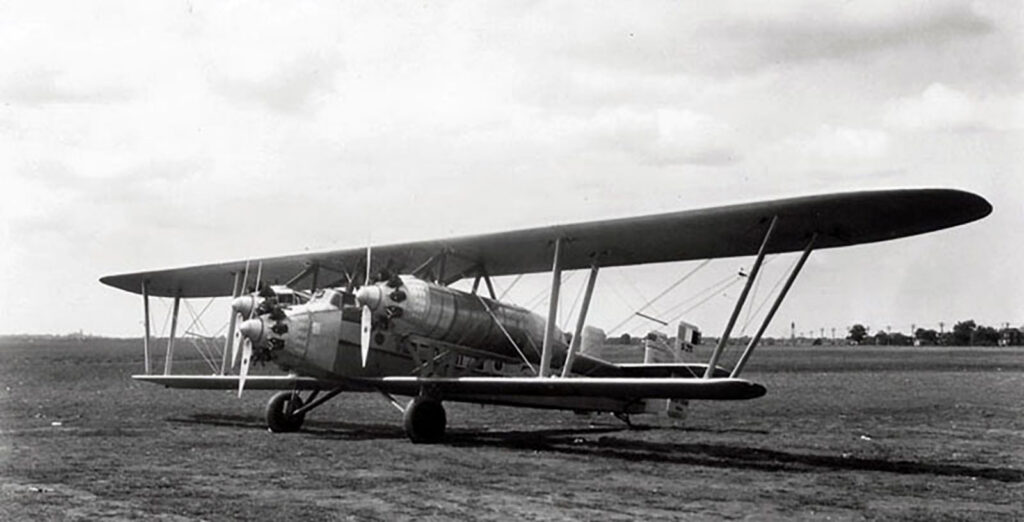
The inherent risks of aviation were starkly illustrated on September 21st, with the tragic crash of the Sikorsky S-35 biplane during takeoff from Roosevelt Field in New York. The aircraft was consumed by fire, resulting in the deaths of radio operator Charles Clavier and mechanic Jacob Islamoff. Fortunately, pilot René Fonck and co-pilot Lawrence Curtin survived, though with minor injuries. Eyewitness accounts pointed to a strong crosswind that increased drag, while weight records later suggested the aircraft was significantly overloaded. Fonck, a renowned aviator, had been aiming to win the same $25,000 Orteig Prize that would later inspire Lindbergh. The S-35 crash served as a grim reminder of the engineering and operational challenges faced by pioneers in pushing the boundaries of flight.
During the same month, a more geographically expansive vision for air transport was taking shape in South America. The Peruvian government initiated plans to establish a vital airmail and passenger transport service connecting Lima, the capital, with Iquitos, a remote inland city in the Upper Amazon. This ambitious undertaking, to be known as the Peruvian Naval Air Service, aimed to revolutionize travel in a region where land-based journeys between these two cities could take an arduous 20 to 30 days. The proposed service, utilizing seaplanes, promised to reduce transit times to a mere two to three days. Beyond mere transportation, this initiative was also expected to play a crucial role in mapping the vast and often inaccessible Amazonian terrain, underscoring the strategic importance of aviation for national development and exploration.
The Nuclear Age and Missile Advancements (1951)
The mid-20th century ushered in the atomic age, and its influence quickly permeated the aerospace sector. On September 5, 1951, the U.S. Air Force awarded a contract to Convair to conduct flight testing of a B-36 bomber equipped with a nuclear reactor. This groundbreaking project represented a significant first step toward the development of an atom-powered aircraft. The experimental NB-36H aircraft, which would undertake its first flight in 1955, carried a three-megawatt nuclear reactor within its bomb bay. The primary objective was to meticulously analyze the impact of nuclear radiation on the aircraft’s systems and its potential crew. This endeavor, while ambitious, also raised profound questions about the safety and feasibility of nuclear propulsion for aircraft, a concept that ultimately proved too complex and hazardous for widespread adoption.
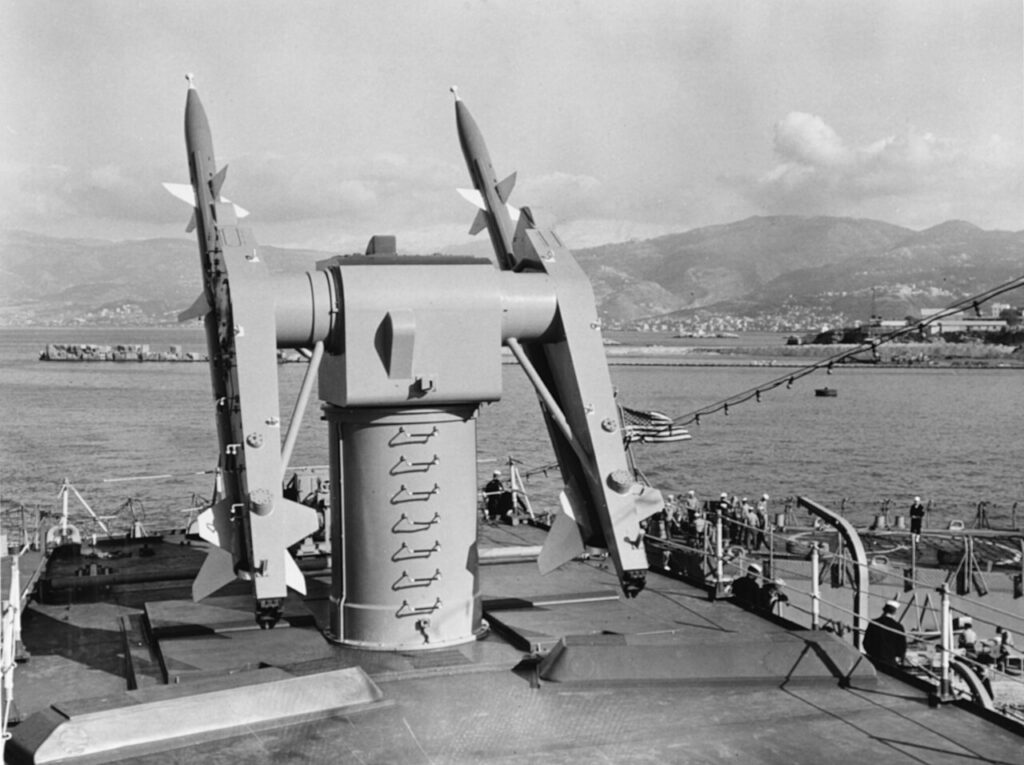
A different facet of advanced military technology was showcased on September 7th, with the first shipboard launch of the ARIM-2 Terrier surface-to-air missile. Conducted from the USS Norton Sound, the test simulated the interception of a Grumman F6F-5K Hellcat target drone. This event marked a significant advancement in naval air defense capabilities, demonstrating the increasing sophistication of guided missile technology and its integration into naval operations. The Terrier missile system would go on to become a cornerstone of U.S. Navy air defense for decades.
The pursuit of aerial superiority also saw technological leaps. On September 20, 1951, the Grumman XF9F-6 Cougar, a carrier-based fighter jet, completed its maiden flight. This swept-wing aircraft was a derivative of the earlier straight-wing F9F-5 Panther and was designed for the U.S. Navy. The Cougar was a formidable machine, capable of carrying up to 3,000 pounds of ordnance and armed with four 20-millimeter cannons. Its swept wings were a crucial aerodynamic advancement, enabling higher speeds and improved maneuverability. The production version of the Cougar would enter operational service in late 1952, further enhancing the U.S. Navy’s tactical air power.
Pushing the Boundaries of Space and Flight (1951-1976)
The exploration of space and the evolution of high-performance aircraft continued to capture the imagination and drive innovation. On September 20, 1951, a rhesus monkey named Yorick achieved a historic feat, becoming the first primate to survive a rocket flight. Launched aboard an Aerobee rocket, Yorick, along with eleven mice, ascended to an astonishing altitude of 236,000 feet above Holloman Air Force Base, New Mexico. During the flight, vital physiological data, including Yorick’s heartbeat, respiration, and blood pressure, were meticulously recorded. The mice underwent various experimental conditions, with nine exposed to cosmic radiation and two placed in separate rotating drums to photograph their reactions to subgravity. The capsule carrying the animals successfully landed via parachute in the desert, though Yorick succumbed to overheating several hours later. This experiment, though ultimately tragic for Yorick, provided invaluable data for future human spaceflight endeavors, shedding light on the physiological effects of high-altitude and subgravity environments.
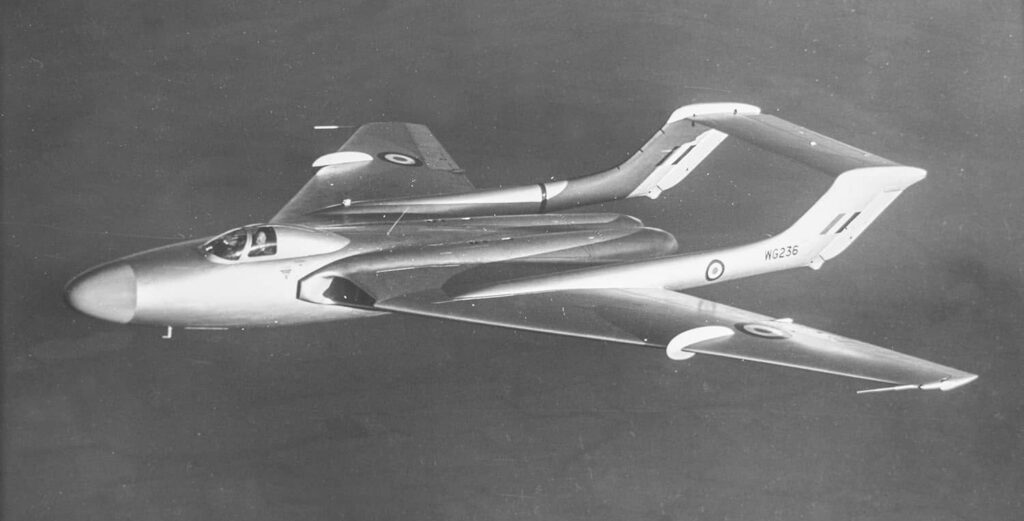
A distinctive aircraft design took to the skies for the first time on September 26, 1951: the de Havilland D.H.110 all-weather fighter. This aircraft was immediately recognizable by its characteristic twin tailbooms. Its innovative design would later lead it to become the first two-seat aircraft to break the sound barrier in flight, achieving this milestone in April 1952. The D.H.110 would eventually enter service with the U.K.’s Royal Navy, where it became renowned as the Sea Vixen, a powerful and iconic naval fighter.
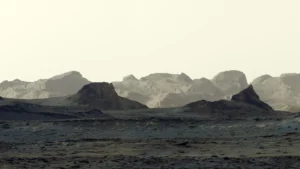
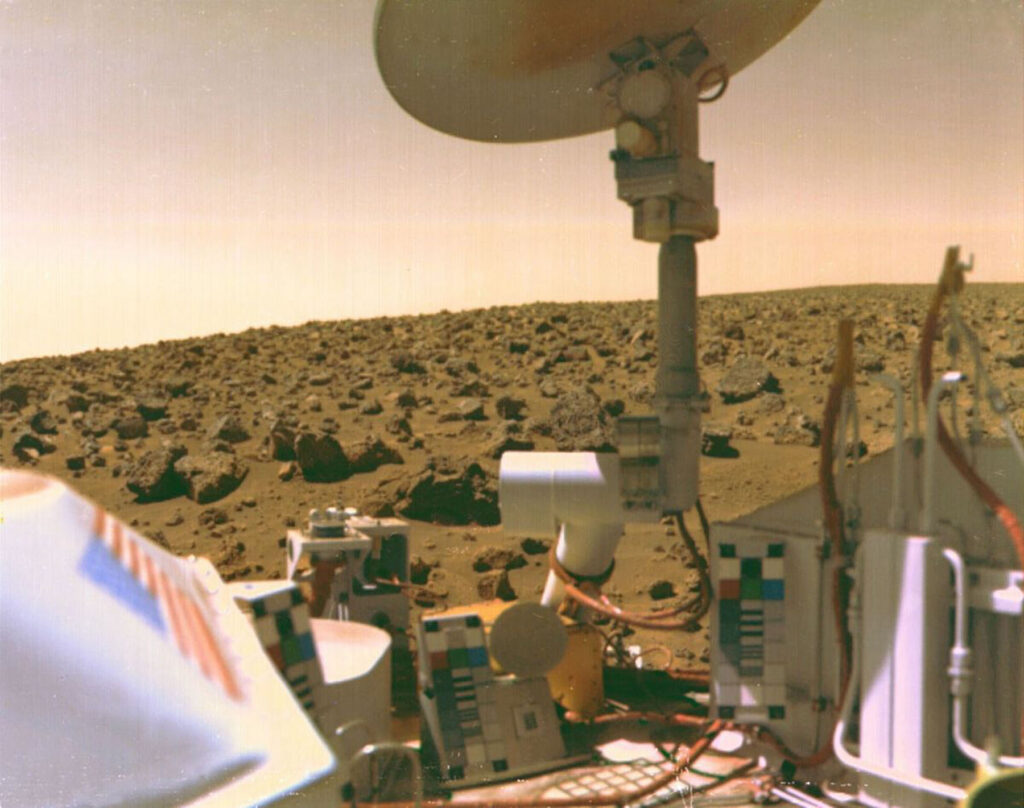
The 1970s saw humanity making significant strides in planetary exploration. On September 3, 1976, NASA’s Viking 2 lander successfully touched down on the Martian surface, specifically in the Utopia Plains. This mission, along with its predecessor Viking 1, detected organic chemicals in the Martian soil, a finding that fueled intense scientific debate. While definitive evidence of microbial life remained elusive, the thousands of photographs transmitted by both Viking spacecraft provided compelling visual proof of past water activity on Mars. The images revealed vast river valleys, suggesting catastrophic floods that had carved deep channels into the planet’s bedrock, fundamentally altering our understanding of Mars’s geological history.
The same day, September 3, 1976, saw the chartering of the International Maritime Satellite Organization (INMARSAT) in London. This landmark agreement, following four years of diligent study and negotiation, established a global satellite communication network specifically for the maritime community. INMARSAT’s mission was to enhance communication capabilities, facilitating the exchange of telephone, telegraph, and facsimile messages, as well as improving ocean navigation. The charter was signed by representatives from twenty-eight countries, signaling a unified international commitment to leveraging satellite technology for maritime safety and efficiency.
Further enhancing our understanding of celestial bodies, September 10, 1976, marked the publication of the first detailed images of Venus’s surface obtained through NASA’s S-band ground radar. This advanced radar system, housed at the Arecibo Observatory in Puerto Rico, possessed unprecedented sensitivity, capable of distinguishing surface features down to 10 kilometers. This technological leap provided scientists with a clearer glimpse into the complex and enigmatic surface of Earth’s neighboring planet.
On September 15, 1976, the Soviet Union launched the Soyuz 22 capsule, carrying cosmonauts Col. Valery Bykovsky and Vladimir Aksenov. This mission was notable for being the first crewed Soviet vehicle to incorporate foreign-made equipment: the Zeiss MKF-6 instrument from East Germany. This advanced camera system was designed to capture images of Earth’s surface and upper atmosphere across six different wavebands simultaneously, offering new insights into atmospheric composition and geological features. The cosmonauts spent eight days in orbit, conducting their scientific observations.
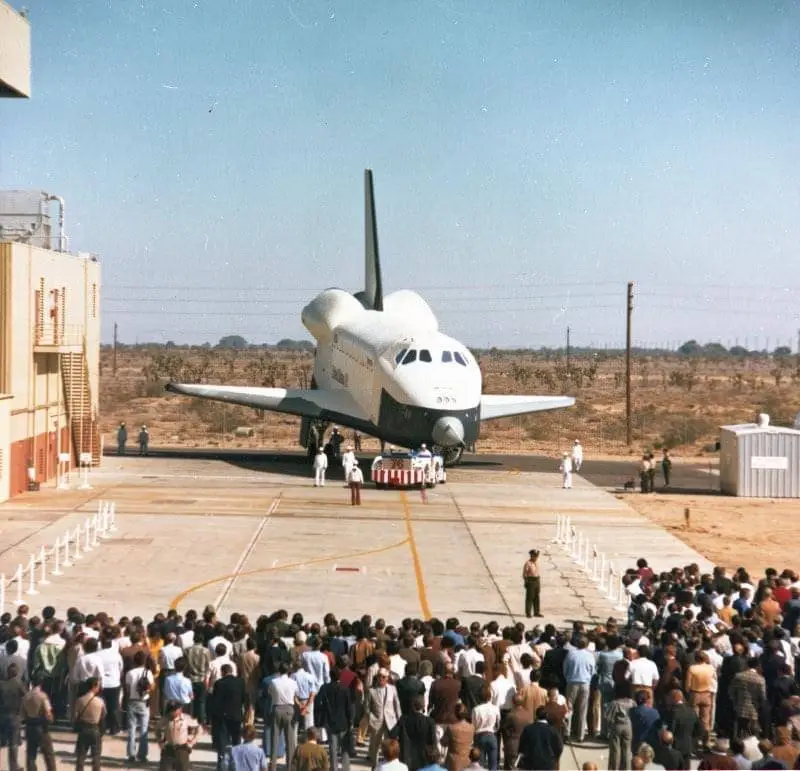
The iconic space shuttle program took a significant public step on September 17, 1976, with the debut of NASA’s first orbiter, Enterprise, at Rockwell’s facility in Palmdale, California. Originally slated to be named "Constitution," the orbiter’s name was changed to Enterprise following an overwhelming public campaign, largely fueled by Star Trek fans who lobbied for the vehicle to bear the name of the fictional starship. President Gerald Ford ultimately approved the name change, recognizing the aspirational symbolism of the Enterprise in the context of space exploration.
A New Millennium of Aerospace Achievements (2001)
As the 21st century dawned, September continued to be a month for significant aerospace milestones. On September 5, 2001, NASA announced a pivotal discovery: observations from its Chandra X-ray Observatory had provided definitive confirmation of a supermassive black hole residing at the center of the Milky Way galaxy. This finding was a landmark achievement in astrophysics, offering crucial data for understanding galactic evolution and the extreme physics governing these cosmic phenomena.
A new generation of fighter aircraft emerged on September 26, 2001, with the first flight of the MiG-29M2 fighter at a test center in Zhukovsky, Russia. This advanced variant of the MiG-29 incorporated significant upgrades, including digital fly-by-wire controls, state-of-the-art electronics, and the use of lighter materials. These enhancements aimed to improve the aircraft’s performance, maneuverability, and overall combat effectiveness, reflecting the ongoing evolution of military aviation technology.
Concluding a chapter in space launch history, September 29, 2001, saw the Lockheed Martin Athena I lift off from Kodiak Island, Alaska. This launch marked the first orbital space launch from the state of Alaska and, coincidentally, the final flight of the Athena rocket. Aboard the rocket were four satellites funded by NASA and the Department of Defense, underscoring the continued importance of space-based assets for scientific research and national security.
From the pioneering spirit of early airmail routes to the complex scientific missions exploring the cosmos, September has consistently been a month of remarkable progress and transformative events in the history of aviation and space exploration. Each September’s contributions, whether celebrated or fraught with challenges, has collectively shaped our understanding of the skies above and the universe beyond, driving humanity’s relentless pursuit of innovation and discovery.