The serene landscapes and dense forests of Japan, long revered for their natural beauty and spiritual significance, are increasingly becoming a flashpoint for human-wildlife conflict. A dramatic surge in bear sightings and attacks across the archipelago has prompted an urgent reevaluation of traditional coexistence strategies, leading authorities and researchers to explore innovative, non-lethal technological interventions. At the forefront of this new approach is the deployment of advanced robotics, most notably the "Monster Wolf" robot, alongside sophisticated AI monitoring systems and drones, as Japan grapples with a complex ecological challenge that mirrors global dilemmas in conservation and human development.
The Alarming Surge in Bear Incidents Across Japan
In recent years, Japan has witnessed an unprecedented rise in bear encounters, particularly in areas bordering human habitation. The problem, which once largely affected rural communities and agricultural lands, has now extended into urban fringes and residential zones, sparking public concern and necessitating swift action. Official figures underscore the gravity of the situation: in 2023 alone, Japan recorded a record 219 people injured and six killed in bear attacks, marking the highest such numbers since record-keeping began in 2006. These incidents represent a sharp escalation from previous years, with a notable increase in the Kanto region, including areas relatively close to Tokyo, and other prefectures such as Akita, Iwate, and Fukushima.
The surge has profoundly impacted daily life, disrupting outdoor activities, threatening agricultural livelihoods, and instilling fear among residents. Local municipalities are under immense pressure to safeguard their communities while simultaneously adhering to ethical considerations regarding wildlife management. This delicate balance between ensuring public safety and preserving bear populations, many of which are considered vulnerable, forms the crux of Japan’s current predicament.
Unpacking the Causes: A Complex Web of Factors
The escalating frequency of bear encounters is not attributable to a single factor but rather a confluence of environmental, demographic, and behavioral changes. Understanding these underlying causes is crucial for developing sustainable long-term solutions.
Habitat Loss and Fragmentation: As Japan continues its urban and infrastructural development, natural bear habitats are increasingly encroached upon and fragmented. This reduction in available territory forces bears into closer proximity with human settlements in search of food and shelter.
Climate Change and Food Scarcity: Changing climate patterns have a direct impact on the availability of natural food sources for bears, such as acorns, chestnuts, and berries. Unpredictable weather events, including droughts or excessive rainfall, can lead to poor harvests, compelling bears to venture into populated areas to forage for alternative food sources, including agricultural crops and household waste. A lack of natural sustenance in their traditional foraging grounds makes human environments, often rich in accessible calories, an irresistible draw.
Rural Depopulation and Land Abandonment: Japan faces significant challenges with rural depopulation, where aging populations and migration to urban centers lead to the abandonment of farmlands and homes. These deserted areas can inadvertently create new corridors and attractive habitats for wildlife, allowing bears to move closer to still-populated areas undetected.
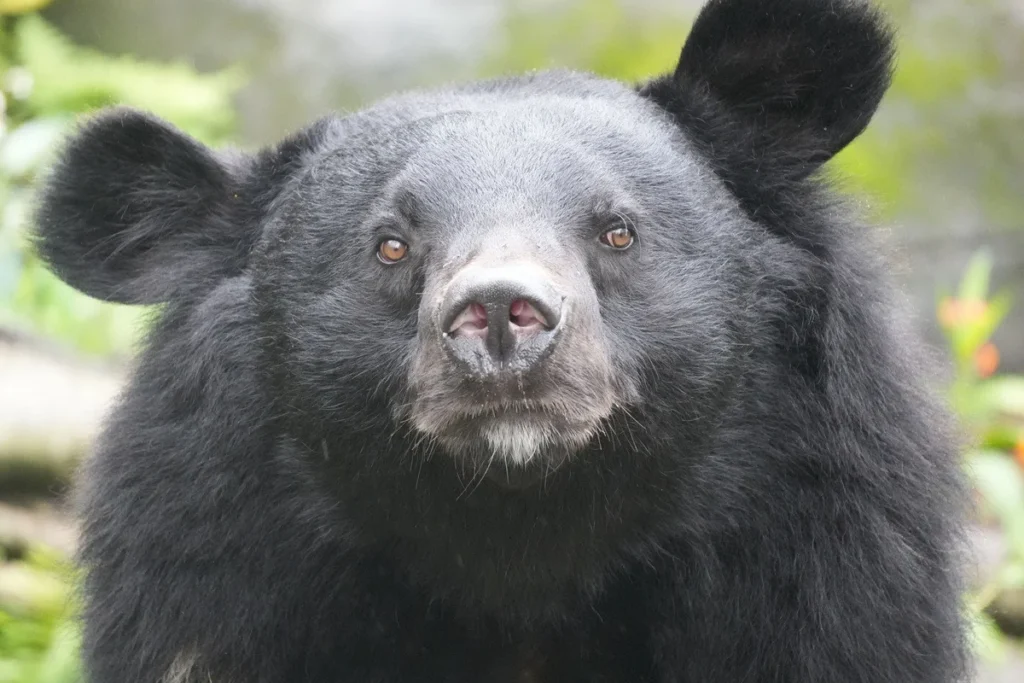
Bear Population Dynamics: While some bear species in Japan, such as the Hokkaido brown bear (Ursus arctos yesoensis), are robust, the Asiatic black bear (Ursus thibetanus japonicus), which accounts for most incidents on Honshu, Shikoku, and Kyushu, has seen varying population trends. While locally vulnerable in some areas, overall populations may be stable or even increasing in certain regions due to conservation efforts and reduced hunting pressure, leading to more individuals competing for resources.
Learned Behavior and Desensitization: Repeated exposure to humans and easy access to human-provided food sources can lead to bears becoming less wary, or "habituated," to human presence. This desensitization increases the likelihood of encounters and, potentially, aggressive behavior when food is perceived to be threatened.
Traditional Deterrence Meets Modernity: Japan’s Evolving Response
Historically, Japan has employed a mix of methods to manage human-bear interactions. These ranged from cultural practices like using bear bells by hikers and traditional scarecrows in fields, to more interventionist measures like trapping and, in severe cases, culling. However, the modern ethical landscape and public sentiment increasingly favor non-lethal solutions. The idea of simply eliminating wildlife that strays into human areas is viewed as a short-sighted approach that fails to address the root causes of conflict and undermines conservation efforts.
This shift has spurred Japanese authorities to explore a diverse array of non-lethal technologies. These include advanced AI monitoring systems designed for early detection, drones for surveillance and remote deterrence, and perhaps most notably, innovative robotic deterrents that aim to scare bears away without harm. The goal is not merely to prevent immediate incidents but to foster a long-term, sustainable coexistence where both human safety and wildlife preservation are prioritized.
Enter the Robots: The "Monster Wolf" Initiative
Among the most intriguing technological responses is the "Monster Wolf" robot. Developed by Wolf Kamuy, a company based in Hokkaido, the robot was initially conceived to protect agricultural crops from damage caused by wildlife. Its unique design and functionality quickly positioned it as a frontline deterrent against encroaching bears.
Development and Purpose: The Monster Wolf project emerged from a practical need to safeguard agricultural yields, particularly in regions where bear populations frequently raided farms, causing significant economic losses to farmers. The robot’s success in this context soon saw its application extended to residential and public areas as bear encounters intensified.
Design and Functionality: The Monster Wolf is engineered to mimic the appearance and sounds of a predator, specifically drawing inspiration from Japan’s now-extinct Ezo wolf (Canis lupus hattai).
- Appearance: Standing approximately 60 cm (2 feet) tall, the robot features glowing red eyes, sharp fangs, and a shaggy mane, creating an intimidating, wolf-like visage. Its head can swivel, and its "eyes" can flash, enhancing its menacing presence.
- Sounds: Equipped with an array of sensors, when a bear approaches within range, the Monster Wolf can emit up to 60 distinct sounds. These include the howls of wolves, the roars of large predators, human voices, and even gunshots. The varied soundscape is designed to prevent bears from becoming habituated to a single deterrent sound.
- Movement: Beyond static presence and sound, the robot can also perform head movements, further simulating an active predator.
- Power and Activation: The unit is solar-powered, ensuring continuous operation without external power sources, making it ideal for remote deployment. Its motion-activated sensors detect approaching animals, triggering its deterrence sequence.
Deployment and Cost: Each Monster Wolf unit costs approximately $4,000 (around 600,000 Japanese Yen), making it a significant investment compared to a simple fence. However, its ability to provide a non-lethal, autonomous deterrent in high-risk areas—especially where human intervention would be dangerous or impractical—justifies the expense for many communities and farmers. Units are strategically placed at the perimeters of villages, forests, and agricultural fields known for bear activity.
Initial Efficacy and Demand: Initial reports and anecdotal evidence suggest a high degree of effectiveness. Bears, naturally wary of larger predators, appear to be successfully scared away by the robot’s combination of appearance, sound, and movement. This success, coupled with the escalating bear problem, has led to a dramatic increase in demand. Wolf Kamuy reported that sales of the Monster Wolf doubled in recent years, reflecting the urgency felt by local authorities and residents.
The "Monster Wolf Mini": Expanding the Reach: Recognizing the need for personal and portable deterrents, Wolf Kamuy is also developing the "Monster Wolf Mini." Standing at a compact eight inches tall, this smaller version is designed for individuals engaging in outdoor activities such as fishing, camping, and hiking. The mini-robot aims to provide a personal layer of protection, allowing individuals to carry a bear deterrent with them rather than relying solely on fixed installations. Testing for the Monster Wolf Mini is reportedly planned for late 2026, indicating a continued commitment to expanding robotic solutions.
A Multi-Faceted Strategy: Beyond the Robots
While the Monster Wolf garners significant attention, it is crucial to understand that robotics is not viewed as a standalone "magic bullet" for Japan’s bear problem. Instead, these systems form part of a much broader, integrated strategy that leverages various technologies and traditional methods.
AI-Based Detection and Monitoring: Sophisticated AI systems are being deployed to analyze data from surveillance cameras, thermal sensors, and drone footage to detect bear presence early, track their movements, and even predict potential incursions based on environmental factors and historical data. This predictive capability allows for proactive intervention rather than reactive responses.
Drones for Surveillance and Remote Deterrence: Drones equipped with cameras, thermal imaging, and even speakers can conduct aerial surveillance of remote areas, identifying bear dens or movements before they become a threat. In some cases, drones can be used to emit loud noises or bright lights to gently nudge bears away from human areas, providing a safe, non-confrontational method of guidance.

Traditional Bear Dogs: Trained bear dogs remain an invaluable tool, particularly in tracking and deterring bears in rugged terrain. These dogs can safely confront and chase away bears, providing a living, adaptable deterrent that complements technological solutions.
Public Education and Awareness Campaigns: Alongside technological advancements, sustained efforts in public education are vital. Campaigns teach residents about bear behavior, how to avoid attracting bears (e.g., proper waste management), and what to do in an encounter. Empowering communities with knowledge is a fundamental component of coexistence.
Habitat Management and Food Source Management: Long-term solutions also involve habitat restoration and management to ensure bears have sufficient natural food sources within their designated territories, reducing their incentive to approach human settlements. This includes efforts to plant more acorn and chestnut trees and manage forest health.
Challenges and Criticisms of Robotic Deterrence
Despite their promise, robotic deterrents like the Monster Wolf face several challenges and criticisms:
Cost and Scalability: The initial investment of $4,000 per unit is substantial. Deploying these robots across the vast stretches of Japan’s wilderness and populated areas would require immense financial resources, and their widespread adoption remains a significant logistical and economic hurdle.
Maintenance Requirements: Like all advanced technology, robots require regular maintenance, battery replacement, and potential repairs, adding to their operational cost and complexity.
Adaptation and Desensitization: A primary concern among wildlife experts is the potential for bears to become habituated or desensitized to the robots over time. If bears learn that the robots pose no actual threat, their effectiveness could diminish, leading to a need for constant innovation and variety in deterrents. This "arms race" against animal intelligence is a well-known challenge in wildlife management.
Ethical Considerations: While non-lethal, the long-term ethical implications of constantly scaring wildlife with artificial predators are debated. Some argue that it could alter natural behaviors, stress animals, or lead to unforeseen ecological consequences if bears are perpetually driven from optimal foraging or denning sites.
Limited Scope: Robots are a tool, not a panacea. They are most effective as part of a comprehensive strategy and cannot fully replace human vigilance, habitat management, or, in rare extreme cases, direct intervention.
Statements and Perspectives
Local authorities in affected prefectures have largely welcomed the innovative approach. A spokesperson for a municipal government in Akita, heavily impacted by bear sightings, stated, "Public safety is our paramount concern. While traditional methods have their place, the sheer scale of recent bear activity demands forward-thinking solutions. Robots offer a way to protect our citizens without resorting to lethal force, which is always a last resort."
Wolf Kamuy representatives express optimism about their technology. "The demand for Monster Wolf reflects the urgent need on the ground," a company spokesperson commented. "We are committed to refining our technology and expanding its accessibility, as seen with the Monster Wolf Mini, to empower both communities and individuals to coexist more safely with wildlife."
Wildlife conservationists, while acknowledging the immediate benefits of non-lethal deterrence, offer a more nuanced perspective. Dr. Kenji Tanaka, a prominent wildlife ecologist, remarked, "These technological tools are valuable in managing acute human-wildlife conflicts. However, they are temporary solutions if we do not address the fundamental issues of habitat preservation, climate change impacts, and responsible human development. Robots can buy us time, but they cannot replace a holistic approach to conservation that respects ecological integrity." Affected residents, while relieved by the deployment of such deterrents, voice a mixture of hope and skepticism, highlighting the ongoing anxiety caused by the persistent bear presence.
Broader Implications: Robotics and AI in Global Conservation
Japan’s pioneering efforts with robotic bear deterrents extend beyond its borders, offering a compelling glimpse into the future of nature preservation on a global scale. The conversation surrounding humanity’s technological advancement often centers on its detrimental impact on the planet, from pollution and resource depletion to habitat destruction and species extinction. Yet, a growing school of thought posits that technology, precisely the kind that has driven industrialization, could also be the key to reversing damage and fostering coexistence.
This paradigm shift suggests that instead of merely scaling back technological development, humanity could leverage advanced tools like AI and robotics to monitor, protect, and restore the environment. Just as Japan is now turning to robots to mitigate human-bear conflicts, future robotic systems could revolutionize wildlife conservation by reducing the need for direct, often disruptive, human intervention.
Enhanced Monitoring and Data Collection: AI algorithms can process vast amounts of data from sensors, cameras, and drones to monitor animal populations, track endangered species movements, detect poaching activities, and identify changes in ecosystem health with unprecedented accuracy and speed. This capability allows conservationists to gain a deeper, real-time understanding of ecological dynamics.
Automated Environmental Restoration: Robotics could play a role in automated reforestation efforts, precision waste removal from sensitive ecosystems, or even mitigating the spread of invasive species. This would allow for restoration on scales previously unattainable by human labor alone.
Reduced Human Footprint: Autonomous robots and drones can patrol remote or sensitive environments without disturbing wildlife, collecting data or performing deterrent functions from a distance. This minimizes the human footprint in fragile ecosystems, allowing animals to thrive with less human interference.
Bridging the Divide: The combination of AI and robotics becomes particularly interesting because it transcends human limitations. Humans are bound by physical endurance, the capacity to process information, and the time available for monitoring. Machines, however, can operate continuously, process immense datasets, and cover vast areas. A network of autonomous systems could theoretically monitor forests, oceans, and nature reserves around the clock, identifying problems—from illegal logging to disease outbreaks—long before human observers could.
Conclusion
Japan’s innovative use of robotic deterrents like the Monster Wolf represents a significant step in the evolving discourse of human-wildlife coexistence. It underscores a global trend towards embracing technology not merely as a tool for economic progress but as a critical instrument for environmental stewardship and conflict resolution. While challenges such as cost, maintenance, and the potential for animal habituation remain, these solutions offer a vital alternative to lethal intervention, paving the way for more ethical and sustainable wildlife management practices.
As technology continues to advance, the narrative of technology versus nature may increasingly shift towards one of technology for nature. Japan’s experience with its robotic sentinels illustrates that the future of nature preservation could indeed be intricately linked with the most advanced technologies humanity develops, fostering a delicate balance where humanity and the wild can not only coexist but potentially thrive together.