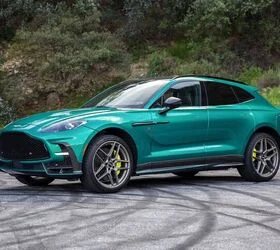
Aston Martin, a storied British marque renowned for its powerful V8 and V12 engines, is strategically delaying its entry into the pure electric vehicle (BEV) market, signaling a pragmatic approach driven by market demand and legislative timelines rather than immediate industry trends. CEO Adrian Hallmark has indicated that the company will only transition to exclusively producing battery electric vehicles when legal requirements necessitate it, a stance that diverges from the rapid electrification pace adopted by many of its luxury automotive counterparts. This decision reflects a deliberate strategy to leverage its existing internal combustion engine (ICE) expertise and customer base for as long as legally permissible, while simultaneously preparing for an inevitable electric future.
A Shifting Electrification Timeline
Aston Martin’s journey towards electrification has been marked by a series of revised timelines, highlighting the complexities and evolving landscape of EV development within niche luxury sectors. The brand initially pledged to unveil an all-electric model by the close of 2025. This target was subsequently pushed back to 2027, and more recently, Mr. Hallmark has articulated a new timeframe, pointing towards a window around the 2035 legislative deadline as the likely period for the brand’s first pure electric offering.
"We only need BEVs to be compliant for legislative reasons just before 2035," Hallmark stated in a recent interview with Autocar. He elaborated, "I’m not going to give an absolute date, because it’s imprecise. It could be 2035, it might be 2033, but it’s in that three-year window. It’s not 2031." This revised outlook suggests that Aston Martin’s first full BEV could arrive as much as a decade later than its initial commitment.
Rationale Behind the Delay: Customer Demand and ICE Longevity
The CEO attributed this extended timeline to the perceived lack of significant demand-side pressure for pure electric vehicles within Aston Martin’s core customer demographic, coupled with the rapid pace of regulatory changes that car manufacturers struggle to match. "Customers and lawmakers are changing way faster than any car company can cope with," Hallmark commented. This perspective underscores a belief that while electrification is inevitable, forcing it prematurely could alienate a loyal customer base that cherishes the visceral experience of high-performance combustion engines.
Aston Martin’s strategy, under Hallmark’s leadership, is to maximize the lifespan of its V8 and V12 powertrains. The company has reportedly developed a roadmap to ensure these engines remain compliant with evolving emissions regulations for as long as legally feasible. "We have a roadmap to keep the bigger and smaller engines alive and compliant all the way through to the end of that period," he confirmed. This approach allows Aston Martin to continue generating revenue and brand equity from its traditional offerings while investing judiciously in its EV future.
Hybridization as a Transitional Strategy
While a complete shift to BEVs is being deferred, Aston Martin is not entirely shunning electrification. Hybridization is being considered as a transitional technology to enhance the performance and efficiency of its existing ICE powertrains. However, Hallmark expressed reservations about plug-in hybrid (PHEV) technology, particularly citing the significant weight penalty associated with battery packs and associated systems. "Probably not plug-in, because we don’t need it; we don’t need the 200 kg (440 pound) penalties," he stated. This suggests that if hybrids are implemented, they will likely focus on mild-hybrid systems that offer performance boosts without the substantial weight disadvantages of plug-in capabilities, which could compromise the driving dynamics that are central to the Aston Martin brand.
Strategic Partnerships for Electric Drivetrains
Recognizing the immense investment and technological expertise required for EV development, Aston Martin is pursuing a strategy of collaboration rather than attempting to go it alone. The company has secured a significant partnership with Lucid Group, an American EV manufacturer. As part of this alliance, Lucid acquired a 3.7% stake in Aston Martin, signaling a deep commitment to the collaboration. This partnership is expected to provide Aston Martin with access to Lucid’s advanced electric drivetrain technology, which is considered among the most efficient and high-performing in the industry.
Furthermore, Aston Martin’s long-standing relationship with Mercedes-Benz is poised to play a crucial role in its electrification efforts. Mercedes-Benz, a major shareholder in Aston Martin, could provide its electric drivetrains, complementing the technology sourced from Lucid. This multi-pronged approach to securing EV hardware mitigates risk and leverages existing industry relationships.
The Upside of Delayed Electrification
Hallmark views the delay in launching its first BEV as a strategic advantage, particularly in the context of its technology partnerships. "Because we delayed, by the time we activate that deal, the technology that we will get is totally different to what we signed up the original contract for," he explained. This implies that the extended timeline allows Aston Martin to benefit from the rapid advancements in EV technology that have occurred since initial agreements were drafted. The collaboration with Mercedes-Benz, covering powertrains and electronic systems, is expected to be further deepened, suggesting a comprehensive integration of future electric architectures. This iterative approach ensures that when Aston Martin finally launches its BEV, it will feature cutting-edge technology rather than being an early, potentially compromised, attempt.
The Broader Context: Luxury Automotive Electrification Challenges
Aston Martin’s situation is not unique within the ultra-luxury and performance automotive sectors. Many established brands face the challenge of balancing their heritage of high-performance combustion engines with the increasing regulatory pressure and consumer interest in electric mobility. Brands like Ferrari, Lamborghini, and Bentley are also navigating this transition, often adopting hybrid powertrains as interim steps and delaying full electrification until battery technology and charging infrastructure are more mature and better suited to their performance-oriented identities.
Supporting Data and Industry Trends:
- Global EV Sales Growth: While Aston Martin points to a lack of demand-side urgency for its specific customer base, global EV sales have seen significant growth. In 2023, electric vehicles accounted for over 15% of all new car sales globally, a substantial increase from previous years. However, this growth is driven by a broader market, including mass-market and premium segments, where regulatory mandates and total cost of ownership are more significant factors.
- Luxury EV Market: The luxury EV segment is expanding, with brands like Tesla, Porsche (Taycan), Audi (e-tron GT), and Mercedes-Benz (EQS) making significant inroads. These brands have successfully demonstrated that luxury and performance can be delivered through electric powertrains.
- Regulatory Landscape: The European Union has set a target of 2035 for the end of new internal combustion engine car sales, with a potential exemption for vehicles running exclusively on e-fuels. The UK has also outlined similar goals. These legislative deadlines are the primary drivers for many manufacturers’ electrification strategies.
- Battery Technology Advancements: Battery energy density, charging speeds, and cost reductions are continually improving, making EVs more viable and appealing. However, challenges remain regarding range anxiety, charging infrastructure availability in certain regions, and the weight and cost of large battery packs, particularly for performance vehicles where weight directly impacts handling and acceleration.
The Financial Imperative
Beyond technological and market considerations, Aston Martin’s strategic decisions are also influenced by its financial health. The company has a history of profitability challenges, and a misstep in its electrification strategy could have severe consequences. The investment required for developing new EV platforms and manufacturing capabilities is substantial. By delaying its full BEV launch, Aston Martin can continue to monetize its profitable ICE models and carefully manage its transition, potentially avoiding the costly burden of developing and marketing an EV that might not meet customer expectations or achieve desired sales volumes in the near term.
The "loss-making brand back into profit" is the harder job still waiting, as the article notes. This financial reality underscores the importance of a well-timed and well-executed product strategy. A premature or poorly received electric vehicle could exacerbate financial difficulties, while a successful transition, leveraging existing strengths and strategic partnerships, could pave the way for sustained profitability.
Broader Impact and Implications
Aston Martin’s stance highlights a growing debate within the automotive industry regarding the pace and nature of the EV transition, particularly for performance and luxury marques. While many competitors are aggressively pursuing full electrification, Aston Martin’s pragmatic approach suggests that a one-size-fits-all electrification strategy may not be optimal for all brands.
The implications of this decision are multifaceted:
- Customer Loyalty: The move could solidify loyalty among existing Aston Martin customers who value the traditional driving experience. However, it could also alienate potential new customers who are increasingly prioritizing electric performance and sustainability.
- Brand Perception: Aston Martin risks being perceived as lagging behind competitors in adopting sustainable technologies. This could impact its appeal to environmentally conscious consumers and investors.
- Technological Risk: While delaying electrification allows Aston Martin to benefit from future technological advancements, it also carries the risk of falling behind in developing in-house expertise in crucial EV technologies, making it more reliant on partners.
- Market Diversification: By focusing on ICE and hybrid powertrains for longer, Aston Martin might be able to tap into niche markets that are slower to adopt EVs or have specific infrastructure limitations.
In conclusion, Aston Martin’s decision to postpone its pure electric vehicle launch until the legislative mandate approaches is a calculated risk. It reflects a deep understanding of its customer base, a pragmatic assessment of market demand, and a strategic leveraging of partnerships. While this approach may allow the company to preserve its heritage and financial stability in the short to medium term, its long-term success will depend on its ability to execute a seamless and compelling transition to electrification when the time is right, ensuring that its future electric offerings retain the performance, luxury, and emotional appeal that define the Aston Martin brand.