Trade fairs serve as vital conduits for commerce across numerous sectors, with the watch industry, in particular, leveraging these events to showcase innovation and foster connections. However, not all expositions are created equal; each possesses a distinct character, often mirroring the local economic and cultural landscape. While events like Geneva Watch Days exude an almost ceremonial atmosphere, characterized by hushed tones and polished presentations, the Hong Kong Watch & Clock Fair presents a starkly different, high-octane experience. This event has evolved into a dynamic nexus of industry players, blending the energy of a bustling marketplace with the strategic importance of a global trade hub, offering a compelling snapshot of the evolving watchmaking landscape.
The Hong Kong Watch & Clock Fair, a cornerstone event in the horological calendar, typically held annually, has cemented its reputation as a critical platform for both established manufacturers and emerging brands. It draws a diverse international audience, from seasoned collectors and distributors to budding entrepreneurs and industry professionals. Unlike some of its more exclusive European counterparts, the Hong Kong fair is renowned for its accessibility and its comprehensive representation of the entire watchmaking value chain. This year’s event, as in previous iterations, highlighted a significant shift in focus, moving beyond its historical strength in Original Equipment Manufacturer (OEM) and Original Design Manufacturer (ODM) services towards showcasing finished products and independent brand development.
The Value Chain Ecosystem
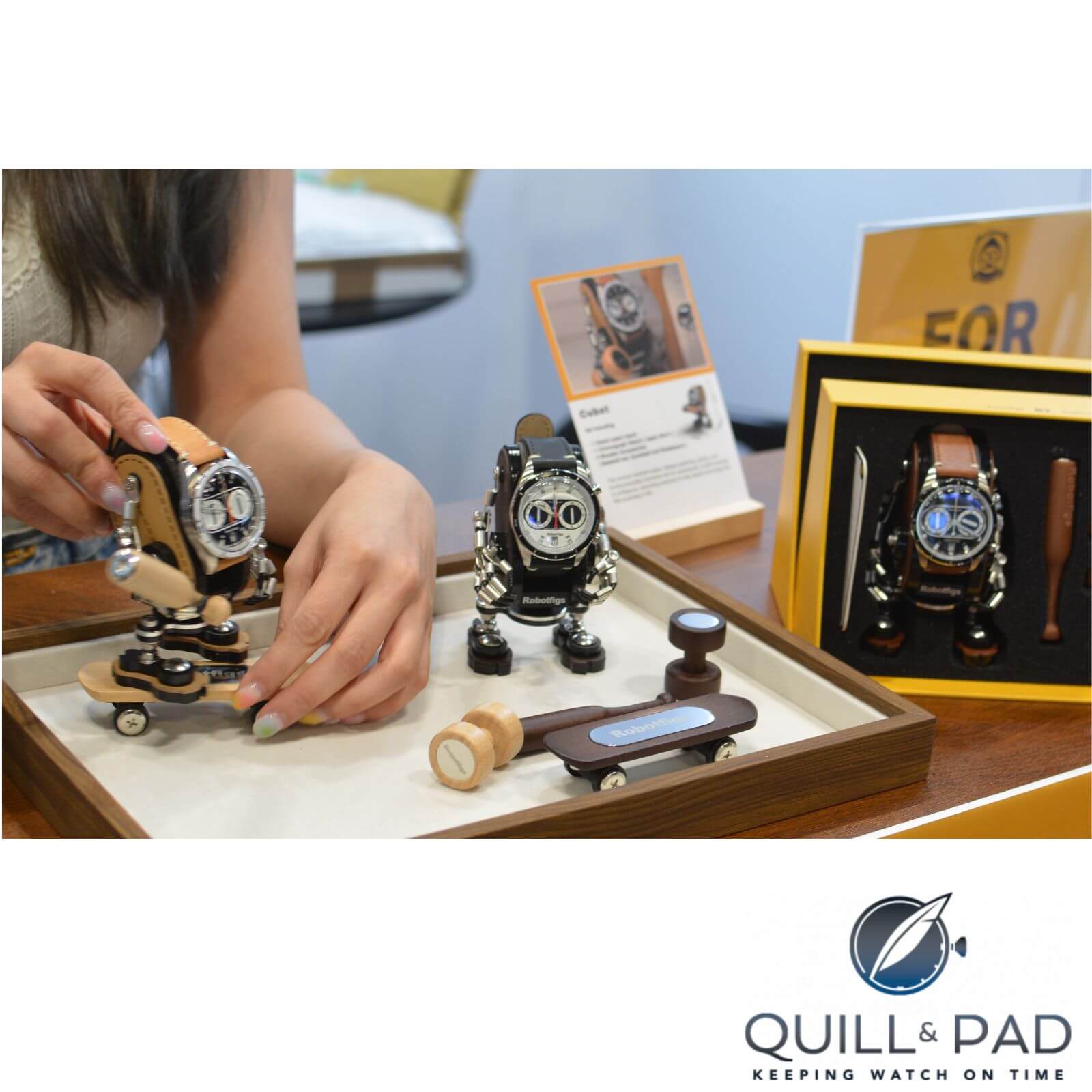
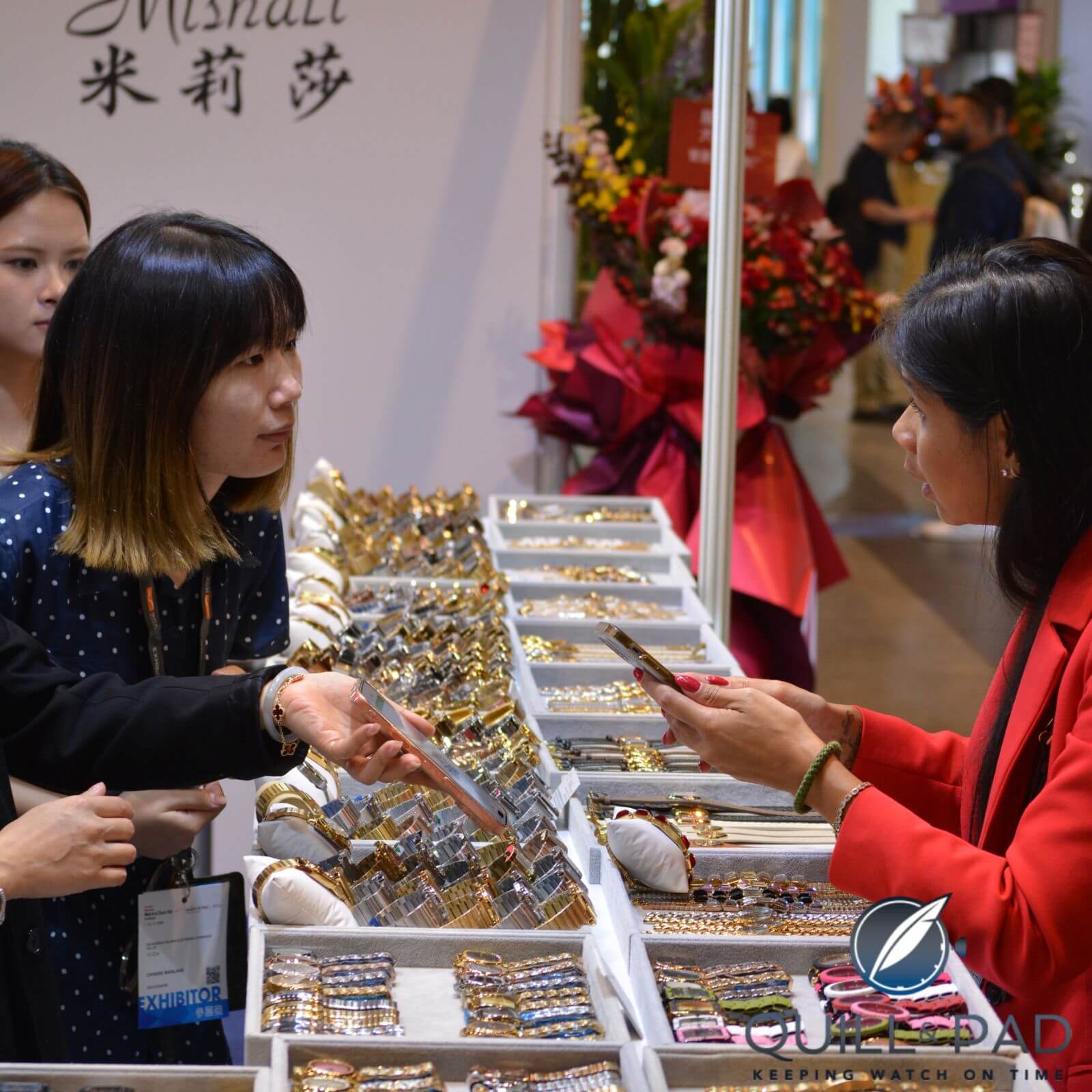
A key characteristic of the Hong Kong Watch & Clock Fair is its comprehensive representation of the industry’s intricate value chain. Visitors to the Convention Centre are met with a sprawling exhibition floor where the entire spectrum of watch production is on display. This is not merely a showcase for finished timepieces but a vital meeting point for suppliers, component manufacturers, and service providers. Small businesses specializing in watch peripherals—such as custom straps, intricate winders, and elegant display cases—stand shoulder-to-shoulder with industrial powerhouses like Peacock, a prominent movement manufacturer. The fair provides a unique opportunity to witness the symbiotic relationship between different facets of the industry, from toolmakers and sapphire crystal specialists to creators of imaginative packaging solutions and the extensive network of OEM/ODM companies.
These OEM/ODM enterprises, historically the backbone of Hong Kong and mainland China’s watch manufacturing prowess, are instrumental in producing customizable watches in volume for a global clientele. While this sector has been crucial in establishing the region as a manufacturing hub, the fair’s recent trajectory indicates a significant evolution. Three years ago, the dominant conversation revolved around white-label manufacturing and its role in producing cost-effective timepieces. Today, the emphasis has demonstrably shifted. The Salon de Time, a dedicated section of the fair, has become a focal point for brands to present their own identities and finished products, signaling a maturation of the Chinese watchmaking industry.
A Shift in Focus: From Production to Brand Building
This strategic pivot from pure manufacturing to brand-centric presentation is not incidental. Martin Ko, a veteran industry professional and wholesale distributor of Swiss microbrands like Berney and ZRC, with over three decades of experience, observes a profound transformation in Chinese watchmaking. "I’ve been in business for more than 30 years," Ko stated, "and there is a trend and a fact that they are really improving, be that the movement, the design, and the production quality."
Historically, Hong Kong and mainland China have been indispensable suppliers of high-quality components, including cases, bracelets, dials, and crowns, to many of the world’s top luxury watch brands. However, this supply chain is now extending beyond high-end labels, with medium-tier brands increasingly sourcing from Chinese factories. More significantly, Chinese enterprises are no longer content with merely fulfilling production orders for external clients. "They will start their own brand," Ko elaborates. "And I really see that they’re improving in design, creativity, and quality. That’s why they have the confidence to believe that this is the role for them to move on like this. It’s not only about doing production for the clients; this is more long-term for their own brand. They start to have their own distribution channel because the domestic market is very strong."
This burgeoning confidence and ambition are palpable at the fair, evidenced by the increasing number of Chinese brands showcasing their unique designs and product philosophies. The narrative has evolved from "made in China" to "designed and made in China," reflecting a growing sense of national pride and a drive for global recognition.
The Rise of Chinese Horological Creativity
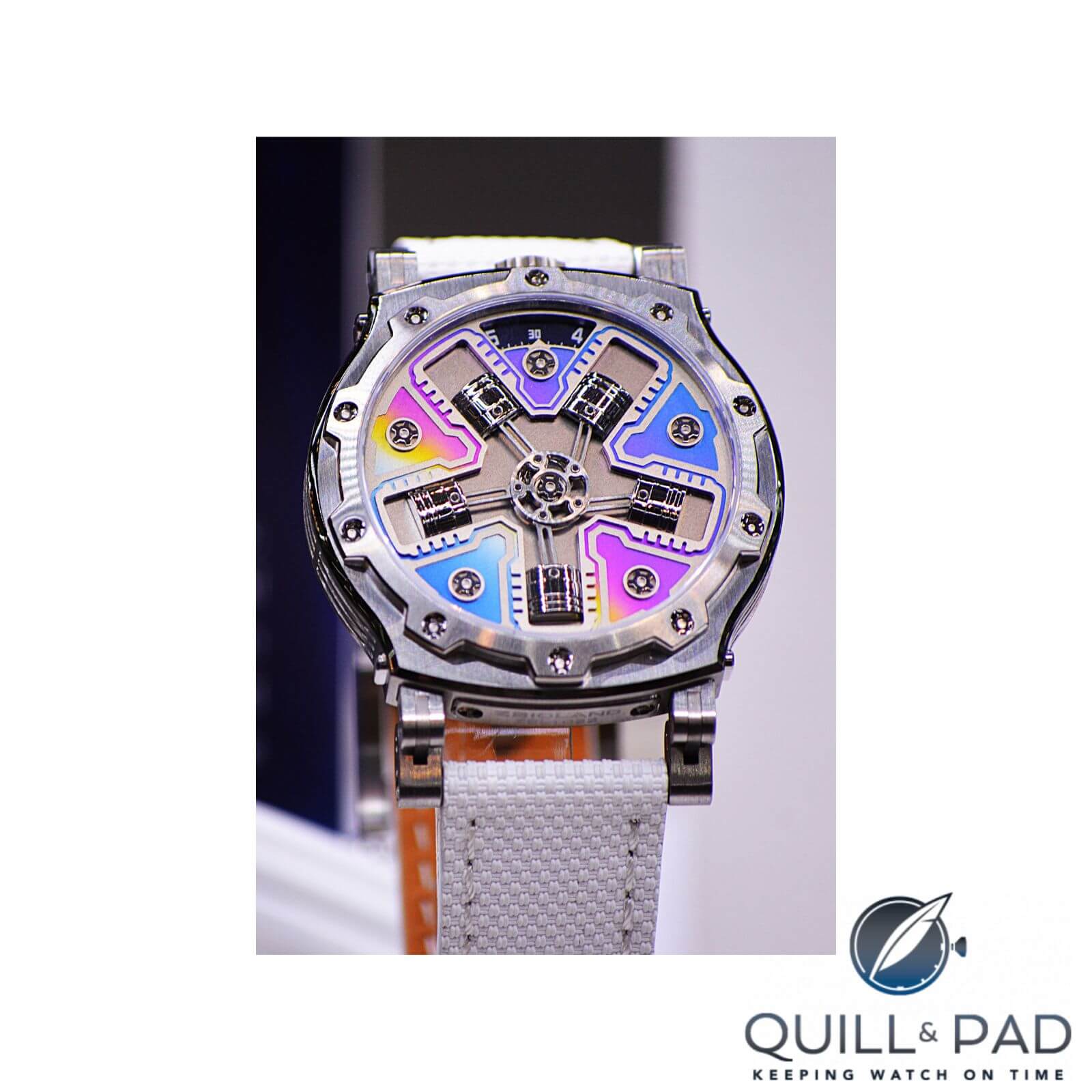
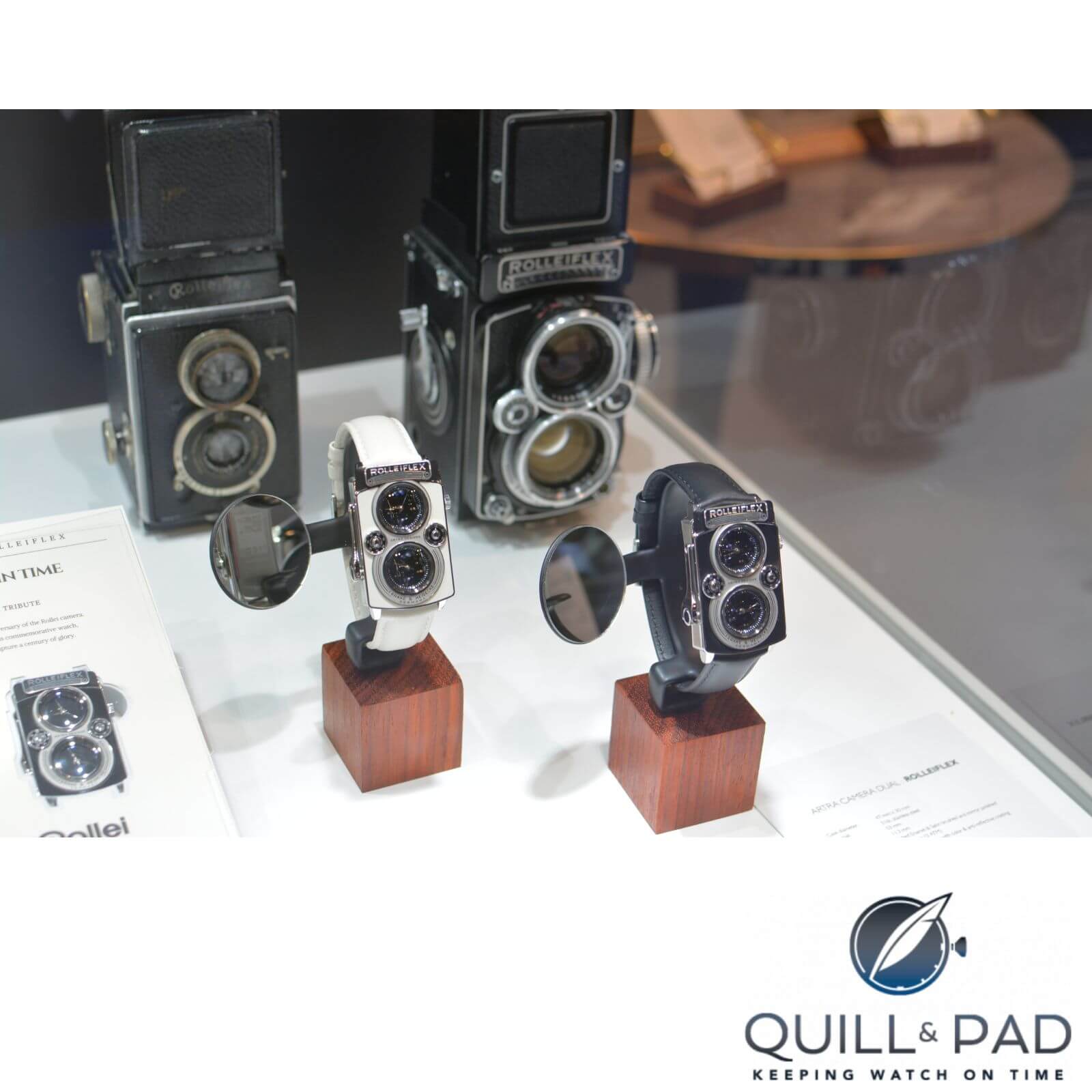
Two key factors are fueling the ascent of Chinese watchmaking beyond enhanced manufacturing capabilities, both prominently featured at the Hong Kong Watch & Clock Fair. The first is the surge of creativity emanating from a new generation of entrepreneurs who are prioritizing design as a core differentiator. Brands like Artra Designers, founded in 2018 by a collective of photographers, architects, and product designers in Hong Kong, exemplify this trend. Their "Camera One" watch, for instance, features an innovative shutter animation activated by the crown, with the bezel and flange displaying photography-related metrics like ISO values and shutter speeds. Their recent collaboration with Rolleiflex, celebrating the camera manufacturer’s centenary, ingeniously utilizes the iconic dual-lens design to represent different time-telling functions, a testament to creative problem-solving.
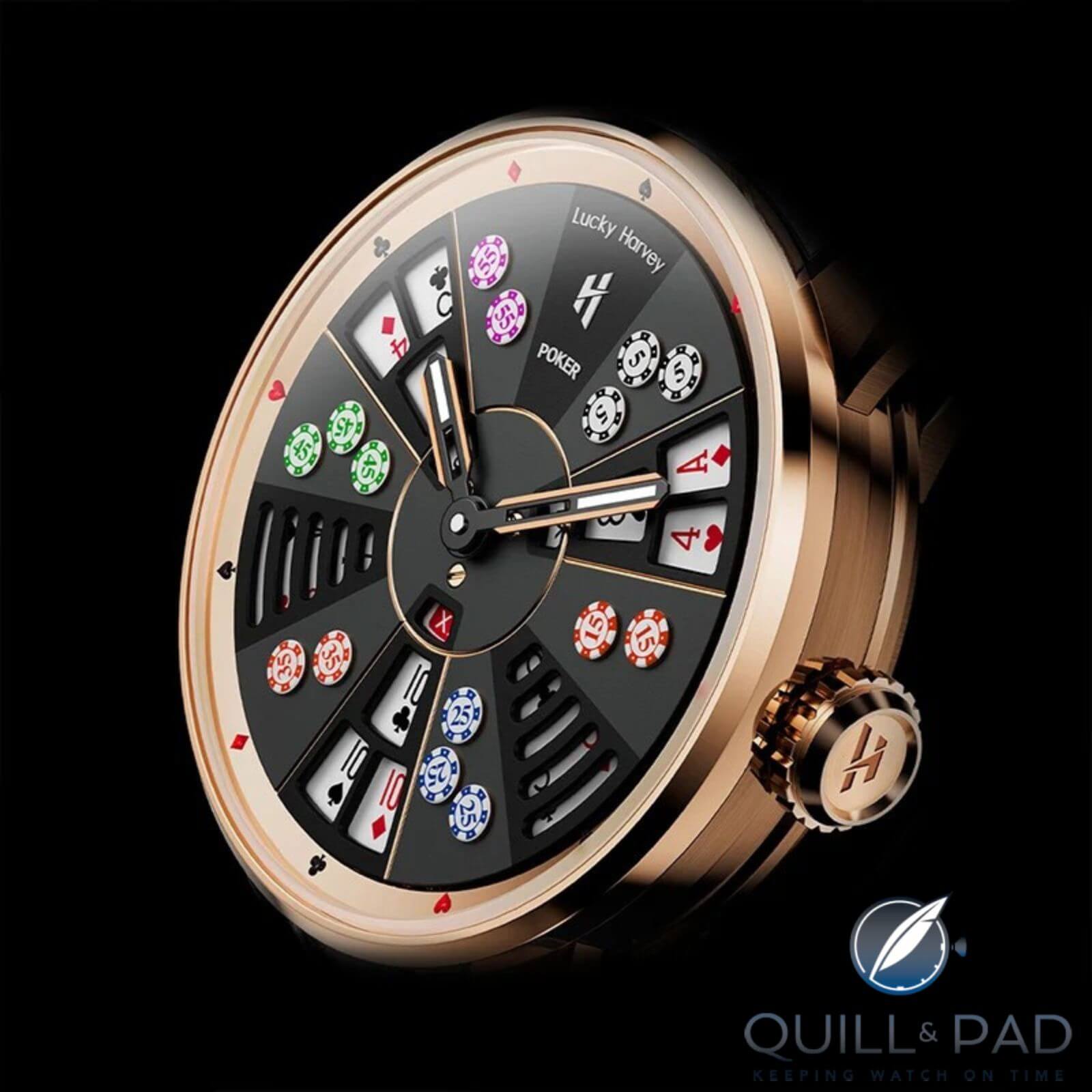
The fair also showcased a plethora of other brands injecting dynamism into the market. Lucky Harvey, for example, presents watches with engaging animations, such as a dragon releasing a pearl on the hour, a roulette wheel simulation, or an hour repeater. These creations, often available at accessible price points, underscore a commitment to offering unique consumer experiences alongside functional timekeeping.
The "Guochao" Phenomenon: A National Wave of Cultural Expression
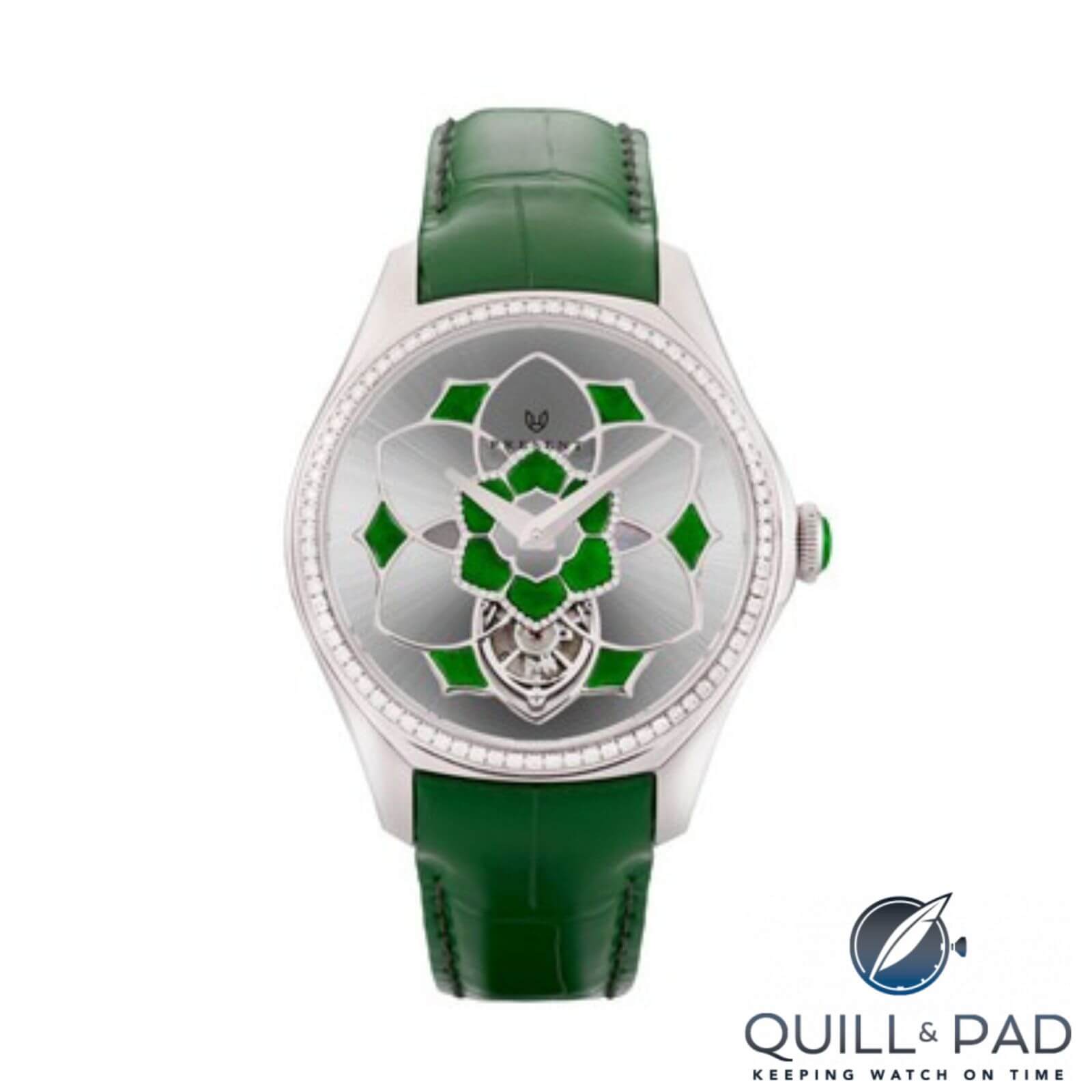
The second transformative element is the "guochao" trend, aptly translated as "national wave" or "China chic." This phenomenon, deeply rooted in contemporary Chinese culture, extends from streetwear to museums and signifies a burgeoning confidence in China’s own cultural heritage. In the watchmaking sphere, "guochao" translates into designs that celebrate Chinese identity, history, and aesthetics.
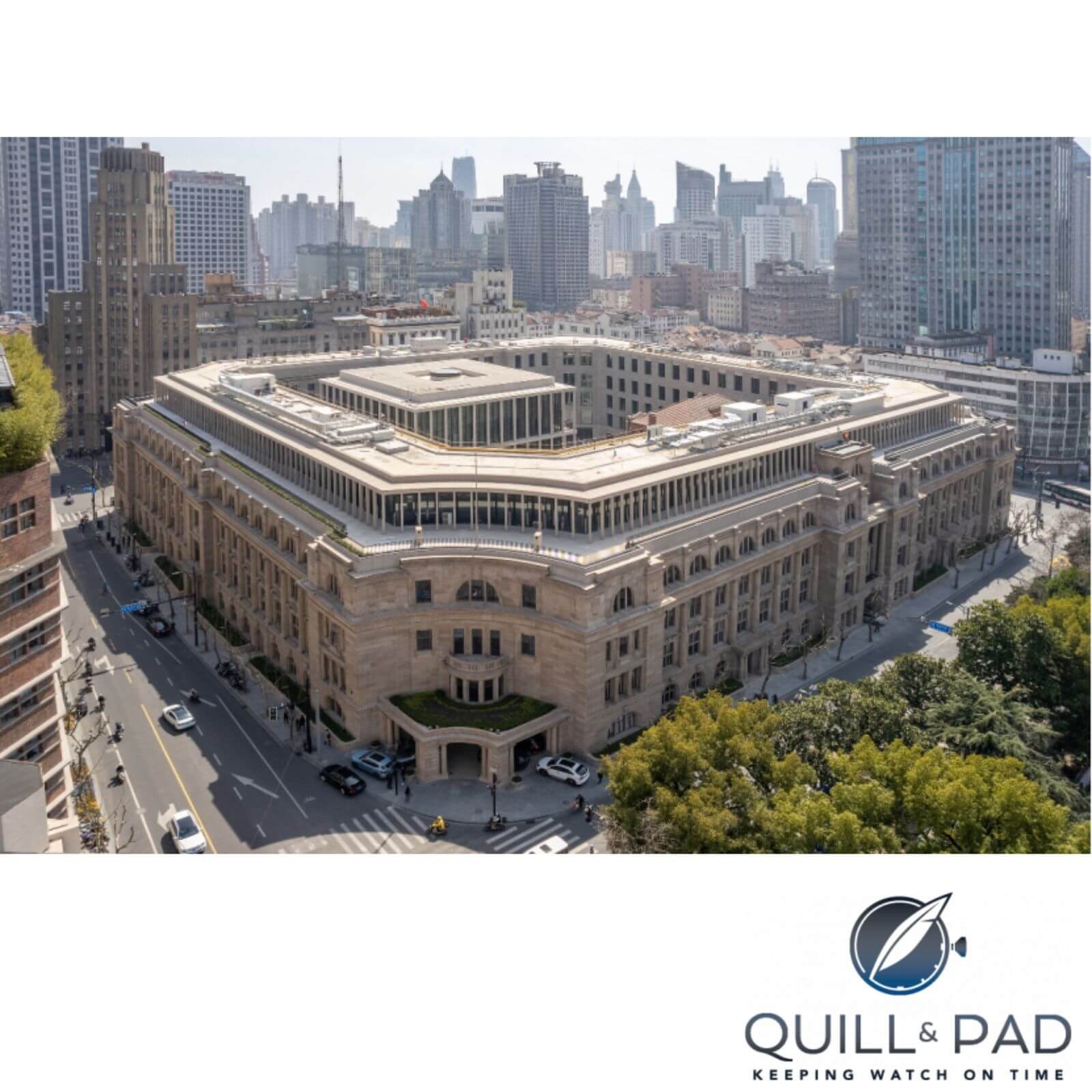
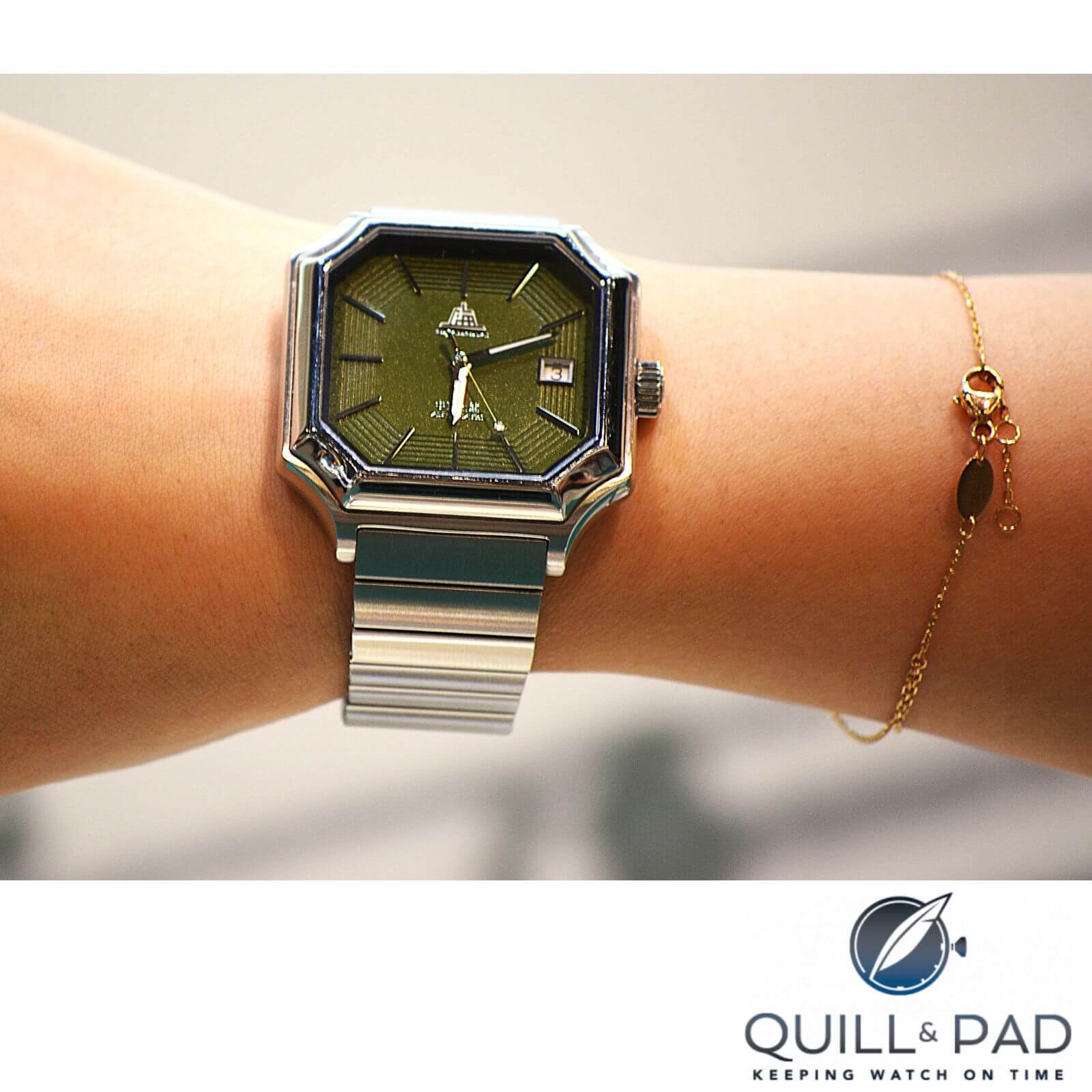
The Shanghai Watch, China’s oldest watch brand, established in 1955 following a national competition to produce the first truly Chinese timepiece, is a prime example. Historically known for its artistic pieces featuring traditional Chinese paintings, Shanghai Watch has recently embraced "guochao" with its "Originate" line. These watches not only celebrate the brand’s merger with Sea-Gull, a historical rival and significant movement manufacturer, but also pay homage to iconic Chinese landmarks. The latest model in the "Originate" line, for instance, draws inspiration from the recently restored old City Hall in Shanghai, with its distinctive indented corners influencing the watch’s design.
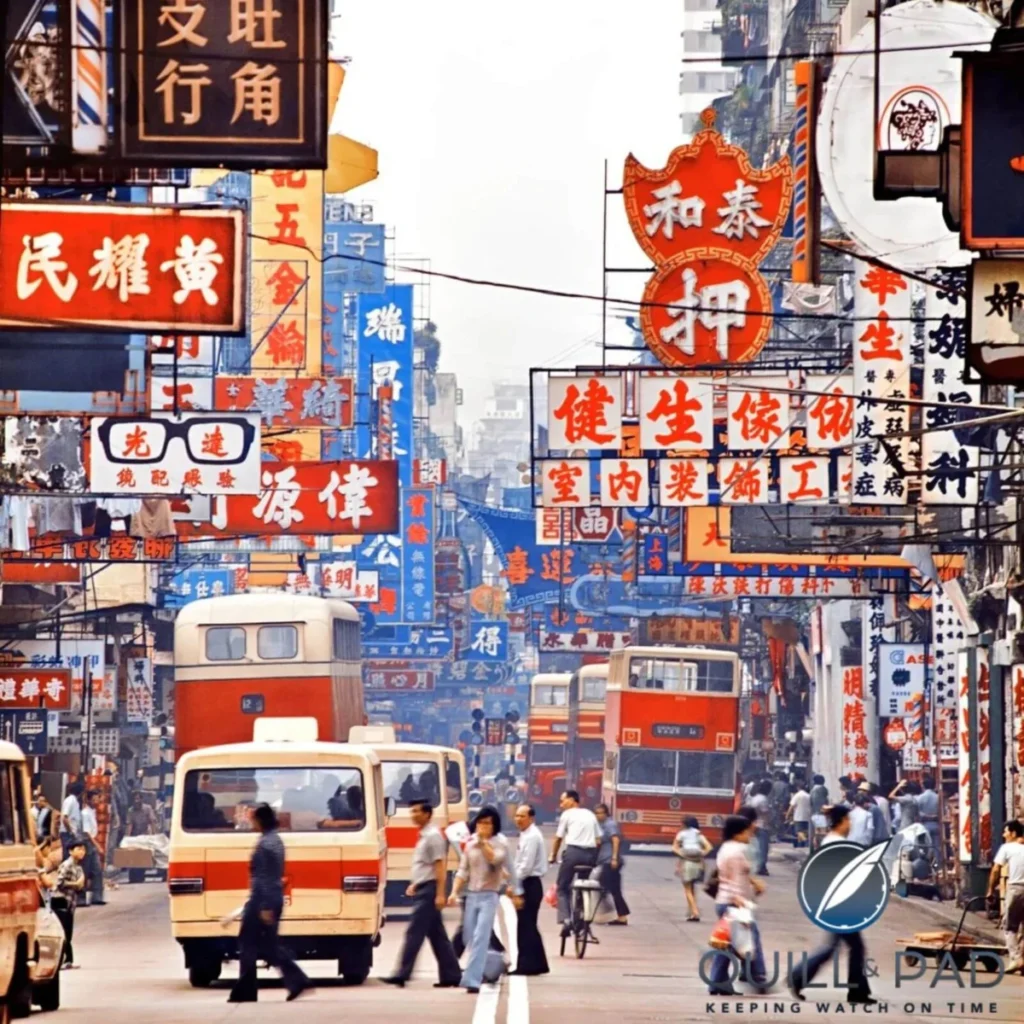
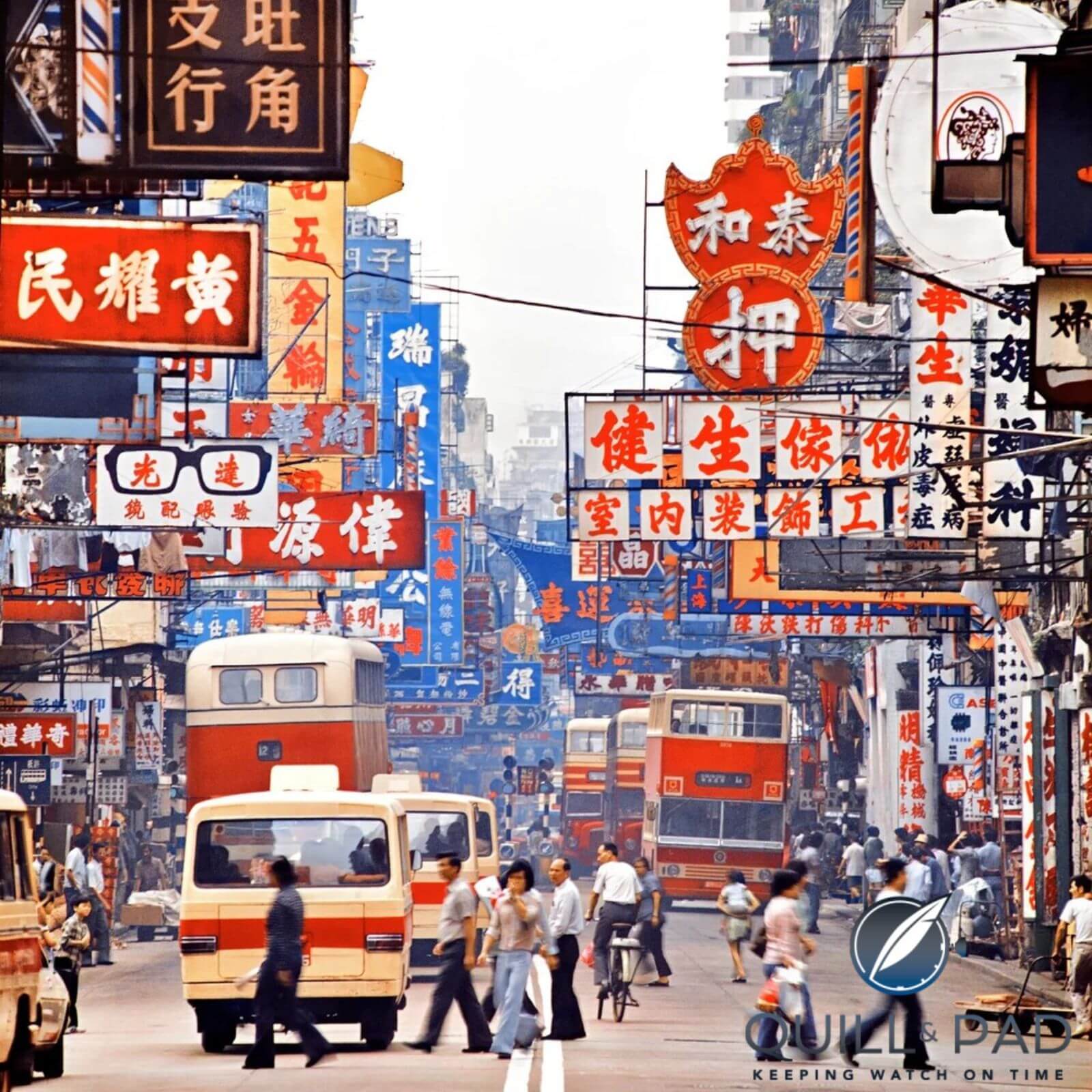
Other brands are subtly integrating Chinese cultural elements. Thomas Lee, founder of Aision, was inspired by the vibrant street signs of 1960s Hong Kong, incorporating their unique font for the numerals on his latest model, presented on a sector dial. Hipine, discovered in a less prominent section of the Salon de Time, features a watch with lateral disks for time indication, adorned with a replica of the Beijing Palace, further demonstrating the diverse interpretations of "guochao."
Influencers, Innovation, and "Stand-Around Advertising"
The Hong Kong Watch & Clock Fair has also embraced the burgeoning influencer economy, transforming parts of the exhibition floor into dynamic content creation zones. Content creators, equipped with ring lights and gimbals, set up mini-studios to livestream presentations for their followers. This vibrant ecosystem, characterized by enthusiastic oratory and engaging demonstrations, offers a modern approach to product promotion, a stark contrast to the more traditional marketing strategies seen in the European watch world.
One influencer highlighted the brand Boderry, founded by Gary, which offers affordable field watches with specialized "survival" straps integrated with tools like a whistle, a tiny saw, and ropes. This approach aligns perfectly with the fair’s inclusive and experimental spirit, catering to a broad audience seeking both functionality and affordability.
The energy at the fair reached a crescendo at times, with the Salon de Time stage becoming a focal point for entertainment. The appearance of local singer Vic Teo, promoting a tourbillon watch, the "FaLa La," jointly developed with the local brand Memorigin, transformed the trade event into something akin to a rock concert. This fusion of horology with pop culture underscores the fair’s commitment to pushing boundaries and engaging audiences in novel ways. While this trend may be a novel addition rather than the definitive future of watch fairs, it undeniably ensures that the Hong Kong Watch & Clock Fair remains an event that is never dull.
A Democratic Arena in a Global Context
The Hong Kong Watch & Clock Fair consistently distinguishes itself as a more democratic and accessible event compared to its European counterparts. It fosters an environment with "elbow room" rather than exclusive "velvet ropes." This palpable difference was evident when contrasted with the Swiss Independent Watch Pavilion, which maintained a more traditional, sober, and meticulously curated presentation. The pavilion, featuring fourteen independent brands, served as a reminder of the pinnacle of industry achievement when detailed craftsmanship and meticulous execution are paramount.
Despite the growing popularity of Chinese-made watches among local buyers, there remains a strong appreciation for the intricate craftsmanship of mechanical watches among Asian consumers. Tamdi Chonge Foster, owner of Epos, noted this enduring respect, suggesting continued market opportunities. Data presented at the Asian Watch Forum by Prudence Lai, senior consultant for Euromonitor, further supports this outlook. Despite economic uncertainties, the demand for watches, particularly in emerging markets like India and the Philippines, continues to grow, fueled by rising prosperity.
The Hong Kong Watch & Clock Fair, therefore, serves as a critical barometer for the global watch industry. It is a place where deals are forged, components are sourced, crucial connections are made, and, most importantly, watches are sold, reflecting the dynamic and ever-evolving nature of horology in the 21st century. The event not only showcases current trends but also offers insights into future directions, demonstrating the resilience and innovative spirit driving the industry forward.