The recent Q3 earnings call for Tesla, a company synonymous with ambitious technological advancements, has once again brought into sharp focus the persistent delays surrounding its flagship Full Self-Driving (FSD) software and the highly anticipated Optimus humanoid robot. While investors and enthusiasts have grown accustomed to staggered timelines for these flagship projects, the latest update suggests that FSD remains at least six months away from widespread availability, a projection that has become a recurring theme for what feels like the better part of a decade. Simultaneously, the Optimus robot, despite ongoing development, has yet to demonstrate capabilities that would suggest a significant leap towards mass production or practical application in the immediate future. In contrast to these internal timelines, the broader electric vehicle (EV) ecosystem is witnessing a surge of genuine innovation in charging infrastructure, with established automotive players like Porsche and BMW, alongside industrial giants like Liebherr, introducing solutions designed to significantly accelerate charging times and alleviate range anxiety for EV owners.
Full Self-Driving: A Moving Target
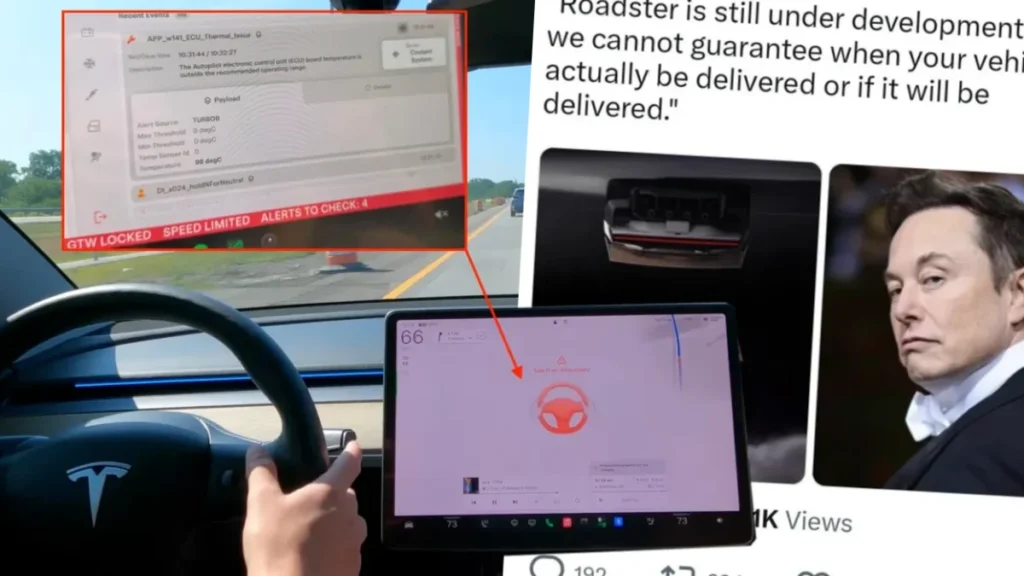
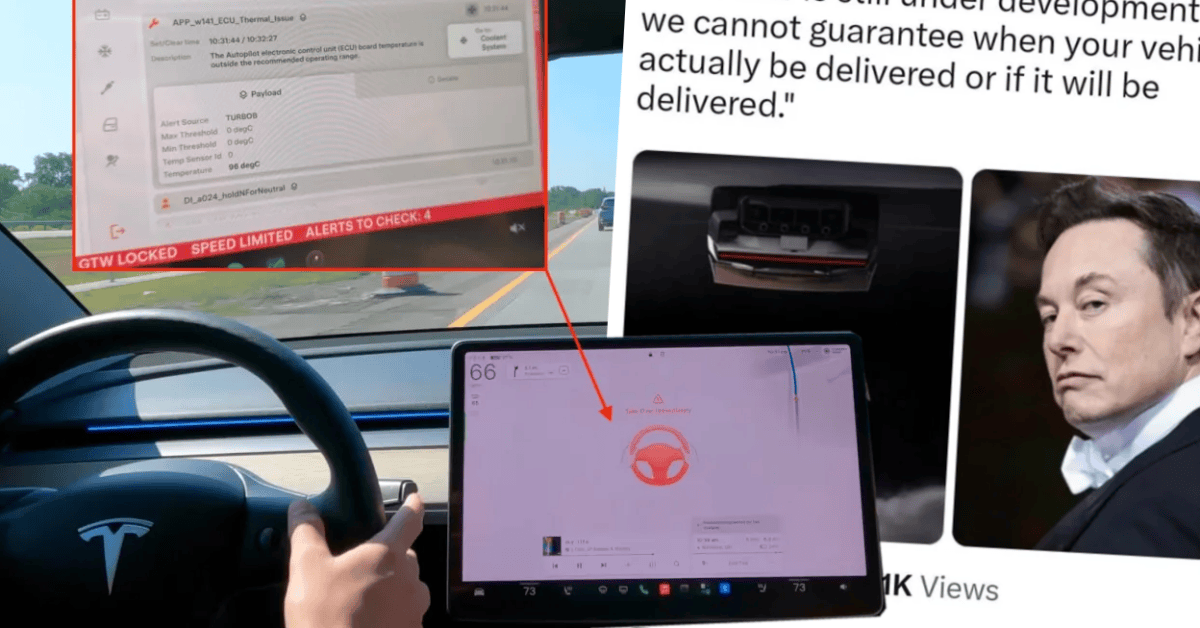
Tesla’s Full Self-Driving (FSD) software has been a subject of intense scrutiny and anticipation for years. Initially envisioned as a fully autonomous driving system, its rollout has been punctuated by beta programs, feature updates, and repeated assurances of imminent full functionality. During the Q3 earnings call, the company reiterated its commitment to FSD’s development, but the projected timeline for its release beyond the current beta phase remains fluid. Analysts and industry observers have noted that the "at least six months away" prediction has been a consistent refrain, leading to skepticism about the pace of progress.
The technical challenges of achieving true Level 4 or Level 5 autonomy in diverse real-world conditions are immense. These include navigating unpredictable urban environments, handling adverse weather, and ensuring robust safety protocols. While Tesla has amassed a significant amount of real-world driving data through its FSD beta program, translating this data into a universally deployable and reliable system requires overcoming complex artificial intelligence and machine learning hurdles. The company’s approach, relying heavily on vision-based systems and neural networks, contrasts with some competitors who are also exploring lidar and radar integration for enhanced perception.
The implications of these ongoing delays extend beyond mere product launch schedules. They impact Tesla’s brand perception, its competitive positioning, and the financial projections tied to its ambitious autonomous driving aspirations. Investors have often factored the potential revenue streams from FSD subscriptions and robotaxi services into their valuations, and continuous delays can temper these expectations. Furthermore, regulatory bodies worldwide are closely monitoring the development and deployment of autonomous driving technology, and any perceived shortcomings in safety or reliability could lead to stricter oversight and approval processes.
The Optimus Robot: Promising Potential, Unclear Timelines
The Optimus humanoid robot, also known as Tesla Bot, represents another frontier for the company, aiming to bring AI-powered robotics into practical applications. While Elon Musk has articulated a vision for Optimus as a versatile assistant capable of performing a wide range of tasks, its current developmental stage appears to be more akin to an early-stage prototype. The company has showcased demonstrations of the robot performing relatively simple tasks, such as walking and manipulating objects, but the sophistication required for widespread commercial use, such as in manufacturing or logistics, is still a significant distance away.
The comparison to "Ricky Bobby impression," a character known for his often comically overconfident and ill-fated attempts at speed, hints at the perceived disparity between the robot’s ambitious goals and its current performance. Developing a humanoid robot that can safely and efficiently navigate complex environments, perform intricate tasks, and interact with humans requires breakthroughs in areas like dexterity, balance, power efficiency, and human-robot interaction.
The economic implications of a successful humanoid robot are vast, potentially revolutionizing labor markets and manufacturing processes. However, the timeline for Optimus to reach a point where it can significantly contribute to Tesla’s bottom line or become a widely adopted product remains highly speculative. The company’s focus on AI development for its vehicles could potentially cross-pollinate with Optimus’s needs, but the unique challenges of physical robotics add another layer of complexity.
EV Charging Innovation: A Race Towards Convenience
In stark contrast to the internal development timelines at Tesla, the broader EV charging landscape is experiencing a rapid evolution driven by a collaborative spirit and a clear focus on user experience. The Q3 earnings call discussion of Tesla’s internal projects stands in parallel with significant advancements from other industry leaders aimed at directly addressing the pain points of EV charging.
Porsche and BMW: Accelerating the Charge
Porsche, a luxury automaker deeply invested in electrification, has been at the forefront of high-power charging solutions. Their Taycan model, for instance, was engineered to accept charging speeds that were among the fastest available at its launch. This focus on rapid charging is crucial for making EVs a more practical alternative to gasoline-powered vehicles, especially for long-distance travel. Porsche’s commitment to developing robust charging infrastructure, often in partnership with charging network providers, aims to ensure that their performance-oriented EVs can be replenished quickly and conveniently.

BMW has also been actively involved in advancing EV charging technology. Their strategy often involves a multi-pronged approach, including increasing the charging speed capabilities of their vehicles and investing in the expansion of charging networks. The company has explored various charging solutions, from faster AC charging to DC fast charging, and has emphasized the importance of seamless integration with charging services and apps to enhance the user experience.
Liebherr: Powering Up the Future
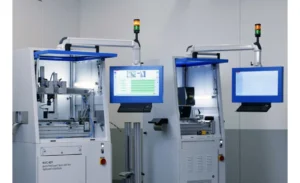
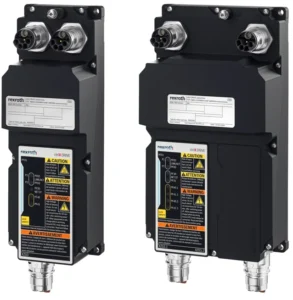
The inclusion of Liebherr, an industrial giant known for its heavy machinery and engineering expertise, in the conversation around EV charging innovation is particularly noteworthy. This suggests a move beyond traditional automotive manufacturers and a broader industrial embrace of electrification. Liebherr’s involvement could translate into the development of more robust, high-capacity charging solutions, potentially for commercial fleets, industrial sites, or even large-scale public charging hubs. Their engineering prowess could lead to more durable, efficient, and scalable charging infrastructure that addresses the demands of a rapidly growing EV market.
The collective efforts of these companies are focused on a common goal: to eliminate range anxiety and make EV ownership as convenient as, if not more convenient than, owning a traditional internal combustion engine vehicle. This involves not only increasing the speed of charging but also expanding the availability of charging stations, improving their reliability, and simplifying the payment and authentication processes.
Data-Driven Progress in Charging
The trend towards faster charging is supported by significant technological advancements. Lithium-ion battery technology continues to improve, allowing for higher charging rates without compromising battery longevity. Battery management systems are becoming more sophisticated, optimizing the charging process to balance speed with battery health. Furthermore, the development of higher-voltage charging architectures, such as 800-volt systems, allows for significantly faster charging times. For example, a vehicle capable of charging at 350 kW can potentially add hundreds of miles of range in under 30 minutes, a stark contrast to the hours it might take with older, slower charging technologies.
The growth of charging infrastructure is also a critical component. According to various industry reports, the number of public charging points globally has been steadily increasing. However, the distribution and accessibility of these chargers remain a challenge, particularly in rural areas or underserved communities. Innovations in smart charging, which allow charging to be managed and optimized based on grid load and electricity prices, are also becoming increasingly important for integrating EVs into the energy ecosystem.

Analysis and Implications
The juxtaposition of Tesla’s internal development delays with the external acceleration in charging innovation highlights a critical dynamic in the EV industry. While Tesla has been a trailblazer in pushing the boundaries of automotive technology, particularly with its focus on software and autonomy, the practical challenges of delivering on ambitious timelines are becoming increasingly apparent. The company’s continued reliance on vision-only FSD, while potentially groundbreaking, faces significant hurdles in achieving the robustness required for full autonomy.
Conversely, the concerted efforts of established automakers and industrial players in the charging space signal a mature market that is prioritizing tangible improvements in user convenience and infrastructure. This collaborative approach, involving partnerships and a shared understanding of the need for rapid charging solutions, is likely to have a more immediate and widespread impact on EV adoption. The success of these charging innovations could, in turn, create a more favorable environment for all EV manufacturers, including Tesla, by reducing a key barrier to entry for consumers.
The ongoing evolution of EV charging technology is not just about speed; it’s about accessibility, reliability, and integration into the broader energy landscape. As battery technology, charging hardware, and smart grid solutions continue to advance, the dream of seamless, ubiquitous, and rapid EV charging is becoming an increasingly attainable reality. This progress stands as a testament to the industry’s collective drive to accelerate the transition to sustainable transportation, a transition that will ultimately benefit consumers and the planet. The coming years will likely see continued innovation in both vehicle technology and the critical infrastructure that powers it, shaping the future of mobility.