The integration of computer science into the standard K-12 curriculum has moved from a peripheral elective to a central pillar of modern pedagogical strategy. In Albert Lea, Minnesota, two educators, Mark Nechanicky and Taryn Israel Nechanicky, have become focal points in this transition by implementing "Experience CS," a free, cross-curricular resource developed by the Raspberry Pi Foundation. This initiative seeks to bridge the gap between technical skill acquisition and core academic subjects, such as mathematics, science, and language arts. By embedding computational thinking into traditional lessons, these educators are reporting significant shifts in student engagement, creative expression, and classroom leadership dynamics.
The Experience CS program is designed to provide teachers with scaffolded, ready-to-use resources that do not require an extensive background in software engineering. This approach addresses one of the primary hurdles in national computer science education: the shortage of specialized instructors and the lack of time in the existing school day to add new, standalone subjects. By weaving programming into existing state-mandated content, the program allows schools to meet academic standards while simultaneously preparing students for a digital workforce.
The Evolution of Cross-Curricular Computing
The collaboration between the Albert Lea educators and the Raspberry Pi Foundation began in earnest during the fall of the previous academic year. At that time, Mark and Taryn Nechanicky met with curriculum developers to discuss the practical realities of the modern classroom. The primary challenges identified were time constraints and the rigorous requirements of core content areas. However, the subsequent implementation of the Experience CS units provided a case study in how these constraints could be overcome through integrated learning.
The pedagogy behind Experience CS is rooted in "constructionism," a theory suggesting that learners are most likely to find success when they are actively making tangible objects or projects. Using Scratch—a block-based visual programming language developed by the MIT Media Lab—students are able to manipulate "sprites" and code logic without the steep learning curve of syntax-heavy languages like Python or C++. This allows third and fourth-grade students to focus on the underlying logic of algorithms and variables while applying them to subjects like meteorology or multiplication.
Case Studies in Classroom Innovation: Weather Watchers and Digit Dash
The impact of this integrated approach is most visible in specific units such as "Weather Watchers," designed for third-grade students (ages 8–9). This unit requires students to collect weather data and represent that data through digital picture graphs. In Taryn Nechanicky’s classroom, the introduction of coding was met with high levels of student enthusiasm, which she attributed to the element of "student agency."
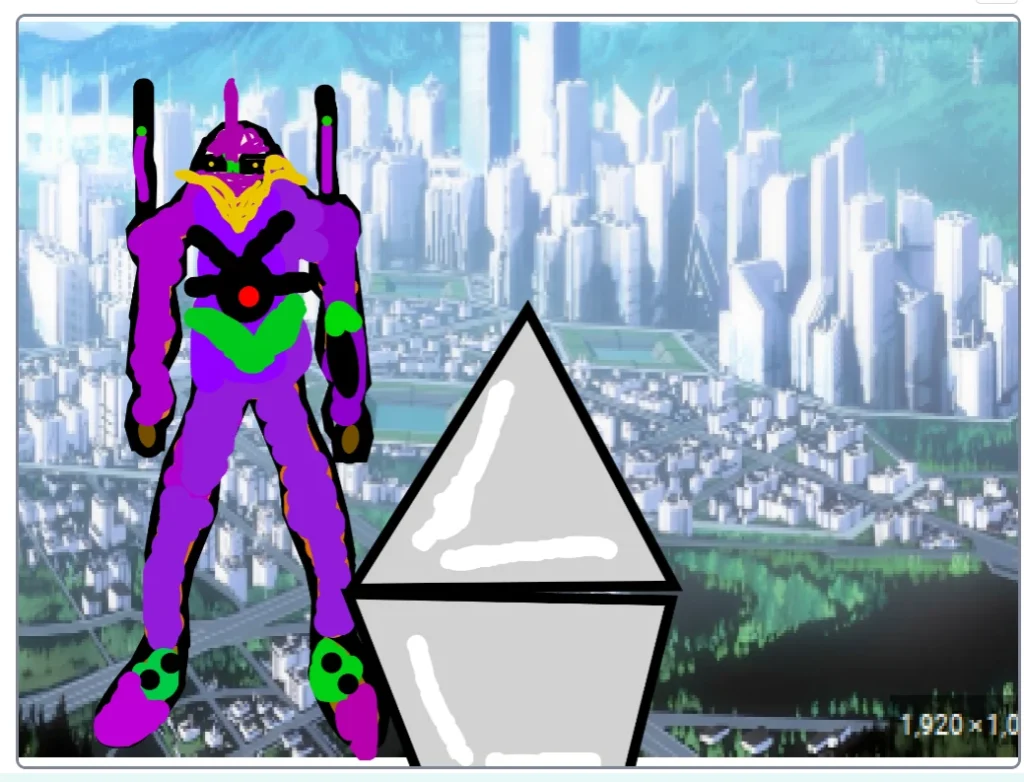
In one instance, a student utilized the creative flexibility of the platform to import a personal image of her dog, Chewy, into her weather program as a sprite. This act of personalization transformed a standard data-entry exercise into a meaningful creative project. Furthermore, when Mark Nechanicky’s students found that the standard "Weather Watchers" kit lacked a specific sprite for a tornado, they utilized problem-solving skills to design their own. This demonstrated that the curriculum encourages students to move beyond following step-by-step instructions toward becoming independent designers.
In the fourth-grade unit "Digit Dash," which focuses on multiplication fluency and game design, students were introduced to the concept of "variables." Variables are a fundamental concept in both computer science and high-level mathematics. By using variables to track scores in a game they built themselves, students gained a practical, hands-on understanding of how abstract mathematical concepts function in real-world applications.
Inclusivity and the Redistribution of Classroom Leadership
One of the most significant findings from the Albert Lea implementation is the way computer science integration fosters leadership among non-traditional students. Mark Nechanicky observed that because coding is a new experience for nearly all students, it effectively levels the playing field. This "blank slate" environment allows students with Individualized Education Plans (IEPs), English Language Learners (ELL), and those who may struggle in traditional lecture-based settings to excel.
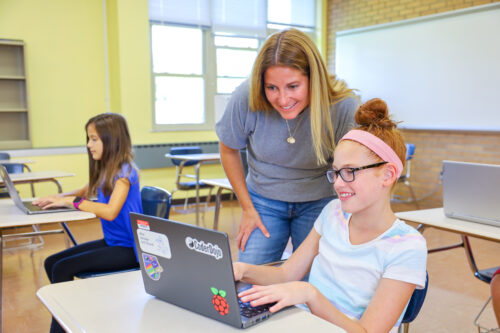
Nechanicky noted that introverted students often emerged as the "class experts." In one case, a student who was typically quiet was the first to master the use of variables in the "Digit Dash" unit. This student subsequently became a mentor to his peers, modeling the code for the rest of the class. This shift in classroom dynamics suggests that integrated computer science can be a powerful tool for social-emotional learning and confidence building, providing a platform for diverse learners to showcase their problem-solving abilities.
National Context and Data on Computer Science Education
The efforts in Albert Lea reflect a broader national trend in the United States. According to the 2023 State of Computer Science Education report, while 57.5% of high schools now offer foundational computer science, access remains lower in elementary and middle schools. Furthermore, significant disparities persist based on geography and socioeconomic status. Free resources like Experience CS are critical in addressing these inequities by providing high-quality materials to districts that may not have the budget for expensive proprietary software or specialized training.
Data from the Computer Science Teachers Association (CSTA) suggests that integrated CS (where coding is taught within other subjects) is one of the most effective ways to ensure all students receive exposure to these skills before they reach high school, where elective choices often reflect existing gender and racial gaps in STEM. By introducing these concepts in the third and fourth grades, educators can help demystify technology for all students, potentially narrowing the diversity gap in the tech industry in the long term.
The CSTA Annual Conference and Professional Development
The findings from the Albert Lea classrooms are set to be presented at the Computer Science Teachers Association (CSTA) Annual Conference in New Orleans, Louisiana. On July 17, Mark and Taryn Nechanicky, along with representatives from the Raspberry Pi Foundation, will lead a breakout session titled "Foster Student Engagement, Confidence, and Collaboration through Integrated CS."
The CSTA conference is a premier event for K-12 computer science educators, attracting thousands of attendees from across the globe. The presentation will provide a deep dive into the "Experience CS" units, including "Weather Watchers," "Logic and Lore," "Picture This!", and "Digit Dash." The goal of the session is to provide other educators with a roadmap for overcoming the systemic barriers to CS integration. By sharing first-hand accounts of student success and the specific "work-arounds" used to fit these lessons into a busy school day, the presenters hope to inspire a wider adoption of cross-curricular computing.
Chronology of the Experience CS Implementation
- Summer/Early Fall: The Raspberry Pi Foundation develops and refines the Experience CS curriculum, focusing on scaffolded learning and alignment with national standards.
- Fall Meeting: Mark and Taryn Nechanicky meet with the Foundation to discuss the integration of these resources into the Albert Lea school district, identifying time and core content requirements as primary hurdles.
- Winter/Spring Implementation: The teachers deploy units like "Weather Watchers" and "Digit Dash" in their classrooms. Students begin showing signs of increased agency and the emergence of new classroom leaders.
- Curriculum Refinement: Based on feedback from Mark’s class regarding the need for more diverse sprites (e.g., the tornado), the curriculum is adjusted to allow for greater creative customization.
- July 17: The official presentation of these findings at the CSTA conference in New Orleans, marking a transition from local implementation to national advocacy.
Broader Implications for the Future of Education
The success of the Experience CS program in Minnesota highlights a shift in the definition of "literacy." In the 21st century, the ability to understand and manipulate digital systems is becoming as fundamental as reading and basic arithmetic. However, the goal of integrated CS is not necessarily to turn every student into a professional software developer. Instead, it is to provide them with "computational thinking" skills—decomposition, pattern recognition, abstraction, and algorithmic design—that are applicable across all professional fields.
For school districts, the Albert Lea model offers a cost-effective and scalable solution to the CS mandate. By utilizing free, high-quality resources and focusing on teacher empowerment, districts can provide a robust STEM education without the need for massive capital investment. As the educational landscape continues to evolve, the integration of computer science into the fabric of general education appears to be a necessary step in preparing the next generation for an increasingly complex and automated world.
The upcoming session in New Orleans will likely serve as a catalyst for further discussion on how to maintain the "joy in learning" that Taryn Nechanicky observed, ensuring that as computer science becomes a standard part of the school day, it remains a space for play, creativity, and student-led discovery.