A groundbreaking study published in Nature Biomedical Engineering heralds a significant advancement in the treatment of esophageal diseases, a cluster of conditions that profoundly impact millions globally. Researchers from MIT, Brigham and Women’s Hospital, and the Broad Institute of MIT and Harvard have engineered a novel drug delivery platform designed to directly target esophageal tissue, thereby enhancing therapeutic efficacy and substantially reducing the systemic side effects associated with conventional treatments. This innovation addresses a long-standing challenge in gastroenterology: the precise and sustained delivery of medication to the esophagus, a highly sensitive and anatomically complex organ.
The lead researcher behind this transformative work is Giovanni Traverso, an associate professor of mechanical engineering at MIT, a distinguished gastroenterologist at Brigham and Women’s Hospital, and an associate member of the Broad Institute of MIT and Harvard. Traverso, who served as the senior author of the study, articulated the pressing need for such a platform: "There are many people with esophageal disease, and if you look at drugs for these conditions, they’re very limited in their ability to target this part of the body and it’s very difficult to develop them. We hope this platform will make it easier to develop systems that can help patients suffering from these conditions." The paper’s lead author is Christina Karavasili, a former MIT postdoc who is now an assistant professor at Aristotle University of Thessaloniki in Greece.
The Pervasive Challenge of Esophageal Disorders
Esophageal diseases encompass a wide spectrum of conditions, ranging from inflammatory disorders to motility issues and even pre-cancerous states. One of the most common and debilitating is eosinophilic esophagitis (EoE), a chronic inflammatory condition triggered by food allergies. EoE causes inflammation and scarring of the esophagus, leading to strictures that make swallowing excruciatingly difficult, often necessitating dietary restrictions and frequent medical interventions. The global prevalence of EoE is on the rise, affecting an estimated 1 in 2,000 people, with recent epidemiological data suggesting an increasing incidence across various populations. Other conditions, such as Crohn’s disease, an inflammatory bowel disease, can also manifest with inflammation of the esophagus, contributing to a broader burden of esophageal pathology. Gastroesophageal reflux disease (GERD), while primarily treated with acid suppressants, can also lead to severe inflammation (erosive esophagitis) and, in some cases, a pre-cancerous condition known as Barrett’s esophagus, further highlighting the need for targeted interventions.
Current therapeutic approaches for inflammatory esophageal disorders often involve systemic medications. For instance, infliximab, a monoclonal antibody that neutralizes tumor necrosis factor-alpha (TNF-alpha), a potent inflammatory protein, is a cornerstone treatment for various inflammatory conditions, including some forms of esophagitis. While effective, systemic administration of infliximab comes with a significant drawback: it is an immunosuppressant. This broad suppression of the immune system can leave patients vulnerable to severe infections, opportunistic pathogens, and other serious health complications, significantly impacting their quality of life and necessitating close medical monitoring. The therapeutic index, balancing efficacy with safety, becomes a critical concern.
The alternative of delivering drugs directly to the esophageal tissue has long been a medical aspiration, but it is fraught with inherent difficulties. The esophagus is a dynamic organ, with orally administered drugs passing through it rapidly, offering minimal contact time for absorption. Furthermore, its inner lining, the stratified squamous epithelium, acts as a formidable barrier, designed to protect against mechanical and chemical insults, making it largely impermeable to drug molecules. This anatomical and physiological reality means that even if a drug could linger in the esophagus, penetrating this protective layer efficiently remains a major hurdle.
Other localized delivery methods have also faced limitations. Injecting drugs directly into the esophageal tissue, for example, requires an endoscopic procedure, which is uncomfortable and inconvenient for patients, demanding repeated visits to a doctor’s office. While some anti-inflammatory steroid drugs are formulated as viscous mixtures (e.g., budesonide oral viscous slurry) to increase their residence time in the esophagus, they still struggle to effectively permeate the impermeable squamous epithelial layer, limiting their therapeutic potential and often requiring higher doses. This complex interplay of anatomical barriers, physiological transit, and systemic side effects has created a significant unmet clinical need for novel drug delivery strategies.
The Development of a Novel Permeability-Enhancing Platform
Recognizing these formidable challenges, the research team embarked on developing new drug formulations that could overcome the esophageal barrier. Their objective was to incorporate molecules capable of temporarily increasing the permeability of esophageal cells, thereby facilitating greater drug absorption. The journey began with the creation of an innovative screening system designed to accurately mimic the human esophagus. This sophisticated in vitro model consisted of esophageal tissue pressed between two vertical plates. Drug formulations could be introduced at the top, simulating oral ingestion, allowing researchers to precisely measure the amount of drug that permeated the tissue and was collected in wells below. This high-throughput system proved instrumental in systematically evaluating various compounds for their permeability-enhancing properties.
Using this bespoke screening system, the researchers meticulously tested approximately 100 different excipients – inactive ingredients that play a crucial role in enhancing drug effects, stability, or delivery. This initial screening identified several promising candidates. The team then proceeded to test pairs of these top candidates, hypothesizing that synergistic effects might yield superior results. This methodical approach led to a pivotal discovery: the most effective combination of permeability enhancers was a pair of bile salts, specifically sodium chenodeoxycholate and sodium cholate.
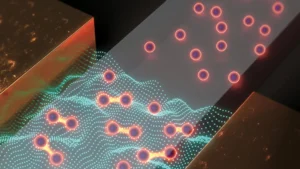
These bile salts, naturally occurring compounds involved in digestion, exhibited a remarkable ability to temporarily loosen the tight cell-cell junctions that typically form an impenetrable barrier in the esophageal epithelium. As Christina Karavasili explained, their data suggested that the bile salts interact with calcium ions, which are vital for maintaining the integrity of these junctions. By temporarily disrupting these calcium-mediated interactions, the bile salts create a more permissive pathway between the cells, allowing larger drug molecules to move into the mucosal tissue more efficiently.
To ensure sustained contact with the esophageal lining and optimize drug delivery, the researchers ingeniously incorporated these bile salts into a polysaccharide-derived hydrogel. This hydrogel possesses a viscous consistency that enables it to lightly coat the esophageal surface, prolonging the contact time between the drug formulation and the tissue. Karavasili elaborated on this synergistic design: "The hydrogel helps the formulation remain on the esophageal surface for longer, while the bile salts help increase transport across the tissue. Our data suggest that the bile salts temporarily loosen these cell-cell junctions, mainly by interacting with calcium ions that help maintain junction integrity. This creates a more permissive pathway between the cells, allowing larger molecules to move into the mucosal tissue more efficiently." The combination of a viscous, adherent hydrogel and the permeability-enhancing bile salts thus forms the core of this innovative drug delivery platform.
Pre-Clinical Validation and Safety Profile
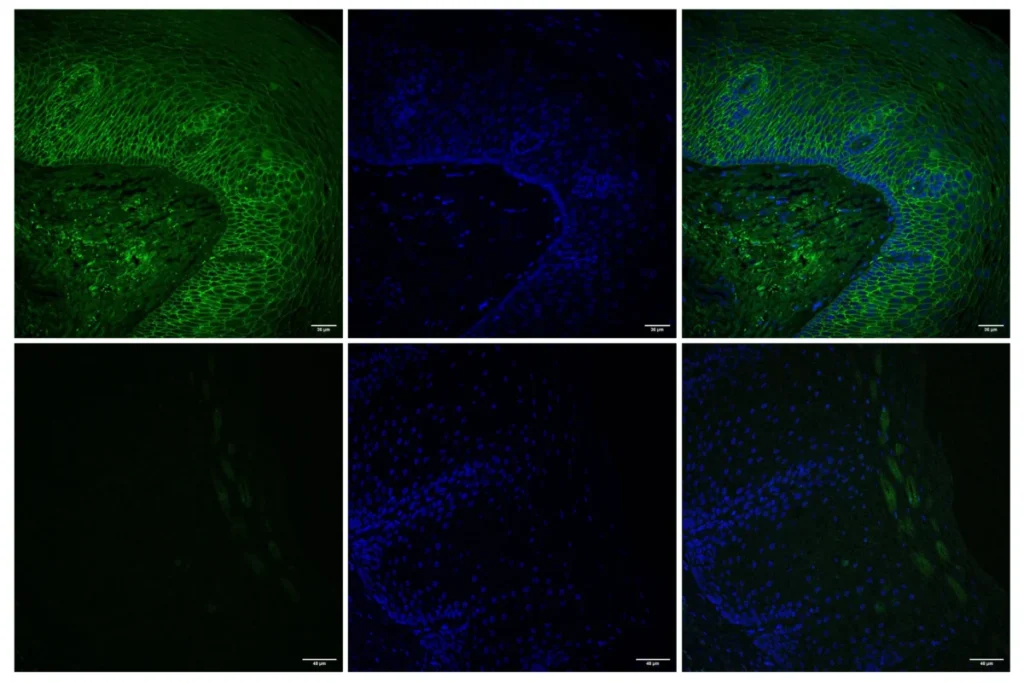
The efficacy and safety of this novel formulation were rigorously tested in animal models. The researchers successfully demonstrated that the hydrogel-bile salt formulation could effectively deliver infliximab, the anti-TNF-alpha antibody, directly to esophageal tissue. This preclinical success validated the platform’s ability to overcome the anatomical barriers that had previously hindered localized drug delivery.
A critical aspect of any drug delivery system that temporarily alters tissue permeability is its safety profile, particularly the reversibility of any induced changes. The study yielded highly encouraging results on this front: the loosening of the cell-cell junctions, facilitated by the bile salts, was found to be entirely temporary. The esophageal cells and their junctions returned to their normal, intact state within three days. This reversibility is paramount, ensuring that the protective barrier function of the esophagus is not permanently compromised, mitigating potential long-term adverse effects.
This ability to achieve localized drug delivery with temporary and reversible permeability enhancement holds immense promise for patient care. As Traverso highlighted, "If we have the possibility of site-directed delivery, we may be able to mitigate systemic side effects from these immunosuppressing agents." For patients suffering from conditions like Crohn’s disease-related esophagitis or EoE, who currently rely on systemic immunosuppressants, this platform could offer a safer and more targeted therapeutic option, reducing the risk of infections and other systemic complications that significantly diminish their quality of life. The ability to precisely deliver potent drugs like anti-TNFs directly to the inflamed site, without exposing the entire body to their effects, represents a paradigm shift in the management of these chronic conditions.
Broader Implications and Future Outlook
The development of this esophageal drug delivery platform extends far beyond the immediate application of infliximab for inflammatory esophagitis. Its true significance lies in its potential as a versatile "platform technology" that can be adapted for a wide array of therapeutic agents and esophageal conditions. Traverso underscored this broader vision: "This is a platform to enable the development of drug-delivery systems for the esophagus, which hasn’t been possible before because the tools haven’t existed."
The implications are far-reaching. Imagine a future where localized delivery could treat not only inflammatory conditions but also:
- Infections: Targeted delivery of antifungal or antiviral agents for esophageal candidiasis or herpetic esophagitis, minimizing systemic exposure to potent antimicrobials.
- Reflux-related damage: Enhanced delivery of protective agents or anti-inflammatory compounds for severe erosive esophagitis or Barrett’s esophagus, potentially slowing disease progression or even preventing malignant transformation.
- Motility disorders: Localized delivery of muscle relaxants or neuromodulators to specific areas of the esophagus affected by conditions like achalasia, offering non-invasive alternatives to surgical or endoscopic interventions.
- Oncology: Targeted delivery of chemotherapeutic agents or immunotherapies for early-stage esophageal cancers, reducing systemic toxicity and improving treatment efficacy.
From a drug development perspective, this platform could significantly accelerate the pipeline for esophageal therapeutics. The in vitro screening system itself is a powerful tool for identifying new permeability enhancers and optimizing drug formulations, potentially reducing the time and cost associated with early-stage research. For pharmaceutical companies, a proven delivery platform reduces the risk associated with developing new esophageal drugs, making investment in this area more attractive.
The next critical steps involve further optimization of the formulation for human clinical trials. Key considerations include ensuring optimal adherence time of the gel – long enough to facilitate effective drug delivery, yet not so long as to cause discomfort for patients. Researchers will also explore the ideal dosing frequency and the long-term safety profile in human subjects. The success of this preclinical work lays a robust foundation for translation into clinical practice, offering a beacon of hope for millions suffering from debilitating esophageal diseases.
Funding and Institutional Support
This pioneering research was made possible through significant financial backing and institutional support. Key funding contributors include the Karl van Tassel Career Development Professorship, the Department of Mechanical Engineering at MIT, and the Division of Gastroenterology at Brigham and Women’s Hospital. Crucially, the U.S. Advanced Research Projects Agency for Health (ARPA-H) also provided support, underscoring the strategic importance of this research in addressing critical health challenges. ARPA-H, an agency established to drive high-impact biomedical and health research, plays a vital role in translating scientific discoveries into practical solutions for patients. It is important to note, as specified by ARPA-H, that the views and conclusions contained in this article are those of the authors and should not be interpreted as representing the official policies of the United States government. This collaborative effort between leading academic institutions and governmental funding bodies exemplifies the multidisciplinary approach required to tackle complex medical problems and drive innovation in healthcare.