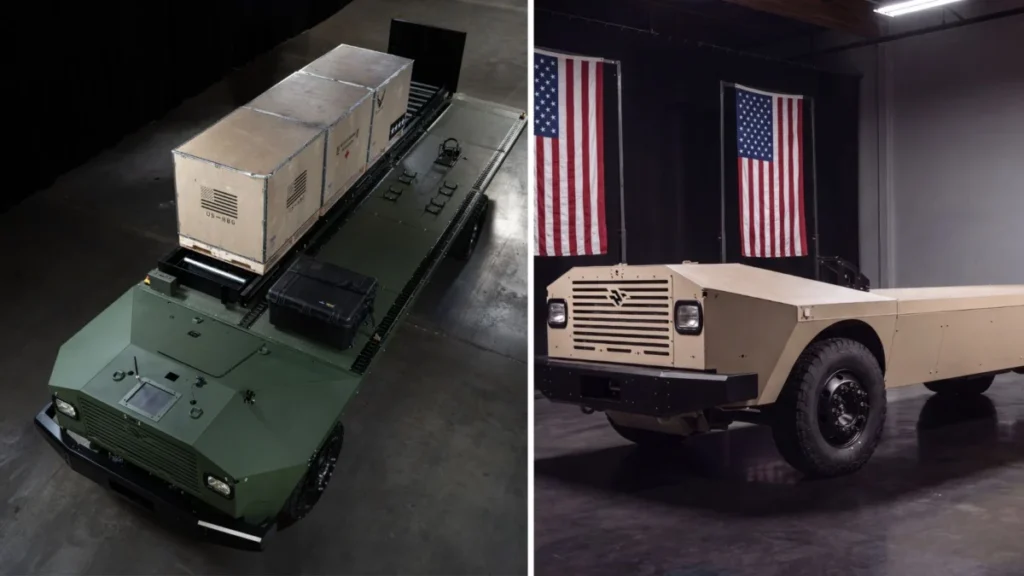
The United States Army is poised to significantly enhance its tactical sustainment capabilities with the introduction of a new class of autonomous, hybrid-powered uncrewed ground vehicles (UGVs). This critical modernization effort is being spearheaded by American Rheinmetall, which has been awarded an 18-month contract under the U.S. Army’s Project Sustainment initiative. The contract signifies a pivotal step towards integrating advanced robotics and hybrid propulsion into military operations, aiming to bolster the Army’s battle power and support its overarching strategic objectives for future warfare.
A Strategic Leap in Battlefield Sustainment
Project Sustainment directly addresses one of the most persistent and perilous challenges in military operations: the logistical support of forward-deployed troops. Conventional methods of supply transport often expose soldiers to significant risks in contested environments, making sustainment a high-priority area for innovation. The UGVs developed under this contract are specifically designed to autonomously ferry supplies to and from the forward line of troops, thereby reducing human exposure to danger and substantially increasing operational efficiency. This move aligns with the Army’s broader vision of multi-domain operations and its push towards a more agile, resilient, and technologically advanced force.
The vehicles will serve company-sized element sustainment missions, undertaking tasks that range from resupply of ammunition, fuel, and water to the evacuation of casualties or damaged equipment. By automating these processes, the Army aims to free up human personnel for more complex combat roles, optimize resource allocation, and maintain a consistent flow of critical supplies even under intense adversary pressure. The emphasis on autonomy means these vehicles will operate with minimal human intervention, leveraging sophisticated artificial intelligence and sensor fusion to navigate challenging terrains and dynamic battlefield conditions.
The Harbinger Platform: A Foundation for Innovation
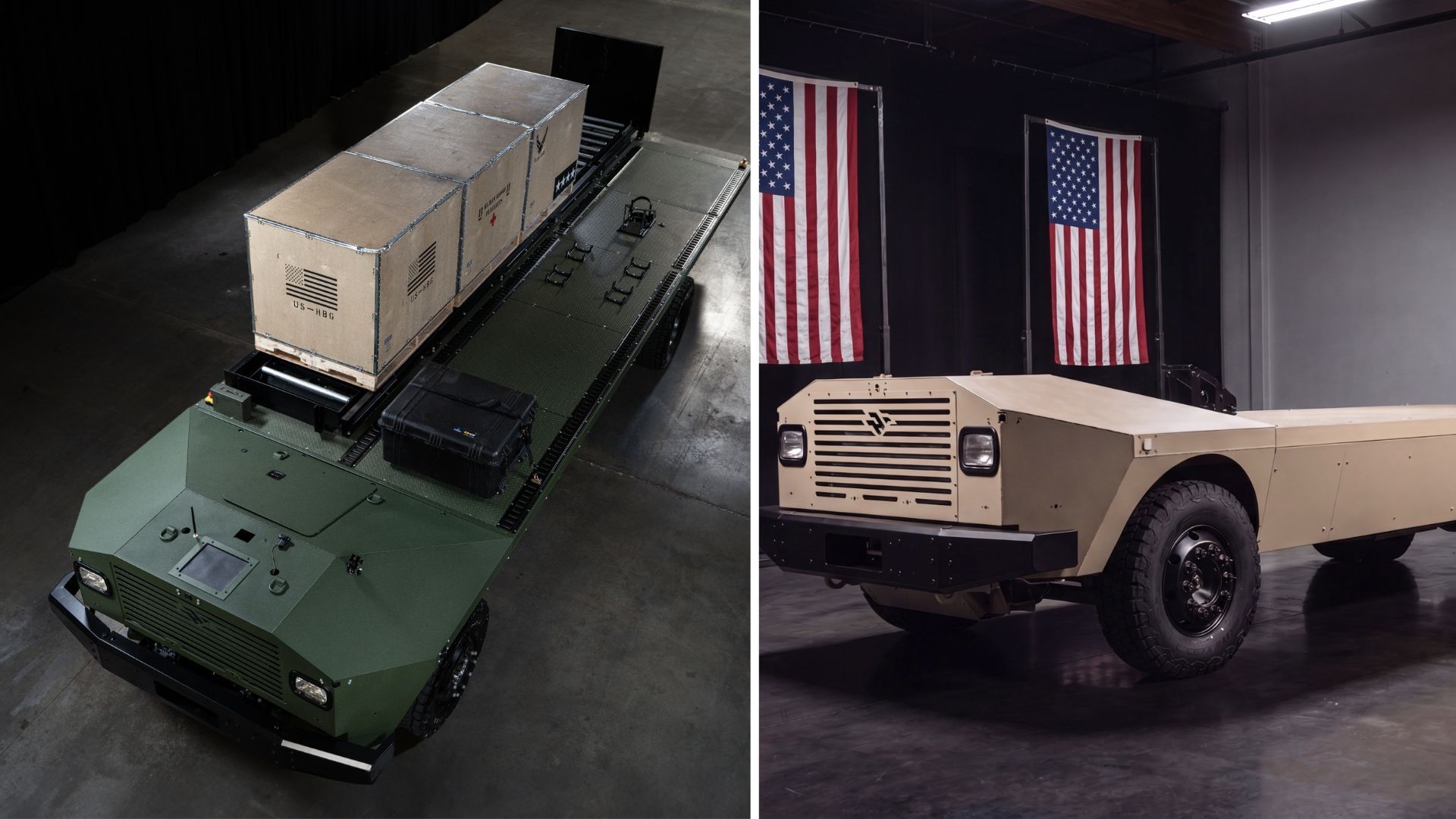
Central to American Rheinmetall’s offering is the selection of Harbinger’s plug-in hybrid defense vehicle platform as the basis for these autonomous UGVs. Harbinger, known for its commercial technology and vehicle expertise, brings a robust foundation that facilitates rapid development and scalable production. This partnership underscores a growing trend within military procurement: the adaptation of proven commercial technologies for defense applications, accelerating innovation cycles and potentially reducing development costs.
The hybrid nature of these vehicles offers multiple advantages. Firstly, it provides enhanced fuel efficiency compared to traditional internal combustion engines, reducing the logistical burden of fuel supply chains and extending operational range. Secondly, hybrid systems typically exhibit a lower thermal and acoustic signature, making the UGVs harder for adversaries to detect. This stealth capability is crucial in contested environments where maintaining a low profile can be the difference between mission success and failure. Furthermore, the ability to operate in an all-electric mode allows for silent movement, which is particularly valuable during reconnaissance, surveillance, or special operations missions. The electric component also offers significant power export capabilities, allowing the UGVs to act as mobile power generators for soldier equipment, communication systems, or even charging other vehicles in remote locations.
Technological Synergy: Autonomy and Human-Machine Teaming
American Rheinmetall’s execution of Project Sustainment is a collaborative effort, bringing together specialized partners to deliver a comprehensive solution. Beyond Harbinger’s vehicle platform, two other key players are instrumental: Forterra and Primordial Labs.
Forterra is responsible for providing the core autonomous capabilities that enable the UGVs to perform distributed, mission-aware, and resilient military operations. Their technology empowers the vehicles to navigate complex terrains, detect and avoid obstacles, and make intelligent decisions in dynamic battlefield scenarios. This level of autonomy strengthens the solution’s ability to operate effectively with minimal human oversight, further reducing risk to soldiers who might otherwise be involved in such logistical tasks. The focus on resilience means the systems are designed to continue functioning even if components are damaged or communications are degraded, a vital characteristic for combat operations.
Primordial Labs contributes its next-generation human-machine interface (HMI), Anura, which is designed to transform robotic systems into intuitive battlefield teammates. Anura’s innovative approach distills commander’s intent through natural language commands, enabling soldiers to interact with the UGVs in a more intuitive and less cognitively demanding manner. This capability scales the soldier-to-robot ratio, allowing a single soldier to manage multiple autonomous assets effectively. By reducing the cognitive burden on operators and accelerating training timelines, Anura facilitates heads-up, hands-free operation, meaning soldiers can maintain situational awareness of their surroundings while directing robotic assets. This seamless interaction is crucial for integrating UGVs into existing military formations and ensuring they can function effectively alongside human combatants.
Jim Schirmer, Vice President of Sales & Marketing at American Rheinmetall, highlighted the significance of the award, stating, "This award expands American Rheinmetall’s growing portfolio of uncrewed ground systems within the U.S. market and reinforces our position as a leader in ground robotics and autonomous technologies. Project Sustainment directly supports the Army’s modernization priorities by delivering autonomous load-handling and transport capabilities that increase readiness and reduce the burden on Soldiers." His remarks underscore the strategic alignment of this project with the Army’s long-term goals and American Rheinmetall’s commitment to advancing military robotics.
John Harris, Co-founder and CEO of Harbinger, echoed this sentiment, emphasizing the commercial-military synergy: "The Harbinger hybrid vehicle platform exemplifies how proven commercial technologies can be rapidly adapted to meet the evolving needs of the U.S. military. By partnering with American Rheinmetall, we’re bringing together advanced vehicle platforms, scalable manufacturing, and proprietary battery technology to deliver autonomous-ready vehicles that reduce risk to soldiers while enhancing military operational effectiveness." This statement highlights the efficiency and innovation derived from leveraging commercial sector advancements for defense applications.
The Broader Context: Army Modernization and Future Warfare
The U.S. Army has embarked on an ambitious modernization drive, recognizing the shifting landscape of global threats and the imperative to maintain overmatch against peer and near-peer adversaries. This drive, often articulated through initiatives like Project Convergence, emphasizes the rapid development and integration of advanced technologies across multiple domains – land, air, sea, space, and cyber. Robotics and autonomous systems are central to this vision, with the Army actively exploring how these technologies can enhance lethality, survivability, and readiness.
Historically, logistics has been described as the "sinews of war," underpinning every military operation. From ancient armies relying on vast supply trains to modern forces requiring complex global networks, the ability to sustain troops and equipment has always been a decisive factor. However, this critical function has also been a significant vulnerability. Adversaries often target supply lines to degrade an enemy’s fighting capability, making the transport of goods a high-risk endeavor. The introduction of autonomous UGVs aims to mitigate this risk by removing human drivers from dangerous routes, allowing supplies to flow more securely and consistently.
The Army’s investment in hybrid power for these UGVs also reflects a broader strategic shift towards energy independence and reduced reliance on fossil fuels. Military operations are inherently fuel-intensive, and the logistical tail associated with delivering fuel to the front lines is immense. Hybrid vehicles, with their improved fuel efficiency and potential for diverse energy sources, contribute to a more resilient and sustainable operational posture. Furthermore, the ability to generate power on demand through these vehicles provides tactical flexibility, reducing the need for separate generators and power units.
Implications and Future Outlook
The implications of Project Sustainment extend far beyond immediate logistical improvements. The successful deployment and integration of these autonomous hybrid UGVs could catalyze several transformative shifts:
- Enhanced Soldier Safety: This is perhaps the most direct and significant benefit. By automating high-risk resupply missions, the Army can dramatically reduce the number of soldiers exposed to enemy fire, improvised explosive devices (IEDs), and other battlefield hazards.
- Increased Operational Tempo and Readiness: Autonomous logistics can ensure a more consistent and rapid flow of supplies, enabling units to maintain higher operational tempos without interruption. This contributes directly to overall force readiness.
- Optimized Manpower: With UGVs handling routine logistical tasks, human soldiers can be reallocated to roles requiring unique human cognitive abilities, such as complex decision-making, direct combat, or specialized technical support.
- Technological Proliferation: The success of this project could pave the way for a broader adoption of autonomous and hybrid technologies across the U.S. military and potentially among allied forces. The "commercial-off-the-shelf" (COTS) approach championed by Harbinger could accelerate this proliferation.
- Evolution of Human-Machine Teaming: The advanced human-machine interface developed by Primordial Labs represents a significant step forward in how soldiers interact with robotic systems. This intuitive control mechanism could become a standard for future military robotics, fostering greater trust and effectiveness in collaborative operations.
- Economic Impact: The contract and subsequent potential follow-on orders represent significant investment in the defense industrial base, fostering innovation, creating jobs, and strengthening the technological capabilities of the United States.
The 18-month contract duration signifies a focused and accelerated development timeline, indicating the urgency with which the U.S. Army views this modernization effort. The inclusion of potential follow-on orders suggests a long-term commitment to evolving and expanding its autonomous logistics fleet. As these next-generation UGVs move from development to deployment, they are set to redefine battlefield logistics, making military operations safer, more efficient, and more resilient in the face of evolving global threats. The collaborative model, integrating commercial innovation with defense requirements, exemplifies a forward-thinking approach to military technological advancement that could shape the future of warfare.