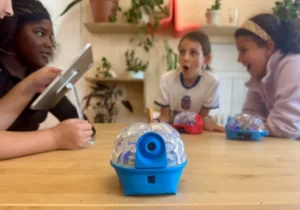
The Raspberry Pi Foundation has officially announced a significant expansion of its global "Experience AI" initiative, targeting the educational landscapes of Australia and Aotearoa New Zealand. Supported by a $1.2 million grant from Google.org, the philanthropic arm of Google, the program aims to provide specialized artificial intelligence (AI) training to 5,000 educators. This workforce development effort is projected to reach approximately 150,000 students across the two nations by 2028. The expansion marks a pivotal moment in the push for global AI literacy, ensuring that the next generation of workers and citizens in the Oceania region are not merely consumers of technology, but informed critics and creators of it.
The Strategic Importance of AI Literacy in the Modern Era
Artificial intelligence has transitioned from a niche field of computer science to a foundational component of modern infrastructure. From the algorithms that curate news feeds to the large language models (LLMs) used in professional drafting, AI influences how information is accessed, processed, and utilized. However, as the deployment of AI accelerates, a significant "literacy gap" has emerged. While young people are often highly adept at using digital interfaces, their understanding of the underlying mechanics—and the ethical implications of those mechanics—remains limited.
The Experience AI program, co-developed by the Raspberry Pi Foundation and Google DeepMind, was designed to address this specific deficit. The curriculum goes beyond basic coding or the use of specific software tools. Instead, it focuses on the fundamental concepts of machine learning, the importance of high-quality data sets, and the identification of algorithmic bias. By providing teachers with free, research-based resources, the program seeks to demystify AI, transforming it from a "black box" into a transparent and understandable tool.
Chronology and Global Reach of the Experience AI Initiative
The expansion into Australia and New Zealand is the latest chapter in a rapidly growing global success story. To understand the significance of this move, one must look at the timeline of the program’s development and its international impact:
- Inception and Development: The program was born from a collaboration between the Raspberry Pi Foundation, a UK-based charity known for democratizing computing, and Google DeepMind, one of the world’s leading AI research labs. The goal was to create a curriculum that was pedagogically sound yet accessible to non-specialist teachers.
- Global Scaling: Since its launch, the program has established a presence in over 195 countries. To ensure local relevance, the foundation has worked with regional partners to translate materials into 22 languages, making it one of the most widely distributed AI education programs in the world.
- UNESCO Recognition: In early 2025, the program received international acclaim when it was named a laureate of the UNESCO King Hamad Bin Isa Al-Khalifa Prize for the Use of ICT in Education. This award highlighted the program’s role in using technology to enhance learning and its commitment to educational equity.
- Current Reach: To date, Experience AI has trained more than 50,000 educators globally, with an estimated reach of 4.8 million young people. The new funding for the ANZ (Australia and New Zealand) region represents a concerted effort to deepen this impact in the Southern Hemisphere.
Implementation in Australia: The CSER Partnership
In Australia, the Raspberry Pi Foundation has selected the Computer Science Education Research Group (CSER) at the University of Adelaide as its primary implementation partner. CSER is widely recognized for its leadership in digital technologies education and its extensive network of professional development programs for teachers.
The Australian context is particularly unique due to the nation’s "Digital Technologies" curriculum, which is mandatory from Foundation to Year 8. However, many teachers, particularly in rural and regional areas, have expressed a need for more robust support in teaching emerging technologies like AI. Professor Katrina Falkner, Pro-Vice-Chancellor for Learning and Teaching at the University of Adelaide, emphasized that the partnership is about more than just technical skills. She noted that the program focuses on "self-regulated learning skills" and the "human lens of critical thinking," which are essential as AI becomes integrated into the workplace.
The $1.2 million investment will allow CSER to adapt the Experience AI resources to align with the Australian Curriculum, ensuring that teachers can seamlessly integrate these lessons into their existing classrooms. The focus will be on providing educators with the confidence to lead discussions on the ethical use of AI, data privacy, and the societal shifts caused by automation.
Implementation in Aotearoa New Zealand: Tōnui Collab and Indigenous Perspectives
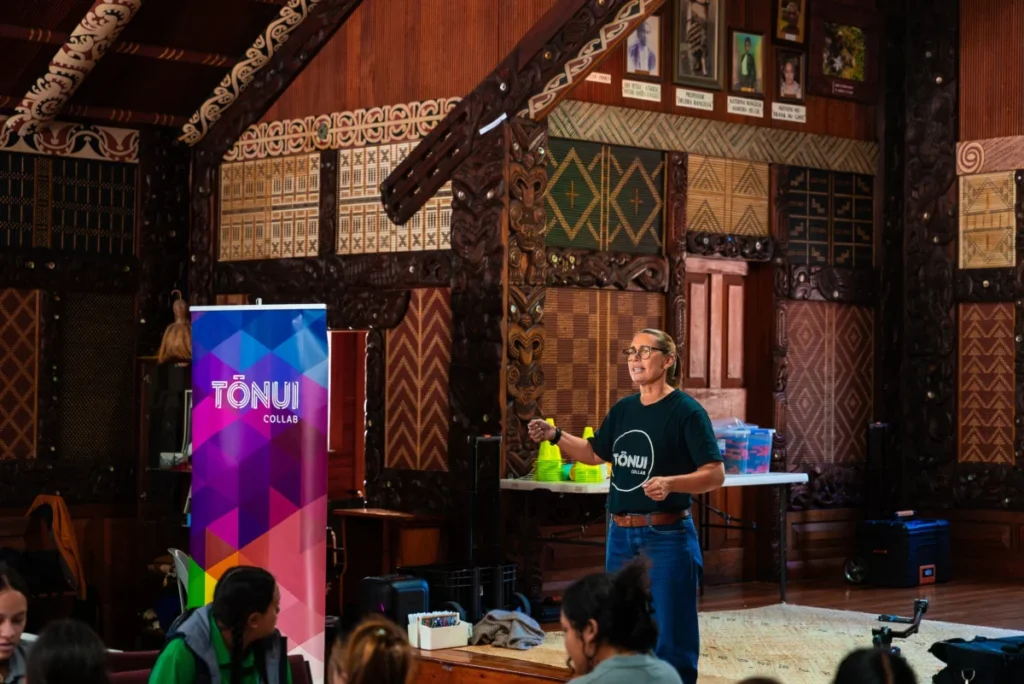
The expansion into Aotearoa New Zealand features a distinct and culturally grounded approach through a partnership with the Tōnui Collab Charitable Trust. Tōnui Collab is a Māori-led organization that focuses on creating innovative STEM (Science, Technology, Engineering, and Mathematics) opportunities for rangatahi (young people).
This partnership is significant because it addresses the "digital divide" through the lens of equity and indigenous data sovereignty. Shanon O’Connor, Director of Tōnui Collab, stated that the initiative is an attempt to prevent the digital divide from becoming a "digital chasm." A key component of the New Zealand implementation will be the contextualization of AI education within "tech tikanga"—the application of Māori protocols and ethical frameworks to technology.
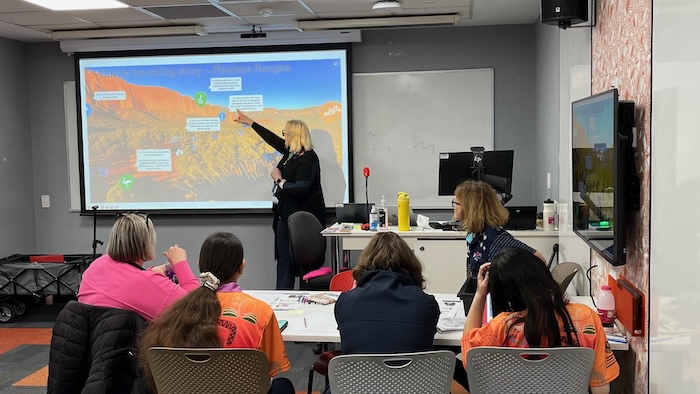
By facilitating conversations about data bias and how it specifically impacts Māori communities, Tōnui Collab ensures that AI education is not just a Western-centric import but a locally relevant kaupapa (initiative). This approach recognizes that AI systems are often trained on data sets that may lack indigenous representation, leading to biased outcomes. Training educators to recognize and challenge these biases is a core objective of the New Zealand expansion.
Supporting Data and the Economic Impact of AI Education
The urgency of this program is underscored by economic data regarding the future of work in the ANZ region. According to various economic forecasts, AI is expected to contribute significantly to the GDP of both Australia and New Zealand over the next decade. However, this growth is contingent on a workforce that is "AI-ready."
- Workforce Readiness: Reports from the Tech Council of Australia suggest that the country will need an additional 1.2 million tech workers by 2030. AI literacy is no longer a specialized skill for software engineers; it is becoming a requirement for roles in law, healthcare, finance, and the creative industries.
- Addressing Inequality: Data from educational census groups indicates that students in lower-socioeconomic areas are less likely to have access to advanced computing resources. By making Experience AI resources free and providing funded training for teachers in these areas, the program acts as a leveling force.
- Teacher Confidence: Internal surveys from the Raspberry Pi Foundation indicate that before participating in the program, many teachers feel "overwhelmed" by the pace of AI development. After training, there is a measurable increase in "teacher efficacy," or the belief that they can effectively guide students through complex technological subjects.
Analysis of Implications: Beyond the Classroom
The expansion of Experience AI into Australia and New Zealand carries implications that extend far beyond the immediate classroom environment. It represents a shift in how societies view technological literacy.
The Shift from Coding to Logic: In the previous decade, the educational focus was heavily on "learning to code." While coding remains important, the rise of generative AI suggests that the more critical skill for the future is "algorithmic logic" and "prompt engineering." Students need to understand how to interact with AI systems to achieve desired outcomes while remaining aware of the potential for hallucinations or misinformation.
Ethical Resilience: By introducing ethical considerations early in a student’s education, the program builds "ethical resilience." As these students enter the workforce, they will be better equipped to advocate for the responsible use of AI in their respective fields. This is particularly relevant in Australia and New Zealand, where government frameworks for AI ethics are currently being developed and refined.
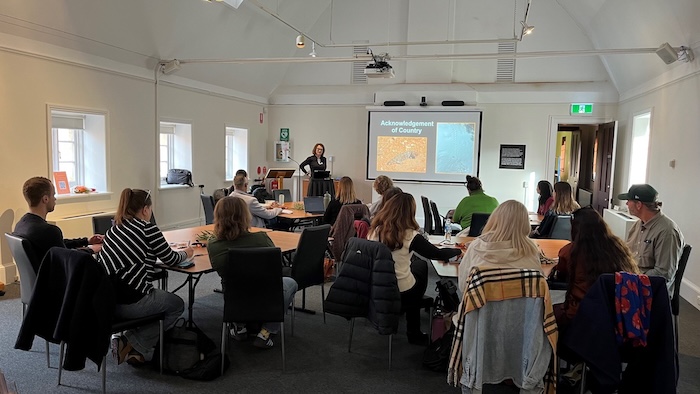
Sovereignty and Identity: The involvement of Māori-led organizations in New Zealand highlights a growing global movement toward "data sovereignty." As AI models are trained on global data, there is a risk of cultural homogenization. Educating indigenous youth on the mechanics of AI allows them to participate in the creation of models that respect and preserve their cultural heritage.
Official Responses and Institutional Support
The collaboration has garnered support from across the educational and technological sectors. Google.org’s funding is part of its broader commitment to digital skills training, recognizing that the private sector has a responsibility to help society adapt to the tools it creates.
The Raspberry Pi Foundation has reiterated its commitment to long-term sustainability. Rather than a one-off workshop, the 2028 target suggests a multi-year commitment to building a self-sustaining network of educators who can mentor one another. The use of "local education organisations" is a deliberate strategy to ensure that the program survives beyond the initial grant period, as these local partners have a deep understanding of their specific regional challenges and opportunities.
Conclusion and Future Outlook
As the Experience AI program rolls out across Australia and Aotearoa New Zealand, the focus will remain on the 5,000 educators who serve as the frontline of this educational transformation. By the time the target date of 2028 arrives, the landscape of artificial intelligence will undoubtedly have changed again. However, the foundational principles taught through this program—critical thinking, ethical judgment, and technical understanding—are designed to be evergreen.
The investment by Google.org and the expertise of the Raspberry Pi Foundation, combined with the local knowledge of CSER and Tōnui Collab, creates a robust framework for regional success. In an era where technology often moves faster than policy or curriculum, initiatives like Experience AI provide a necessary bridge, ensuring that the youth of Australia and New Zealand are prepared to navigate and shape the digital future with confidence and integrity.