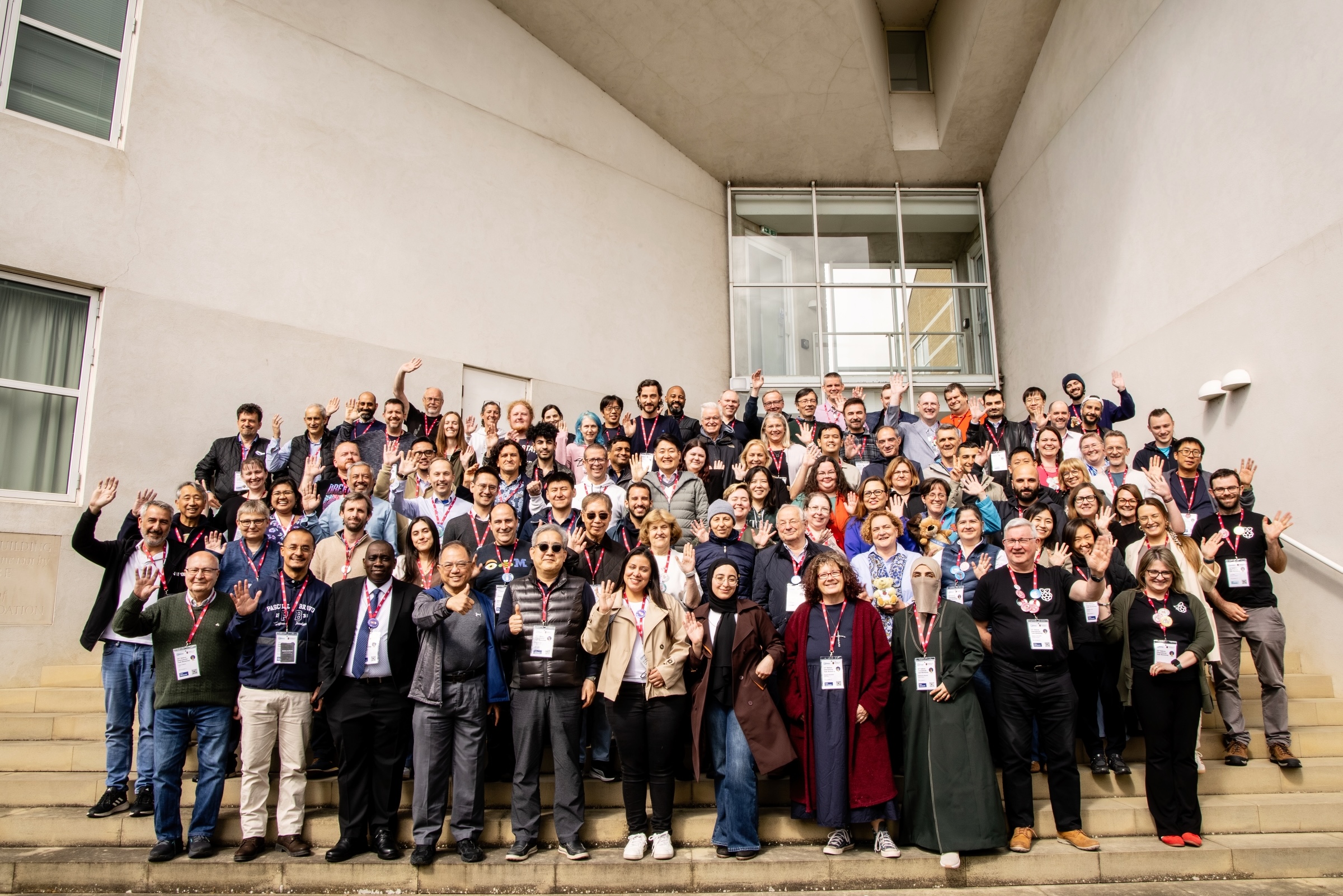
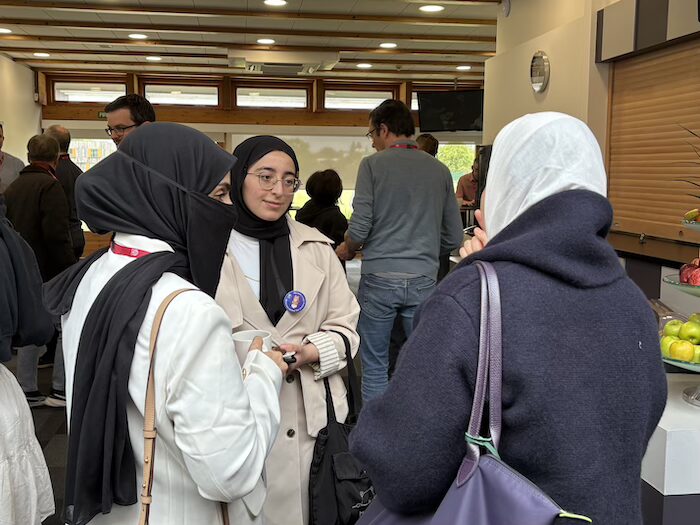
The global computational thinking community recently gathered at the Møller Institute in Cambridge, United Kingdom, for the 22nd Bebras International Task Workshop, a pivotal annual event dedicated to the rigorous development of educational challenges for millions of students worldwide. Hosted by the Raspberry Pi Foundation, the organizers of the UK Bebras Challenge, the workshop brought together 101 delegates representing 61 countries from May 10 to May 15. This international assembly focused on reviewing, debating, and refining the computational thinking tasks that will form the backbone of the 2026 Bebras Challenges across the globe. As the digital economy continues to demand a workforce proficient in problem-solving and logical reasoning, the work conducted in Cambridge serves as a critical foundation for K-12 computer science education on a planetary scale.
A Rigorous Process for Global Pedagogy
The Bebras International Task Workshop is far more than a simple meeting of educators; it is a peer-review intensive designed to ensure that every puzzle presented to students is scientifically sound, culturally inclusive, and pedagogically effective. During the 2026 workshop, the community processed a total of 277 submitted tasks, including four developed by the UK team. These tasks are the primary vehicle through which the Bebras movement introduces young people—ranging from ages 6 to 19—to the core concepts of informatics without requiring prior knowledge of programming languages.
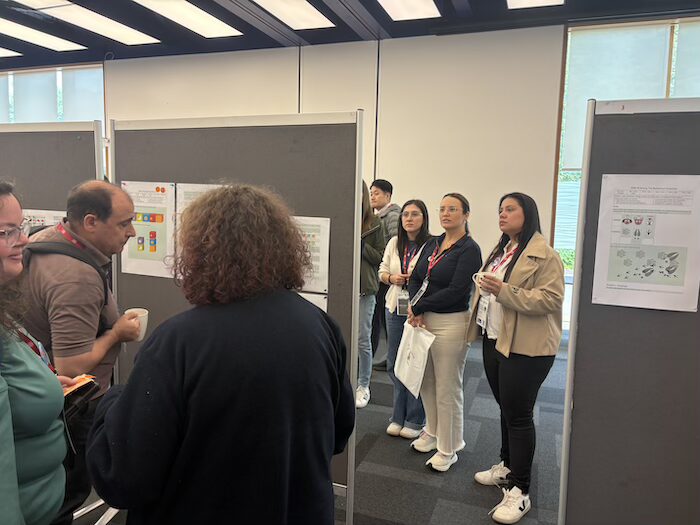
Over four days of intensive collaboration, delegates were divided into eight specialized working groups. Each group was tasked with scrutinizing every aspect of the proposed tasks. This included evaluating the clarity of wording to ensure tasks could be accurately translated into dozens of languages, assessing the quality of illustrations for visual accessibility, and determining age-suitability. Most importantly, the delegates debated the specific "computational thinking" value of each task. By the end of the workshop, 214 tasks were accepted into the international task pool, having met the high standards required for inclusion.
Alex Parry, a member of the hosting team, noted that the intensity of these discussions reflects the passion of the community. According to Parry, the improvements made within the working groups were the result of "remarkable effort" and occasionally "heated discussions" regarding the wider implications of computational thinking definitions. This level of scrutiny ensures that when a student in London, Jakarta, or Accra sits down to solve a Bebras puzzle, they are engaging with a high-quality educational tool that has been vetted by global experts.
The Evolution of the Bebras Movement
To understand the significance of the 22nd Workshop, one must look at the history and growth of the Bebras initiative. Founded in Lithuania in 2004 by Professor Valentina Dagienė, the name "Bebras" is the Lithuanian word for "beaver," an animal known for its industriousness and engineering skills. What began as a local initiative has blossomed into one of the world’s largest educational competitions.
The scale of the project is reflected in the most recent data. In 2025, more than 4 million students across 78 countries participated in the Bebras Challenge. In the United Kingdom alone, the program saw 526,000 participants, highlighting the massive footprint the Raspberry Pi Foundation has established in the domestic educational landscape. The workshop in Cambridge is the engine room that powers this growth, ensuring that the content remains fresh and challenging for a diverse global audience.
The 2026 workshop also marked a significant expansion of the Bebras International community. During the proceedings, ten new provisional members were inducted: Bolivia, Cameroon, Ecuador, Ghana, Hong Kong and Macao, Luxembourg, Mongolia, Palestine, Sri Lanka, and Tanzania. Furthermore, seven countries were elevated to full membership status: Armenia, Colombia, Greece, Jamaica, Mexico, Paraguay, and Puerto Rico. This expansion indicates a growing recognition among national education ministries that computational thinking is a foundational skill, comparable to literacy and numeracy, in the 21st century.
Strategic Focus: Computational Thinking Beyond the Screen
A central theme of the Cambridge workshop was the decoupling of computational thinking from traditional computer hardware. This "unplugged" approach is vital for reaching students in regions with limited internet connectivity or lack of access to modern computing devices. During the "Bebras Marketplace" held on Wednesday evening, delegates shared innovative strategies for delivering high-quality informatics education in resource-constrained environments.
Representatives from Ghana, Jamaica, Mexico, and Sri Lanka detailed how they utilize paper-based versions of the Bebras Challenge to overcome technical barriers. In Mexico, significant strides are being made to adapt the challenge for smartphones, recognizing that mobile devices are often more accessible than desktop computers in developing economies.
The workshop highlighted several inspiring examples of how countries are extending the reach of Bebras concepts throughout the school year:
- Armenia: Has developed dedicated Bebras books to integrate puzzles into the standard curriculum.
- Brazil: Publishes a Bebras magazine to keep students engaged with logical puzzles year-round.
- Indonesia: Is creating teacher training resources that apply computational thinking to all subjects, not just computer science.
- Lithuania: Uses physical, hands-on games to help younger learners explore complex computing concepts through play.
Laura Kirsop, Chief Technology and Product Officer at the Raspberry Pi Foundation, emphasized in her opening keynote that the Bebras methodology has significantly influenced the Foundation’s broader product strategy. For instance, the "Escape Room: The Jungle Awakens" resource—an "unplugged" Code Club activity—repurposes historical Bebras tasks to support extracurricular clubs that may not have consistent access to computers.
Analysis of Implications: Bridging the Digital Skills Gap
The work performed at the 22nd Bebras International Task Workshop has long-term implications for global economic competitiveness. Computational thinking involves five key pillars: decomposition (breaking down complex problems), pattern recognition (identifying trends), abstraction (focusing on important information), algorithmic thinking (developing step-by-step solutions), and evaluation (ensuring solutions are efficient).
By standardizing these concepts through a global task pool, Bebras creates a universal language for problem-solving. This standardization allows for cross-country benchmarking and the sharing of pedagogical best practices. As AI and automation reshape the global labor market, the ability to think like a computer scientist—even without writing code—is becoming a prerequisite for high-value employment. The Bebras Challenge democratizes this skill set, providing a low-barrier entry point for students who might otherwise be intimidated by traditional computer science.
Furthermore, the inclusive nature of the workshop ensures that the tasks are free from cultural biases that often plague international standardized testing. By having delegates from 61 countries review the same set of puzzles, the community can identify and remove references that might be confusing to students in specific regions, ensuring that the "Challenge" is a fair assessment of cognitive ability rather than cultural knowledge.
Logistical Success and Future Outlook
The hosting of the workshop at the Møller Institute in Cambridge provided a sophisticated backdrop for international diplomacy and educational collaboration. The facility supported a hybrid model of participation, allowing delegates who could not travel to engage via high-quality livestreams and digital collaboration tools. Feedback from the delegates was overwhelmingly positive, with participants praising the "flawless execution" of the event and the "phenomenal" technical infrastructure that facilitated global communication.
While the British weather remained a point of lighthearted critique among the international guests, the success of the 2026 workshop sets a high bar for future hosts. The 23rd Bebras International Task Workshop is scheduled to take place in Uruguay in May 2027. This move to South America underscores the truly global nature of the movement and its commitment to rotating leadership among its member nations.
In the immediate term, the Raspberry Pi Foundation is turning its attention to the upcoming UK Bebras Challenge, which is set to take place from November 8 to November 20. Working in tandem with partners in Australia, Ireland, Canada, and the United States, the UK team is finalizing the selection of tasks from the pool established during the Cambridge workshop.
For educators in the UK, the registration period for the November challenge opens in September. The foundation encourages teachers to utilize past Bebras tasks—available on their website—to introduce students to these concepts ahead of the official competition. As the world becomes increasingly reliant on digital systems, the work of the 101 delegates who met in Cambridge ensures that the next generation will have the mental tools necessary to navigate, build, and improve the technology of the future.