A groundbreaking study published today in Nature Biomedical Engineering heralds a significant advancement in the treatment of challenging esophageal diseases. Researchers from the Massachusetts Institute of Technology (MIT), Brigham and Women’s Hospital, and the Broad Institute of MIT and Harvard have developed an innovative drug delivery platform designed to directly target the esophagus, circumventing the limitations of current systemic treatments and offering the potential for dramatically reduced side effects. This new system utilizes a specially formulated hydrogel enhanced with bile salts to temporarily increase the permeability of esophageal tissue, allowing therapeutic agents to be delivered precisely where they are needed.
The research, spearheaded by Giovanni Traverso, an associate professor of mechanical engineering at MIT, a practicing gastroenterologist at Brigham and Women’s Hospital, and an associate member of the Broad Institute, addresses a long-standing challenge in gastroenterology. "There are many people with esophageal disease, and if you look at drugs for these conditions, they’re very limited in their ability to target this part of the body and it’s very difficult to develop them," Traverso explained. "We hope this platform will make it easier to develop systems that can help patients suffering from these conditions." Serving as the senior author of the study, Traverso collaborated closely with lead author Christina Karavasili, a former MIT postdoc now an assistant professor at Aristotle University of Thessaloniki in Greece. Their collective effort marks a pivotal step towards more effective and patient-friendly therapies for a range of debilitating esophageal conditions.
The Unmet Need: Navigating the Complexities of Esophageal Disease
Esophageal disorders affect millions globally, often leading to chronic pain, difficulty swallowing (dysphagia), and a significant reduction in quality of life. Among the most prevalent and challenging conditions is eosinophilic esophagitis (EoE), a chronic inflammatory disease triggered by food allergies. In EoE, an accumulation of eosinophils, a type of white blood cell, causes inflammation and scarring in the esophagus, leading to its narrowing and impairing the ability to swallow food. The global prevalence of EoE has been on the rise, estimated to affect approximately 1 in 2,000 people, though regional variations exist. Another inflammatory condition, Crohn’s disease, a form of inflammatory bowel disease, can also manifest in the esophagus, causing inflammation and strictures that mimic EoE symptoms. While less common than intestinal Crohn’s, esophageal involvement can be particularly severe.
Current treatment paradigms for these conditions largely rely on systemic drugs, which, while effective in some cases, come with a significant burden of side effects. A prime example is infliximab, an antibody that neutralizes tumor necrosis factor alpha (TNF-alpha), a key inflammatory protein. While potent in suppressing inflammation, infliximab is a systemic immunosuppressant. This means it dampens the body’s entire immune response, leading to an increased risk for infections, including serious opportunistic infections, and other systemic health problems. For patients already battling chronic illness, the prospect of additional health complications due to medication can be daunting and often necessitates a difficult risk-benefit calculation.
The inherent anatomy and physiology of the esophagus present formidable barriers to localized drug delivery. Orally administered medications traverse the esophagus rapidly, spending insufficient time to be absorbed effectively by the target tissue. Furthermore, the esophagus is lined by a specialized tissue called stratified squamous epithelium. This multi-layered, tightly packed barrier is exceptionally impermeable, designed to protect the underlying tissues from physical and chemical insults during food passage. This impermeability, while crucial for normal function, makes it exceedingly difficult for drug molecules to penetrate and reach the sites of inflammation.
Alternative delivery methods have their own drawbacks. Direct injection of drugs into the esophageal tissue, for instance, offers localized delivery but is an invasive, uncomfortable procedure that requires administration by a healthcare professional in a clinical setting. This inconvenience often translates to reduced patient adherence and increased healthcare costs. Some existing anti-inflammatory steroid drugs are formulated as thick mixtures, designed to prolong their contact time with the esophageal lining after swallowing. However, even these viscous formulations struggle to efficiently penetrate the highly impermeable squamous layer, limiting their overall efficacy. The clear need for a novel, non-invasive, yet highly effective method for targeted drug delivery to the esophagus has long been recognized by the medical community.
Pioneering a New Platform: The Science Behind the Breakthrough
Recognizing these profound limitations, the research team embarked on developing new drug formulations that could overcome the dual challenge of drug retention and tissue impermeability. Their objective was to incorporate molecules that could temporarily enhance the permeability of esophageal cells, thereby facilitating greater drug absorption. The journey began with the creation of an innovative screening system designed to accurately mimic the complex structure and function of the human esophagus in vitro.
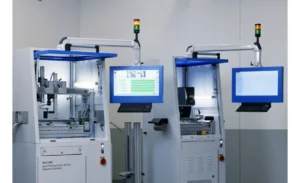
This sophisticated system involved pressing esophageal tissue between two vertical plates. Drug formulations could then be introduced into the top of the system, simulating the act of oral ingestion. Crucially, the researchers could then precisely measure the quantity of the drug that successfully passed through the tissue and was collected in wells positioned beneath. This high-throughput screening platform proved invaluable, allowing the systematic evaluation of numerous compounds and their effects on esophageal tissue permeability.
The researchers initially tested approximately 100 different excipients – inactive ingredients added to drugs to aid in their processing, stability, or delivery. From this initial screen, several promising candidates emerged. The next phase involved testing pairs of these top candidates to identify synergistic effects. This meticulous process ultimately led to a significant discovery: the most effective combination for enhancing permeability was a pair of bile salts, specifically sodium chenodeoxycholate and sodium cholate.
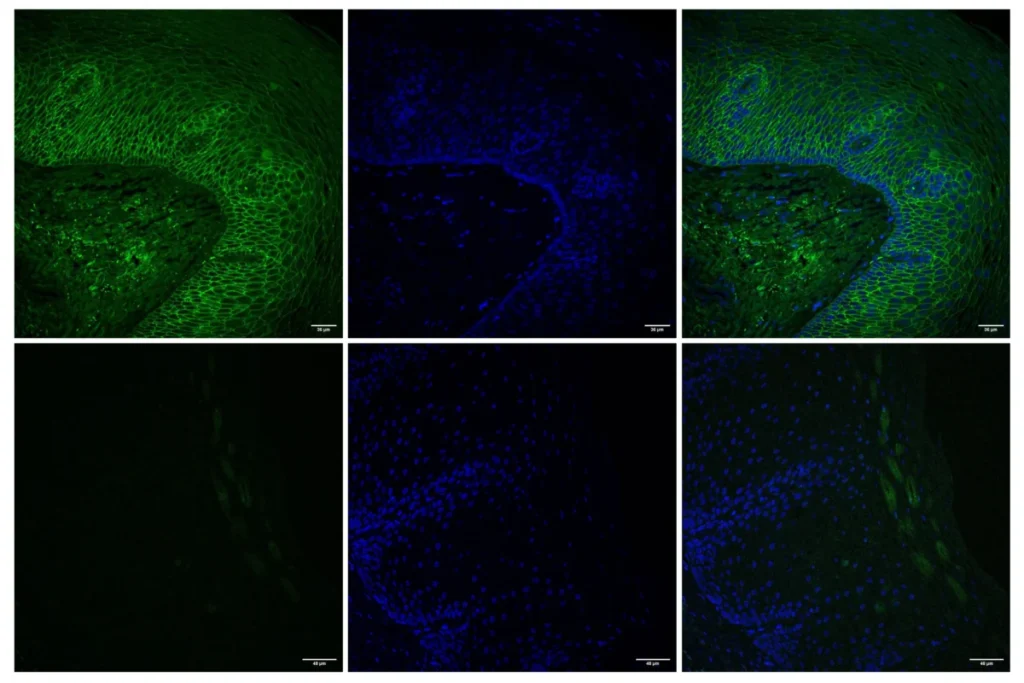
Bile salts, naturally produced in the liver and essential for fat digestion, have long been studied for their surfactant properties. In this context, they appear to exert their effect by temporarily loosening the tight cell-cell junctions that normally form an impenetrable barrier in the stratified squamous epithelium. Christina Karavasili elaborated on this mechanism: "Our data suggest that the bile salts temporarily loosen these cell-cell junctions, mainly by interacting with calcium ions that help maintain junction integrity. This creates a more permissive pathway between the cells, allowing larger molecules to move into the mucosal tissue more efficiently." Calcium ions play a critical role in maintaining the structural integrity of these junctions, and by interfering with this delicate balance, the bile salts create transient gaps through which therapeutic agents can pass.
To complement the permeability enhancers, the researchers integrated these bile salts into a polysaccharide-derived hydrogel. The hydrogel component is crucial for its viscous consistency, which allows it to lightly coat the lining of the esophagus and adhere for an extended period. This increased residence time, combined with the permeability-enhancing action of the bile salts, creates a powerful synergistic effect. As Karavasili summarized, "The hydrogel helps the formulation remain on the esophageal surface for longer, while the bile salts help increase transport across the tissue." This dual-action approach represents a significant leap forward in addressing the inherent challenges of esophageal drug delivery.
Pre-Clinical Validation and Promising Safety Profile
The efficacy and safety of this novel formulation were rigorously evaluated in animal models. These pre-clinical tests demonstrated that the hydrogel-bile salt combination could effectively deliver infliximab, chosen as a model anti-inflammatory drug, directly to the esophageal tissue. This successful localized delivery of a potent therapeutic agent underscored the platform’s potential for clinical application.
A critical aspect of any drug delivery system that temporarily alters tissue integrity is ensuring the reversibility and safety of such changes. The researchers meticulously investigated the effects of the bile salts on the cell-cell junctions. Their findings were highly encouraging: the loosening of these junctions proved to be temporary, with the cells returning to their normal, impermeable state within three days. This transient effect is paramount, as it suggests that the system can facilitate drug delivery without causing long-term damage or compromising the protective barrier function of the esophagus. This reversible mechanism is a key differentiator from other methods that might cause sustained tissue disruption.
The implications of this targeted delivery, particularly for drugs like infliximab, are profound. By delivering the drug directly to the site of inflammation in the esophagus, the systemic exposure to the immunosuppressant can be dramatically reduced or even eliminated. This directly addresses the primary concern associated with systemic anti-TNF agents: their propensity to cause widespread immunosuppression and increase the risk of infections and other systemic side effects. Giovanni Traverso highlighted this benefit, stating, "We were interested in delivering anti-TNFs as a model drug, but also to help people who suffer from conditions like Crohn’s disease to have options that could be delivered to the site. If we have the possibility of site-directed delivery, we may be able to mitigate systemic side effects from these immunosuppressing agents." This localized approach promises to maximize therapeutic benefit while minimizing the associated risks, representing a significant improvement in the risk-benefit profile for patients.
Broader Impact and Future Horizons
The development of this novel drug delivery platform holds immense promise for transforming the treatment landscape for esophageal diseases and potentially beyond. For patients suffering from conditions like eosinophilic esophagitis or esophageal Crohn’s, this technology could mean a future free from frequent, uncomfortable injections or the debilitating systemic side effects of current oral medications. Improved disease management could translate into enhanced quality of life, better nutritional status, and a reduction in the need for invasive procedures to manage strictures. Patient advocacy groups are likely to welcome such advancements with enthusiasm, recognizing the potential for less burdensome and more effective treatment options.
From a healthcare systems perspective, the widespread adoption of such a platform could lead to reduced healthcare expenditures. Minimizing systemic side effects could decrease hospitalizations due to infections or other complications. The ability to administer treatments at home, as opposed to requiring clinic visits for injections, would also reduce logistical burdens and associated costs for both patients and providers. The pharmaceutical industry will undoubtedly take keen interest in this platform, signaling a new frontier in drug formulation and delivery for challenging anatomical sites. This research opens avenues for potential partnerships and accelerated development towards clinical trials.
Looking ahead, the research team is actively engaged in further optimizing the formulation for eventual testing in humans. Key considerations include fine-tuning the adherence time of the gel to ensure sufficient drug delivery without causing patient discomfort or prolonged sensation. The versatility of this platform is also a major area of exploration; the researchers are investigating its potential to deliver other types of drugs, beyond anti-TNFs, for a wider array of esophageal and potentially even gastrointestinal conditions. This could include other anti-inflammatory agents, biologics, or even gene therapies targeting localized pathology.
As Traverso emphasized, "This is a platform to enable the development of drug-delivery systems for the esophagus, which hasn’t been possible before because the tools haven’t existed." The creation of the in vitro esophageal mimic and the systematic screening approach represent not just a scientific finding but a methodological breakthrough that will empower future research and development in this neglected area.
The significance of this research has been recognized and supported by substantial funding from various prestigious sources, including the Karl van Tassel Career Development Professorship, the Department of Mechanical Engineering at MIT, the Division of Gastroenterology at Brigham and Women’s Hospital, and the U.S. Advanced Research Projects Agency for Health (ARPA-H). While ARPA-H notes that the views and conclusions presented are solely those of the authors and do not necessarily represent official U.S. government policies, their investment underscores the perceived high potential and transformative nature of this scientific endeavor. This collaborative effort across leading institutions and diverse funding bodies highlights the critical importance of addressing unmet medical needs through innovative scientific inquiry. The path to clinical application will involve rigorous testing and regulatory approval, but the foundational work by Traverso, Karavasili, and their team has laid a robust groundwork for a future where esophageal diseases can be treated with unprecedented precision and efficacy.