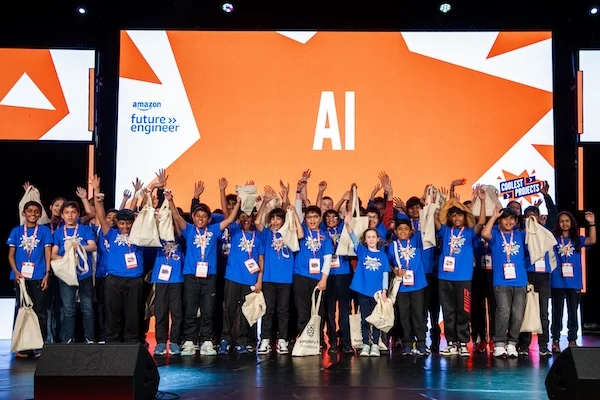
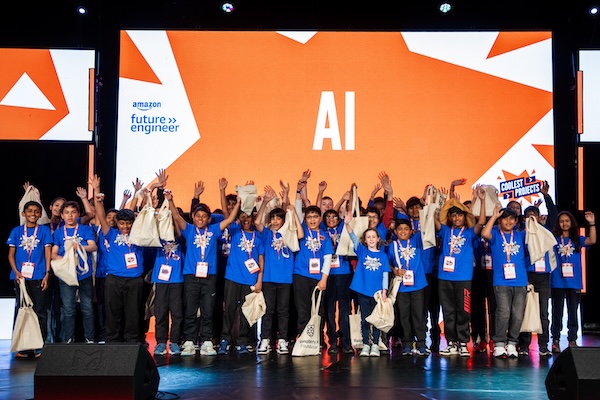
The city of Bradford solidified its reputation as a burgeoning hub for technological education this May as it hosted the Coolest Projects UK showcase, an annual celebration of youth-led digital innovation. More than 200 young creators, ranging from primary school students to teenagers, gathered to present an array of self-built digital projects to the public, industry experts, and peers. The event, which serves as a cornerstone of the UK’s efforts to foster STEM (Science, Technology, Engineering, and Mathematics) skills, highlighted the increasing sophistication of projects developed by the next generation of software engineers, hardware designers, and data scientists.
Coolest Projects UK is an initiative designed to provide a platform for young people to transition from being passive consumers of technology to active creators. This year’s participants brought forward projects spanning several advanced categories, including Scratch-based animations, Python programming, Artificial Intelligence (AI) implementations, physical hardware builds, web design, and complex game development. The showcase functioned not only as an exhibition but also as a networking opportunity, where participants engaged in professional-style feedback sessions with judges and industry veterans, gaining insights into the practical applications of their creative endeavors.
The 2026 event was characterized by a diverse demographic of participants. These young innovators arrived from various educational backgrounds, including community-based Code Clubs, formal school environments, Scout groups, CoderDojos, and independent learning setups. The inclusive nature of the event was a central theme, emphasizing that the path to digital literacy is accessible through multiple channels regardless of socioeconomic background.
The Strategic Importance of the Bradford Workshops
In the weeks leading up to the main event, a series of targeted local workshops were conducted across Bradford. These sessions were strategically designed to lower the barrier to entry for first-time participants. By providing access to hardware, software, and mentorship, the organizers ensured that young people who might not have had prior exposure to coding could develop their ideas into viable projects. These workshops focused on the fundamentals of digital making, project management, and public speaking, equipping the students with the confidence necessary to present their work to a large audience.
The decision to host the event in Bradford for another year aligns with broader regional development goals. As part of the "Northern Powerhouse" initiative, there has been a significant push to increase digital infrastructure and literacy in West Yorkshire. By centering a national tech event in the city, the Raspberry Pi Foundation and its partners are directly addressing the "digital divide," ensuring that the talent pipeline for the UK’s tech sector is geographically diverse.
Scouting a New Path: The Integration of Digital Badges
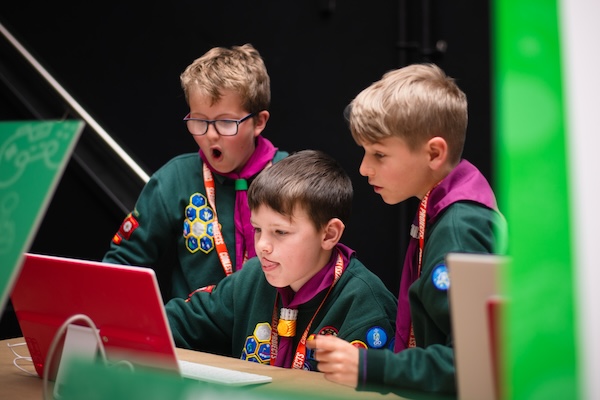
A significant highlight of the 2026 showcase was the participation of 57 Scouts from six different Yorkshire-based groups. This collaboration represents a modern evolution of the Scouting movement, integrating traditional teamwork and problem-solving with 21st-century technical skills. The Scouts participated in intensive digital making workshops where they utilized Scratch’s AI-facial recognition extensions to develop custom selfie filters.
This specific curriculum allowed the participants to earn their DM1 Digital Maker badges, a credential that recognizes a foundational understanding of how software can interact with the physical world through sensors and camera inputs. For many of these Scouts, the Coolest Projects showcase was their first encounter with public exhibition. The experience of explaining their logic and troubleshooting processes to the public is a critical component of the "soft skills" that industry leaders cite as being as important as the coding itself.
Technical Deep Dives: Highlights from the Exhibition Floor
The projects on display reflected a high level of technical curiosity and a desire to solve real-world problems or explain complex scientific concepts through interactive media.
One of the standout hardware projects was "Pop Bot," created by a young innovator named Seth. Pop Bot is a robotic reminder system that integrates facial recognition technology to provide personalized audio cues. The build utilized a combination of accessible materials—such as cardboard boxes and tubes—and sophisticated electronics. Seth used AI training models to help the robot distinguish between different individuals. During his presentation, Seth detailed the iterative process of machine learning, noting that the system initially struggled with accuracy. To overcome this, he expanded his data set by taking photographs in various lighting conditions and against different backgrounds, a practical application of the data augmentation techniques used by professional AI developers.
In the gaming category, Chinemerem presented "Immune System Defence," a project developed within the Roblox ecosystem. The game serves as an educational tool, translating biological processes into a "tower defense" gameplay style. Players must strategically deploy white blood cells and vitamin boosts to defend the heart from viral waves. Chinemerem explained that the inspiration for the game came directly from school science lessons. By gamifying the curriculum, the project demonstrated how digital making can be used as a pedagogical tool to reinforce academic learning. The use of QR codes at the booth allowed visitors to play the game in real-time, providing the creator with immediate user experience (UX) feedback.
Another notable entry was Gabriel’s "Fossil Roulette," a Scratch-based game that explores the statistical rarity of the fossilization process. Inspired by the Fossil Festival in Lyme Regis, Gabriel coded a three-stage roulette wheel to simulate the conditions required for an organism to become a fossil. The technical challenge Gabriel highlighted involved the physics of the wheel’s rotation—specifically, coding a realistic deceleration script to ensure the game felt authentic and engaging.
The Role of Public Engagement and Science Communication
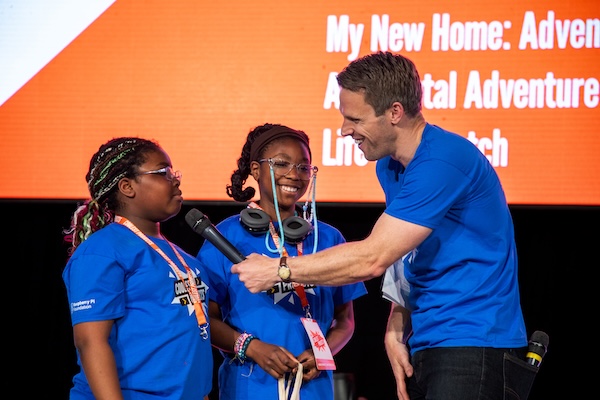
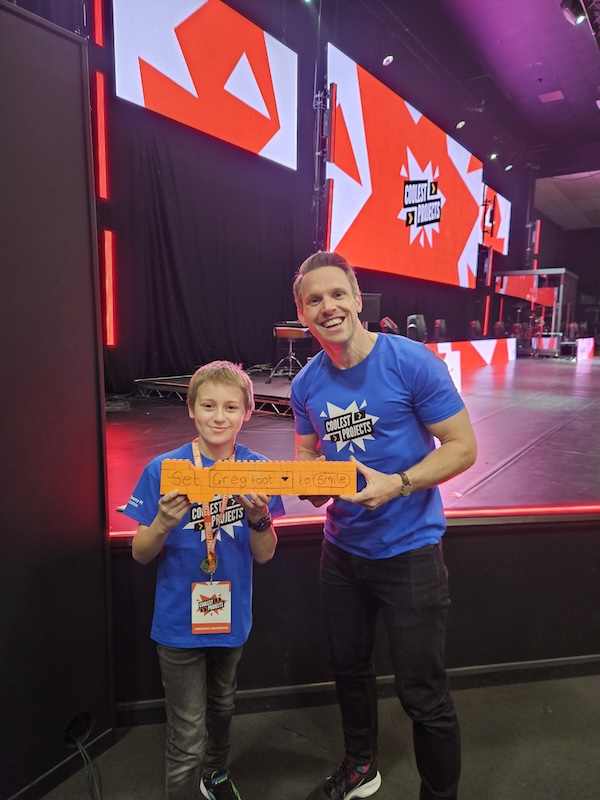
The atmosphere of the event was further elevated by the presence of Greg Foot, a well-known BBC science presenter. Foot’s involvement underscored the importance of science communication. Throughout the day, he interviewed the young creators, bringing their stories to a wider audience and validating their efforts through professional recognition. Seth, the creator of Pop Bot, even integrated a "human element" into his tech-heavy day by presenting Foot with a custom-built, oversized "Scratch block" made from Duplo and Lego, demonstrating the playful and community-oriented spirit of the event.
The day concluded with a celebration ceremony that eschewed traditional high-pressure competition in favor of broad recognition. While specific "judges’ favorites" were highlighted for their exceptional execution or originality, every participant was honored. This approach is intended to encourage long-term retention in STEM fields by fostering a sense of belonging and accomplishment.
Data and Implications for the UK Tech Sector
The success of events like Coolest Projects UK comes at a critical time for the British economy. According to recent industry reports, the UK’s digital sector is growing six times faster than any other industry, yet a significant "digital skills gap" remains. Research suggests that by 2030, the UK will require millions of additional workers with advanced digital skills to remain globally competitive.
Programs like Code Club and Coolest Projects are instrumental in addressing this shortfall. By engaging children as young as seven or eight, these initiatives tap into natural curiosity before stereotypes about "who belongs in tech" can take root. Data from the Raspberry Pi Foundation indicates that students who participate in extracurricular coding clubs are significantly more likely to pursue computer science at the GCSE and A-Level stages.
Furthermore, the emphasis on AI in this year’s projects reflects the shifting landscape of the global workforce. By introducing 10-year-olds to the concepts of facial recognition and machine learning models, the event prepares them for a future where AI literacy will be a baseline requirement across almost all professional fields.
Conclusion and Global Outlook
As the Bradford event concludes, the momentum of the Coolest Projects movement continues to grow. While the UK showcase for 2026 has wrapped up, similar events are scheduled to take place in Ireland, the United States, and online, forming a global network of young creators.
The long-term impact of the Coolest Projects UK showcase extends beyond the individual lines of code written or the robots built. It lies in the cultivation of a "maker mindset"—a combination of technical competence, creative confidence, and the resilience to troubleshoot failures. As these 200 young people return to their schools and communities in Bradford and beyond, they carry with them the experience of having transformed an abstract idea into a tangible digital reality. For the UK tech industry, the event serves as a promising preview of the innovation to come.