General Motors is making a significant stride towards simplifying the electric vehicle ownership experience with the introduction of its new "Energy Pass" and "Plug and Charge" technologies. These innovations aim to eliminate the common frustrations associated with EV charging, such as managing multiple apps and payment methods, by offering a seamless, integrated approach for drivers of Cadillac, Chevrolet, and GMC electric vehicles. Concurrently, the broader automotive and aerospace landscape sees contrasting developments, with SpaceX making a notable investment in fossil fuel infrastructure and Tesla’s long-anticipated Roadster facing yet another indefinite delay, sparking renewed questions about the company’s product development timelines.
The "Energy Pass" and "Plug and Charge" suite represents GM’s commitment to enhancing customer convenience and accelerating EV adoption. The core principle behind these technologies is to remove the friction points that have historically deterred some consumers from embracing electric mobility. Traditionally, charging an EV has involved a multi-step process: locating a compatible charging station, often needing to identify the network provider, downloading a specific app, creating an account, inputting payment details, and then initiating the charging session. This can be particularly cumbersome when traveling or in unfamiliar areas.
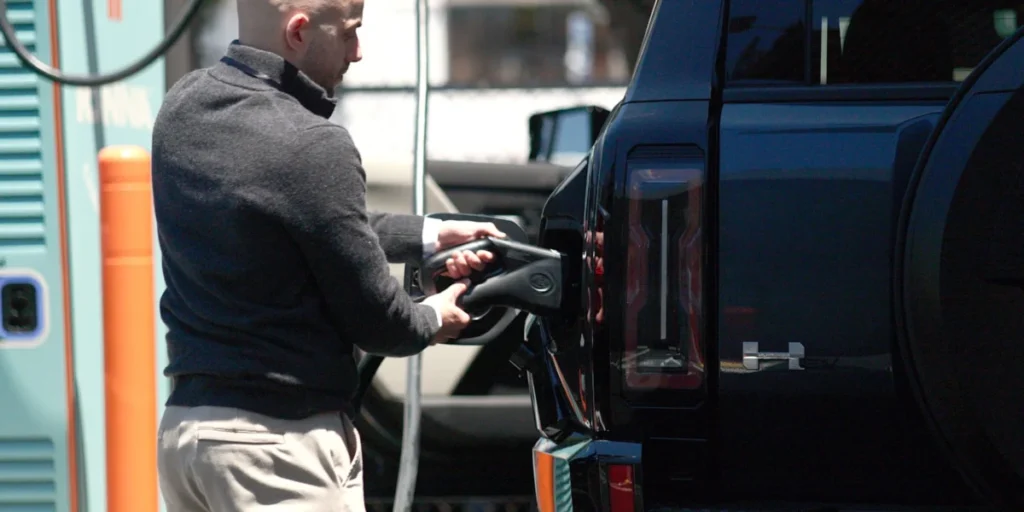
With "Plug and Charge," the process is dramatically simplified. When a GM electric vehicle equipped with this technology is plugged into a participating charging station, the vehicle and the charging station communicate automatically. This handshake authenticates the vehicle and authorizes the charging session without any manual intervention from the driver. In essence, the driver simply plugs in, and the charging begins. This is akin to the plug-and-play simplicity that consumers expect from modern technology.

The "Energy Pass" complements "Plug and Charge" by providing a unified platform for managing charging sessions and related services. While the specific functionalities of "Energy Pass" are still being detailed, its integration with "Plug and Charge" suggests a comprehensive approach to EV energy management. This could potentially include features like intelligent route planning that factors in charging stops, monitoring charging status, accessing charging history, and managing billing, all within a single, user-friendly interface. The aim is to create an ecosystem where charging is as effortless as refueling a gasoline-powered car.
The implications of such a move by a major automaker like GM are substantial. By tackling the charging experience head-on, GM is addressing a critical barrier to widespread EV adoption. If successfully implemented across a broad network of charging providers, "Plug and Charge" could become a de facto standard, encouraging other manufacturers to adopt similar interoperable solutions. This would create a more cohesive and user-friendly charging infrastructure for all EV drivers, regardless of their vehicle brand.
The success of "Plug and Charge" hinges on the widespread adoption of the ISO 15118 standard, which underpins the technology. This international standard facilitates secure communication and authentication between electric vehicles and charging infrastructure. GM’s initiative is likely to spur further investment and development in this area, accelerating the rollout of compatible charging stations. Industry analysts suggest that a seamless charging experience is paramount for the mass market appeal of EVs, and GM’s move could be a catalyst for broader industry cooperation.
In stark contrast to GM’s focus on simplifying the EV charging experience, SpaceX, the aerospace company founded by Elon Musk, has reportedly opted to power its newest mega chip factory with fossil fuels. This decision comes at a time when many companies are increasingly prioritizing renewable energy sources for their operations, driven by environmental concerns and corporate sustainability goals. The choice to rely on fossil fuels for a cutting-edge manufacturing facility raises questions about SpaceX’s energy strategy and its commitment to sustainability beyond its space exploration endeavors.

The details surrounding SpaceX’s energy choices for its chip factory are still emerging, but the reliance on fossil fuels for such a facility could have significant environmental implications. Chip manufacturing is an energy-intensive process, and the carbon footprint associated with powering a large factory with fossil fuels can be substantial. This move appears to diverge from the often-articulated vision of a sustainable future that is frequently associated with Musk’s ventures.
While specific justifications for SpaceX’s decision have not been widely publicized, potential factors could include the availability and cost of fossil fuels in the chosen location, the reliability of existing fossil fuel infrastructure, or specific energy demands of the manufacturing processes that might be more readily met by traditional power sources in the short term. However, this decision is likely to be scrutinized by environmental groups and the public, particularly given the growing emphasis on decarbonization across all sectors.
The juxtaposition of GM’s efforts to streamline EV charging with SpaceX’s apparent reliance on fossil fuels highlights the complex and often contradictory landscape of the transition to cleaner energy and advanced technologies. While one company is actively working to make sustainable transportation more accessible, another, also led by Elon Musk, appears to be making different energy choices for its terrestrial operations.
Adding another layer of complexity to the narrative of technological advancement and product delivery is the ongoing saga of Tesla’s long-promised Roadster. The high-performance electric sports car, first unveiled in 2017 with claims of blistering acceleration and impressive range, has been repeatedly delayed. Elon Musk has, on numerous occasions, indicated that the Roadster is on the cusp of production, with timelines shifting from year to year. The latest pronouncements suggest a potential arrival "real soon," a phrase that has become a familiar refrain for enthusiasts and observers alike, now nearing a decade since the initial announcement.

The recurring delays surrounding the Tesla Roadster have become a recurring theme in the automotive world, often drawing comparisons to other ambitious but perpetually postponed projects. While Tesla has a track record of overcoming significant engineering challenges and delivering innovative products, the Roadster’s protracted development cycle has led to skepticism about its eventual market release. Factors contributing to these delays are likely multifaceted, potentially including shifting production priorities, unforeseen engineering hurdles, and the ongoing demand for Tesla’s core vehicle models like the Model 3 and Model Y.
The implications of these ongoing delays are significant for both Tesla and the broader electric sports car market. For Tesla, the Roadster represents a halo product that could showcase the pinnacle of its electric performance technology. Its delayed release means a missed opportunity to capture a segment of the luxury performance market and potentially generate significant buzz and prestige. For consumers and competitors, the uncertainty surrounding the Roadster’s availability means that the groundbreaking performance figures initially promised by Tesla may be surpassed by other manufacturers before the Roadster even hits the road.
The narrative surrounding these three distinct developments – GM’s charging simplification, SpaceX’s energy choices, and Tesla’s persistent Roadster delays – paints a nuanced picture of the current state of automotive and aerospace innovation. It underscores the multifaceted challenges and opportunities inherent in the transition to a more sustainable and technologically advanced future. While some companies are forging ahead with initiatives to enhance the user experience of electric vehicles, others are navigating complex energy decisions, and some are grappling with the realities of bringing highly ambitious, long-term projects to fruition.
The success of GM’s "Energy Pass" and "Plug and Charge" will ultimately depend on the speed and breadth of charging network participation and the seamless integration of these systems into existing vehicle fleets. For SpaceX, the long-term implications of its energy sourcing decisions will be subject to increasing scrutiny as the global imperative to reduce carbon emissions intensifies. And for Tesla, the continued deferral of the Roadster’s launch raises questions about its product pipeline and its ability to consistently deliver on ambitious timelines, even as it continues to dominate the electric vehicle market with its current offerings. The coming months and years will undoubtedly provide further clarity on the trajectory of these significant developments.