The consultation on the Zero Emission Vehicle (ZEV) mandate is poised to hear compelling arguments from both proponents and opponents of its current trajectory. While the urgency for transitioning to cleaner transportation is undeniable, the practical realities faced by the UK automotive sector necessitate a re-evaluation of the stringent targets, with significant implications for jobs, investment, and the nation’s industrial future. The need for change is clear – and the time to act is now.
The debate surrounding the ZEV mandate, a cornerstone of the UK’s strategy to phase out the sale of new petrol and diesel cars by 2030, has intensified as manufacturers and importers present a united front, detailing the substantial financial burdens they have incurred. For several years, the automotive industry has grappled with significant financial strain, amounting to billions of pounds, primarily due to the substantial incentives required to stimulate a relatively sluggish electric vehicle (EV) market. These incentives, ranging from direct subsidies and reduced pricing to enhanced marketing efforts, have been crucial in nudging consumers towards EVs and in helping manufacturers approach the ZEV mandate’s required sales volumes. However, the sustained need for these costly interventions highlights a market that is not yet fully self-sustaining at the pace mandated.
Background to the ZEV Mandate
The ZEV mandate, introduced as part of the UK government’s commitment to achieving net-zero emissions by 2050, requires a steadily increasing proportion of new cars and vans sold by manufacturers to be zero-emission. Initially set to ramp up significantly in the coming years, the mandate dictates that by 2024, 22% of new car sales must be zero-emission, rising to 80% by 2030. For vans, the targets are slightly different, with 10% required by 2024, escalating to 100% by 2035.
The policy’s intent is to accelerate the adoption of electric vehicles, thereby reducing road transport emissions, improving air quality in urban areas, and positioning the UK as a leader in green technology. However, the rapid pace of these targets has outstripped the current market’s organic growth and consumer readiness in several key areas.
The Financial Strain on the Automotive Sector
Industry bodies, including the Society of Motor Manufacturers and Traders (SMMT), have consistently voiced concerns about the financial viability of meeting these ambitious targets. The SMMT has reported that the cost of providing incentives to bridge the price gap between EVs and their internal combustion engine (ICE) equivalents has run into billions of pounds across the sector. This financial pressure is exacerbated by several factors:
- High Upfront Cost of EVs: Despite falling battery prices, EVs generally remain more expensive to purchase than comparable ICE vehicles. This price disparity is a significant barrier for many consumers, particularly in the current economic climate.
- Limited Consumer Choice and Infrastructure Concerns: While the range of EV models is expanding, consumer choice in certain segments, particularly affordable smaller cars, is still less comprehensive than in the ICE market. Furthermore, concerns about the availability and reliability of public charging infrastructure continue to deter some potential buyers.
- Global Supply Chain Challenges: The automotive industry has been navigating ongoing global supply chain disruptions, impacting the availability of components and driving up production costs. This has made it more challenging and expensive to scale up EV production.
- Reduced Profit Margins: To make EVs more appealing and meet regulatory requirements, manufacturers have been forced to absorb a significant portion of the cost difference, leading to reduced profit margins on these vehicles. Some reports suggest that in certain cases, manufacturers are selling EVs at a loss to comply with the mandate.
Arguments for Easing the Mandate
The call for easing the ZEV mandate is underpinned by a pragmatic assessment of the industry’s current capabilities and the market’s receptiveness. Proponents of a revised approach argue that:
- Protecting UK Manufacturing Jobs: The UK automotive industry is a significant employer, supporting hundreds of thousands of jobs directly and indirectly. A rushed transition, leading to financial distress for manufacturers and potentially reduced production volumes, could jeopardise these livelihoods. Investment in new EV manufacturing facilities is substantial, and a faltering market could deter future investment, leading to job losses and a decline in domestic manufacturing capacity.
- Maintaining Competitiveness: If the UK’s targets are significantly out of step with other major markets, it could place UK-based manufacturers at a competitive disadvantage. Competitors in regions with more gradual transitions might be better positioned to invest and innovate without the same level of immediate financial pressure.
- Ensuring Consumer Affordability: A more gradual transition would allow for greater price parity between EVs and ICE vehicles, making electric mobility more accessible to a broader segment of the population. This would prevent the mandate from inadvertently creating a two-tier transport system where only the affluent can afford to drive zero-emission vehicles.
- Allowing for Infrastructure Development: While progress is being made, the pace of charging infrastructure rollout, particularly in rural areas and on private land, needs to accelerate to match the ambition of the ZEV mandate. A slower pace of EV adoption would provide a more manageable timeline for this critical infrastructure development.
The Government’s Position and Consultation Process
The Department for Transport has initiated a formal consultation period to gather evidence and arguments from all stakeholders regarding the ZEV mandate. This consultation acknowledges the concerns raised by the industry and the potential challenges in meeting the current trajectory of targets. The government has stated its commitment to achieving its net-zero goals but also recognises the need to ensure a smooth and sustainable transition for the automotive sector.
The consultation process is expected to cover several key areas:
- The Pace of the Mandate: Whether the current year-on-year increases in ZEV sales quotas are achievable and sustainable.
- Flexibility Mechanisms: Exploring potential adjustments to the penalties for non-compliance, or the introduction of new flexibility mechanisms that could help manufacturers manage their compliance obligations.
- Consumer Incentives: The role of government incentives in driving EV adoption and whether these need to be sustained or adapted.
- Infrastructure Development: The effectiveness of current strategies for expanding charging infrastructure and ensuring grid readiness.
Key Data and Supporting Evidence
Recent statistics paint a nuanced picture of the UK’s EV market:
- Market Share Growth: While sales of EVs have been growing, the pace of this growth has fluctuated. In 2023, Battery Electric Vehicles (BEVs) accounted for 16.5% of the new car market, a significant increase from previous years, but still short of the mandated targets for the coming years. Plug-in Hybrid Electric Vehicles (PHEVs) added another 7.9%, bringing the total plug-in vehicle share to 24.3%.
- Regional Disparities: EV adoption rates vary considerably across the UK, with higher uptake in more affluent urban areas and lower rates in rural and less economically developed regions. This highlights the challenge of achieving a uniform national uptake driven by a single, inflexible mandate.
- Consumer Confidence: Surveys consistently show that while consumer interest in EVs is rising, concerns about charging availability (66% of consumers), range anxiety (55%), and purchase price (53%) remain significant barriers, according to a 2023 report by the Department for Transport.
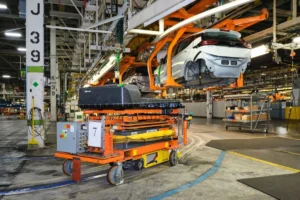
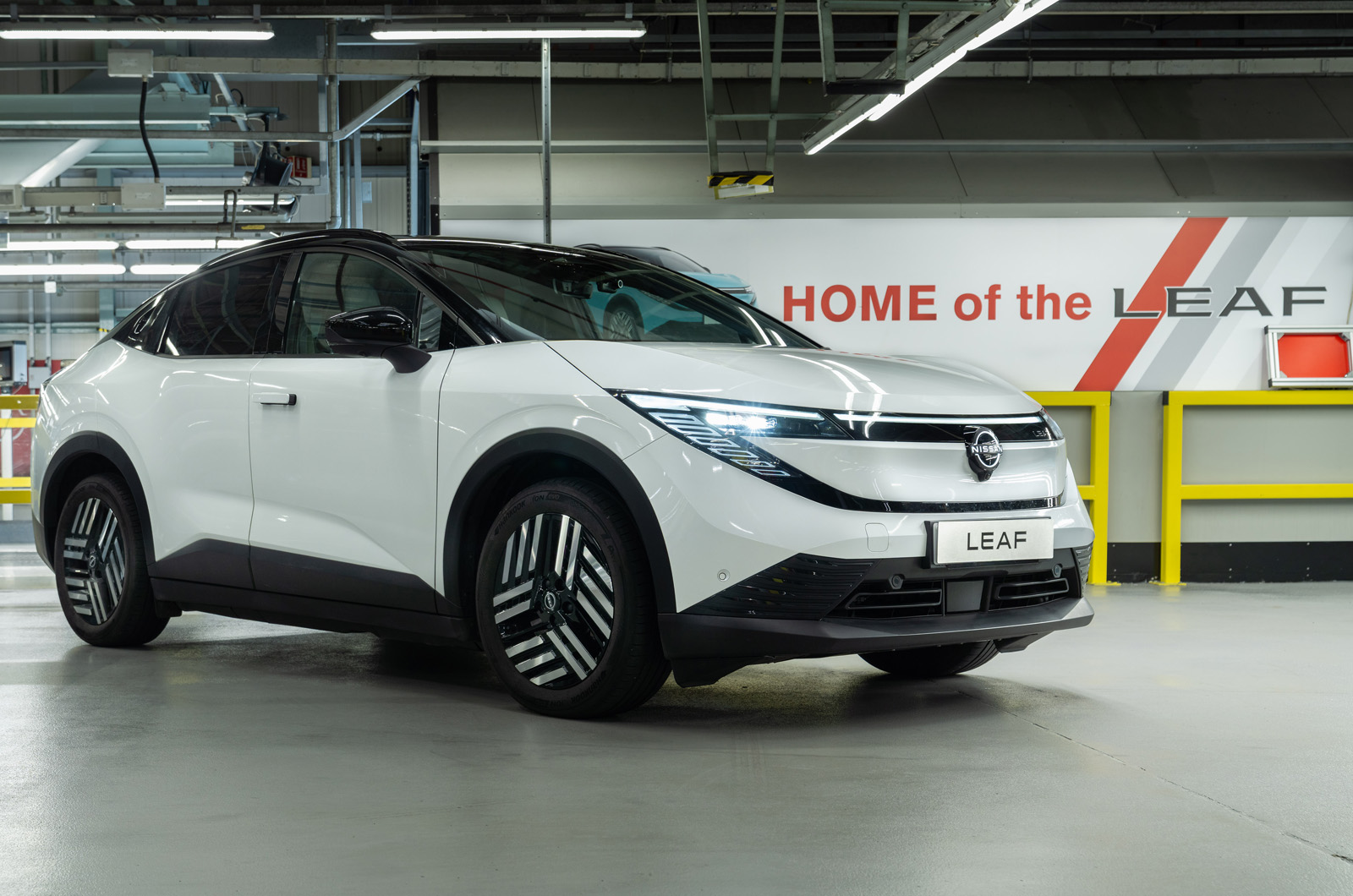
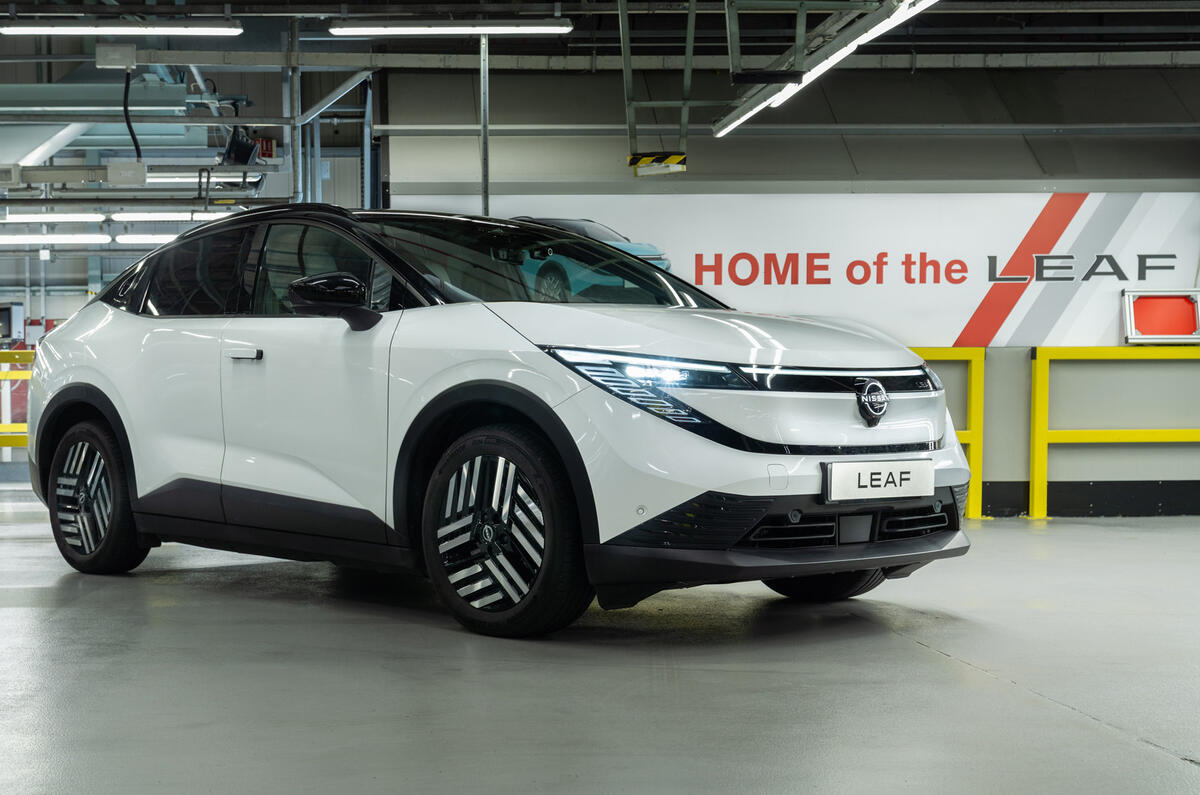
- Industry Investment: Major automotive manufacturers have committed billions of pounds to retooling UK factories for EV production, such as Nissan’s £2 billion investment in Sunderland for its Leaf and future EV models, and Stellantis’s £100 million investment in Ellesmere Port for electric vans. These investments are contingent on a stable and predictable market environment.
Reactions from Stakeholders
The announcement of the consultation has been met with cautious optimism from industry representatives. Mike Hawes, Chief Executive of the SMMT, stated, "The ZEV mandate is a crucial piece of legislation, but its current form presents significant challenges for manufacturers. We welcome the government’s commitment to reviewing the mandate and look forward to engaging in a constructive dialogue to find solutions that support both environmental goals and the sustainability of the UK automotive industry."
Environmental groups, however, have expressed concerns that any softening of the targets could undermine the UK’s climate commitments. A spokesperson for Friends of the Earth commented, "The 2030 ban on new petrol and diesel car sales is a vital commitment to tackling the climate emergency and improving air quality. Weakening the ZEV mandate would send the wrong signal and could jeopardise progress towards these critical goals. We urge the government to maintain the ambition of the targets."
Analysis of Implications
The outcome of the ZEV mandate consultation will have far-reaching implications:
- Economic Stability: A more flexible mandate could provide the necessary breathing room for the UK automotive sector to navigate the transition without severe financial repercussions. This would safeguard jobs, encourage continued investment, and support the broader UK economy. Conversely, a failure to adjust could lead to reduced manufacturing output, potential factory closures, and job losses, impacting regional economies disproportionately.
- Pace of Decarbonisation: While easing targets might slow the immediate pace of EV adoption, a more realistic and achievable trajectory could ultimately lead to a more sustainable and widespread transition. A forced, unachievable pace risks market backlash and could hinder long-term progress.
- Technological Advancement: A stable regulatory environment, even with adjusted targets, is crucial for continued investment in research and development of EV technology, battery production, and charging solutions. This could foster innovation and position the UK as a leader in green automotive technologies.
- Consumer Confidence and Affordability: A slower, more phased approach could allow for greater price parity and improved charging infrastructure, ultimately leading to higher and more sustained consumer confidence in EVs.
The coming months will be critical as the government weighs the complex interplay between environmental imperatives, industrial realities, and consumer behaviour. The ZEV mandate consultation represents a pivotal moment for the future of the UK automotive industry and its contribution to the nation’s net-zero ambitions. A balanced and pragmatic approach, one that acknowledges the challenges while maintaining a clear vision for a zero-emission future, will be essential for navigating this complex transition successfully.