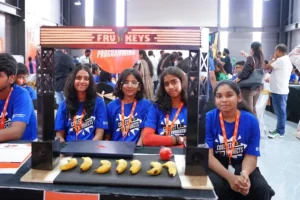
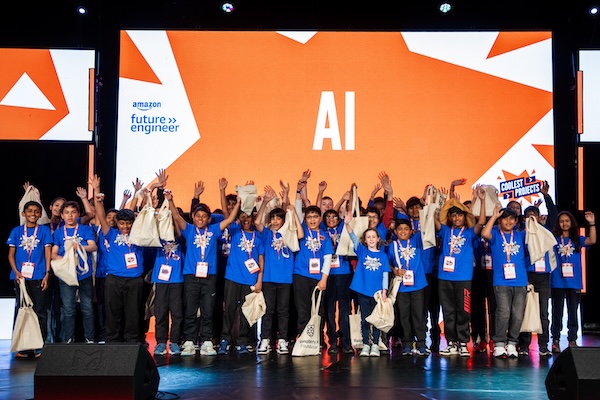
The city of Bradford served as a focal point for the next generation of technological talent this May as Coolest Projects UK returned to the region, drawing more than 200 young creators who presented a diverse array of self-designed digital innovations. Hosted at a time when the demand for digital literacy is reaching an all-time high, the event provided a critical platform for participants aged 7 to 18 to demonstrate their proficiency in software engineering, hardware integration, and artificial intelligence. This annual showcase, organized by the Raspberry Pi Foundation, emphasizes the transition of young people from passive consumers of technology to active creators, a shift that educators and industry leaders cite as essential for the future of the global economy.
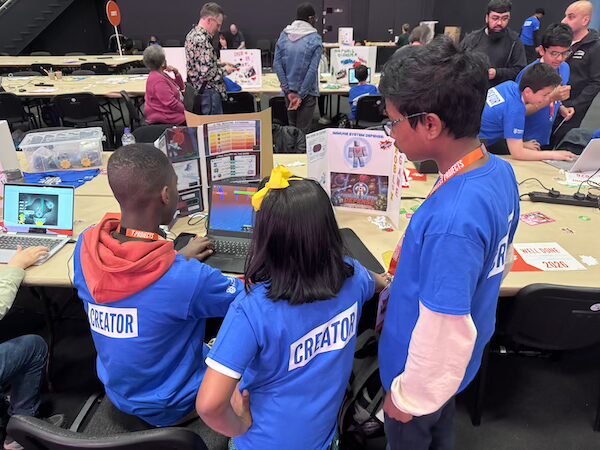
The 2026 event was characterized by its breadth of categories, ranging from entry-level Scratch animations to complex Python scripts, advanced AI applications, and intricate web design. The atmosphere in Bradford was one of high-energy collaboration, where the traditional "science fair" model was elevated through the inclusion of industry professionals and interactive zones. Throughout the day, attendees were invited to engage with the projects, while the young creators themselves defended their designs before a panel of expert judges. This interaction provided participants with rare access to high-level feedback, simulating the professional environments of tech startups and engineering firms.
A Strategic Approach to Digital Literacy
The success of Coolest Projects UK 2026 was not an isolated occurrence but the result of a coordinated effort to democratize access to computing education. In the months leading up to the May showcase, a series of local workshops were held across Bradford. These preparatory sessions were designed to lower the barrier to entry, particularly for those from underrepresented backgrounds or those with limited access to high-end hardware. By providing mentorship and resources ahead of the main event, organizers ensured that the showcase reflected a wide demographic of creators, including representatives from local schools, independent coding clubs, and community organizations.
Data from the Raspberry Pi Foundation suggests that such community-led initiatives are vital for sustaining interest in STEM (Science, Technology, Engineering, and Mathematics) subjects. According to recent educational metrics, students who participate in project-based learning events like Coolest Projects are significantly more likely to pursue computer science at the GCSE and A-level stages. The Bradford event underscored this trend, with many first-time participants reporting that the hands-on nature of the workshops gave them the confidence to present their work to a public audience for the first time.
The Role of Traditional Youth Organizations in Tech
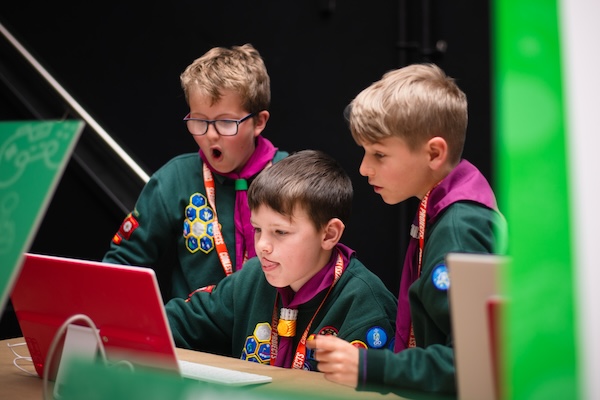
One of the most notable developments in the 2026 showcase was the significant involvement of the Scouts. A cohort of 57 Scouts from six different Yorkshire-based groups participated in dedicated digital making workshops integrated into the event. This partnership represents a modern evolution of the scouting movement, which has historically focused on outdoor survival and physical skills. By engaging with Scratch-based AI facial recognition tools to create custom selfie filters, these Scouts earned their DM1 Digital Maker badges, a credential that acknowledges their ability to navigate and manipulate digital environments.
This integration serves as a blueprint for how traditional youth organizations can pivot to remain relevant in a digital-first world. For many of these Scouts, the transition from scouting activities to coding was seamless, as both require problem-solving, teamwork, and iterative testing. The ability to exhibit their projects alongside independent developers and school-based teams allowed the Scouts to see their work within a broader professional context, reinforcing the idea that digital making is a versatile skill applicable to all walks of life.
Spotlight on Innovation: Featured Projects and Technical Achievement
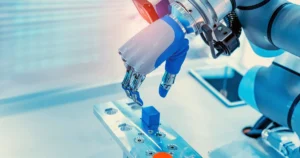
The projects on display in Bradford showcased a sophisticated understanding of current technological trends. Among the highlights was "Pop Bot," a hardware-based robotic reminder system developed by a young creator named Seth. The project utilized a combination of physical sensors and AI-driven facial recognition to identify specific individuals and deliver personalized audio messages. Seth’s project was particularly lauded by judges for its "low-fidelity, high-concept" approach; the robot was constructed from recycled materials like boxes and tubes, yet it housed a complex software architecture.
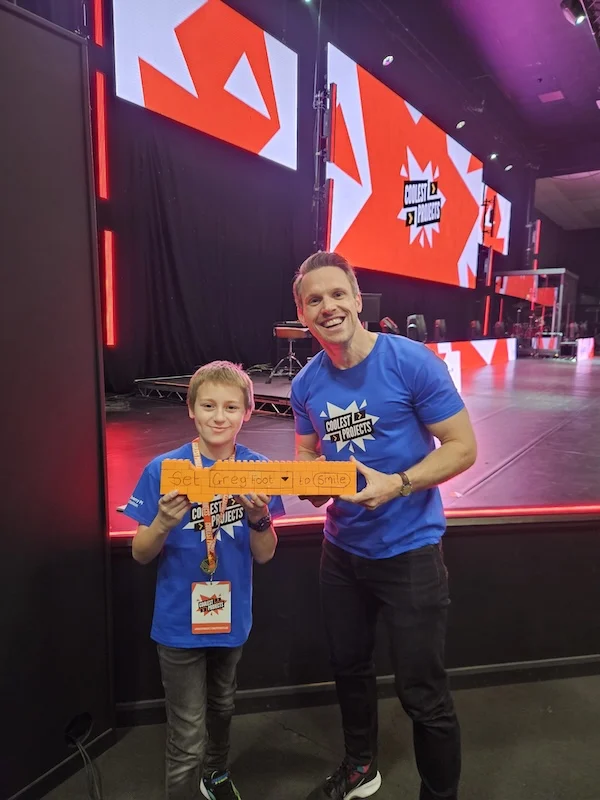
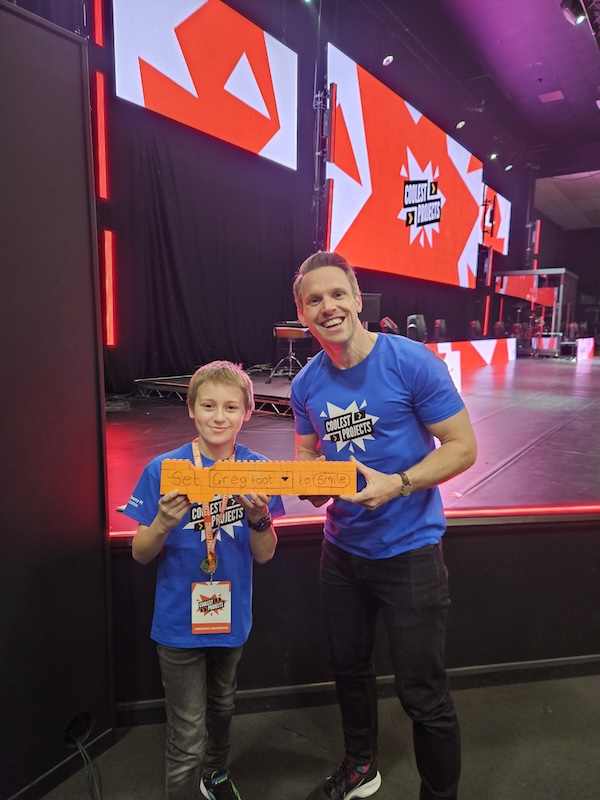
Seth’s experience also highlighted the iterative nature of engineering. During his presentation, he noted that the facial recognition system initially struggled with varying light conditions and backgrounds. To overcome this, he engaged in data augmentation, taking hundreds of additional photos in different environments to train his model more effectively. His dedication extended beyond the technical; Seth also constructed a physical "Scratch block" made from Duplo and Lego to present to the event’s host, BBC science presenter Greg Foot, symbolizing the intersection of play and programming.
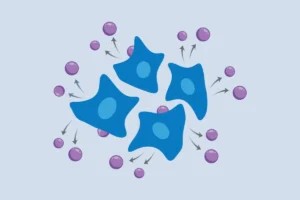
In the gaming category, Chinemerem presented "Immune System Defence," a project built within the Roblox engine. Unlike standard entertainment-focused games, this project was an "edutainment" tool designed to teach players about human biology. Players were tasked with defending a heart from viral infections using white blood cells and vitamin boosts as defensive towers. By leveraging the popularity of Roblox, Chinemerem demonstrated how existing platforms can be repurposed for educational advocacy. The project was inspired by school science lessons, proving that digital making can serve as a powerful tool for reinforcing academic concepts.
Another standout was Gabriel’s "Fossil Roulette," a Scratch-based game that modeled the statistical rarity of the fossilization process. Inspired by a visit to the Fossil Festival in Lyme Regis, Gabriel translated a physical board game concept into a digital format. The technical challenge of the project lay in the physics of the "roulette wheel," which required precise coding to simulate realistic deceleration. Such projects illustrate the "computational thinking" that Coolest Projects aims to foster—the ability to break down a complex real-world process into a series of logical, programmable steps.
Expert Engagement and the Role of Mentorship
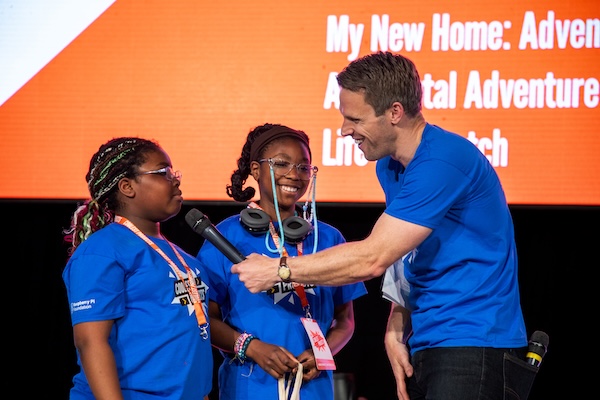
The presence of Greg Foot, a well-known figure in science communication, added a layer of professional prestige to the event. Foot spent the day interviewing creators, often diving deep into the "why" behind their inventions. This type of engagement is crucial for young people, as it validates their work and helps them develop the "soft skills" necessary for a career in technology, such as public speaking and technical storytelling.
The judging process itself was designed to be constructive rather than purely competitive. Judges, drawn from various sectors of the UK tech industry, focused on four key pillars: complexity, design, usability, and the "cool" factor. While every participant received a certificate of recognition, the awards ceremony at the end of the day highlighted those who had demonstrated exceptional ingenuity or perseverance. This recognition serves as a powerful motivator; for many young creators, the validation of an industry professional is a turning point in their educational journey.
Broader Impact and the Future of Digital Making
The implications of events like Coolest Projects UK extend far beyond the walls of the venue in Bradford. As the UK continues to grapple with a significant digital skills gap—estimated by some industry reports to cost the economy billions in lost productivity—initiatives that spark early interest in coding are of national importance. By fostering a culture of "making," the Raspberry Pi Foundation is helping to ensure that the next generation is equipped to handle the challenges of an AI-driven workforce.
Furthermore, the event highlights the importance of "community spaces" for learning. While formal computer science education is part of the national curriculum, the informal, creative environment of a Code Club or a CoderDojo allows for a level of experimentation that is often difficult to achieve in a classroom setting. The 2026 showcase proved that when young people are given the tools and the freedom to create, they can produce solutions that are both innovative and socially relevant.
As the 2026 UK showcase concludes, the momentum of Coolest Projects continues globally. Similar events are scheduled across various international locations, creating a global network of young makers who share ideas and inspiration online. For the participants in Bradford, the event was not an end, but a beginning. With the support of organizations like Code Club, these young innovators will continue to refine their skills, proving that the future of technology is in capable, creative hands.
The success of the Bradford event serves as a call to action for volunteers, educators, and industry leaders to continue supporting these grassroots movements. As technology continues to evolve at an exponential rate, the ability to understand, manipulate, and create with digital tools will remain the most valuable asset a young person can possess. Coolest Projects UK 2026 has once again demonstrated that with the right encouragement, the youth of today are more than ready to build the world of tomorrow.