The invitation from Citizen Watch Company to visit their manufacturing facilities and delve into the intricacies of their proprietary Eco-Drive technology was, by all accounts, an exceptional professional opportunity. However, the experience extended far beyond the technical marvels of watchmaking. As teased on a recent podcast episode, the warmth and transparency exhibited by every member of Citizen’s team were not the sole factors contributing to the unique and special nature of this press trip. Citizen orchestrated an incredibly generous itinerary, flying participants halfway around the world and thoughtfully incorporating opportunities for cultural immersion and personal exploration, transforming a business trip into a profound journey of discovery.

The expedition commenced and concluded in Tokyo, a city that served as the gateway to a multifaceted exploration of Japanese heritage. Among the myriad of experiences, three activities stood out as particularly essential, especially given the fortunate timing of the visit during Japan’s most breathtaking season: the cherry blossom bloom. This ephemeral spectacle, characterized by its fleeting beauty, offers a poignant reminder to cherish transient moments. The delicate color and texture of these blossoms have, for centuries, served as a profound muse for Japanese watchmakers, a subtle yet powerful connection between nature’s artistry and the precision of horology.
The Serenity of Shinjuku Gyoen and the Efficiency of Tokyo’s Transit
The initial encounter with this natural splendor took place at Shinjuku Gyoen Garden, a mere 30-minute train ride from Tokyo’s bustling city center and conveniently located steps from Shinjuku Station. Before delving further into the garden’s marvels, it is imperative to acknowledge the extraordinary efficiency and cleanliness of Tokyo’s public transportation system. For residents of major metropolises accustomed to the daily rhythm of subways, trains, or tubes, the Tokyo system offers a benchmark of unparalleled excellence. Even for those new to public transit, navigating Tokyo’s network is remarkably intuitive, featuring impeccably maintained stations, clear directional signage indicating precise boarding and alighting points for optimal efficiency, and, crucially, trains that adhere to their schedules with unwavering punctuality. This seamless transit system significantly enhances the visitor experience, allowing for more time to be dedicated to exploration and less to logistical challenges.

Shinjuku Gyoen Garden itself is a sprawling, verdant urban sanctuary. Spanning nearly 150 acres, it masterfully blends traditional Japanese landscape design with European influences from France and England. The garden boasts over 900 cherry blossom trees, ensuring an optimal viewing experience during the peak bloom. It provides an idyllic setting for leisurely picnics or extended strolls, offering a tranquil respite from the urban intensity. The sheer scale and meticulous design of the garden underscore the Japanese reverence for nature, even within the heart of a megacity.
Spiritual Solace at Meiji Shrine
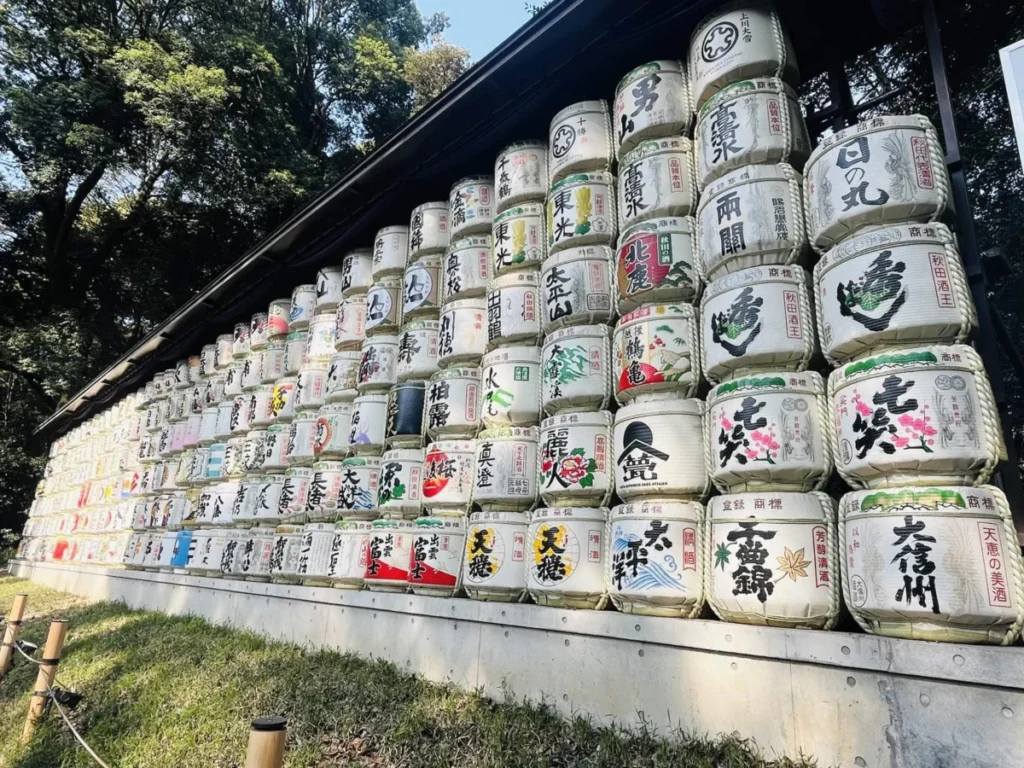
Another destination, easily accessible via Tokyo’s immaculate train network, is the Meiji Shrine in Shibuya. This significant Shinto shrine is dedicated to Emperor Meiji and Empress Shoken, the imperial couple who presided over Japan’s modernization at the close of the samurai era. The shrine grounds offer several notable features, including towering 12-meter-tall torii gates crafted from cypress wood dating back 1,500 years. Additionally, the approach to the main hall is lined with stacks of vibrantly decorated sake casks, a testament to the enduring cultural practices associated with this sacred space. The Meiji Shrine provides a welcome coolness on warmer days, shielded by the dense canopy of over 100,000 trees.

The pervasive presence of nature, evident in both the Shinjuku Gyoen Garden and the Meiji Shrine, within the urban confines of Tokyo, highlighted its integral role in Japanese culture, even for city dwellers. This observation offered a profound insight into the often-asked question of whether the nature-inspired elements found in Japanese watchmaking are merely narrative devices or authentic reflections of deeply held values. Based on the firsthand experience in Japan, it became clear that these natural motifs are indeed an authentic embodiment of Japanese aesthetics and cultural priorities.
A Sunset Cruise on Tokyo Bay
The culmination of the Tokyo portion of the trip involved a picturesque cruise on Tokyo Bay with Mikawaya Yakatabune. This historic operator, based in Shinagawa, boasts a legacy spanning over 170 years. The traditional "funayado" (houseboat) provided an authentic Edo-period hospitality experience, complete with traditional cuisine served aboard a beautifully maintained yakatabune. The cruise offered stunning panoramic views of the Tokyo skyline while participants savored exceptional food, including fresh sashimi and perfectly fried tempura prepared with an array of seasonal ingredients. This experience served as a sophisticated blend of culinary delight and scenic appreciation, offering a unique perspective on the city.

Culinary Discoveries: The Unexpected Excellence of 7-Eleven
Beyond the curated experiences, a significant culinary highlight emerged from an unlikely source: Japan’s 7-Eleven convenience stores. The Japanese iteration of this ubiquitous chain transcends the typical convenience store fare found elsewhere. Instead, these stores present a veritable treasure trove of high-quality Japanese snacks and meals. Far from the chemical-laden offerings sometimes encountered in other countries, Japanese 7-Elevens provide delicious and convenient options for breakfast, lunch, dinner, or a quick snack. The author reported patronizing these establishments daily, citing personal favorites such as the iconic egg salad sandwich on soft milk bread, the strawberry crueler, and the versatile onigiri rice balls. This discovery underscored the meticulous attention to quality and detail that permeates even the most commonplace aspects of Japanese daily life.
Venturing Beyond Tokyo: Rural Immersion and Ancient Arts
Citizen’s generosity extended to excursions outside Tokyo, utilizing the renowned Shinkansen (bullet train) to access the rural countryside. These journeys provided opportunities for deeper immersion into authentic, historic, and spiritual Japanese experiences.

The Art of Kintsugi: Embracing Imperfection
One such profound experience was a workshop on Kintsugi, the traditional Japanese art of repairing broken pottery with lacquer and gold. This practice imbues repaired objects with a new narrative, celebrating their history and imperfections rather than attempting to conceal them. Participants selected a piece of antique, chipped pottery, with the author’s piece dating from the Edo Period (1615-1868) and featuring a design of cherry blossoms and arrows, symbolizing beauty and determination. Under the guidance of Yoshiko and Yoshiichiro Kuge of Kuge Crafts, participants learned the intricate process. This involved mixing lacquer and clay to fill cracks, filing the material smooth, and then applying a brass powder mixed with lacquer to highlight the repaired areas. While the visual repairs were completed within the workshop, the full setting and hardening of the materials require an additional two weeks. Kintsugi, as an art form, offers a powerful metaphor for resilience and the beauty of embracing one’s history, a philosophy that resonates deeply within Japanese culture and can be seen as a parallel to the enduring nature of well-crafted timepieces.
The Silent Journey of Yamabushi Monks
The exploration continued with a silent walk led by a Yamabushi monk along the pilgrimage trail of Mount Kosuge. This mountain is one of the three most sacred sites in Nagano for Shugendo, a form of Japanese mountain asceticism with over 1300 years of history. The experience began with a gathering in a temple, where participants donned traditional white pilgrim garments and learned sacred chants. The hike, through ancient cedar forests, was marked by stone statues and culminated near a water source, symbolizing reverence for the life-giving element that sustains the surrounding rice fields. Despite inclement weather on the day of the walk, the discomfort receded as the experience deepened, fostering a profound appreciation for the elemental forces that support life. This silent trek emphasized mindfulness, connection to nature, and the spiritual underpinnings of Japanese traditions.

A Taste of Tradition: Sake Tasting
The evening concluded with a vibrant cultural experience: a sake tasting. Sake, brewed from fermented rice, holds deep spiritual and social significance in Japan, often associated with bountiful harvests and good fortune. The tasting featured offerings from two Iiyama-based breweries: Tanakaya Brewing Company and Kadoguchi Sake Brewery. The sakes showcased the exceptional quality of the region’s pure spring water from Nozawa Onsen and locally grown large-grained rice, ideal for premium sake production. For the author, who had previously struggled to find a sake they enjoyed, this tasting proved to be a revelation. The sake sampled in Japan was described as truly special, unlike anything previously encountered, marking a personal breakthrough in appreciating this traditional beverage. This experience underscored how context and provenance can profoundly influence perception and enjoyment.
Personal Exploration and Souvenir Hunting
Beyond the organized itinerary, ample free time allowed for personal exploration and souvenir acquisition. This included visits to:

- Saboe: For exquisite teas.
- Miyawaki Baisen-an: For traditional fans.
- Ginza Natsuno: For artisanal chopsticks.
A fortunate alignment of dates allowed for a visit to the Oedo Antique Market, a sprawling emporium of vintage and handmade local goods, offering a glimpse into Japan’s rich material culture. The iconic 12-story stationery store, Itoya, presented a writer’s paradise, while local pharmacies offered the highly sought-after, TikTok-famous Nivea lip tint in various shades. A significant splurge was made on pieces from Kapital, a distinctive Japanese fashion brand known for its unique aesthetic. Furthermore, an insightful evening was spent with members of the Tokyo Watch Club, engaging in passionate discussions about horology and gaining a deeper understanding of the local watch community’s unique character.
Broader Implications and Future Prospects
This immersive journey, facilitated by Citizen Watch Company, proved to be one of the most enriching travel experiences, both professionally and personally. While the trip offered a profound glimpse into the soul of Japanese culture, it also served as a potent reminder of the vastness of what Japan has to offer. The author expressed a strong desire to return, indicating the potential for a future installment of this narrative, driven by the lingering curiosity and the many undiscovered facets of Japan. The trip reinforced the idea that the appreciation of time, as embodied by Citizen’s Eco-Drive technology, is deeply interwoven with a broader cultural appreciation for nature, tradition, and the transient beauty of life. The meticulous craftsmanship of Japanese timepieces, therefore, can be seen not merely as a product of engineering prowess but as a tangible expression of a profound cultural philosophy. The experience provided a unique lens through which to view the symbiotic relationship between technological innovation and the enduring artistic and spiritual heritage of Japan, demonstrating how even a business-focused press trip can evolve into an exploration of cultural depth and personal growth.