The quest to restore and enhance a project vehicle often involves a meticulous process of addressing both mechanical integrity and aesthetic appeal. In a recent undertaking, the owner of a Toyota MR2 Spyder faced a significant cosmetic challenge: a passenger-side door marred by multiple dents and a broken exterior door handle. The fortunate discovery of a replacement door, matching the car’s existing color and in considerably better condition, from a local salvage yard, presented an opportunity for a direct swap, significantly improving the vehicle’s visual presentation and functionality. This strategic decision avoided the more labor-intensive and potentially costly route of attempting to repair the original damaged panel.
The Challenge: A Damaged Door on a Cherished Project Car
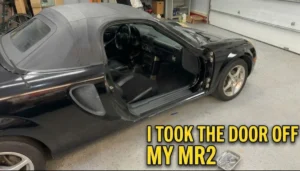
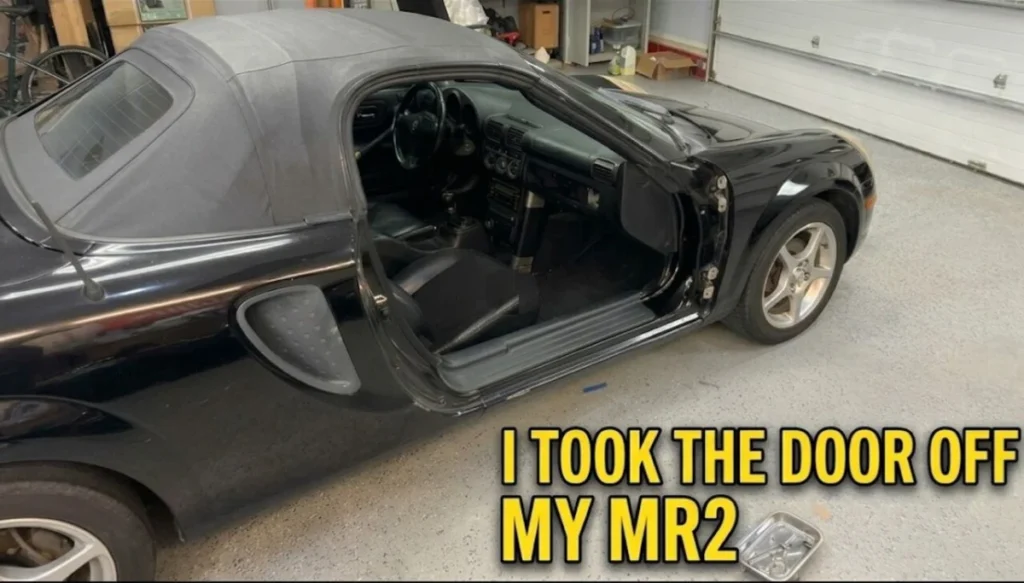
The Toyota MR2 Spyder, a lightweight, mid-engined sports car renowned for its agile handling and distinctive styling, is a popular choice for enthusiasts undertaking restoration and modification projects. However, as with any vehicle, age and use can lead to wear and tear, and sometimes, more significant damage. In this particular instance, the passenger-side door of the MR2 Spyder had succumbed to damage, rendering it both visually unappealing and functionally compromised. The presence of multiple dents indicated a past incident, likely a low-speed impact or a parking lot mishap, which had aesthetically marred the vehicle’s otherwise sleek profile. Compounding the visual defect was the broken exterior door handle, a critical component that not only affects the car’s appearance but also its usability.
The decision to address this issue was driven by the owner’s commitment to the MR2 Spyder as a project car, implying a desire to bring it back to a high standard. While the mechanical aspects of the car might have been the primary focus for performance enthusiasts, cosmetic imperfections can detract from the overall ownership experience and the vehicle’s resale value. For a sports car like the MR2 Spyder, where design and visual presence are integral to its appeal, a damaged door is a prominent flaw that demands attention.
The Solution: A Cost-Effective Salvage Yard Acquisition
The owner’s proactive approach led to a particularly fortuitous find: a replacement passenger-side door at a nearby salvage yard. The significance of this discovery cannot be overstated. Salvage yards serve as invaluable resources for automotive repair and restoration, offering used parts that can be significantly cheaper than new OEM (Original Equipment Manufacturer) components. The ideal scenario for a part replacement is to find a component that not only fits but also matches the vehicle’s existing color, thereby minimizing the need for additional painting and further reducing costs and complexity.
In this case, the salvaged door not only matched the MR2 Spyder’s color but was also in "much better condition" than the original. This suggests that the replacement panel was likely free from significant dents, rust, or other damage, making it a near-perfect substitute. The cost of this salvaged door was reported as $150, a remarkably low figure when compared to the price of a new door panel, which could easily run into hundreds or even thousands of dollars, especially for a specialized vehicle like the MR2 Spyder. This economic advantage of using salvaged parts is a cornerstone of many enthusiast-driven automotive projects.
The Swap: A Step-by-Step Process for a Smooth Transition
The process of swapping the damaged door for the salvaged one was documented, highlighting the practical steps involved. This undertaking, while requiring some mechanical aptitude, was presented as a manageable DIY project, especially with the assistance of another person.
1. Preparation and Disconnection
The initial phase involved carefully preparing the existing door for removal. This began with disconnecting the electrical wiring that runs from the car’s body into the door, controlling components such as power windows, door locks, and speakers. Accessing these connections typically requires removing interior trim panels. The owner detailed the removal of "a small nut and several plastic trim pieces," which is a common procedure to gain access to the door’s internal wiring harness. Two electrical connectors were identified and unplugged in the "lower corner of the door opening," signifying the point where the wiring transitions from the chassis to the door itself.
2. Detaching the Door from its Hinges
Once the electrical connections were secured, the next critical step was to physically detach the door from the car’s body by unbolting it from its hinges. This is a crucial stage where having a second person is paramount. A car door, even a relatively lightweight one like that of an MR2 Spyder, possesses considerable weight and awkwardness, making it difficult and potentially dangerous to manage alone. The presence of an assistant ensures that the door can be safely supported during the unbolting process and also during the subsequent reinstallation, preventing damage to the car, the door, or the individuals involved. The owner emphasized this point, noting that "balancing the door while aligning the hinge bolts would be difficult alone."
3. Transferring Internal Components and Electronics
A key aspect of a door swap is the transfer of essential internal components and electronics from the old door to the new one. This includes the window regulator, lock mechanisms, speakers, and any wiring harnesses specific to the door. The process involves carefully unbolting and removing these parts from the damaged door and meticulously installing them into the replacement panel. The owner’s approach involved transferring the "original electronics and interior components" into the salvaged door. This strategy is often more efficient and cost-effective than attempting to source and install all new internal components, especially if the original parts are still in good working order.
4. Addressing the Moisture Barrier and Adhesive
A often-overlooked but critical aspect of door repair and replacement is the moisture barrier. This is typically a plastic sheet adhered to the inner door frame, designed to prevent water from entering the cabin through the door cavity. This barrier must be carefully removed and reinstalled to maintain its effectiveness. The owner dedicated a specific step to this, highlighting the importance of replacing the adhesive that seals the moisture barrier. The original adhesive can degrade over time, losing its sealing properties.
The removal of the old adhesive was achieved using a small amount of brake cleaner to loosen it, followed by scraping with a bottle cap. New adhesive, purchased online, was then applied along the same path as the original material. This step is vital for preventing water ingress, which can lead to mold, rust, and electrical issues within the door. A specific caution was issued for MR2 Spyder owners regarding the door handle tabs and cables, emphasizing their correct positioning before sealing the moisture barrier, as accessing them again would necessitate reopening the door.
5. Reinstalling the Interior Door Panel
With the internal components installed and the moisture barrier secured, the final step in the door assembly process is the reinstallation of the interior door panel. This panel houses the armrest, window controls, and often the speaker grille, contributing significantly to the car’s interior aesthetics. The owner noted that reinstalling the panel was "slightly more challenging than removing it," a sentiment common in automotive repair. However, he also found the MR2 Spyder’s door panel design to be "relatively simple and accessible" compared to other vehicles he had worked on. Practical tips were offered to aid in this reassembly, though specific details were not provided in the summary.
6. Final Adjustments and Testing
The culmination of the project involved reattaching the door to the car’s hinges and making any necessary adjustments. The owner meticulously checked the door’s movement and alignment. A minor issue with a "somewhat dirty" central door stopper was addressed by cleaning and lubricating it, ensuring smooth operation. The primary focus of the final adjustments is to ensure the door closes properly, seals effectively, and aligns flush with the surrounding body panels, particularly the rear fender. The hinge bolts provide a degree of adjustability, allowing for fine-tuning of the door’s position. Once the physical alignment was satisfactory, the electrical connections were reconnected, and interior trim pieces were reinstalled. A cautionary note was given against overtightening the small nut securing the plastic trim, as it attaches to plastic components, which are susceptible to damage from excessive force.
The Significance of the Repair: More Than Just Aesthetics
The successful completion of this door replacement project offered several key takeaways and implications beyond the immediate cosmetic improvement.
Cost-Effectiveness of Salvage Parts
The $150 price tag for the replacement door underscores the significant cost savings achievable by utilizing salvaged automotive parts. For enthusiasts working on a budget, or for older vehicles where new parts may be scarce or prohibitively expensive, salvage yards offer a viable and often preferred alternative. This approach not only saves money but also contributes to environmental sustainability by giving a new life to used components, reducing the demand for new manufacturing.
DIY Repair and Skill Development
The project demonstrated that a significant automotive repair, such as a door swap, can be undertaken by a motivated individual with basic tools and a willingness to learn. The owner’s experience highlights the value of DIY projects in building automotive knowledge and confidence. The success of this repair has provided the owner with valuable experience that will make future tasks, such as "speaker upgrades and replacing the peeling chrome on the driver’s-side door handle," less intimidating. This continuous learning and skill development are central to the automotive enthusiast community.
Preservation and Enhancement of Project Cars
For a project car like the MR2 Spyder, maintaining and improving its appearance is as crucial as its mechanical readiness. The salvaged door not only rectified a significant cosmetic flaw but also restored the functionality of the exterior door handle. This successful intervention enhances the overall presentation and usability of the vehicle, making it more enjoyable to drive and display. It represents a tangible step forward in the project’s progression, contributing to the owner’s long-term vision for the car.
The Role of the TTAC Creators Series
This particular repair story is part of "The TTAC Creators Series," an initiative aimed at showcasing stories and amplifying creators from various facets of the automotive world. The series aims to bring attention to individuals who contribute to car culture through modified builds, collections, technical expertise, and more. The inclusion of Bozidar "Bozi" Tatarević, a seasoned racing mechanic and technical writer, as the individual behind this project lends credibility and expertise to the narrative. Tatarević’s background, including his professional racing involvement with Vasser Sullivan Racing and his technical consulting agency Podium Prime, provides a strong foundation for his practical automotive endeavors.
Broader Implications and Future Prospects
The successful door replacement on the Toyota MR2 Spyder exemplifies a practical and resourceful approach to automotive maintenance and restoration. It highlights the importance of considering all available options, including the often-underestimated value of salvaged parts. For owners of similar vehicles, this case study offers a roadmap and encouragement to tackle cosmetic repairs themselves, potentially saving considerable expense.
The MR2 Spyder, a car that continues to hold a special place in the hearts of sports car aficionados, benefits from such dedicated care. As project cars like this progress, they not only serve as personal achievements but also contribute to the broader automotive community by sharing knowledge and inspiring others. The story of this door swap is a testament to the passion and ingenuity that drives automotive enthusiasts to keep their cherished vehicles on the road and looking their best. The positive outcome of this repair sets a precedent for future modifications and maintenance on the MR2 Spyder, promising a continued journey of improvement and enjoyment for its owner.