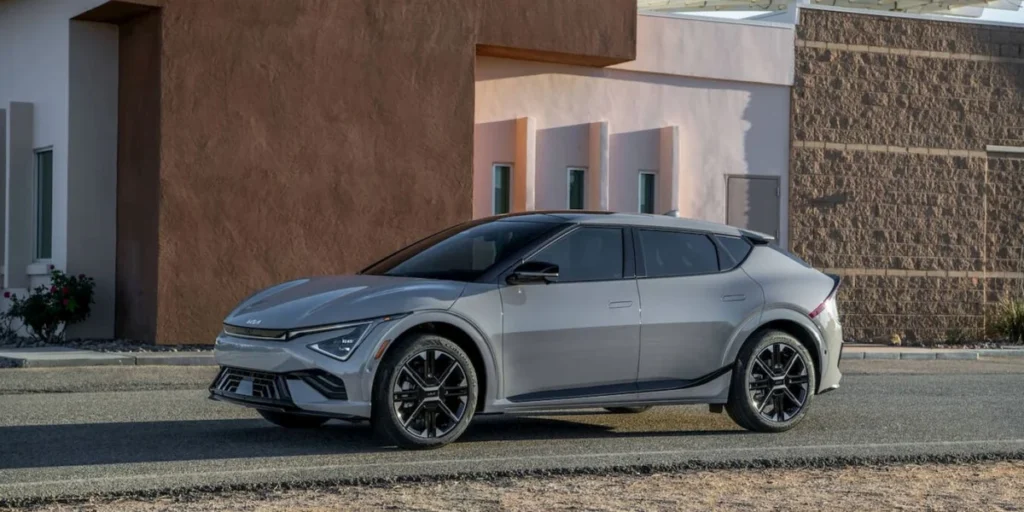
Kia has announced pricing for its 2027 EV6 electric vehicle lineup, confirming that the popular crossover will largely carry over with its current pricing structure. The announcement comes as Kia simultaneously introduces its more budget-friendly EV3, positioning the brand to cater to a wider spectrum of electric vehicle consumers. The 2027 EV6 will have a starting price of approximately $38,000, a figure that places it significantly above the newly launched EV3, which begins at around $30,000. This strategic pricing aims to make electric mobility more accessible while maintaining the EV6’s appeal for those seeking a blend of performance, range, and premium features.
2027 Kia EV6: Pricing and Range Remain Consistent
The 2027 Kia EV6 is presented as a carryover model, indicating minimal changes from its 2026 iteration. This stability in pricing follows a recent $5,000 price reduction implemented for the 2026 model year, a move that underscored Kia’s commitment to enhancing the EV6’s market competitiveness. For the 2027 model year, prices across all trims are expected to remain unchanged, reinforcing the value proposition for prospective buyers.
The entry-level EV6 Light standard-range Rear-Wheel Drive (RWD) model will commence at an MSRP of $37,900, before the mandatory $1,545 destination fee. This base configuration is equipped with a 63 kWh battery, offering an EPA-estimated driving range of up to 237 miles on a single charge. This range is competitive for urban commuting and moderate road trips, making it a viable option for many consumers transitioning to electric vehicles.
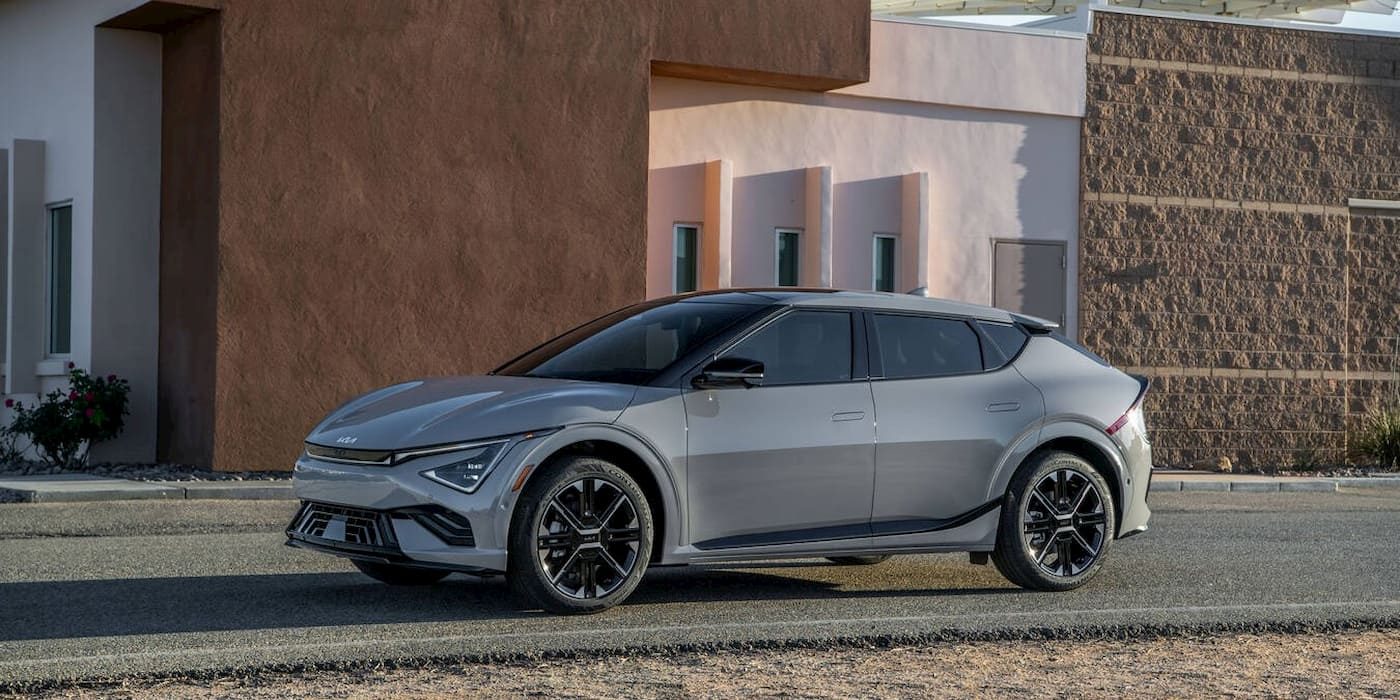
For those requiring extended travel capabilities, an upgrade to the EV6 Light long-range RWD model is available. This variant commands an additional $3,300, bringing its starting price to $41,200 (excluding destination fees). This premium is justified by a larger 84 kWh battery, which significantly boosts the driving range to an impressive 319 miles. This extended range addresses "range anxiety," a common concern for EV buyers, and positions the EV6 as a capable vehicle for longer journeys.
The 84 kWh battery pack is a key differentiator across several EV6 trims. In RWD configurations, it consistently delivers up to 319 miles of range. For consumers who prefer or require the added traction and performance of All-Wheel Drive (AWD), the range is slightly adjusted to 295 miles. This difference is attributed to the added energy consumption of the second electric motor in AWD systems. At the apex of the EV6 lineup, the GT-Line AWD model, while offering enhanced performance and sportier aesthetics, provides an EPA-estimated range of up to 270 miles. This slight reduction in range for the performance-oriented GT-Line is a common trade-off in the automotive industry, where higher power outputs often come at the expense of efficiency.
Kia’s Dual Strategy: Affordability Meets Performance
Kia’s strategy with the 2027 EV6 pricing, coupled with the introduction of the EV3, highlights a deliberate effort to broaden the appeal of its electric vehicle offerings. By keeping the EV6’s MSRP stable and introducing the more affordable EV3, Kia aims to "make EVs more attainable for those who embrace the fully electric lifestyle," according to company statements. This approach acknowledges the diverse financial considerations of consumers entering the EV market.
The 2027 Kia EV3, positioned as an entry-level electric SUV, starts at an attractive $29,890, approximately $8,000 less than the base EV6. This significant price difference makes the EV3 a compelling option for budget-conscious buyers or those seeking a secondary electric vehicle. The EV3 is offered in five distinct trims: Light, Wind, Land, GT-Line, and GT, providing a range of features and price points to suit various preferences.
The most accessible EV3 model, the Light FWD, is equipped with a 58.3 kWh battery and achieves an EPA-estimated range of up to 221 miles. While this range is lower than the EV6’s offerings, it is still sufficient for the daily commutes and typical usage patterns of many drivers, particularly in urban and suburban environments.
Higher trims of the EV3, including the Wind, Land, GT-Line, and GT, benefit from a larger 81.4 kWh battery. This upgrade extends the driving range to up to 321 miles on a single charge, positioning the EV3 as a surprisingly capable long-distance traveler for its price segment. Similar to the EV6, the EV3 also provides both front-wheel-drive and all-wheel-drive powertrain options, allowing consumers to tailor their vehicle to their specific needs and driving conditions.
Interior Technology and Charging Infrastructure
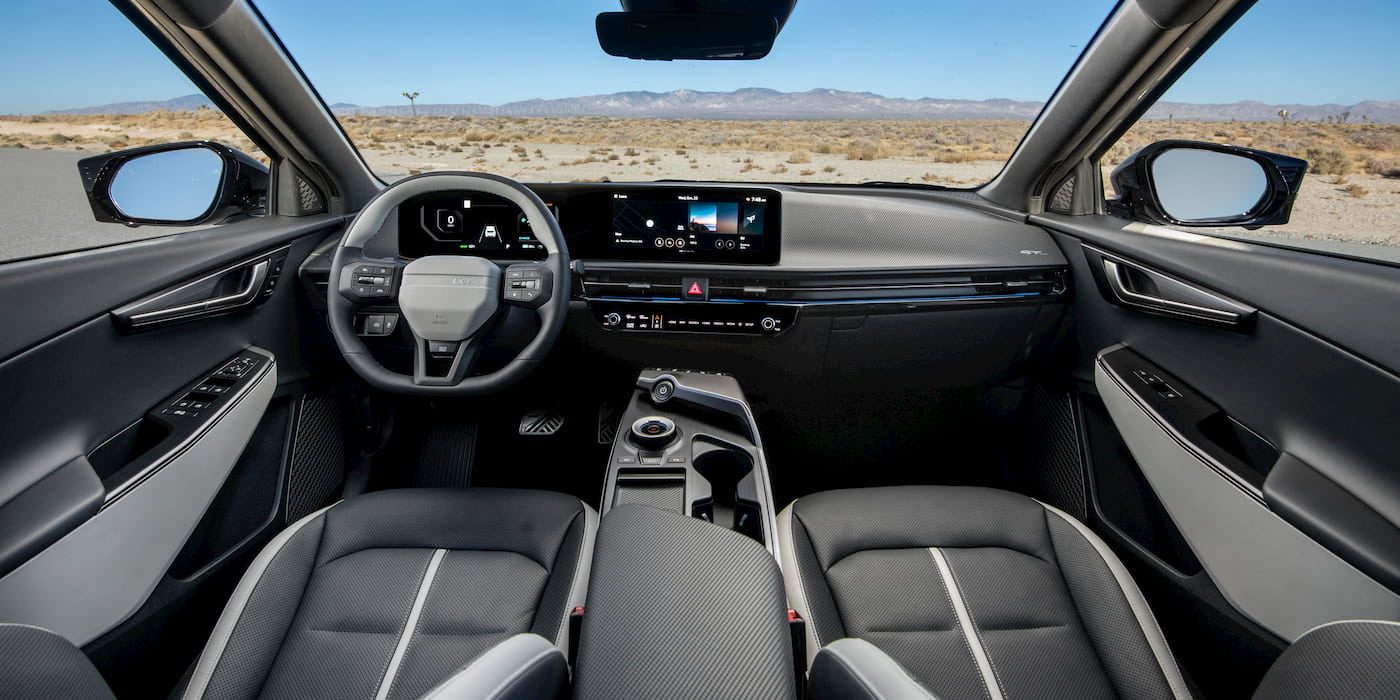
Both the EV6 and the EV3 share Kia’s advanced ccNC (connected car Navigation Cockpit) infotainment system, ensuring a consistent and modern user experience across the brand’s electric portfolio. This integrated system features a sprawling curved panoramic display that combines nearly 30 inches of screen real estate. This includes dual 12.3-inch screens for the digital instrument cluster and the central navigation and infotainment hub, complemented by a 5-inch touchscreen dedicated to climate controls. This user-friendly interface aims to minimize distractions while providing intuitive access to vehicle functions and entertainment.
A significant convenience feature for both models is the integrated NACS (North American Charging Standard) port. This native integration eliminates the need for separate adapters when accessing Tesla’s extensive Supercharger network, a major advantage for EV owners who frequently travel or reside in areas with robust Tesla charging infrastructure. This move by Kia aligns with a broader industry trend towards standardizing charging connectors.
However, a key technical distinction lies in their charging architectures. The EV6 utilizes an 800-volt architecture, a system that enables significantly faster charging speeds compared to the EV3’s 400-volt system. This difference translates into tangible benefits for EV6 owners on the go. Kia estimates that the EV6 can replenish its battery from 10% to 80% in approximately 18 minutes under optimal charging conditions. In contrast, the EV3, with its 400-volt architecture, requires about 30 minutes for a similar charging session. This 12-minute difference in charging time can be a crucial factor for drivers undertaking long journeys where minimizing charging stops is paramount.
Design and Dimensions: Distinct Personalities
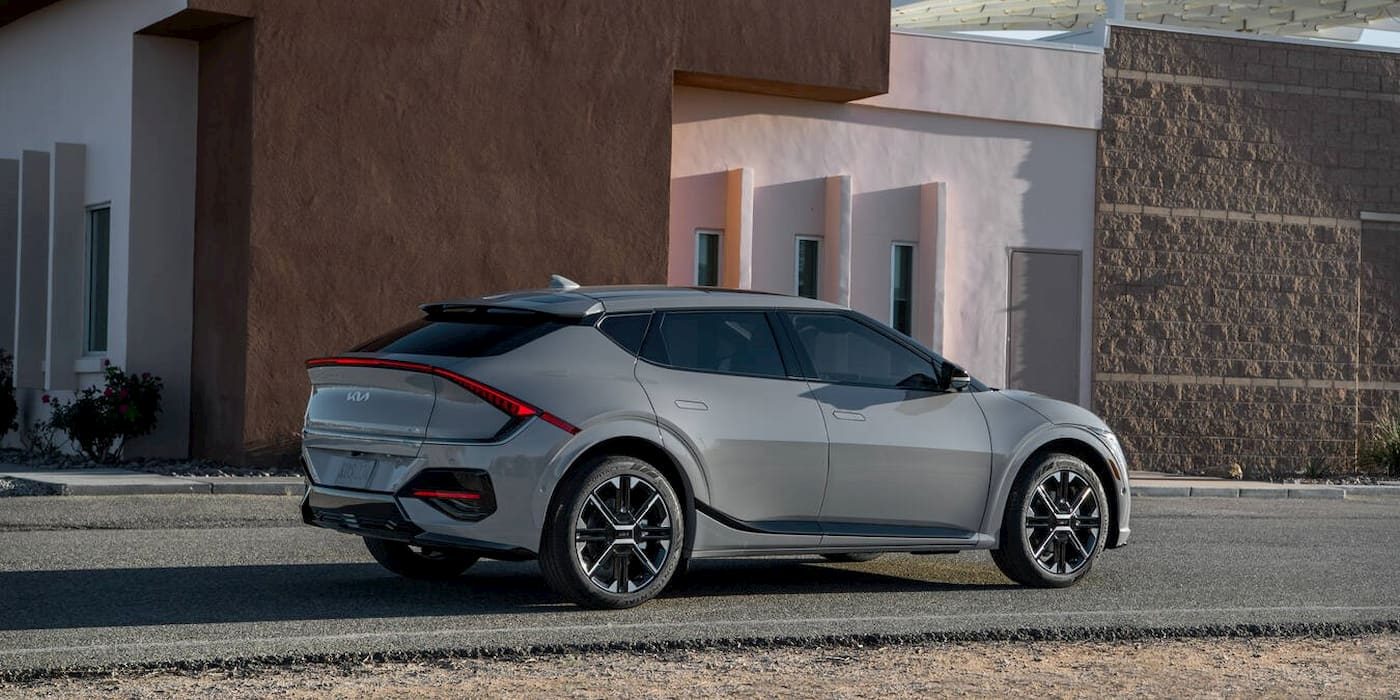
Beyond their powertrain and technology, the EV6 and EV3 exhibit distinct design philosophies and physical dimensions, catering to different aesthetic preferences and practical needs. The EV6 presents a more conventional, sleek, and slightly sportier silhouette. It measures 184.8 inches in length, 74 inches in width, and 60.8 inches in height, with a wheelbase of 114.2 inches. These proportions contribute to its dynamic appearance and provide a spacious interior.
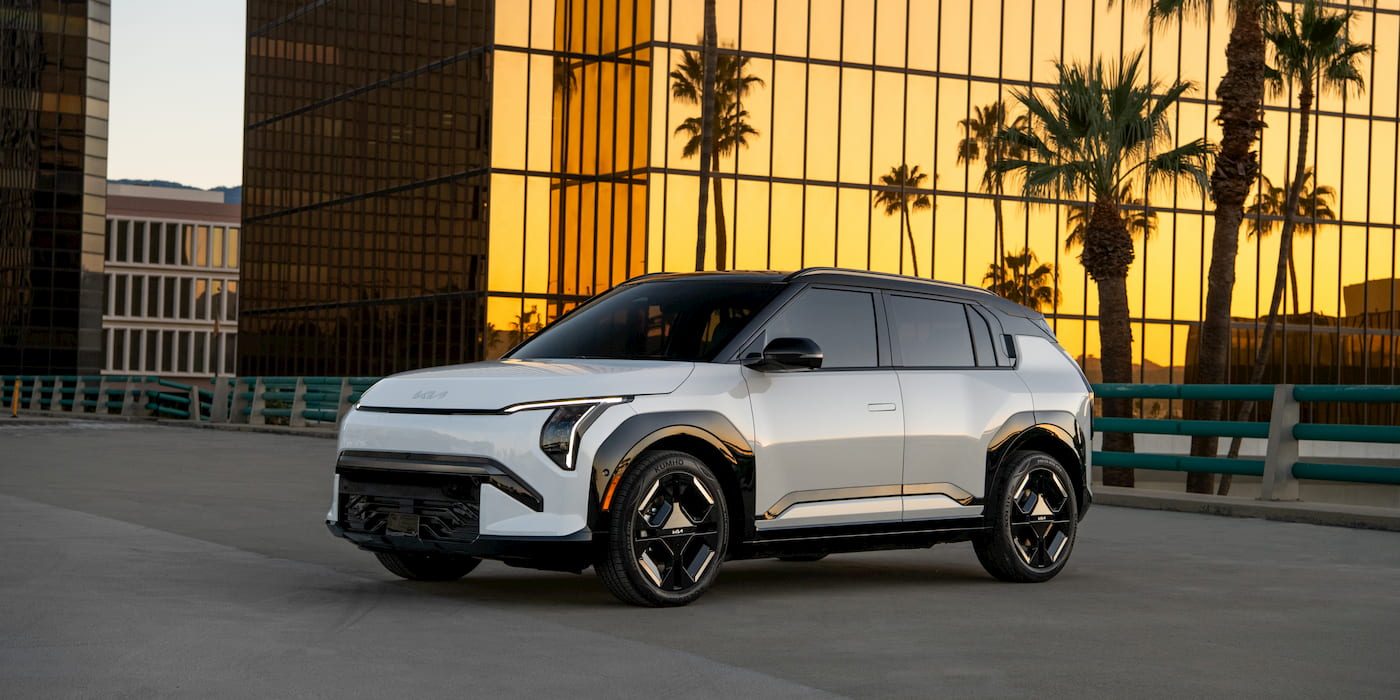
The EV3, on the other hand, adopts a more upright, boxy, and utilitarian design. This aesthetic is often associated with compact SUVs, emphasizing practicality and interior volume. The EV3 is shorter and taller than the EV6, measuring 169.3 inches in length, 72.8 inches in width, and 62 inches in height, with a wheelbase of 105.5 inches. The increased height and relatively wider stance, despite being shorter overall, suggest a focus on maximizing passenger headroom and cargo space within a more compact footprint.
Market Positioning and Consumer Choice
The introduction of the 2027 EV6 and EV3, alongside Kia’s larger three-row EV9, presents consumers with a compelling and diverse range of electric vehicle options. Kia’s strategic pricing and feature distribution across these models demonstrate a commitment to capturing a broad segment of the evolving automotive market.
The EV6 continues to serve as Kia’s more performance-oriented and premium EV offering, balancing a substantial driving range with advanced technology and a stylish design. Its 800V architecture and faster charging capabilities position it as a strong contender for consumers who prioritize quick refueling and a more engaging driving experience.
The EV3 emerges as a significant player in the affordable EV segment, offering impressive range for its price point and practical SUV styling. Its introduction is likely to attract first-time EV buyers and those looking for an economical yet capable electric vehicle.
The availability of significant inventory discounts on the outgoing 2026 models further illustrates Kia’s dynamic approach to market management. A $10,000 customer cash discount is being offered on the 2026 EV9, a $5,000 discount on the 2026 EV6, and a $1,500 incentive on the 2027 EV3. These incentives are designed to clear existing inventory as the new model year vehicles arrive, providing an additional financial advantage for consumers looking to purchase a Kia EV in the immediate term. This practice is common in the automotive industry, allowing manufacturers to transition smoothly between model years and maintain healthy sales figures.
Ultimately, the choice between the EV3 and the EV6, or even considering the larger EV9, will depend on individual consumer priorities. Factors such as budget, desired driving range, charging speed requirements, interior space needs, and aesthetic preferences will all play a crucial role in the decision-making process. Kia’s expanded EV portfolio ensures that a growing number of consumers can find a vehicle that aligns with their lifestyle and financial capabilities, accelerating the adoption of electric mobility.