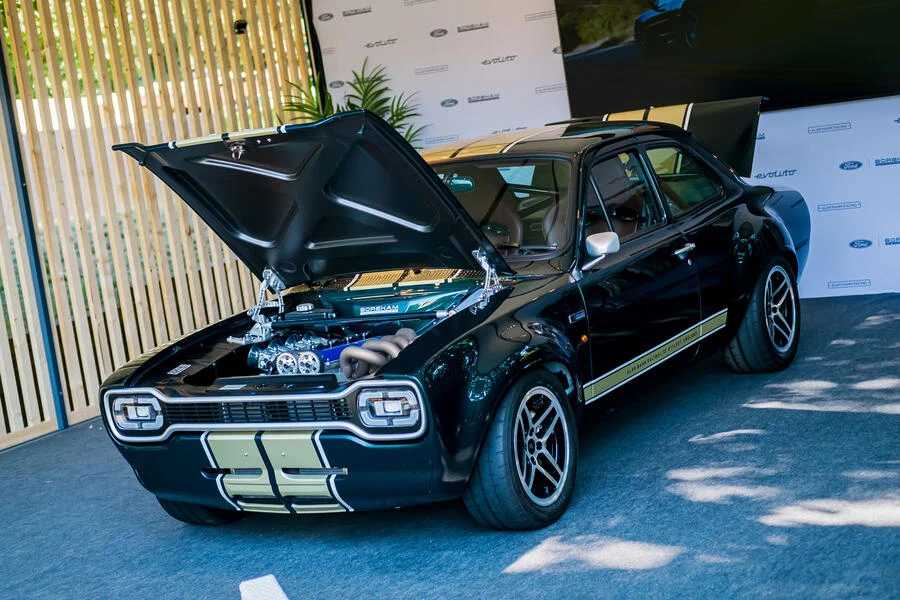
The legendary Ford Escort Mk1 RS, a car synonymous with rallying prowess and iconic styling, has been reborn through the meticulous craftsmanship of Boreham Motorworks. This reimagined classic, unveiled at a prestigious automotive event [Specify event if known, e.g., Goodwood Festival of Speed, a private launch], represents a fusion of nostalgic design and cutting-edge automotive engineering. The company, known for its dedication to preserving and enhancing automotive heritage, has taken the iconic silhouette of the Mk1 Escort RS and elevated it with subtle yet significant modifications that pay homage to its racing pedigree while embracing modern usability.
At the heart of Boreham Motorworks’ philosophy lies a deep respect for the original design, a sentiment echoed by lead designer Burgess. "I’m going to sound like I’m describing a Jaguar E-Type here, but this car has all of those classical attributes," he remarked, drawing a parallel to another automotive icon celebrated for its timeless proportions and aesthetic elegance. This comparison underscores the ambition to imbue the Escort RS with a similar sense of enduring beauty and functional grace. Burgess elaborated on the critical importance of achieving the perfect visual harmony between the wheels and the car’s bodywork, a detail that significantly contributes to the overall visual appeal and perceived dynamism of a vehicle.
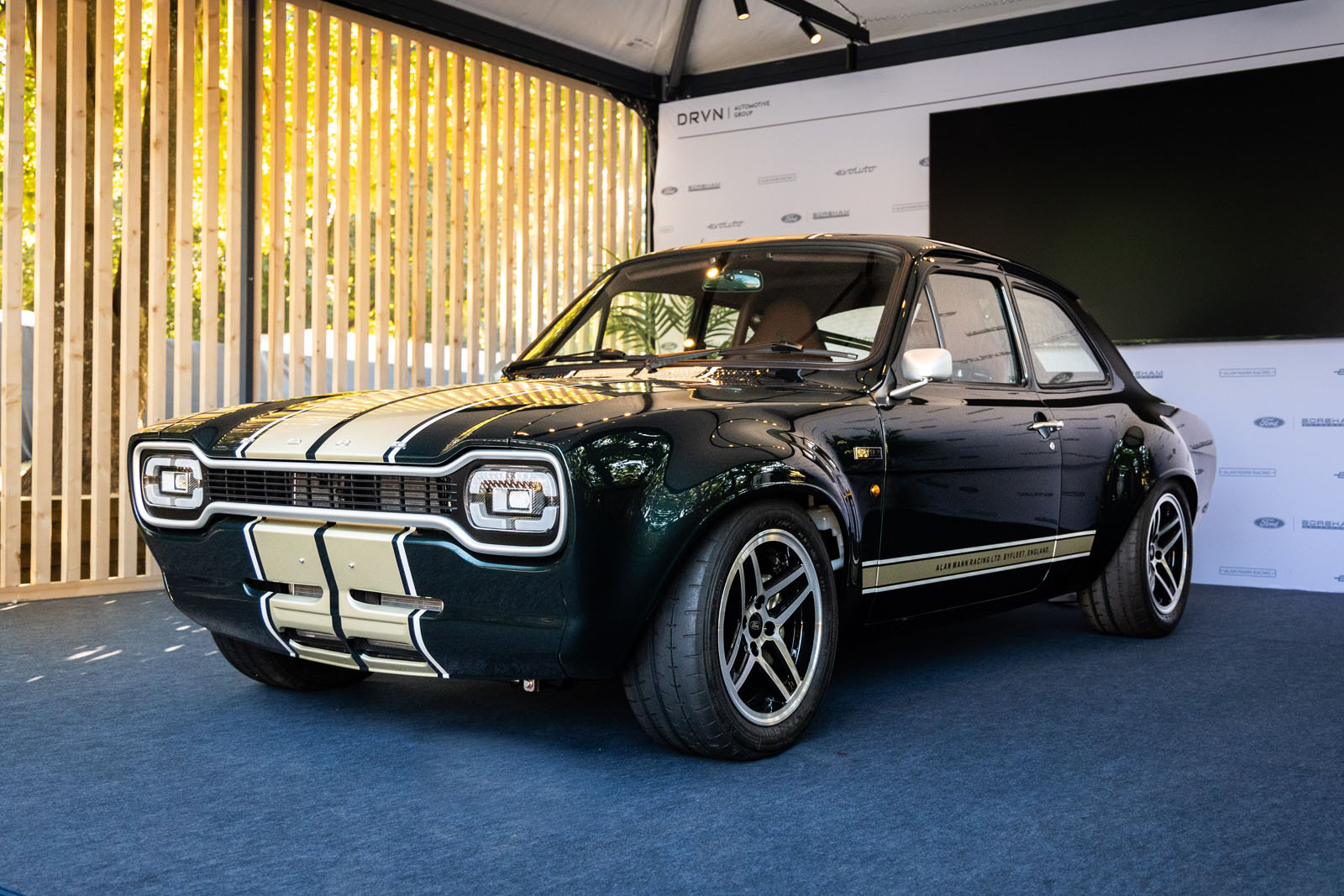
A key modification that enhances the Escort RS’s stance and visual presence is the strategic relocation of the front axle. The competition-derived variant features its front axle set a remarkable 30mm further forward than the road-going version. This alteration, as explained by Burgess, is not merely cosmetic; it is a deliberate engineering choice designed to achieve a more desirable dash-to-axle ratio. This improved proportion contributes to a more aggressive and purposeful stance, further enhancing the car’s classic proportions and hinting at its performance capabilities. The effect is a car that looks inherently more planted and dynamic, even at a standstill.
The visual evolution of the Mk1 Escort RS by Boreham Motorworks extends to its wheel and tyre combination. While the original car sported 13-inch wheels, the new iteration is fitted with larger 15-inch alloys. This increase in diameter is a common trend in modern vehicle design, often aimed at accommodating larger brake systems and improving handling characteristics. However, Boreham Motorworks has carefully balanced this modernization with a commitment to preserving the Escort’s signature look. The larger wheels are still shod with thick-walled tyres, a deliberate choice to maintain the classic aesthetic and the characteristic profile that enthusiasts associate with the Mk1 Escort RS. This thoughtful approach ensures that the car retains its period-correct visual identity while benefiting from the advantages of larger-diameter wheels. Furthermore, a variety of wheel designs will be offered, each meticulously crafted to pay tribute to the iconic wheels fitted to the original cars, including popular period options such as Rostyles and Minilites, offering customers a degree of personalization that further deepens the connection to the car’s heritage.
A Blend of Classic Charm and Modern Comfort
Inside, Boreham Motorworks has struck a careful balance between preserving the Escort RS’s iconic interior and integrating modern amenities to enhance usability for contemporary drivers. While the core spirit of the cabin remains, several concessions have been made to improve the everyday experience. A significant addition is the inclusion of a Bluetooth stereo system, allowing for seamless integration of modern audio sources. Air conditioning has also been fitted, a welcome comfort for drivers in warmer climates or during extended journeys. The instruments have been thoughtfully updated with backlighting, ensuring readability in various lighting conditions.
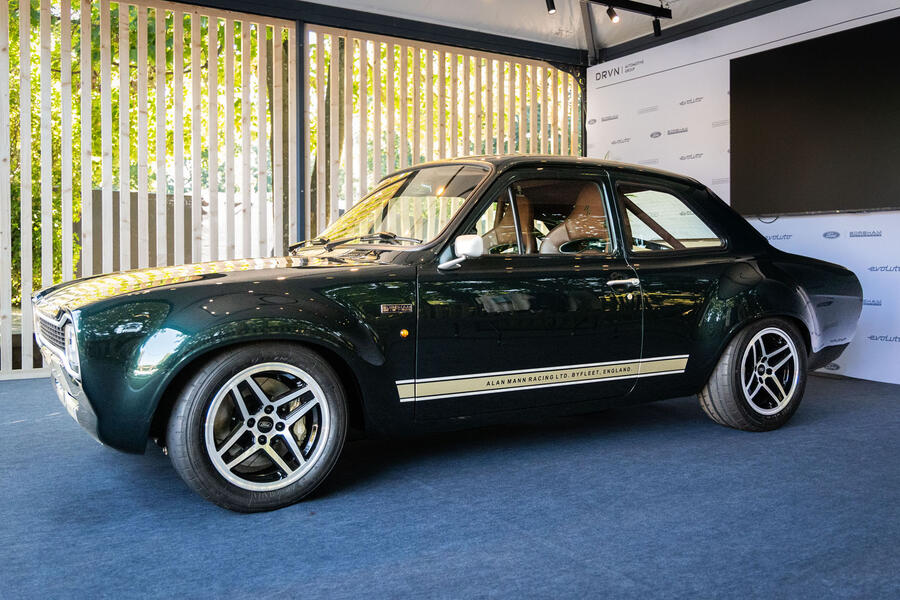
However, in pursuit of a more focused driving experience and to optimize the interior’s sporting character, the rear seats have been removed. This decision aligns with the ethos of many classic performance cars, where practicality is often sacrificed for enhanced driving dynamics and a lighter overall weight. The absence of rear seats contributes to a more purposeful, driver-centric cockpit, emphasizing the car’s sporting intentions.
Despite these enhancements, the Escort’s defining interior elements have been assiduously retained. The iconic six-dial instrument panel, a hallmark of the Mk1 Escort RS, remains a central feature. Burgess acknowledges its practical limitations, admitting that it’s "not the easiest thing to see through a steering wheel." Nevertheless, its preservation was deemed essential as a signature element of the car’s identity. "We fixed the crooked [offset] steering column but we kept the instruments," he stated, highlighting the team’s dedication to retaining key visual cues. This approach underscores a commitment to authenticity, even when faced with minor ergonomic challenges.
Further reinforcing the car’s rally-inspired heritage, the interior features Breitling rally timers, evocative of the era when such sophisticated chronometers were indispensable tools for competitive rallying. The transmission also speaks to this heritage, boasting a five-speed dog-leg gearbox. This type of gearbox, characterized by its specific shift pattern (often with first gear positioned down and to the left), is favored in motorsport for its rapid engagement and precise feel. The gearbox itself was developed specifically by Holinger, a renowned specialist in motorsport transmissions, ensuring a precise, satisfying "ker-chunk" shift feel that harks back to the tactile engagement of classic racing cars.
Meticulous Attention to Detail: The Hinges and Design Density
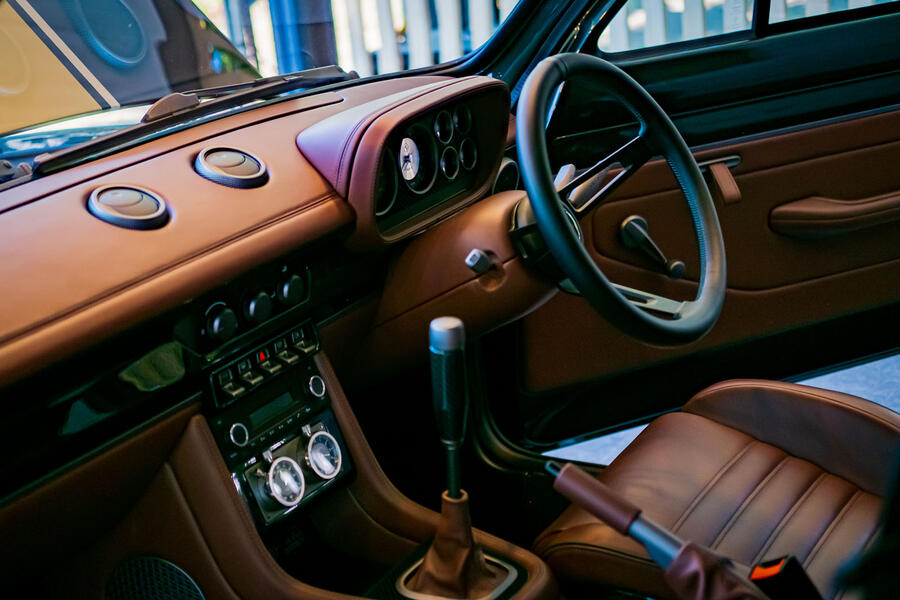
Among the myriad of updates and enhancements, Burgess singled out the bonnet and boot hinges as particular points of pride. This might seem like a minor detail, but it speaks volumes about Boreham Motorworks’ commitment to elevating every aspect of the vehicle. Having "never designed hinges in my life," Burgess found inspiration in an unexpected place: the Spitfire model aircraft kits he assembled during his youth. This personal connection and innovative approach demonstrate a design process that draws from a wide range of influences, pushing beyond conventional automotive design norms.
The result of this meticulous attention to detail and diverse inspiration is a car with an exceptionally high "design density." Burgess explained, "The design content in this car – the design density – is way beyond a normal volume-production car." This suggests that every element, from the most prominent body panels to the smallest functional components, has been thoughtfully considered and expertly executed, resulting in a vehicle that offers a richer and more engaging ownership experience than a standard production car.
Under the Skin: Modern Technology Meets Traditional Engineering
The philosophy driving Boreham Motorworks’ creation extends beyond aesthetics and into the realm of mechanical engineering. Chief technical officer Simon Goodliff articulated the company’s core ambition: to build a car with a "traditional approach but very modern technologies, materials and [methods]." This encapsulates a dedication to preserving the raw, engaging driving experience of classic cars while integrating contemporary advancements for improved performance, safety, and usability.
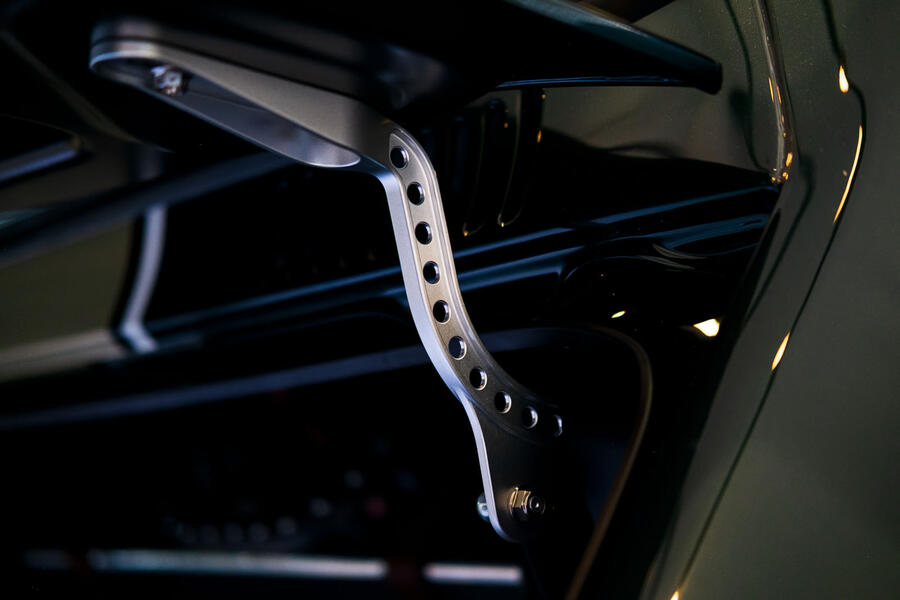
A prime example of this philosophy in action is the incorporation of electric power steering. This modern technology provides valuable assistance during low-speed maneuvering, making the car more accessible and user-friendly in urban environments or during parking. However, to maintain the authentic, connected feel that enthusiasts cherish, the electric power steering is disengaged at higher speeds. This allows the driver to experience the raw feedback from the road without artificial assistance, preserving the visceral connection between driver, car, and tarmac. This dual-mode system represents a sophisticated integration of modern technology that enhances, rather than detracts from, the classic driving experience.
The use of modern materials and manufacturing methods likely extends to other areas of the car, such as advanced composites for weight reduction or enhanced structural integrity, and sophisticated suspension components for improved handling and ride comfort. While specific details may be proprietary, the overarching commitment to blending traditional driving dynamics with modern engineering principles suggests a vehicle that is not only visually stunning but also a highly capable and refined performer.
The Legacy and Future of the Boreham Motorworks Escort RS
The Boreham Motorworks Ford Escort RS represents more than just a restomod; it is a carefully curated homage to a motorsport icon. By leveraging the original car’s inherent strengths and addressing its limitations with judicious application of modern technology and design principles, Boreham Motorworks has created a vehicle that appeals to both nostalgic enthusiasts and discerning collectors. The project highlights the enduring appeal of classic rally cars and the growing market for meticulously crafted reinterpretations that offer the best of both worlds: timeless style and contemporary performance.
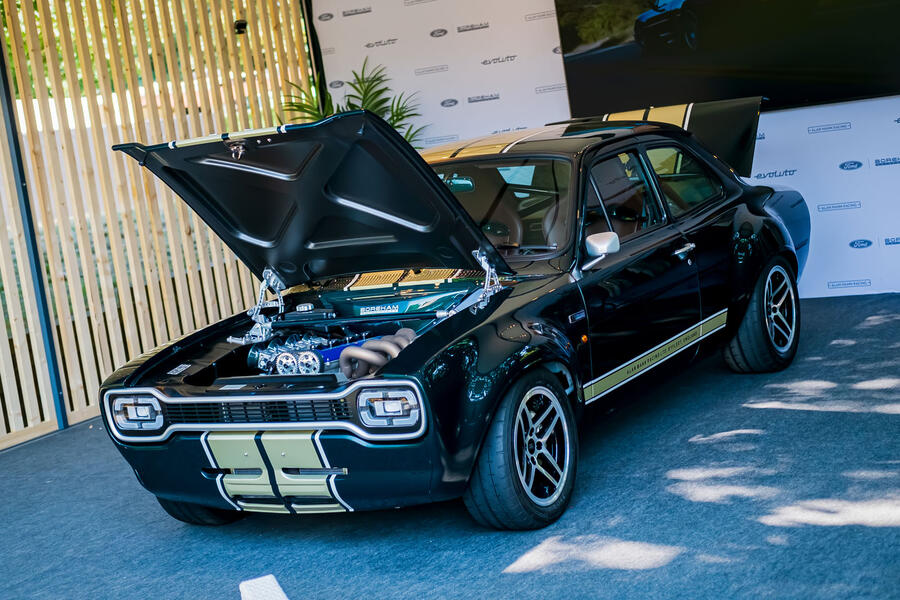
The success of such projects often lies in the delicate balance between preservation and innovation. Boreham Motorworks appears to have mastered this art, ensuring that the spirit of the original Escort RS is not only maintained but amplified. The attention to detail, from the recalibrated axle position to the bespoke Holinger gearbox, underscores a profound understanding of what made the Mk1 Escort RS so special, and how to translate that magic into a modern context. As these bespoke creations enter the market, they are poised to capture the imagination of a new generation of enthusiasts, ensuring that the legend of the Ford Escort RS continues to thrive. The implications of this approach extend beyond individual car builds, potentially influencing how classic car restoration and enhancement are perceived and executed across the automotive industry, setting a new benchmark for what is possible when heritage meets innovation.