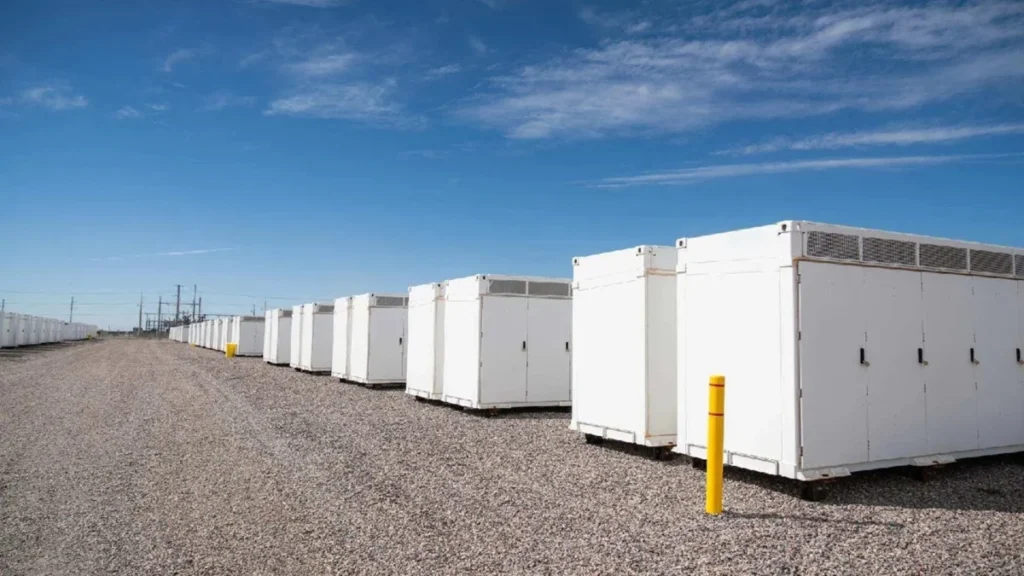
A significant stride in energy infrastructure and grid stability has been achieved in California with the commissioning of the Sandrini Energy Storage project, a cutting-edge 368-megawatt-hour (MWh) battery energy storage facility. Located in Kern County, this new site boasts the capacity to power the equivalent of more than 22,000 homes, marking a pivotal moment in the state’s ongoing transition to a cleaner, more reliable energy future. The project, a collaborative effort between Houston-headquartered renewable energy firm EDP Renewables North America (EDPR NA) and the Redwood Coast Energy Authority (RCEA), is poised to enhance California’s power grid by integrating a substantial influx of renewable energy, particularly during periods of peak demand.
The Strategic Imperative: Addressing California’s Energy Landscape
California has long been at the vanguard of renewable energy adoption, setting ambitious targets for decarbonization and grid modernization. The state aims to achieve 100% clean electricity by 2045, a goal that necessitates not only the proliferation of solar and wind generation but also robust energy storage solutions. The inherent intermittency of renewable sources, such as solar power, which generates electricity only during daylight hours, presents a significant challenge. Demand for electricity often peaks in the late afternoon and early evening, precisely when solar generation begins to wane—a phenomenon colloquially known as the "duck curve." This mismatch between supply and demand can strain the grid, necessitating reliance on traditional, often fossil-fuel-based, "peaker" plants to meet demand surges.
Battery energy storage systems (BESS) are critical to addressing this fundamental challenge. They store surplus renewable electricity generated during periods of high production and low demand, such as midday solar peaks, and then dispatch it back to the grid when it is most needed, for example, during evening demand peaks. This capability transforms intermittent renewable power into a firm, dispatchable resource, significantly improving grid reliability and reducing the need for fossil fuel backups. The Sandrini Energy Storage project, with its substantial capacity, is a direct response to this strategic imperative, strengthening California’s ability to harness its abundant solar resources effectively and sustainably.
Project Details and Technical Specifications
The Sandrini Energy Storage facility is engineered to deliver 92 megawatts (MW) of power and 368 MWh of energy storage capacity. Its strategic placement alongside the existing 300 MW Sandrini Solar site forms an integrated renewable energy hub. This co-location is a key design feature, allowing for seamless capture and storage of solar-generated electricity, thereby maximizing the efficiency and utility of both assets. The combined projects represent a comprehensive approach to renewable energy generation and management, capable of providing consistent, clean power to a significant portion of California’s population.
The Redwood Coast Energy Authority (RCEA) plays a crucial role in this partnership, having secured an energy storage service agreement that covers 100 percent of the new project’s storage capacity. This agreement underscores the commitment of local energy authorities to procuring and integrating advanced energy solutions that align with regional and state-wide sustainability goals. The ability to store large quantities of energy and release it on demand not only supports grid stability but also offers economic advantages by mitigating price volatility that can occur during periods of high demand and limited supply.
A Chronology of Development and Strategic Partnerships
The journey to bring the Sandrini Energy Storage project online is a testament to sustained collaboration and strategic investment in renewable infrastructure. While specific groundbreaking dates were not detailed, the project’s completion signifies a culmination of planning, engineering, and construction phases undertaken by EDPR NA and RCEA. EDPR NA, as a global leader in renewable energy development, brings extensive expertise in deploying utility-scale wind, solar, and storage projects across North America. Their commitment to California’s energy future is evident in their growing portfolio within the state.
The partnership with RCEA highlights a broader trend of community choice aggregators (CCAs) and local energy authorities taking proactive roles in shaping their regions’ energy mix. CCAs like RCEA empower local communities to choose their electricity providers, often prioritizing cleaner energy sources and local economic benefits. This collaborative model ensures that large-scale energy projects are not only technically sound but also responsive to community needs and aspirations.
The Sandrini project also fits into EDPR NA’s larger strategic expansion across the U.S. In June, the firm inaugurated the 200 MW/800 MWh Flatland Energy Storage project in Coolidge, Arizona, which can power nearly 44,500 Arizona homes. This earlier project serves as a precedent, showcasing EDPR NA’s increasing capacity and expertise in developing substantial battery storage solutions that are critical for modernizing regional grids and accelerating the energy transition. These sequential project completions underscore a clear operational timeline and strategic focus on advancing energy storage capabilities across key markets.
Voices from the Forefront: Official Statements and Industry Reactions
The commissioning of the Sandrini Energy Storage project has been met with enthusiastic endorsements from the leadership of both EDPR NA and RCEA, as well as broader industry recognition. Sandhya Ganapathy, CEO of EDPR NA, emphasized the transformative potential of the project. "Sandrini Energy Storage represents an important investment in California’s energy future," Ganapathy stated. She further elaborated on the foundational role of storage in the renewable energy ecosystem: "Energy storage transforms renewable power into reliable, around-the-clock electricity, ensuring clean energy is available when demand is highest." This statement encapsulates the core value proposition of battery storage – converting intermittent generation into a firm, dispatchable asset.
Beth Burks, Executive Director of the RCEA, echoed these sentiments, highlighting the multifaceted benefits for the region. "The project will add new clean energy capacity and boost the generation provided by Sandrini Solar," Burks affirmed. She also stressed its crucial contribution to grid stability, adding that it "will also support grid reliability." For RCEA, this project is a tangible step towards enhancing energy independence and meeting the renewable energy goals of the communities it serves.
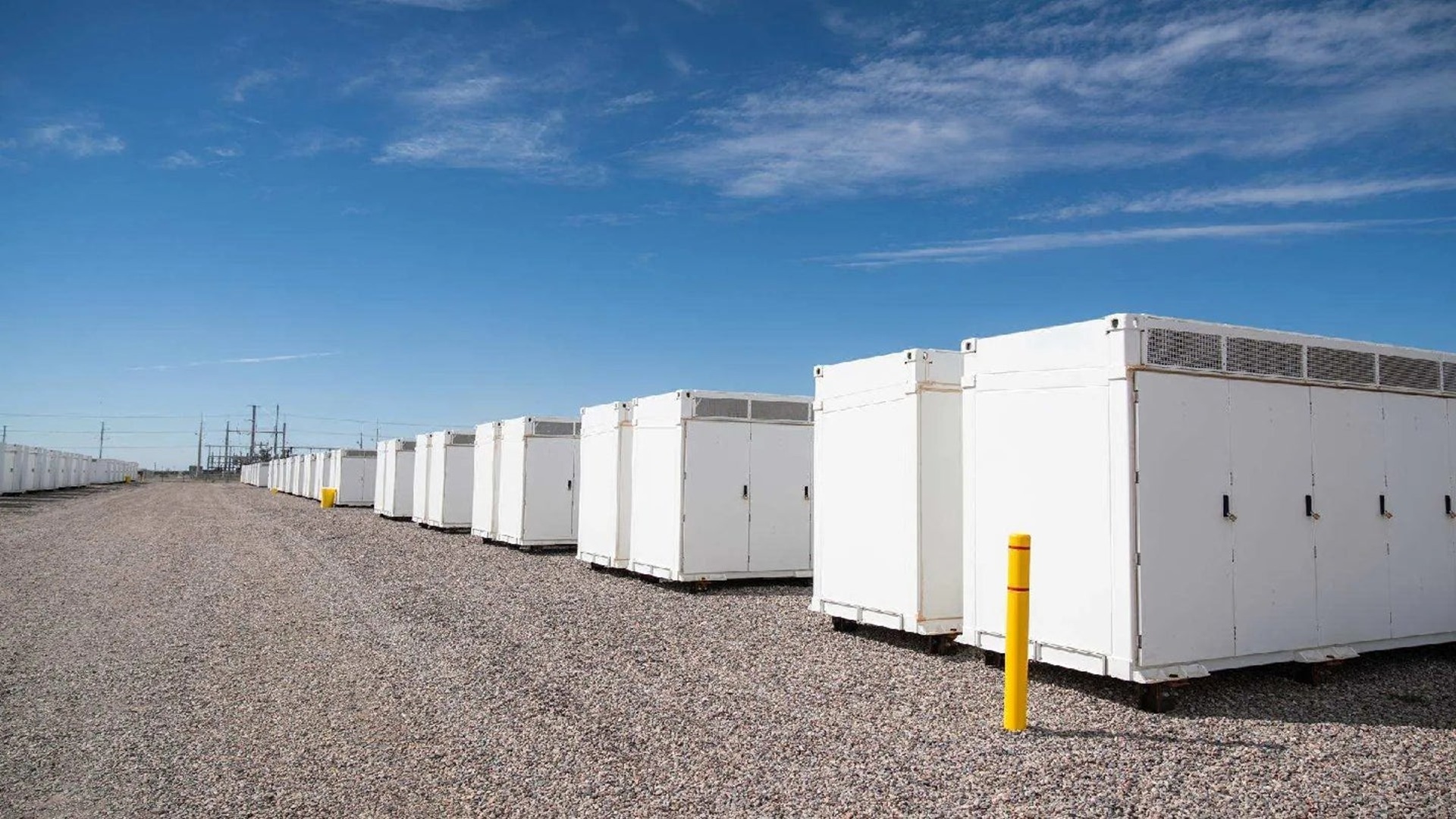
Beyond the immediate project partners, the completion of such a significant storage facility is likely to be lauded by state energy regulators, environmental advocacy groups, and grid operators. The California Independent System Operator (CAISO), which manages the state’s power grid, consistently emphasizes the need for more storage to manage renewable integration and maintain system stability. Projects like Sandrini are vital components in CAISO’s operational strategy, helping to balance the grid, prevent outages, and ensure a steady supply of power even as the state phases out fossil fuel plants. Environmental groups would undoubtedly view this as a positive development, aligning with climate action goals and reducing greenhouse gas emissions associated with conventional power generation.
Catalyzing Economic Growth and Community Benefits
Beyond its direct energy contributions, the Sandrini Energy Storage project is also a significant economic driver for Kern County and the surrounding region. According to EDPR NA, the project is projected to contribute more than USD five million in revenue for local public services and infrastructure. This substantial influx of funds will be allocated to vital community needs, including local schools, road maintenance and improvement, emergency services and equipment, and the enhancement of public parks. Such contributions represent a tangible return on investment for the community, demonstrating how large-scale renewable energy projects can foster local development and improve quality of life.
The project also generated considerable employment opportunities during its development and construction phases. The storage project alone created approximately 50 construction jobs. When combined with the adjacent Sandrini Solar project, the total employment impact rises to about 250 jobs, providing skilled work and economic activity in the region. Furthermore, the combined solar and storage facilities are expected to generate more than USD 25 million in local tax revenue over their operational lifespan. This long-term revenue stream provides a stable financial foundation for ongoing public services and future community investments.
"Projects like Sandrini strengthen grid resilience, support economic growth, and help build a more affordable, dependable energy framework for California," Ganapathy concluded in a press release. "We’re grateful to work hand in hand with our communities and Redwood Coast Energy Authority to bring Sandrini online." This statement underscores the holistic benefits of such projects, extending beyond kilowatt-hours to encompass job creation, tax revenue, and enhanced community services.
Strengthening California’s Energy Backbone: Broader Implications
The Sandrini Energy Storage project’s completion holds significant broader implications for California’s energy landscape and serves as a model for renewable energy integration nationwide. It directly contributes to the state’s aggressive decarbonization targets by enabling greater penetration of clean energy sources. By storing excess solar power, it reduces the need to curtail renewable generation during times of oversupply, thereby maximizing the utilization of clean energy assets. This is crucial for avoiding wasted renewable energy, a problem that has occasionally plagued grids with high solar penetration.
Moreover, the project enhances grid resilience and stability, particularly in a state prone to extreme weather events, including heatwaves that drive up electricity demand and wildfires that can threaten transmission infrastructure. By providing dispatchable power, the Sandrini facility can help prevent blackouts and brownouts, ensuring a more reliable electricity supply for residents and businesses. This improved reliability is not just a convenience; it’s an economic necessity, protecting critical services and maintaining productivity.
The strategic pairing of solar generation with battery storage, as exemplified by the Sandrini complex, is rapidly becoming the gold standard for new utility-scale renewable energy developments. This integrated approach offers superior energy management capabilities compared to standalone solar farms, making clean energy a more consistent and predictable resource. It also facilitates the retirement of older, less efficient fossil fuel plants, further accelerating the transition to a carbon-free grid. The successful deployment of Sandrini provides valuable operational data and experience that can inform future projects and policy decisions across California and other states pursuing similar energy transitions.
The Future of Energy Storage in California and Beyond
The Sandrini Energy Storage project further solidifies EDPR NA’s robust presence in California. The firm now boasts approximately 1,230 MW of gross operating wind, solar, and energy storage capacity across the state. These facilities collectively have the capability to power the equivalent of more than 485,000 California homes. This extensive portfolio underscores EDPR NA’s significant investment in the state’s energy future.
The economic impact of EDPR NA’s operations in California is substantial, totaling around USD 154 million. This includes over USD 41 million directly benefiting local governments and more than USD 33 million in payments to landowners, highlighting the diverse financial contributions made by renewable energy infrastructure. Such figures demonstrate the broad economic ripple effect that accompanies the deployment of clean energy technologies.
Looking ahead, California is projected to continue its aggressive expansion of battery storage capacity. Driven by state mandates, incentives, and the growing need to balance a grid increasingly reliant on renewables, experts forecast significant growth in both utility-scale and distributed energy storage over the next decade. Projects like Sandrini are foundational to achieving these ambitious goals, paving the way for a more sustainable, resilient, and economically vibrant energy future. The success of these initiatives will not only benefit California but also provide a blueprint for other regions globally striving to achieve similar energy transitions, demonstrating the critical role that advanced energy storage technologies play in the global shift towards a decarbonized economy.