General Motors is reportedly re-evaluating its long-anticipated plan to reintroduce the Cadillac brand to the United Kingdom, a move initially slated to commence with the all-electric Lyriq SUV. The decision to pause and reassess stems from a confluence of factors, including a marketplace described as "rapidly evolving" and a broader recalibration of Cadillac’s global product roadmap. The uncertainty surrounding the UK launch highlights the complex challenges facing legacy automakers as they navigate the dynamic landscape of electrification, emerging competitors, and shifting consumer preferences in premium automotive segments.
A Stalled Return: From Eager Anticipation to Cautious Review
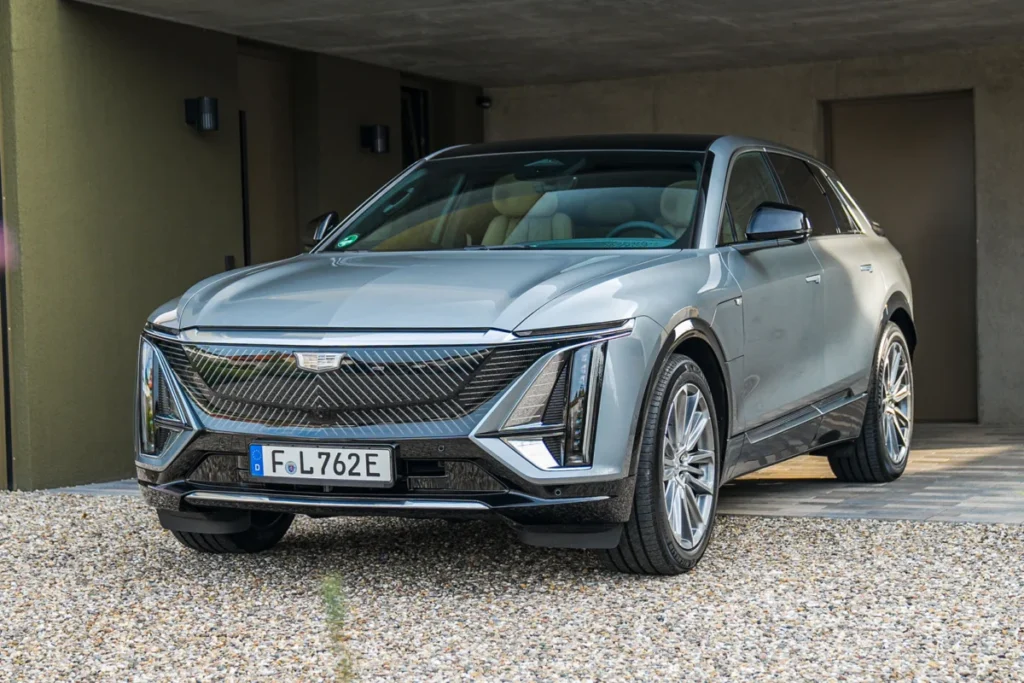
The prospect of Cadillac’s return to the UK market had generated considerable buzz. As recently as last year, Pere Brugal, then CEO of GM Europe, conveyed a sense of imminent revival. Speaking to Autocar, he indicated that the brand would be making a comeback "soon," with the Lyriq, a direct competitor to the BMW iX5 and Mercedes-Benz EQE SUV, earmarked as the vanguard of this renewed assault. Brugal had explicitly identified the UK as a key focus market, suggesting a launch was "coming close." This optimism, however, has not yet translated into concrete action or a confirmed launch date.
A year on from those pronouncements, the tangible presence of Cadillac in the UK remains minimal. The company has established only a single dealership authorized to handle right-hand-drive Cadillacs: Charles Hurst in Dublin, Ireland. This dealership currently offers the Lyriq alongside the smaller Optiq and the seven-seat Vistiq. The limited scope of these offerings underscores the tentative nature of Cadillac’s engagement with the British market.
Official registration data further illustrates the subdued reality. Between July 2025 and March 2026, a mere 20 Cadillacs were registered in the UK. Of these, the vast majority – 16 – were new electric vehicle (EV) models, indicating a potential focus on the burgeoning EV segment. In parallel, Clive Sutton, a London-based dealer authorized by GM, continues to import left-hand-drive Cadillac Escalades, catering to a niche demand for the iconic full-size SUV. This existing import channel, while not part of a formal brand relaunch, signifies a persistent, albeit limited, market presence.
Navigating a Turbulent Market: The Competitive Gauntlet
The primary driver behind General Motors’ reconsideration appears to be the increasingly competitive and unpredictable nature of the UK and broader European automotive markets. A spokesperson for GM articulated this sentiment to Autocar, stating, "As the UK market and EV landscape continues to evolve rapidly with new competitors emerging, we are actively reviewing our future Cadillac plans to ensure they remain aligned with market conditions and customer demand, and we will continue to assess future opportunities accordingly."
This statement reflects a strategic pause, acknowledging that the initial launch plans may require significant adjustment. The premium sector, in particular, is facing unprecedented disruption. The influx of new Chinese brands, many of which are bringing competitive electric SUVs to market, has intensified the competitive pressure. These newcomers often offer advanced technology and attractive pricing, directly challenging established players and potentially eroding market share for brands attempting to gain a foothold.
Furthermore, Europe’s established premium automotive giants – namely BMW, Mercedes-Benz, and Volvo – are not standing still. These manufacturers have recently introduced a wave of new and significantly upgraded models, particularly in the crucial SUV segment. This aggressive product development cycle by incumbents creates a moving target for any new entrant, demanding not only competitive products but also substantial marketing investment and a robust dealer network to even register a presence.
A Global Strategic Pivot: Electrification’s Evolving Trajectory
Beyond the immediate challenges of the UK market, Cadillac’s potential reassessment is also intertwined with a broader shift in General Motors’ global electrification strategy. Cadillac had previously articulated an ambitious target of becoming an all-electric brand by 2030. However, recent communications from GM suggest a revised approach that incorporates the continued development and introduction of internal combustion engine (ICE) vehicles.
During GM’s first-half earnings call, CEO Mary Barra announced plans to "begin launching the next generation of Cadillac ICE vehicles" starting in the spring and continuing through 2028. This includes the forthcoming new generation of the CT5, a model that directly competes with the BMW 5 Series. This strategic adjustment indicates a recognition that the transition to an all-electric future will be more gradual and nuanced than initially projected, with ICE technology continuing to play a role in specific market segments and regions for the foreseeable future.
This recalibration has significant implications for Cadillac’s global product portfolio and its market entry strategies. If the brand is to continue investing in and developing ICE vehicles, its approach to markets where electrification is not yet the dominant force, or where ICE demand remains robust, might need to be re-evaluated. The UK, while increasingly embracing EVs, still maintains a significant market for ICE vehicles, and the ability to offer a compelling and diverse lineup, including ICE options, could be a factor in any successful market re-entry.
Historical Context: Cadillac’s Uneasy Relationship with the UK
Cadillac’s potential return to the UK is not the brand’s first foray into the British market. Historically, Cadillac has struggled to establish a strong and sustainable presence in the UK. The brand’s image, deeply rooted in American luxury and size, has often been perceived as somewhat incongruous with the preferences and driving conditions of the UK market. Factors such as fuel efficiency concerns, the prevalence of smaller vehicles suited to narrower roads, and a strong preference for established European luxury marques have historically presented significant headwinds.
The brand’s previous attempts to re-enter the market have met with limited success, often failing to capture significant market share or build lasting brand loyalty. This history suggests that a successful relaunch would require more than just introducing new models; it would necessitate a profound understanding of the UK consumer, a meticulously crafted marketing strategy, and potentially a tailored product offering that resonates with local tastes and expectations. The current market dynamics, with the aforementioned influx of new competitors and the established strength of German luxury brands, present an even more formidable challenge than in previous attempts.
Data-Driven Insights: The Evolving EV Landscape
To understand the context of GM’s reconsideration, it’s crucial to examine the data shaping the UK automotive market. The Society of Motor Manufacturers and Traders (SMMT) provides ongoing reports on vehicle registrations and market trends. As of recent data, Battery Electric Vehicles (BEVs) are steadily increasing their market share, driven by government incentives, expanding charging infrastructure, and a growing consumer appetite for sustainable transportation. However, the premium EV segment is intensely competitive, with brands like Tesla, Audi, BMW, and Mercedes-Benz vying for dominance.
For instance, the SMMT reported that BEV registrations in the UK have seen year-on-year growth, though the rate of growth can fluctuate based on economic conditions and policy changes. The premium SUV segment, where the Lyriq aims to compete, is particularly sought after. However, the market is already saturated with highly competent offerings from established players who benefit from decades of brand building, customer loyalty, and extensive dealer networks.
The challenge for Cadillac is not just about offering a competitive product but also about carving out a unique value proposition in a segment where consumer choice is already abundant. The "rapidly evolving" nature of the market, as described by GM, is characterized by rapid technological advancements in battery technology, autonomous driving features, and in-car connectivity, all of which are being aggressively pushed by existing players.
Strategic Implications: A Calculated Pause or a Permanent Reversal?
The implications of GM’s decision to reconsider the UK relaunch are multifaceted. On one hand, a strategic pause allows the company to gather more intelligence, refine its product strategy, and potentially adapt its launch plan to better suit market conditions. This approach prioritizes a more sustainable and successful market entry over a potentially rushed and ill-fated debut. It also demonstrates a degree of fiscal prudence, avoiding significant investment in a market where immediate returns are uncertain.
However, a prolonged delay or outright cancellation of the UK relaunch could signal a broader retrenchment of Cadillac’s global ambitions, particularly in markets outside of North America. It could also embolden competitors, who will continue to solidify their positions in the premium segment without facing a resurgent Cadillac. The brand’s ability to establish itself as a truly global luxury player hinges on its success in key international markets.
Furthermore, the shift in Cadillac’s electrification timeline, with the continued introduction of ICE vehicles, raises questions about how the brand will balance its portfolio across different regions. Markets with strong demand for luxury ICE vehicles might become increasingly important, potentially shifting the focus away from markets that are aggressively pushing for EV adoption.
In conclusion, General Motors’ re-evaluation of Cadillac’s UK relaunch is a pragmatic response to a dynamic and challenging automotive landscape. The decision underscores the complexities of global market entry for legacy automakers, particularly in the fiercely competitive premium and electric vehicle sectors. The coming months will be critical in determining whether this is a temporary recalibration or a more significant shift in Cadillac’s international strategy. The brand’s ability to navigate these evolving market conditions, adapt its product offerings, and articulate a compelling vision for the future will ultimately dictate its success, whether in the UK or on the global stage.