Kia is making a bold prediction, with company executives expressing confidence that its new, more affordable electric crossover, the EV3, will ascend to become the brand’s best-selling electric vehicle in the United States. Young Kim, Kia’s senior product planning manager responsible for the EV3, articulated this ambitious goal during the vehicle’s press drive. While a specific timeline for achieving this benchmark was not disclosed, the sentiment from Kia leadership indicates a significant strategic focus on this compact electric SUV.
EV3’s European Success and U.S. Market Challenges
The EV3 has already demonstrated considerable market traction in Europe, where it launched approximately two years ago. Kia reports that the model outpaced other electric vehicles within the Hyundai Motor Group’s portfolio in the European market during the first half of 2026, achieving sales of around 27,000 units. This European success serves as a foundational element for Kia’s optimistic outlook on its U.S. prospects.
However, replicating this achievement in the United States presents a more formidable challenge. The EV3 officially entered the U.S. market in August, a period marked by a significantly altered and more challenging automotive landscape than what Kia might have envisioned when initially announcing its U.S. plans back in 2024.
Several key market shifts have impacted the electric vehicle sector:
- Phasing out of Tax Credits: The $7,500 federal tax credit, a significant incentive for EV buyers, is no longer available for many new electric vehicles, including potentially the EV3 depending on final assembly and battery sourcing details. This directly increases the out-of-pocket cost for consumers.
- Relaxed Fuel Economy Rules: Changes in regulatory frameworks, such as the loosening of fuel economy standards, may have reduced the immediate urgency for some consumers to transition to electric vehicles.
- Cooling EV Demand: Broader consumer sentiment towards electric vehicles has shown signs of cooling in recent periods, influenced by factors such as charging infrastructure concerns, battery range anxiety (though improving), and the aforementioned cost increases.
- Kia’s Strategic Shift: Kia itself has adjusted its production strategy, increasing its focus on hybrid vehicles to cater to a wider segment of the market and potentially capitalize on more immediate consumer demand.
These evolving market dynamics create a less favorable environment for the EV3’s U.S. debut compared to the conditions that may have underpinned Kia’s initial projections.
Internal Sales Performance and Market Benchmarks
The impact of these market shifts is already visible within Kia’s U.S. sales figures. The company’s existing electric models have experienced varying degrees of success. The EV6, a larger and more premium electric offering, has seen a notable decline in sales, dropping approximately 45% year-to-date to 6,264 units. This downturn underscores the increased competition and softening demand in the EV segment.
In contrast, the three-row EV9 has emerged as a relative bright spot for Kia’s electric lineup. The larger SUV has maintained steady sales, reaching 12,429 units and currently holding the title of Kia’s best-selling EV in the U.S. This suggests that while there is a market for larger, more feature-rich EVs, the entry-level and more compact segments face greater headwinds.
The EV3’s Design Philosophy and Market Positioning
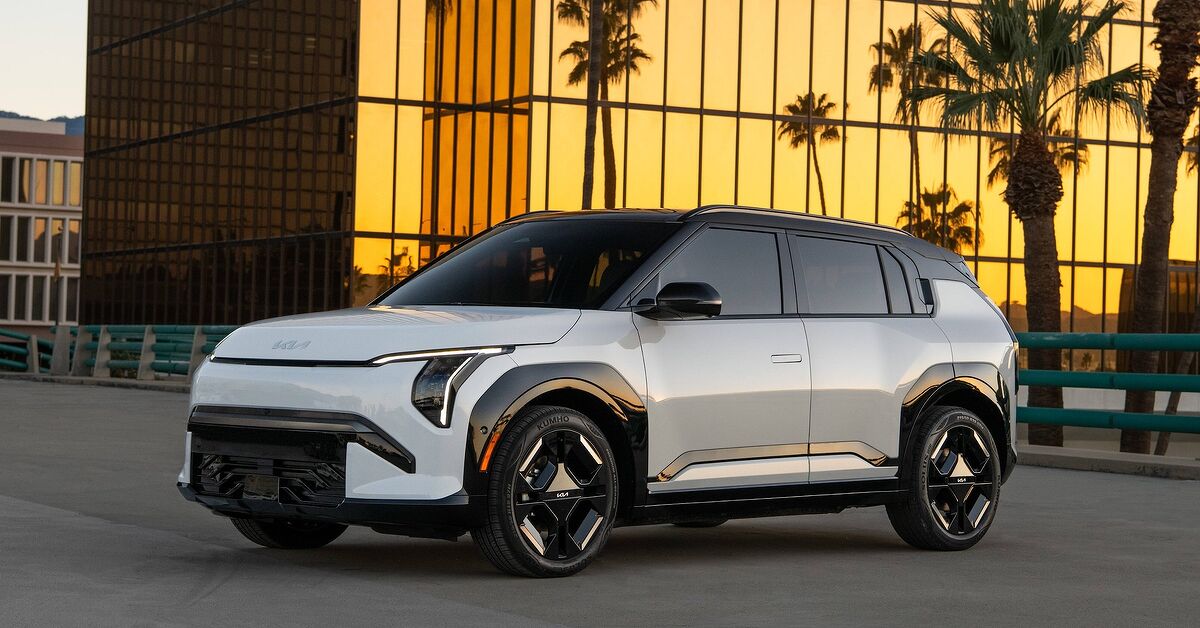
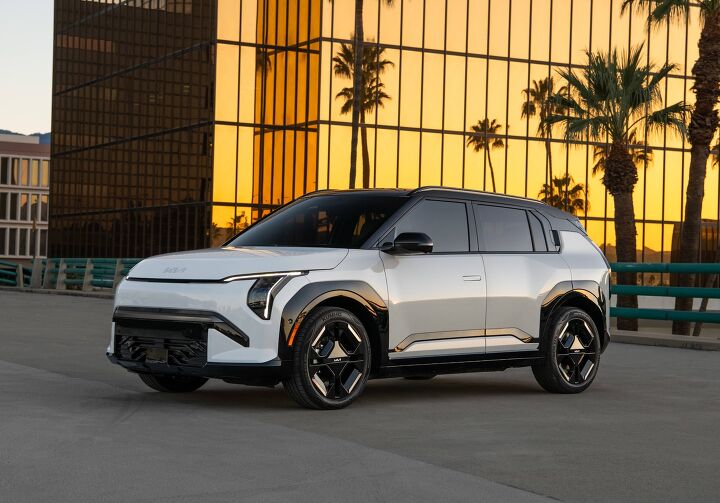
Kia’s strategic bet on the EV3 is partly predicated on its design and perceived value proposition. The compact crossover is described as a "baby EV9," drawing stylistic cues from its larger sibling, which has resonated well with consumers seeking a family-friendly electric SUV. This design lineage is intended to lend the EV3 an air of premium appeal despite its more accessible price point.
While Kia has refrained from publicly stating specific U.S. sales volume targets for the EV3, it is widely understood that these projections have been recalibrated. The company’s earlier forecasts, made in 2024, projected annual sales figures of 70,000 to 80,000 units for its electric vehicles. Such numbers are currently considered aspirational for any EV not manufactured by Tesla, highlighting the significant market dominance of the latter in the U.S. EV landscape. The EV3’s performance will be a critical indicator of Kia’s ability to penetrate this competitive segment.
Optimism Amidst Market Headwinds
Despite the challenging market conditions, Kia America executives remain optimistic about the EV3’s potential. Christine Bagnard, who oversees sales and field operations for Kia America, expressed confidence in the vehicle’s appeal. "I think with this particular vehicle, we’re going to do very, very well given its entry price point," Bagnard stated.
Bagnard highlighted positive early indicators, noting strong initial demand observed not only in California, a traditional EV stronghold, but also in several "less obvious markets." This suggests that the EV3’s affordability and practicality may be resonating with a broader range of consumers beyond the early EV adopters in coastal regions.
Lessons from Competitor Models
The U.S. automotive market has provided cautionary tales for manufacturers introducing new electric vehicles, particularly in the more affordable segments. General Motors, for instance, has announced that the revamped Chevrolet Bolt EV will have a "limited run" through a portion of 2027, indicating a strategic scaling back of its entry-level EV efforts. Similarly, Nissan’s long-standing Leaf model has struggled to gain significant market share, with only 2,318 U.S. sales recorded this year, a figure lower than the same period in 2025.
These examples underscore that simply launching an inexpensive EV does not guarantee widespread adoption. The success of the EV3 will ultimately depend on its ability to meet consumer expectations in terms of range, features, reliability, and overall value proposition.
Key Specifications and the Lingering Question of Demand
The Kia EV3 is designed to offer a compelling package for its segment. It boasts an estimated range of up to 321 miles on a full charge when equipped with the larger battery option. This range figure is competitive within its class and aims to alleviate common consumer concerns about EV practicality for daily driving and longer trips. Coupled with its shrunken-EV9 styling, which aims to provide a distinctive and appealing aesthetic, Kia is banking on a combination of form and function to drive sales.
However, the fundamental question remains: will this combination be enough to propel the EV3 to become Kia’s top-selling electric vehicle in the U.S.? The answer will depend on how effectively Kia can navigate the current market dynamics, communicate the EV3’s value to a diverse consumer base, and whether consumer interest in affordable, practical electric crossovers can overcome the broader hesitations that have emerged in the U.S. EV market. The coming months will be crucial in determining whether Kia’s ambitious prediction for the EV3 proves to be a prescient forecast or an overly optimistic aspiration.
Broader Implications for the EV Market
Kia’s aggressive positioning of the EV3 as a potential top seller has significant implications for the broader U.S. electric vehicle market. If successful, it could signal a renewed opportunity for affordable EVs to gain traction, potentially influencing other manufacturers to reconsider their strategies for entry-level electric models. Conversely, if the EV3 struggles to meet Kia’s ambitious targets, it could further reinforce the perception of a challenging market for non-premium EVs in the United States, potentially leading to a consolidation of efforts by automakers towards more profitable, higher-margin electric vehicles or a continued emphasis on hybrid powertrains.
The EV3’s performance will also be a key data point in understanding consumer preferences in the post-subsidy EV landscape. The success or failure of this model will offer valuable insights into the price sensitivity of U.S. consumers, their willingness to adopt new EV technology without significant government incentives, and the critical factors that drive purchasing decisions in this evolving automotive sector.
The industry will be watching closely as Kia attempts to make its case for the EV3, a vehicle designed to bridge the gap between affordability and the growing demand for sustainable transportation solutions. The outcome of this endeavor could well shape the trajectory of electric vehicle adoption in the United States for years to come.