General Motors has announced a significant pivot in its infotainment strategy, confirming the reintroduction of Apple CarPlay and Android Auto compatibility across its vehicle lineup, beginning with the 2027 Chevrolet Silverado and 2027 GMC Sierra. This decision marks a notable reversal of GM’s previous stance, which aimed to phase out these popular smartphone integration technologies in favor of its proprietary software. The move underscores the powerful influence of consumer preference and market data on automotive product development.
A Strategic Reassessment: Responding to Market Signals
The initial announcement by General Motors in 2023 to discontinue support for Apple CarPlay and Android Auto in its electric vehicles, and subsequently for its entire fleet including internal combustion engine models, was met with considerable apprehension from consumers and industry observers alike. At the time, GM executives, including CEO Mary Barra, articulated a vision for a more integrated and seamless in-car digital experience driven by GM’s own software platforms. The automaker asserted that its native infotainment systems would offer superior functionality, enhanced security, and better integration with vehicle features, thereby reducing reliance on external smartphone mirroring.
However, the market’s reaction proved to be a stark counterpoint to GM’s strategic ambitions. Data from various automotive research firms and consumer surveys consistently highlighted the strong attachment consumers have to the familiar interfaces and robust functionality provided by Apple CarPlay and Android Auto. These platforms offer drivers direct access to their preferred navigation apps, music streaming services, communication tools, and other essential smartphone features, all presented in a standardized and user-friendly manner within the vehicle’s dashboard display.
The Data Speaks: Consumer Preference as a Driving Force
Several studies have quantified the significance of smartphone integration for car buyers. An influential report by American Trucks revealed that a substantial 55% of CarPlay users consider its absence a dealbreaker when purchasing a new vehicle. Similarly, 36% of Android Auto users expressed the same sentiment. The impact was particularly pronounced among existing GM owners, with 42% indicating that the unavailability of either CarPlay or Android Auto would prevent them from considering a GM vehicle.
This data strongly suggests that GM’s initial strategy, while perhaps technically ambitious, underestimated the deeply ingrained habits and expectations of a large segment of the automotive consumer base. The widespread adoption and consistent positive user experience of CarPlay and Android Auto have cultivated a strong preference that manufacturers find increasingly difficult to override. The existence of a thriving aftermarket industry dedicated to retrofitting these features into vehicles that lack them further illustrates the persistent demand. This indicates a clear gap between GM’s intended technological direction and the practical desires of its target market.
A Shift in Infotainment: The 2027 Silverado and Sierra Debut
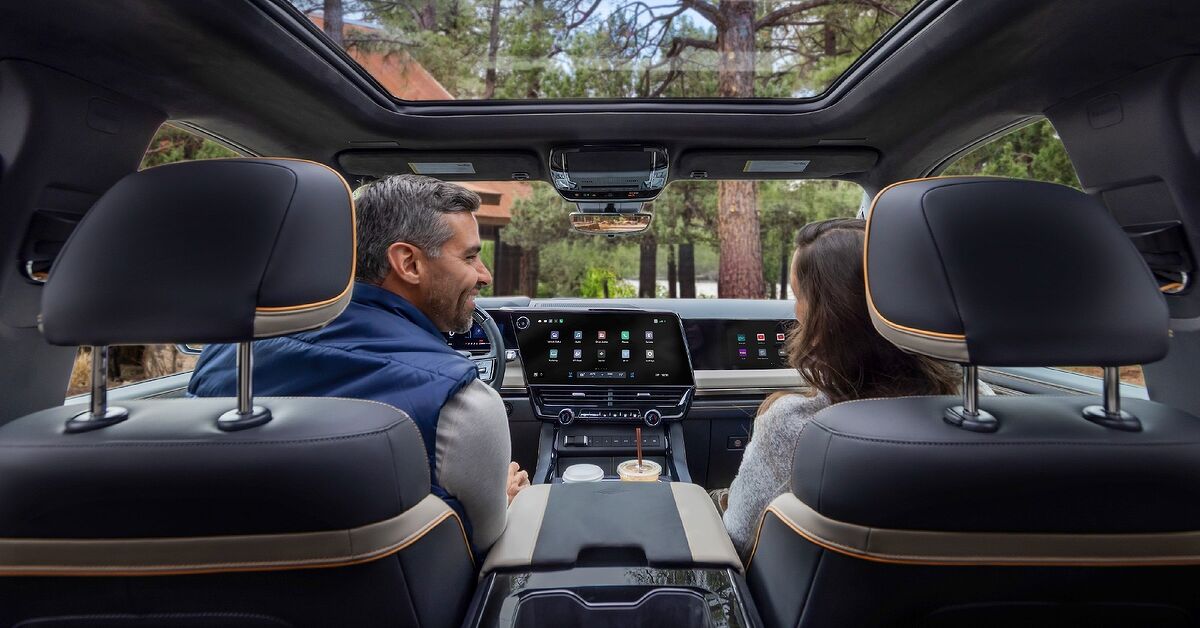
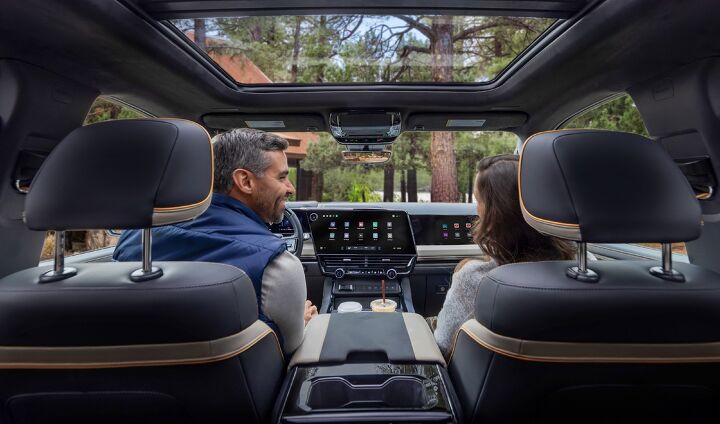
The reintroduction of CarPlay and Android Auto will be showcased in the updated infotainment systems of the 2027 Chevrolet Silverado and 2027 GMC Sierra. These flagship pickup trucks, being GM’s highest-volume sellers, serve as a logical starting point for this significant strategic recalibration. The new system boasts a revamped home screen for enhanced usability, a high-contrast display for improved visibility, and advanced features such as a 3D rendering of surrounding traffic when utilizing GM’s Super Cruise driver-assistance technology.
Crucially, the system will now integrate both Apple CarPlay and Android Auto, allowing drivers to seamlessly connect their smartphones. This integration is not merely a superficial addition but a core component of the updated infotainment architecture. GM’s official communication indicates that this enhanced system will be "expanding across the broader portfolio," signaling a comprehensive return of these features to the automaker’s entire range of vehicles. The decision to prioritize the Silverado and Sierra underscores their market importance and the potential for broad consumer impact.
A Nuanced Implementation: Balancing Native and Integrated Features
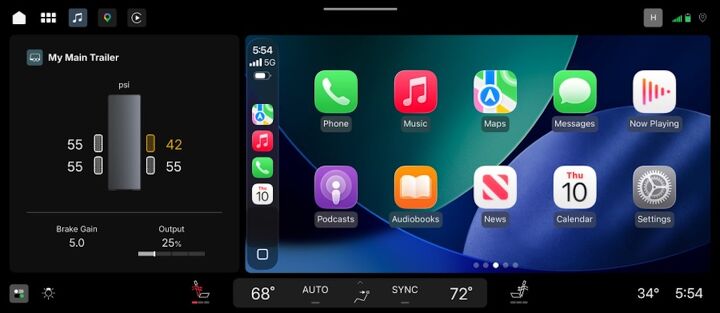
While embracing CarPlay and Android Auto, General Motors appears to be adopting a balanced approach, rather than a complete surrender to third-party software. Unlike some implementations where the smartphone interface completely takes over the vehicle’s display, GM’s approach will likely involve a more curated integration. The company has indicated that it will mirror phone interfaces within a designated card or window on the screen, preserving dedicated space for essential vehicle information such as trip data, trailer status, and persistent climate controls.
This strategy aims to leverage the familiarity and functionality of CarPlay and Android Auto while retaining the distinct advantages of GM’s native infotainment system. For instance, built-in Google applications, such as Google Maps, will continue to operate independently, even without a tethered smartphone. This ensures that core vehicle functions and integrated services remain accessible and operational, regardless of the user’s phone connection status. Such a hybrid approach could offer the best of both worlds: the convenience of familiar smartphone integration coupled with the reliability and specific features of the automaker’s proprietary software.
The Road Ahead: Implications and Future Considerations
The implications of GM’s decision extend beyond just the Silverado and Sierra. This move signals a potential shift in how automakers approach in-car technology integration. The intense consumer backlash against GM’s initial decision highlights the critical need for automakers to align their technological roadmaps with the practical expectations and preferences of their customer base. Ignoring these signals can lead to significant market challenges and damage brand loyalty.
Furthermore, the integration of over-the-air (OTA) update capabilities in the new infotainment system introduces an interesting dynamic. While enabling continuous software improvements and feature enhancements, it also theoretically provides GM with the ability to manage or even alter the functionality of integrated apps remotely. This raises questions about the long-term autonomy of smartphone mirroring features and the potential for future adjustments based on evolving business strategies or technological landscapes. The industry will be watching closely to see how GM manages this capability and its impact on the user experience over time.
The return of Apple CarPlay and Android Auto to GM vehicles is a clear victory for consumer choice and a testament to the power of market feedback in shaping automotive innovation. As GM continues to roll out this updated infotainment system across its portfolio, its success will likely be measured not only by the technological sophistication of its native software but also by its ability to seamlessly and reliably integrate the smartphone experiences that millions of drivers have come to depend on. This strategic recalibration positions GM to better serve its customer base and maintain its competitive edge in an increasingly connected automotive world.