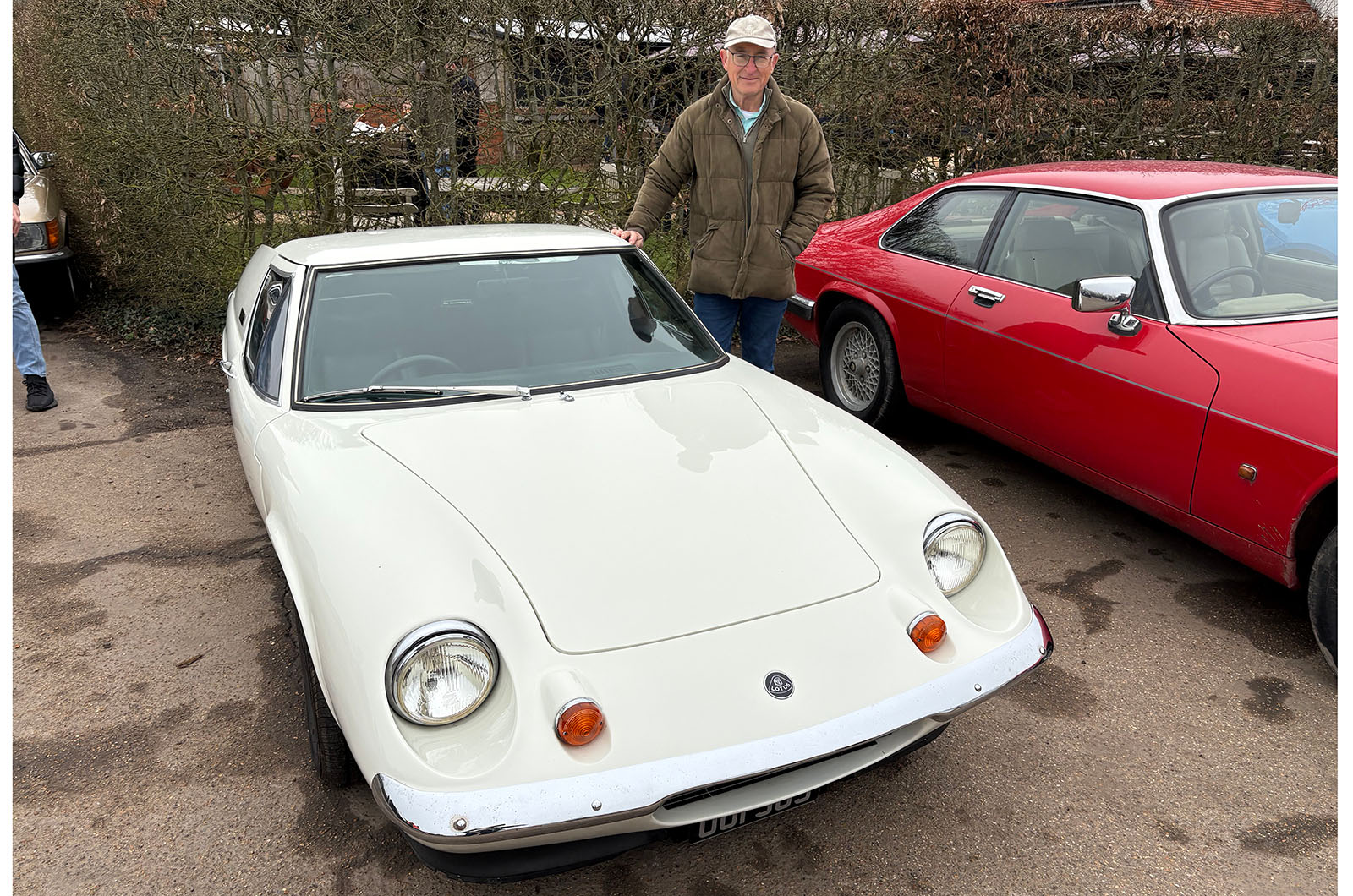
John Rand is not merely a collector of the Lotus Europa; he is, by all accounts, its most devoted and experienced custodian. His lifelong affair with the iconic British sports car has spanned over five decades, a period marked by ownership of fourteen distinct examples, a deep understanding of their intricate engineering, and an unparalleled expertise in their restoration and maintenance. This dedication, born from youthful impulsiveness and refined through decades of hands-on experience, positions Rand as the definitive authority on the Lotus Europa, a man whose knowledge is as rare and valuable as the car itself.
The genesis of Rand’s passion for the Europa is a tale of youthful exuberance and immediate, albeit costly, learning. "My parents wouldn’t buy one for me so I bought my own, my first one, for my 21st birthday in 1975," Rand recounts. This early acquisition, a symbol of newfound independence, was met with a swift and dramatic introduction to the practicalities of car ownership. "Mum and Dad were right to refuse me because I smashed it up the next day," he admits with a wry smile. The incident, a collision with a telegraph pole, could have been a discouraging end to his automotive aspirations. However, it instead became a pivotal moment, forcing Rand to confront the financial realities of vehicle repair. "I put it into a telegraph pole then had to learn how to work with fibreglass to repair it because I couldn’t afford to have someone else do it." This necessity-driven apprenticeship in fibreglass repair, a material intrinsic to the Europa’s construction, laid the foundation for his extraordinary skill set.
The Lotus Europa: A Mid-Engined Marvel of its Era
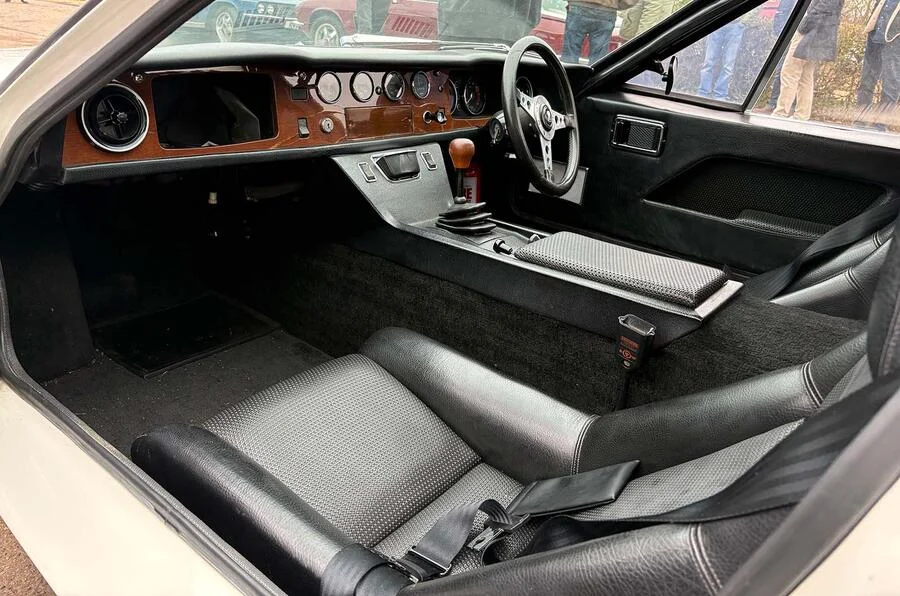
To understand John Rand’s dedication, one must first appreciate the Lotus Europa itself. Launched in 1966, the Europa was a bold departure for Lotus, a company already renowned for its innovative chassis design and racing pedigree. Unlike the Elan, which featured a steel backbone chassis, the Europa employed a revolutionary steel backbone chassis with a central tub, a design that would become a hallmark of mid-engined sports cars for decades to come. Its fiberglass body, a low-slung, aerodynamic wedge, was designed by Ron Hickman and famously inspired by the shape of a bird in flight.
The Europa was initially powered by a Renault 16 engine, a choice that, while providing a compact and lightweight power unit, was often criticized for its modest performance. However, later iterations, particularly the Series 2 and the Type 74 (Twin Cam and JPS variants), featured more potent Lotus-developed engines, including the legendary 1558cc Lotus-Ford Twin Cam. This evolution transformed the Europa from a stylish cruiser into a genuine performance machine, capable of respectable speeds and agile handling that defined the Lotus ethos.
The Europa’s production run, from 1966 to 1975, saw approximately 3,600 units produced across its various series. While not a commercial blockbuster in the vein of some of its contemporaries, it carved out a significant niche for itself as a sophisticated and driver-focused sports car, appealing to those who valued engineering innovation and a unique driving experience over brute force. Its mid-engined layout offered exceptional weight distribution, contributing to its renowned handling characteristics, a trait that would later influence the design of the much more famous Lotus Esprit.
A Legacy Forged in Fibreglass and Grit
John Rand’s journey with the Europa is a testament to the car’s enduring appeal and the owner’s unwavering commitment. His first Europa, a casualty of youthful exuberance, became his first teacher. "I was 21, a bit of a lad, and I learned a lot very quickly," he reflects. This initial setback, rather than deterring him, ignited a passion for understanding the car from the ground up. The subsequent thirteen Europas have been more than just acquisitions; they have been chapters in a continuing education.
Each Europa presents its own unique challenges and rewards. The fiberglass construction, while contributing to the car’s light weight, requires specific expertise for repair and maintenance. Years of experience have allowed Rand to master the nuances of working with this material, from identifying hairline cracks to expertly patching and finishing damaged sections. His ability to perform these repairs himself not only saved him considerable expense but also ensured that the work was done to his exacting standards.
Rand’s ownership timeline is itself a chronology of dedication. His first Europa was acquired in 1975, marking the beginning of a journey that continues to this day. Over the ensuing decades, he has meticulously restored and maintained these vehicles, developing an intimate understanding of their mechanical intricacies, their common foibles, and their unique character. This depth of knowledge is not gained from manuals alone; it is accumulated through countless hours spent with spanners in hand, diagnosing issues, sourcing rare parts, and fine-tuning engines.
The Europa Community and Rand’s Role
Within the dedicated community of Lotus Europa owners, John Rand is a revered figure. His willingness to share his knowledge and expertise has made him an invaluable resource. Owners facing complex restoration projects or perplexing mechanical issues often turn to Rand for advice. His reputation is built not on owning the most pristine or valuable examples, but on his profound understanding of how the cars function, how they were intended to be driven, and how to keep them on the road and performing as they should.
"There’s a certain way to drive a Europa," Rand often advises aspiring owners. "It’s not about raw power; it’s about finesse, about feeling the road, about understanding its limits and working with them." This philosophy encapsulates the essence of the Europa driving experience and highlights Rand’s holistic approach to ownership. He doesn’t just fix cars; he understands their soul.
The scarcity of original parts for a car produced over 50 years ago means that resourcefulness and ingenuity are paramount for Europa owners. Rand has undoubtedly developed a network of contacts and a keen eye for sourcing obsolete components, often fabricating his own when necessary. This commitment to originality and functional integrity is a hallmark of true enthusiasts and further solidifies his standing within the community.
Supporting Data and the Europa’s Place in Automotive History
The Lotus Europa, despite its relatively modest production numbers, holds a significant place in automotive history. Its innovative design, particularly the mid-engined layout and fiberglass construction, influenced subsequent generations of sports cars. The mid-engine configuration, initially pioneered in racing cars, began to filter into production sports cars in the late 1960s and early 1970s, and the Europa was at the forefront of this trend. This layout allows for optimal weight distribution, placing the engine behind the driver and ahead of the rear axle, which significantly enhances handling dynamics, providing greater traction and a more balanced feel.
The use of a fiberglass monocoque chassis, while common in racing, was less prevalent in road cars at the time. This technique, honed by Lotus in its racing programs, allowed for a lightweight yet strong structure, contributing to the Europa’s agile performance. Data from contemporary road tests often highlighted the Europa’s exceptional ride and handling, with reviewers praising its ability to corner at speeds that would have unsettled less sophisticated designs. For instance, early models equipped with the Renault engine could achieve 0-60 mph in around 9-10 seconds, respectable for the era, while later Twin Cam models improved this figure significantly.
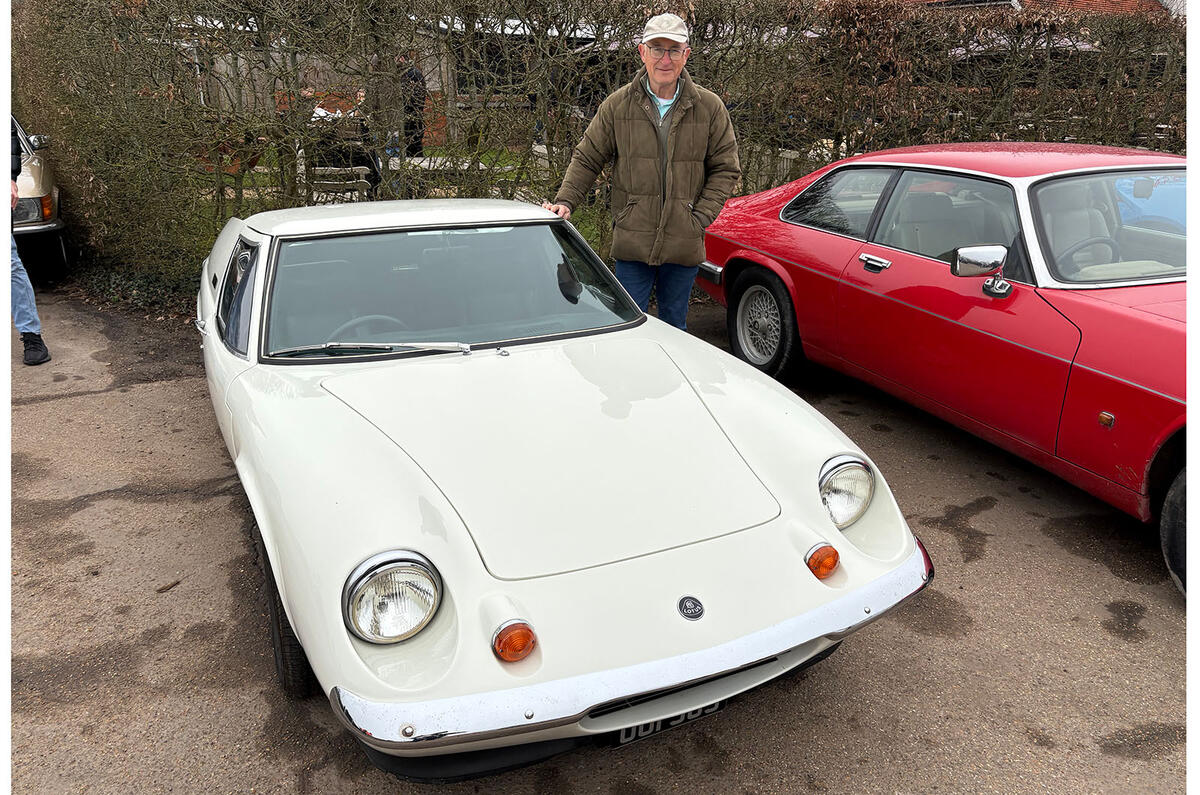
The Europa’s design also reflects the broader automotive trends of the late 1960s and early 1970s, a period characterized by an increasing interest in aerodynamic efficiency and driver-focused engineering. The low, wedge-shaped profile of the Europa was not just aesthetically pleasing; it was functional, reducing drag and improving stability at higher speeds. This focus on aerodynamic principles, another hallmark of Lotus’s racing heritage, contributed to the car’s overall performance envelope.
The Implications of Rand’s Expertise
John Rand’s unparalleled knowledge of the Lotus Europa has implications that extend beyond individual ownership. His meticulous approach to restoration and maintenance contributes to the preservation of these historically significant vehicles. Each Europa he has worked on, and continues to maintain, represents a tangible piece of automotive history. By ensuring their longevity, he is safeguarding a legacy for future generations of enthusiasts.
Furthermore, his insights into the design and engineering of the Europa provide valuable historical context for automotive historians and engineers. Understanding the challenges and innovations associated with the Europa’s development can inform contemporary design practices and shed light on the evolution of sports car engineering. His hands-on experience offers a unique perspective that complements theoretical knowledge and archival research.
The existence of individuals like John Rand underscores the importance of specialized knowledge in maintaining and preserving classic automobiles. As vehicles age, the availability of original parts and specialized repair skills diminishes. Enthusiasts who dedicate themselves to mastering these intricacies play a vital role in ensuring that these automotive icons can continue to be enjoyed and appreciated. His story serves as an inspiration to other classic car owners, demonstrating that with dedication, perseverance, and a willingness to learn, even the most challenging vehicles can be kept alive and well.
In an era where automotive production is increasingly homogenized and digital, the story of John Rand and his fourteen Lotus Europas is a powerful reminder of the enduring appeal of mechanical artistry, dedicated craftsmanship, and the profound connection that can develop between a human and a machine. He is not just a man who knows how to Europa correctly; he is a guardian of its legacy, a living testament to its unique place in automotive history.