Whitehorse, the capital of the Yukon Territory, has long been defined by its spirit of rugged independence and resourcefulness, a legacy that traces its roots back to the Klondike Gold Rush of the late 19th century. Situated on the traditional territories of the Kwanlin Dün First Nation and the Ta’an Kwäch’än Council, this subarctic city is now witnessing a modern evolution of its frontier heritage. The second edition of Maker Faire Yukon, organized by the regional innovation hub Yukonstruct, serves as a testament to how the "North of 60" community is blending traditional craftsmanship with cutting-edge technology. This event highlights a unique cultural intersection where the necessity of northern survival meets the curiosity of modern engineering, fostering an environment that encourages residents to transition from passive consumers to active creators.
The Evolution of Yukon’s Maker Culture
The formalization of the maker movement in the Yukon can be traced back to September 2014, with the establishment of Yukonstruct. As the territory’s first regional makerspace and innovation hub, Yukonstruct was designed to provide the community with access to tools, space, and a collaborative network that might otherwise be unavailable in such a remote geographic location. Since its inception, the organization has acted as a steward of the Yukon’s long-standing tradition of "dreaming and doing."
One of the cornerstone initiatives of Yukonstruct has been the Repair Café Whitehorse. For nearly a decade, this monthly event has invited citizens to bring broken household items—ranging from electronics to textiles—to be fixed alongside skilled volunteers. This initiative does more than just divert waste from landfills; it serves as an educational platform where practical DIY skills are passed down through generations. The success of the Repair Café laid the groundwork for larger-scale celebrations of creativity, eventually leading to the launch of Maker Faire Yukon. By scaling these localized efforts into a full-scale "Faire," the organizers have created a venue where the creativity of a community of 30,000 people can be showcased to a broader audience.

Technical Spectacles: From Combat Robots to CO2 Propulsion
The current iteration of Maker Faire Yukon features a diverse array of technical demonstrations that appeal to both hobbyists and professional engineers. A primary draw for the 2026 event is the combat robot competition. Earlier this month, Yukonstruct hosted a series of "build-your-own-robot" workshops, where participants were provided with Viper kits sourced from Fingertech Robotics, a Saskatchewan-based company known for its involvement in Maker Faire Saskatoon.
These workshops were not merely about assembly; they focused on customization and mechanical optimization. Following the initial builds, pilots spent weeks at home or in the makerspace modifying their machines with custom armor, weapon systems, and drive trains. The competition at the Faire serves as a high-stakes testing ground for these modifications, illustrating the iterative design process inherent in robotics.

In addition to terrestrial robotics, the event features "Rocket Eggs," a high-velocity physics challenge that puts a northern spin on the classic egg-drop experiment. Participants design protective housings for eggs mounted on CO2-powered sleds. The objective is twofold: achieve maximum speed while ensuring the structural integrity of the "passenger" upon impact or deceleration. This activity requires a fundamental understanding of aerodynamics, force distribution, and material science, making it a popular educational tool for younger attendees.
The Intersection of Tradition and Innovation
What distinguishes Maker Faire Yukon from similar events in southern metropolitan areas is its "northern edge"—a specific focus on projects that utilize local materials and address the realities of life in the subarctic. This is evidenced by workshops where participants create "birdcage awls"—traditional woodworking tools—using repurposed chainsaw files and caribou or moose antlers. This practice exemplifies the circular economy of the North, where industrial waste is transformed into functional, artisanal tools.

The event also features a wide range of hands-on activations, including:
- Blacksmithing: Demonstrations of forging techniques that have been vital to northern industry for over a century.
- Fractal Wood Burning: A process using high-voltage electricity to create Lichtenberg figures in wood, blending physics with aesthetic design.
- Glass Blowing: Utilizing the expertise of local studios to demonstrate the manipulation of molten silica.
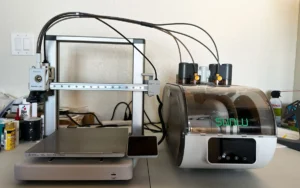
- Digital Fabrication: Showcasing how 3D printing and CNC machining are being used by Yukoners to manufacture replacement parts for machinery that would otherwise take weeks to ship from the south.
These activities are provided free of charge to participants, lowering the barrier to entry for technical education and ensuring that the "maker" identity is accessible to all socioeconomic segments of the Whitehorse population.

Community Integration and the Cyberpunk Ball
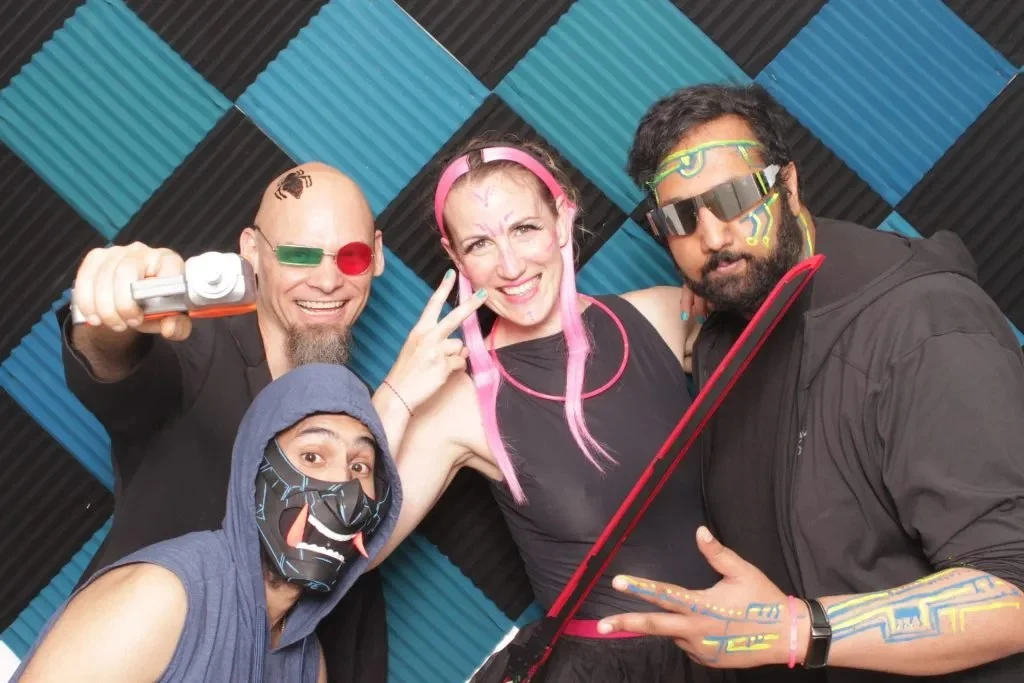
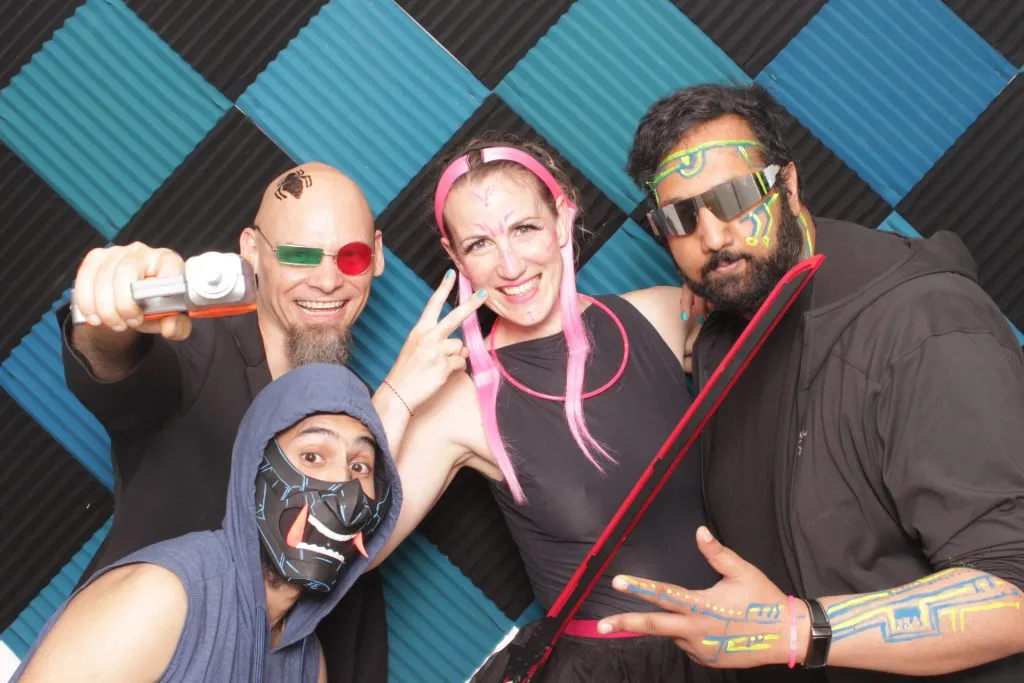
Beyond the technical workshops, Maker Faire Yukon emphasizes the social fabric of the maker community. This is perhaps best exemplified by the "Cyberpunk Ball," an evening event described as a gathering of the "weird, wonderful, and dystopian." The ball utilizes LED technology and blacklight environments to create an immersive costume party.
The event encourages makers to apply their skills to "wearable tech" and costume design. It features glow-in-the-dark beverages and performances by local circus artists, integrating the performing arts into the traditionally STEM-heavy maker movement. By including a social component like the Cyberpunk Ball, the organizers foster a sense of belonging and provide a venue for creative expression that goes beyond functional utility.

Broader Impact and Regional Context
The success of Maker Faire Yukon is a significant indicator of the growth of the Canadian innovation ecosystem. While large-scale Faires in cities like Toronto or Vancouver often draw massive crowds, regional Faires like the one in Whitehorse play a crucial role in maintaining the momentum of the maker movement in less densely populated areas.
Supporting data suggests that makerspaces in remote regions contribute significantly to local resilience. According to various economic studies on community makerspaces, these hubs often lead to:

- Small Business Incubation: Many hobbyist projects at Maker Faires eventually evolve into commercial startups.
- Skill Acquisition: Participants often gain technical proficiencies in welding, coding, and CAD design that are directly transferable to the modern labor market.
- Waste Reduction: Programs like the Repair Café significantly extend the lifecycle of consumer goods, a vital factor in regions where the cost of shipping and waste management is high.
The influence of the maker movement is also expanding elsewhere in Canada. For those unable to travel to the Yukon, the inaugural Maker Faire Waterloo is scheduled for September 13th in Ontario. The proximity of these events highlights a nationwide network of makers who share resources, technical kits (like those from Fingertech Robotics), and organizational strategies.
Analysis of Implications
The existence of a thriving Maker Faire in the Yukon suggests that the digital divide and geographic isolation are being bridged by community-led initiatives. In the past, the lack of specialized manufacturing equipment in the North meant that residents were dependent on southern supply chains. Today, the democratization of tools like laser cutters and 3D printers allows Yukoners to prototype and manufacture locally.

Furthermore, the integration of First Nations traditional knowledge with modern making practices at the Faire represents a significant step toward culturally inclusive innovation. By valuing antler carving and blacksmithing alongside robotics and coding, the event validates diverse forms of expertise.
As the second edition of Maker Faire Yukon concludes, the impact on the community is likely to be long-lasting. By providing a platform for the "culture of dreaming and doing," the event reinforces the idea that the Yukon is not just a place of historical extraction, but a contemporary hub of creation. The skills learned and the connections made during the Faire contribute to a more self-reliant and technologically literate northern population, ensuring that the spirit of the Klondike continues to thrive in a digital age.