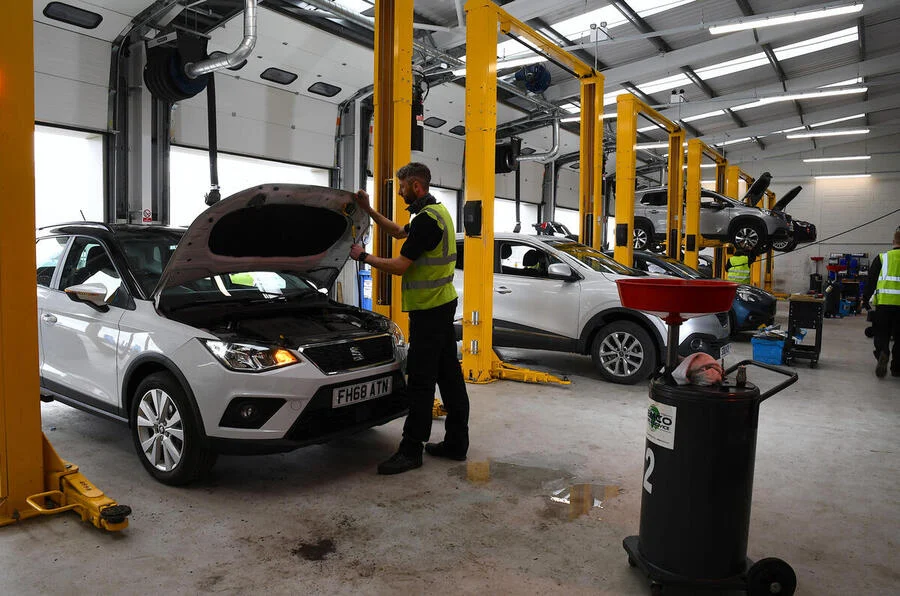
The Independent Garage Association has called for MOT prices to rise to £95 – and it makes perfect sense. This significant proposed increase, a jump from the current cap of £54.85, represents a substantial 72.7% rise in the cost of a standard annual MOT car test. While such a dramatic shift may initially seem contentious, a closer examination of the automotive industry’s evolving landscape and the practical realities faced by independent garages reveals that this proposal is not only reasonable but, according to proponents, long overdue. The call for a revised MOT price cap is set to be formally presented to the government as part of crucial discussions aimed at ensuring the continued viability and quality of vehicle safety inspections across the United Kingdom.
The Rationale Behind the Proposed Increase
The Independent Garage Association (IGA), representing a significant portion of the UK’s automotive repair and maintenance sector, has articulated a compelling case for the substantial upward adjustment of the MOT test price cap. The current price, which has remained largely stagnant for years, is no longer reflective of the operational costs and the necessary investment required by garages to conduct thorough and compliant safety checks.
At the core of the IGA’s argument lies the escalating cost of doing business. Modern vehicles are becoming increasingly complex, incorporating advanced technology such as sophisticated electronic systems, intricate emissions control mechanisms, and advanced driver-assistance systems (ADAS). Testing these components accurately and efficiently requires specialized diagnostic equipment, ongoing training for technicians, and a significant investment in up-to-date software. The current price cap simply does not adequately account for these rising overheads, forcing many garages to operate on razor-thin margins or even at a loss when conducting MOT tests.
Furthermore, the proposal is framed as a necessary measure to safeguard the quality and integrity of the MOT system. A price that is too low can incentivize garages to rush through tests, cut corners, or defer necessary equipment upgrades, ultimately compromising road safety. By allowing prices to rise to a more sustainable level, the IGA believes that garages will be better equipped to invest in the necessary tools, training, and time required to perform comprehensive and accurate safety assessments, thereby enhancing overall roadworthiness and reducing the number of potentially dangerous vehicles on the road.
A Look at the Current MOT System and Its History
The MOT test, a mandatory annual safety inspection for vehicles over three years old in the UK, was introduced in 1960. Its primary objective is to ensure that vehicles meet minimum road safety and environmental standards. Over the decades, the scope and complexity of the MOT test have evolved significantly to keep pace with technological advancements in vehicle manufacturing and increasing environmental regulations.
The current maximum price for a standard MOT test for a car was last updated in 2015. Since then, inflation has steadily eroded the purchasing power of that price, meaning the real value of the earnings from an MOT test has diminished considerably. Various industry bodies have, over the years, lobbied for price increases, highlighting the disparity between the regulated maximum fee and the actual costs incurred by garages.
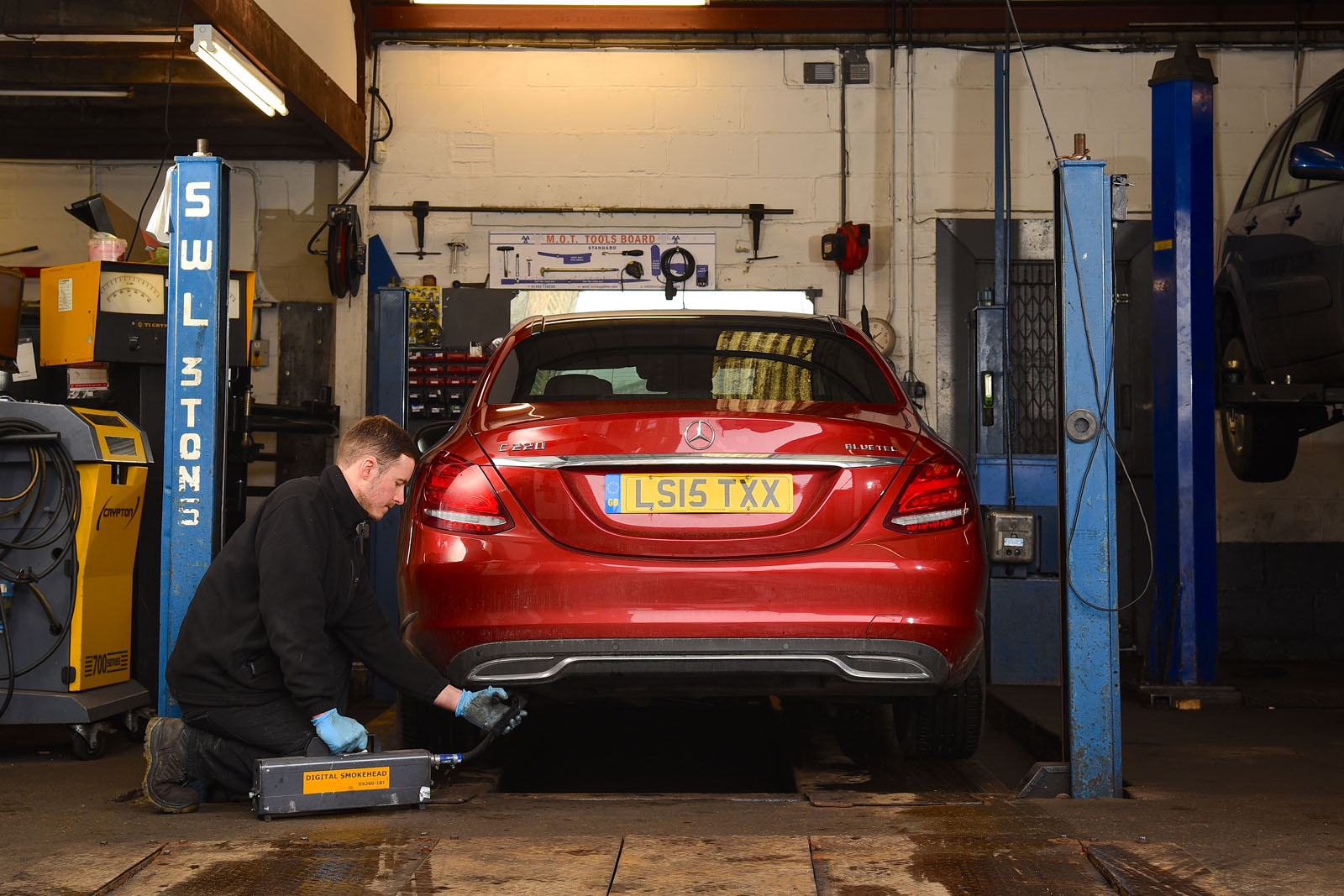
The current price cap of £54.85 for a car MOT is set by the Driver and Vehicle Standards Agency (DVSA), the body responsible for ensuring the MOT scheme operates effectively. While the DVSA does not dictate the price garages can charge, it sets a maximum that they cannot exceed. This cap is intended to protect consumers from excessive charges, but critics argue it has become a barrier to garages operating profitably and maintaining the necessary standards.
The Economic Realities for Independent Garages
Independent garages are the backbone of vehicle maintenance and repair across the UK. They often provide a more personal and accessible service compared to main dealerships. However, they face intense competition and operate in a sector with often tight profit margins. The MOT test, while a regular source of business, has become increasingly uneconomical under the current pricing structure.
Consider the cost breakdown for a garage conducting an MOT:
- Staffing: Trained and certified MOT testers require competitive wages. The time spent by a tester on a vehicle, including pre-test checks, the inspection itself, and administrative tasks, represents a significant labor cost.
- Equipment and Technology: As mentioned, modern vehicles necessitate investment in advanced diagnostic equipment. This can include emissions analysers, brake testers, headlight aim testers, and specialized tools for electronic systems. These are not one-off purchases; they require regular calibration, maintenance, and software updates.
- Premises and Utilities: Garages incur costs for rent or mortgage payments, utilities (electricity, heating), insurance, and business rates.
- Training and Certification: Technicians must undergo continuous professional development to stay abreast of evolving vehicle technology and DVSA regulations. This training comes at a cost.
- Administrative Overheads: Managing appointments, record-keeping, invoicing, and compliance with various regulations all contribute to administrative costs.
When these costs are factored in, performing an MOT at the current price cap often means that the test is barely breaking even, if at all. Many garages may subsidize the MOT test with other repair work. However, this is not a sustainable long-term model, and it can lead to a situation where essential safety checks are not prioritized as they should be.
Supporting Data and Industry Trends
While specific financial data for individual MOT tests is proprietary to garages, broader industry trends provide supporting evidence for the IGA’s claims. The Federation of Small Businesses (FSB) has consistently highlighted the rising operational costs faced by small and medium-sized enterprises (SMEs) in the automotive sector, including increased energy prices, material costs, and wage pressures.
Furthermore, reports from automotive industry analysis firms indicate a trend of consolidation and challenges for independent garages in keeping pace with technological advancements. Many smaller operations struggle to afford the significant capital investment required for cutting-edge diagnostic equipment.
The proposed £95 price point is not an arbitrary figure. It is likely derived from detailed cost analysis conducted by the IGA, taking into account the average expenditure of its member garages to conduct a compliant and thorough MOT test. This figure would aim to provide a reasonable profit margin, allowing garages to reinvest in their businesses and maintain high standards.
Timeline and the Path Forward
The IGA’s announcement signals an intent to engage in formal discussions with the government. This process typically involves several stages:
- Formal Proposal Submission: The IGA will likely submit a detailed proposal to the Department for Transport and the DVSA, outlining their case with supporting evidence.
- Consultation Period: The government will likely initiate a consultation period, inviting feedback from various stakeholders, including consumer groups, motoring organisations, and the wider public.
- Impact Assessment: The DVSA will conduct an assessment of the potential economic and safety impacts of any proposed price change.
- Decision and Implementation: If the government decides to proceed, new regulations regarding the MOT price cap will be drafted and implemented, which could take several months or even longer.
It is important to note that the proposed £95 figure is a call for the maximum price. Garages will still be able to charge less, and consumers will retain the option to shop around for the most competitive prices. However, the proposed increase aims to set a benchmark that reflects the true cost of providing a quality MOT service.
Reactions and Potential Implications
The proposal is likely to elicit a mixed reaction. Consumer advocacy groups may express concerns about the increased cost for motorists, particularly during a period of economic uncertainty. They will likely emphasize the need for transparency and robust oversight to ensure that any price increase translates into improved safety and not just increased profits.
Conversely, many in the automotive industry, including mechanics and garage owners, are likely to welcome the proposal as a necessary step towards sustainability. They may argue that the current price cap has been detrimental to the sector, leading to underinvestment and potential compromises in service quality.
The broader implications of a revised MOT price cap could include:
- Improved Road Safety: If garages can afford to invest in better equipment and training, and dedicate adequate time to each test, the overall standard of vehicle safety on UK roads could improve.
- Sustainability of Independent Garages: A more viable pricing structure could help independent garages remain competitive and continue to serve local communities.
- Potential for Increased Repair Work: A more thorough MOT might identify more issues, leading to increased demand for repairs, which could benefit the wider automotive aftermarket.
- Consumer Choice: While the maximum price increases, consumers will still benefit from competition, and garages that offer value for money may thrive.
Conclusion: A Necessary Evolution for Vehicle Safety
The call for an increase in the MOT test price cap from £54.85 to £95, as advocated by the Independent Garage Association, is rooted in the practical and economic realities of operating a modern vehicle testing facility. The proposal is not merely a plea for higher profits but a strategic move to ensure the continued integrity, effectiveness, and sustainability of the MOT system, a cornerstone of road safety in the UK.
As vehicles become more technologically advanced and operational costs continue to rise, the current price cap has become increasingly untenable. By allowing garages to charge a more realistic fee, the government has an opportunity to foster an environment where investment in essential equipment, ongoing technician training, and sufficient testing time are prioritized. This, in turn, has the potential to lead to a safer road network for all users. While consumer concerns regarding affordability are valid and will require careful consideration during any consultation process, the underlying principle of ensuring that a critical safety inspection is conducted to the highest possible standard, supported by a viable business model, makes this proposed price hike a logical and necessary evolution.