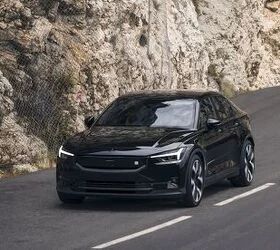
In a significant strategic pivot, electric vehicle manufacturer Polestar has announced its decision not to contest a potential ban from the United States market. This move effectively signals an end to the brand’s ambitions to establish a substantial presence in the U.S., despite the encouragement of its network of dealers. Polestar officials have confirmed that the company will redirect its investments and focus on markets where it currently holds a strong brand position and anticipates achieving profitable growth, with a pronounced emphasis on Europe.
This decision comes amid a complex geopolitical and regulatory landscape, particularly concerning Chinese-owned entities operating within the U.S. The specific reasons for Polestar’s inability to secure a continued foothold in the U.S. market have not been fully detailed publicly, but the company’s spokesman, Michael Ofiara, stated to The Wall Street Journal that "significant dialogue" had occurred with U.S. officials. However, these discussions evidently did not yield a resolution that would allow Polestar to remain operational in the American market.
"We will instead focus our investments on markets where we have a strong brand position and ability to achieve profitable growth, with a strong weighting towards Europe," Ofiara communicated. This statement underscores a pragmatic approach by Polestar, prioritizing markets that offer a clearer path to sustainability and profitability, rather than engaging in a potentially protracted and resource-intensive battle for market access in the U.S.
The implications of this decision are far-reaching, particularly for the 32 Polestar dealerships across the United States. These dealerships, having invested heavily in preparing for the brand’s expansion, now find themselves in a precarious situation. Matthew Haiken, identified as one of the larger Polestar dealers in the U.S., expressed his frustration and bewilderment to The Wall Street Journal, stating, "We deserve some answers." Haiken reportedly invested "millions" into his Polestar dealership located in East Hanover, New Jersey, even pausing construction on the facility following an initial warning, indicating a degree of foresight regarding potential challenges.
Background and Timeline of Polestar’s U.S. Journey
Polestar, initially conceived as the performance division of Volvo Cars, officially launched as an independent electric vehicle brand in 2017. Its strategy in the U.S. market has been characterized by a phased rollout, primarily focusing on direct-to-consumer sales models, mirroring strategies employed by other EV startups. The brand aimed to differentiate itself through a combination of Scandinavian design, performance-oriented engineering, and a premium positioning.
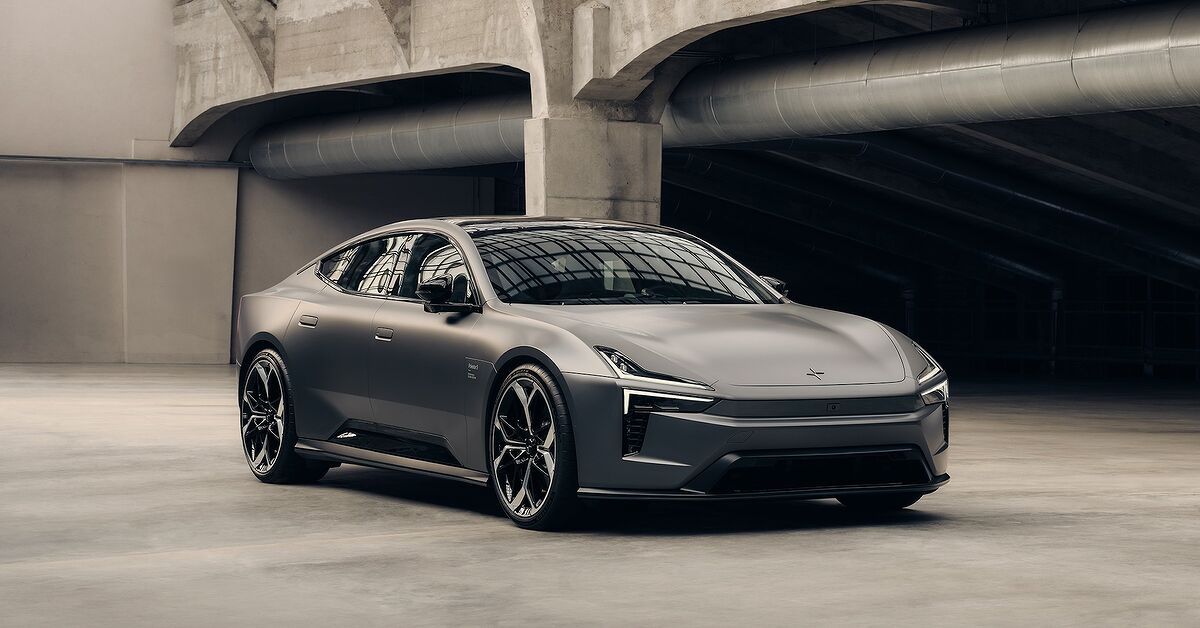
The company began accepting reservations for its Polestar 2 model in the U.S. in 2020, with deliveries commencing shortly thereafter. This was followed by the introduction of the Polestar 3, an electric SUV, and the highly anticipated Polestar 4. The expansion plan included establishing a network of Polestar Spaces – smaller, minimalist showrooms designed to offer a more curated brand experience rather than traditional large dealerships.
However, the geopolitical climate has increasingly cast a shadow over Chinese-owned companies operating in sensitive sectors, including automotive technology. While the exact catalyst for Polestar’s U.S. market difficulties remains somewhat opaque, it is understood to be linked to broader international trade tensions and regulatory scrutiny. The fact that Volvo Cars, also owned by the same Chinese investor (Geely), appears to be permitted to continue its operations in the U.S. suggests that the challenges may be specific to Polestar’s operational structure, market positioning, or the nature of its direct relationship with its Chinese parent company.
The timeline of Polestar’s retreat appears to have been accelerated by recent regulatory developments or warnings, prompting the company to make a definitive decision regarding its U.S. strategy. The "significant dialogue" mentioned by Ofiara likely involved intensive negotiations with various U.S. government agencies, attempting to navigate a complex web of trade regulations, national security concerns, and intellectual property considerations. The ultimate decision to withdraw indicates that these negotiations did not result in a favorable outcome for Polestar’s continued market participation.
Market Performance and Investment Landscape
Polestar’s global sales figures provide some context for its strategic decisions. While the company has seen growth in its core European markets and China, its U.S. sales have been more modest in comparison to established EV players and even some newer entrants. In 2023, Polestar reported global deliveries of 54,200 vehicles, a 37% increase compared to the previous year. However, the U.S. market, while important, has not been the primary driver of this growth.
The company’s financial performance has been a subject of ongoing scrutiny. Like many EV startups, Polestar has faced challenges in achieving profitability amidst significant investments in research and development, manufacturing, and market expansion. The decision to withdraw from the U.S. could be viewed as a necessary step to streamline operations and conserve capital, allowing the company to focus on markets with a higher probability of generating positive returns.
The automotive industry is currently undergoing a period of intense competition and rapid technological advancement. The transition to electric vehicles requires substantial capital expenditure, and companies must make calculated decisions about where to allocate their resources for maximum impact. For Polestar, the U.S. market, with its complex regulatory environment and entrenched competition from domestic and international automakers, may have presented a less attractive return on investment compared to other regions.
Reactions from Dealerships and Industry Analysts
The reaction from Polestar’s U.S. dealer network has been one of disappointment and concern. Matthew Haiken’s statement reflects the sentiment of many dealers who have made significant commitments to the brand. The investment in Polestar Spaces, specialized training for staff, and marketing efforts now face an uncertain future. For these businesses, the withdrawal of a brand represents not only a loss of potential revenue but also a significant blow to their strategic planning and financial projections.
Industry analysts are likely to view Polestar’s decision as a pragmatic, albeit difficult, strategic maneuver. The competitive landscape in the U.S. EV market is fierce, with established automakers like Tesla, Ford, and General Motors investing heavily in their electric offerings, alongside a growing number of new players. Navigating this environment while also facing potential regulatory headwinds could have proven to be an insurmountable challenge for Polestar.
Furthermore, the broader implications of Polestar’s withdrawal could extend to consumer confidence in other Chinese-backed automotive ventures in the U.S. While Polestar is a distinct brand, its association with Geely and the current geopolitical climate could lead to increased scrutiny of other similar enterprises.
Broader Impact and Future Outlook
Polestar’s withdrawal from the U.S. market raises several critical questions about the future of the electric vehicle industry and international trade dynamics.
1. The Future of Polestar’s Global Ambitions: The company’s stated focus on Europe and China suggests a renewed commitment to these core markets. Europe, in particular, has strong regulatory support for EVs and a growing consumer base, making it a logical choice for continued investment. China, as the world’s largest automotive market and a leader in EV production, offers significant opportunities for growth. However, the brand will need to work diligently to solidify its position and overcome any lingering perceptions associated with its origins.
2. The U.S. EV Market Landscape: Polestar’s departure, while perhaps not significantly impacting the overall U.S. EV market share due to its relatively small presence, does remove a unique player offering a premium, design-focused alternative. This might create a void for consumers seeking a specific type of electric vehicle experience. It also highlights the challenges that foreign automakers, particularly those with ties to China, may face in the U.S. market.

3. The Role of Geopolitics in Automotive Strategy: This situation underscores the increasing influence of geopolitical factors on global business strategies. Trade tensions, national security concerns, and regulatory policies can significantly impact market access and investment decisions for multinational corporations. The automotive industry, with its long supply chains and significant capital requirements, is particularly susceptible to these influences.
4. The Plight of Dealerships: The situation faced by Polestar’s U.S. dealers serves as a cautionary tale for franchise owners investing in new and emerging automotive brands. The inherent risks associated with new ventures, coupled with external geopolitical and regulatory pressures, can lead to abrupt market exits, leaving dealers with substantial financial losses and unanswered questions.
The ultimate impact of Polestar’s U.S. withdrawal will unfold over time. While the company appears resolute in its decision, the lingering sentiment among its former dealers and the broader implications for international automotive trade warrant close observation. The company’s ability to execute its strategy in its prioritized markets will be crucial in determining its long-term success and its standing within the global electric vehicle landscape. The questions of whether Polestar will indeed be "banned" and whether the market "cares" are complex, with the former being a de facto outcome of their decision not to fight, and the latter depending on consumer sentiment and the brand’s future ability to resonate in its chosen territories.