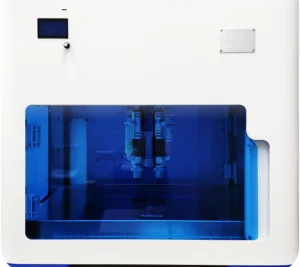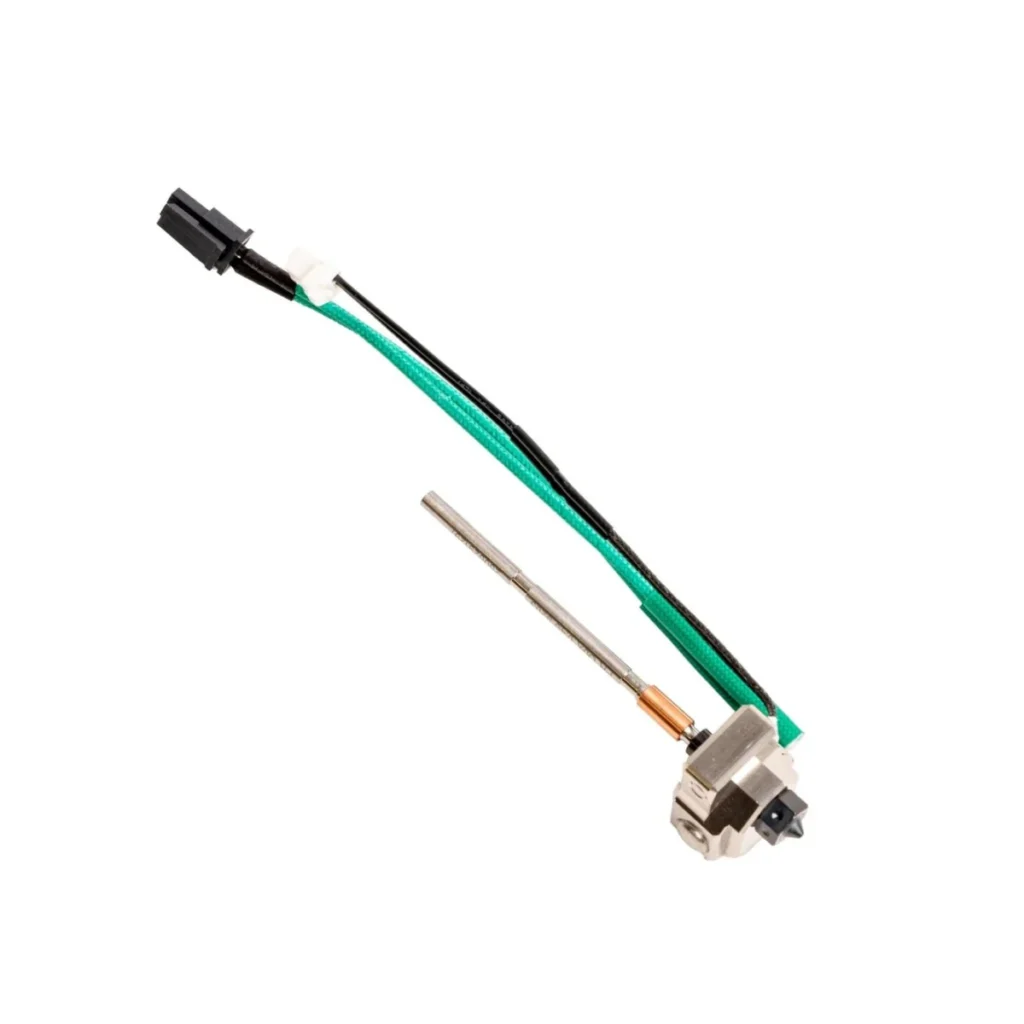
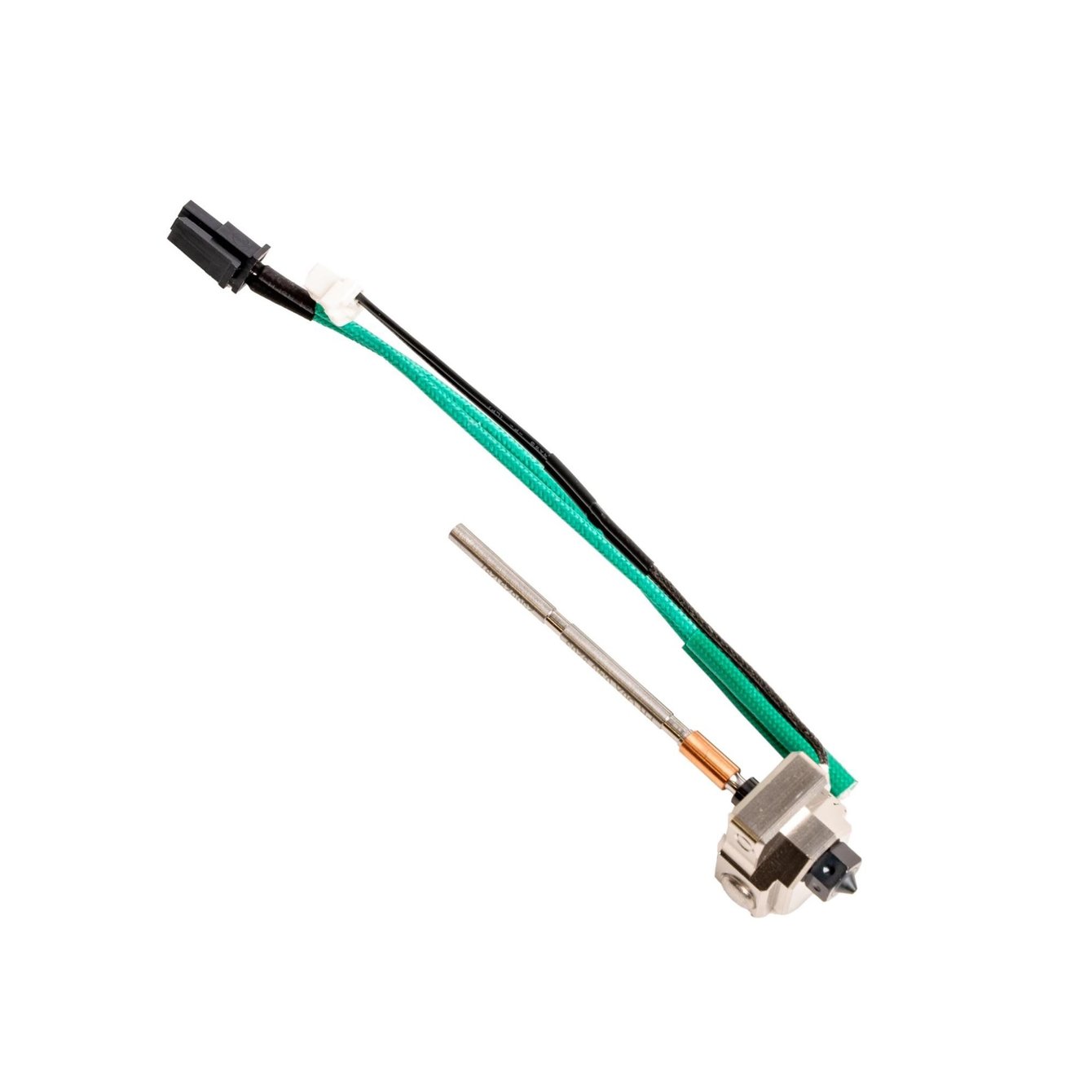
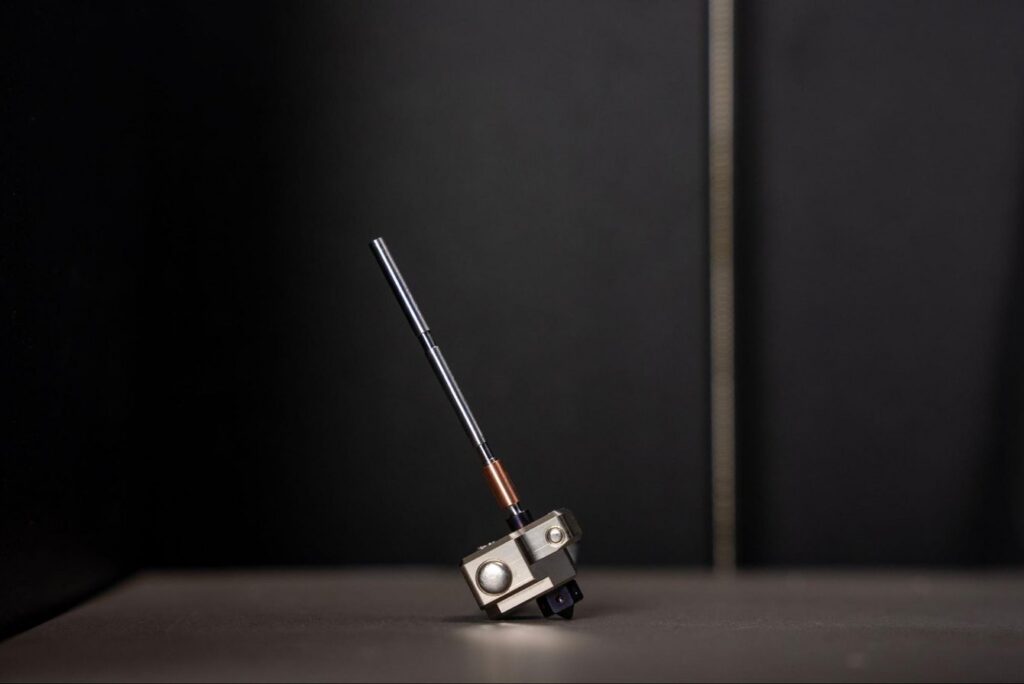
Prusa Research has introduced a new high-temperature hot end designed to significantly expand the material printing capabilities and enhance the performance of its Core One 3D printers. This advanced hot end boasts a maximum extrusion temperature of 400°C, enabling users to confidently print with a range of demanding engineering-grade filaments. The innovative design also features a tool-free, rapid-swap mechanism, allowing for hot end replacement in under a minute, a crucial feature for professional environments where downtime is minimized.
The newly developed hot end is specifically engineered to handle materials such as ASA, PC Blend, PC Blend Carbon Fiber, PA11 Carbon Fiber, PPS-CF, PPS-GF, and PPA-CF. While optimized for these advanced polymers, Prusa Research also confirms its compatibility with everyday materials like PLA and PETG, ensuring versatility for users with diverse printing needs. This strategic release positions the Core One platform as a more robust solution for industries requiring high-performance parts, including automotive, aerospace, and advanced prototyping.
Enhanced Material Properties Through Higher Extrusion Temperatures
A key benefit of the new high-temperature hot end lies in its ability to improve interlayer bonding across a variety of materials. By achieving higher extrusion temperatures, some reaching as high as 350°C, the printer can achieve stronger molecular fusion between successive layers. This is particularly impactful for materials like PA11 Carbon Fiber, PC Blend Carbon Fiber, and ASA, which are known for their mechanical strength and durability.
Prusa Research highlights specific performance gains, noting that PC Blend Carbon Fiber exhibits a 7% improvement in interlayer bonding. This enhancement directly combats the inherent anisotropy in 3D printed parts, leading to increased tensile strength in the Z-layer direction. Furthermore, improvements in shear strength are also anticipated. The carbon fiber-infused variants, such as PC Blend Carbon Fiber, stand to benefit significantly. The increased bonding capability helps to offset the potential reduction in intra-layer strength that can sometimes be caused by the presence of reinforcing fibers, which, while adding stiffness, can disrupt material flow and fusion within a single layer.
The impact on pull-out strength is also substantial. For PA11 Carbon Fiber, a material prized for its toughness and resilience, the improved interlayer adhesion translates to an impressive increase in pull-out strength of up to 23%. This indicates a more robust and reliable part, capable of withstanding greater forces before failure, making it suitable for applications where mechanical integrity under stress is paramount. This advancement is critical for functional prototyping and end-use part production where performance under load is a primary concern.
Expanding the Material Frontier: PPS and PPA
The introduction of the high-temperature hot end also unlocks the potential to print new, high-performance materials that were previously inaccessible on the Core One platform. Among these are PPS-CF (Polyphenylene Sulfide Carbon Fiber), PPS-GF (Polyphenylene Sulfide Glass Fiber), and PPA-CF (Polyphthalamide Carbon Fiber).
Polyphenylene Sulfide (PPS) is a semi-crystalline, high-performance engineering thermoplastic renowned for its exceptional thermal stability, chemical resistance, and mechanical properties. With a heat deflection temperature of 250°C, PPS materials are capable of withstanding elevated operating temperatures without significant deformation. They also offer excellent resistance to a wide range of chemicals and solvents, making them ideal for harsh environments. Notably, PPS can achieve UL94 V-0 flame retardancy, a critical certification for applications where fire safety is a concern, such as in electronics enclosures or automotive components. However, Prusa Research strongly advises that when printing PPS, an efficient air filtration unit must be installed and fully operational, as overheating PPS can potentially release sulfur dioxide, a hazardous gas. This underscores the importance of safety protocols when working with advanced materials.
Polyphthalamide (PPA) Carbon Fiber represents another significant addition to the Core One’s material repertoire. PPA is a family of semi-aromatic polyamides that bridge the gap between traditional polyamides and higher-performance polymers like PEEK. These materials typically require careful drying due to their hygroscopic nature. PPA is recognized for its excellent impact resistance, wear resistance, UV stability, and heat resistance, coupled with high strength. Its semi-aromatic structure also imparts superior water resistance compared to many standard polyamides, making it suitable for applications exposed to moisture. PPA is commonly found in demanding automotive applications, such as under-the-hood components, connectors, and fuel system parts, where durability and resistance to harsh conditions are essential. The inclusion of PPA Carbon Fiber further enhances its stiffness and mechanical properties, making it an exciting prospect for expeditionary uses and demanding industrial applications.
A Strategic Upgrade for a Competitive Market
The HT Hotend upgrade kit is priced at $199, offering a relatively accessible entry point for users looking to unlock these advanced printing capabilities. For those considering a complete system upgrade, the Core One L+ with the new hot end is available for $2,169. The upgrade is compatible with a range of Core One models, including the CORE One, CORE One+, CORE One+ (Gen2), CORE One L, and CORE One L+. The hot end itself is based on the proven E3D ObXidian 500, a testament to its robust design and thermal management capabilities.
This release comes at a time when the 3D printing market is experiencing intense competition, particularly in the consumer and prosumer segments. Companies like Bambu Lab have made significant inroads with their focus on speed and ease of use for mainstream applications. In this landscape, Prusa Research appears to be strategically differentiating itself by focusing on the higher end of the market, emphasizing quality, reliability, and the ability to print complex, high-performance materials. The company’s established reputation for robust hardware and consistent print quality is a significant asset. By enabling users to print with materials that offer superior mechanical, thermal, and chemical resistance, Prusa Research is clearly targeting engineering, automotive, and military sectors where these properties are non-negotiable.
Implications for the Engineering and Industrial Sectors
The implications of this upgrade extend beyond just the technical specifications. For engineers, designers, and manufacturers, the ability to reliably print with materials like PPS and PPA Carbon Fiber on a desktop-class machine opens up new avenues for innovation and rapid prototyping. Complex geometries can now be produced with materials that can withstand demanding functional testing and even serve as end-use parts in critical applications.
The automotive industry, for instance, is increasingly relying on additive manufacturing for lightweighting, custom tooling, and specialized components. The durability and heat resistance offered by PPS and PPA make them ideal candidates for under-the-hood parts, interior components, and even structural elements where weight reduction is a priority. Similarly, the aerospace sector, with its stringent material requirements and emphasis on performance under extreme conditions, stands to benefit from the enhanced capabilities of the Core One platform.
The military and defense industries also represent a key market. The demand for rapid deployment of custom parts, robust equipment, and on-demand manufacturing solutions is immense. The ability to print high-strength, durable components from advanced materials in the field or at forward operating bases could significantly enhance logistical capabilities and operational effectiveness. Prusa’s focus on reliability and material performance aligns well with the mission-critical nature of these applications.
A Path to Higher Ground in a Crowded Market
While acknowledging the success of more budget-friendly and high-speed printers in the consumer market, Prusa Research’s strategy appears to be one of carving out a distinct niche in the higher-performance segment. By investing in advanced hot end technology and material compatibility, the company is aiming to solidify its position as a provider of professional-grade 3D printing solutions. This approach allows Prusa to leverage its existing reputation for quality and longevity, differentiating itself from competitors who may prioritize speed or cost over material performance and outright reliability.
The move towards printing more challenging, higher-temperature architectures is a calculated step to secure a sustainable growth path. It caters to a customer base that values precision, material integrity, and the ability to produce parts that meet rigorous engineering standards. This strategic direction positions Prusa Research not just as a manufacturer of 3D printers, but as a provider of solutions for advanced manufacturing challenges. The company’s ongoing commitment to innovation, demonstrated by this significant upgrade, suggests a clear vision for supporting the evolving needs of the professional 3D printing community. The $199 HT Hotend upgrade kit, alongside the comprehensive Core One ecosystem, offers a compelling value proposition for those seeking to push the boundaries of what is possible with desktop additive manufacturing.