The Raspberry Pi Foundation, in collaboration with Google DeepMind, has announced a comprehensive update to its Experience AI program, a global initiative designed to equip young people with a foundational understanding of artificial intelligence and machine learning. This expansion marks a strategic pivot toward cross-curricular integration, moving beyond traditional computer science departments to empower educators across all disciplines. By providing free, high-quality resources and specialized training, the program aims to demystify complex technologies and ensure that the next generation is prepared for an increasingly automated world. Since its inception in 2023, the program has achieved significant global reach, with resources downloaded over one million times across 195 countries, highlighting a massive international demand for structured AI education.
The Evolution of Experience AI: A Response to Global Demand
The Experience AI initiative was launched as a joint venture between the Raspberry Pi Foundation, a UK-based charity focused on computing education, and Google DeepMind, one of the world’s leading AI research laboratories. The primary objective was to address the growing "AI literacy gap" in schools, where rapid technological advancement often outpaces the development of national curricula. Initially focused on providing a structured introduction to machine learning, the program has evolved in response to direct feedback from its global network of partners and educators.
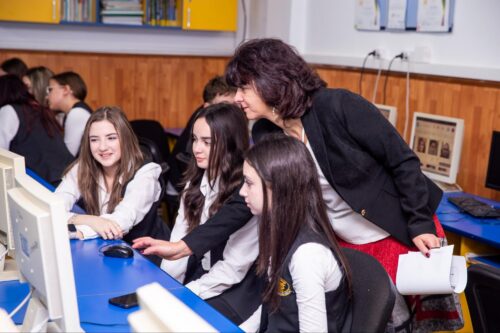
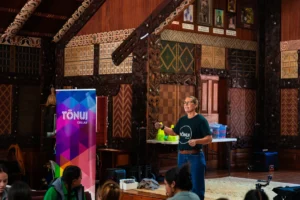
Since 2023, the foundation has collaborated with organizations in more than 40 countries to train teachers. These partnerships have provided critical insights into how AI literacy is being implemented on the ground. Educators reported that while the interest in AI is high, many teachers—particularly those who are not computing specialists—feel overwhelmed by the complexity of the subject and the lack of time in their existing schedules. The updated suite of resources is specifically designed to alleviate these pressures by offering flexible, "plug-and-play" materials that can be woven into various subjects without requiring additional instructional hours.
A Chronology of Strategic Growth and Implementation
The journey of Experience AI reflects the broader acceleration of AI technology in the public consciousness, particularly following the rise of generative AI tools.
- Launch Phase (2023): The Raspberry Pi Foundation and Google DeepMind introduced the first set of Experience AI resources, focusing on the mechanics of machine learning. The goal was to move learners from being passive consumers of AI to informed critics who understand how data drives algorithmic decisions.
- Global Expansion (Late 2023 – Early 2024): The program expanded through a network of regional partners, such as Digital Moment in Canada and various educational NGOs across Europe, Africa, and Asia. This phase focused on translating materials and adapting them to local cultural contexts.
- The Million-Download Milestone (2024): The program reached a critical mass, with over one million downloads recorded. Data indicated that the resources were being used not just in formal school settings, but also in after-school clubs and community centers.
- The Thematic Pivot (Late 2024): Recognizing that AI impacts every facet of society, the Foundation began developing resources that focus on themes rather than technical silos. This led to the creation of units centered on the environment, ethics, and creativity.
Detailed Analysis of the Updated Resource Suite
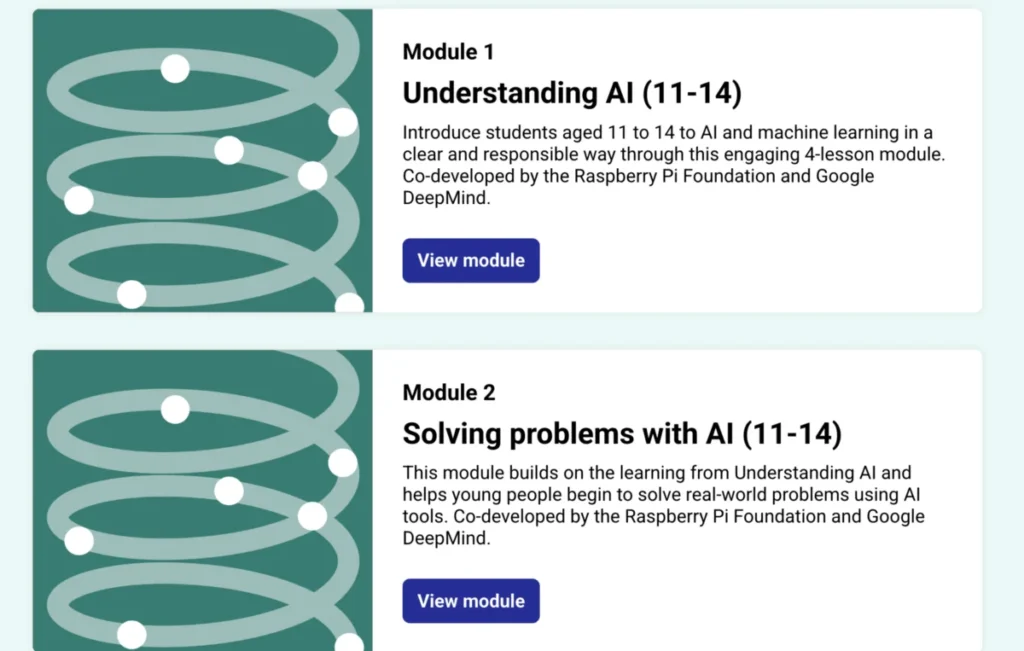
The newly updated suite of Experience AI resources is categorized into three distinct pillars, each tailored to different levels of prior knowledge and classroom needs.
1. Discovering AI: Entry-Level Engagement
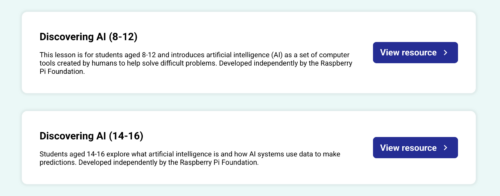
The "Discovering AI" resources are designed as single-lesson introductions for two specific age brackets: 8–12 and 13–16. These lessons focus on the fundamental concepts—what AI is, how it differs from traditional programming, and where it appears in daily life. The activities are designed to be interactive and low-barrier, making them ideal for teachers who are introducing the topic for the first time.
2. Foundations of AI: Deepening Technical Literacy
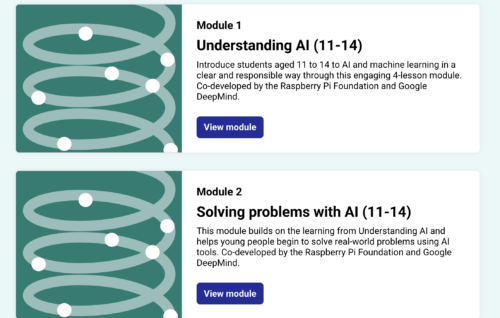
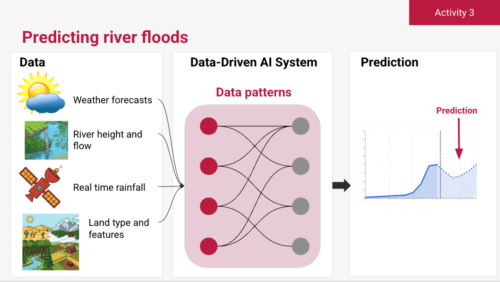
For classrooms ready to move beyond the basics, the "Foundations of AI" units offer a more rigorous exploration. These resources cover the lifecycle of an AI system, from data collection and model training to testing and deployment. Students engage with real-world problems, such as how AI can be used for flood forecasting or identifying social media trends, providing a practical context for theoretical concepts.
3. Thematic Resources: The Cross-Curricular Frontier
The most significant addition to the suite is the collection of thematic resources. This approach acknowledges that AI literacy should not be confined to the computing lab. Instead, these materials are organized around universal themes:
- Environment: Lessons on how AI can help monitor biodiversity or predict climate patterns, suitable for Geography and Biology.
- Creativity: Exploring the role of generative AI in art and music, applicable to Fine Arts and Media Studies.
- Ethics and Critical Thinking: Discussing bias, deepfakes, and the societal implications of automation, which fit naturally into Citizenship, History, or Philosophy classes.
Supporting Data and Global Reach
The scale of the Experience AI program is evidenced by its expansive data footprint. With participants in 195 countries, the program has effectively reached nearly every nation on earth. The partnership with Digital Moment in Canada has been particularly instrumental in refining the curriculum. Feedback from Canadian educators indicated that the thematic approach increased teacher confidence by 40% compared to purely technical modules.
Furthermore, the Raspberry Pi Foundation’s focus on "non-specialist" teachers addresses a critical bottleneck in global education. According to various educational surveys, a significant majority of secondary school teachers feel unprepared to discuss AI with their students. By providing scripted lesson plans, video guides, and ready-to-use slide decks, Experience AI lowers the "activation energy" required for a teacher to lead an AI-focused session.
Official Responses and Collaborative Frameworks
The Raspberry Pi Foundation has emphasized that this update is a living project. "Experience AI now fully reflects our belief that AI literacy needs to be cross-curricular," the Foundation stated in its release. "Application of AI technologies isn’t limited to neat domains or subjects, so learners’ opportunities to understand them shouldn’t be either."
The collaboration with Google DeepMind ensures that the content remains scientifically accurate and reflects the current state of the art in AI research. Meanwhile, local partners like Digital Moment provide the pedagogical expertise necessary to make the content accessible to children. This three-tiered collaboration—research, education, and local implementation—is seen by analysts as a gold standard for international educational initiatives.
Broader Impact and Educational Implications
The shift toward thematic AI education carries profound implications for the future of the workforce. As AI becomes a "general-purpose technology"—similar to electricity or the internet—the ability to understand and interact with it will be a prerequisite for almost every career path.
1. Democratizing Access to Technology:
By offering these resources for free, the Raspberry Pi Foundation is actively working to prevent a "new digital divide." Without such initiatives, AI literacy might be restricted to elite private schools or well-funded districts, leaving students in underserved communities at a significant disadvantage in the future job market.
2. Cultivating Critical Consumers:
One of the core components of the Experience AI curriculum is critical thinking. In an era of "hallucinating" AI and deepfakes, teaching students to question the output of an algorithm is a vital civic skill. The thematic resources on ethics and social media are designed to produce students who are not just proficient users of AI, but skeptical and informed citizens.
3. Future-Proofing the Teaching Profession:
The program also serves as a professional development tool for educators. By integrating AI into subjects like Geography or Art, teachers themselves become more tech-savvy, ensuring that the education system as a whole evolves alongside the technological landscape.
Conclusion and Call to Action
The Raspberry Pi Foundation continues to solicit feedback from the global teaching community to refine its offerings. Educators are encouraged to share their classroom stories and suggestions via [email protected]. As the program enters its next phase, the focus will remain on making AI literacy practical, achievable, and relevant for every student, regardless of their geographical location or subject of interest.
The updated Experience AI suite represents a milestone in global education, recognizing that in the 21st century, understanding the "ghost in the machine" is just as important as reading, writing, and arithmetic. Through the continued support of partners like Google DeepMind and a global network of dedicated educators, the program is setting the stage for a future where technology is understood by the many, not just the few.