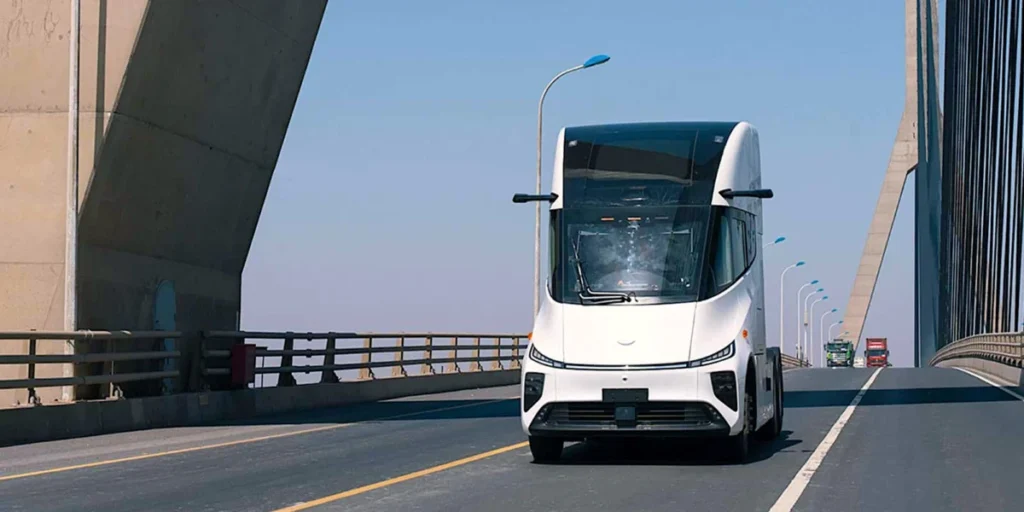
Windrose, a burgeoning player in the electric heavy-duty truck sector, has made an unprecedented move that could fundamentally reshape the landscape of commercial vehicle ownership and repair. The company, led by founder and CEO Wen Han, has publicly released the Computer-Aided Design (CAD) models for all 1,023 individual parts that constitute the base model of its X9D01, now designated as the Windrose E700 Class 8 electric truck. This release, made available for free through a dedicated online 3D Viewer, marks a significant departure from the industry’s long-standing practice of proprietary engineering data and introduces a new paradigm for customer serviceability and long-term vehicle viability.
For 140 years, the automobile industry, and specifically the heavy truck manufacturing sector, has operated under a model where detailed engineering schematics and part designs remain closely guarded trade secrets. This tradition has often left fleet owners and independent repair shops dependent on Original Equipment Manufacturers (OEMs) for parts and service, creating potential vulnerabilities for customers, particularly when dealing with newer manufacturers or facing extended vehicle lifecycles. Windrose’s decision to shatter this convention directly addresses concerns about parts availability, repair accessibility, and the long-term operational security of their electric trucks.

A Bold Step Towards Unprecedented Transparency
The comprehensive dataset now accessible via the Windrose 3D Viewer provides an exhaustive look into the intricate design and engineering of the E700, a battery-electric semi-truck lauded for its robust capabilities. While this transparency offers enthusiasts and engineers an unparalleled glimpse into cutting-edge electric vehicle technology, its most profound impact is on Windrose’s customers. By providing open access to the precise geometry and design intent of every component, Windrose is setting a new benchmark for what customers should expect in terms of vehicle serviceability and longevity.
Wen Han, in a statement that underscores the company’s commitment to its customers, articulated the rationale behind this groundbreaking initiative. "A Class 8 truck works for fifteen years," Han stated. "A fleet buying from a manufacturer founded four years ago carries a risk it rarely states out loud. ‘What happens to parts supply in year twelve?’ Every new entrant has been asked this question and none of us has had a good answer, because the honest answer has always been, ‘trust us.’ This is a better answer." This perspective directly confronts the inherent risk associated with investing in vehicles from newer companies, a risk that often weighs heavily on fleet purchasing decisions.
Empowering Independent Repair and Extending Vehicle Lifespan
With the detailed geometry of over a thousand proprietary components now accessible online, Windrose’s CEO believes that any competent fabrication shop should be capable of producing necessary replacement parts. This includes the ability to machine custom mounts, fold intricate brackets, or fabricate specific panels that might be required for repairs over the vehicle’s operational life. Early assessments from industry professionals, including an ex-Ford engineer and high-end automotive tuners, have lent credence to this assertion, indicating that the provided data is sufficiently detailed and accurate to facilitate such repairs.
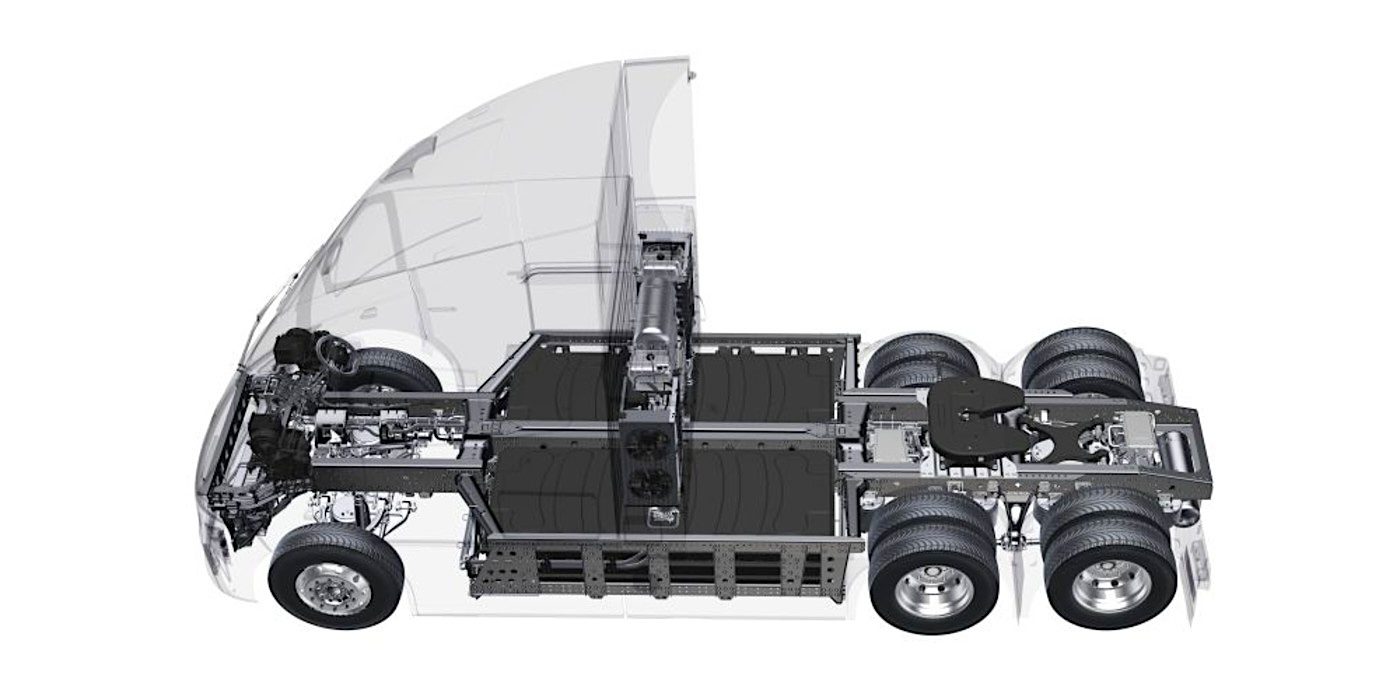
The implications of this open-source approach extend far beyond simple convenience. It represents a potential paradigm shift in vehicle ownership, particularly for large fleet operators who rely on their assets for consistent revenue generation. In an industry where vehicle lifespans can stretch to 15 years or more, the concern over obsolescence and a lack of replacement parts from a potentially defunct manufacturer is a significant financial risk. Companies like Bollinger Motors, LION Electric, and Nikola have, at various points, faced challenges that have raised questions about their long-term viability, leaving customers with concerns about ongoing support. By making its designs open, Windrose aims to mitigate this risk, ensuring that its trucks can remain operational even if the company itself faces future uncertainties.
The Technical Backbone of Openness
The data released by Windrose is not merely a collection of 3D models; it represents a significant investment in detailed engineering documentation. The company has provided native CAD files, which are substantial in size at 3.54 GB, rather than simpler exported formats like STEP or JT. Native files, as Windrose emphasizes, contain the complete "feature tree"—the underlying design intent, including sketch constraints, dimensions, parametric relationships, and the sequence of operations used to build each part. This level of detail is crucial for a shop attempting to reproduce a part years down the line, as it allows for accurate replication and potential modifications based on the original design philosophy.
In addition to the individual part models, Windrose has also released an assembly tree detailing 1,920 parent-child relationships across 97 assemblies. This provides a clear understanding of how components fit together, essential for complex repair or disassembly procedures. A manifest listing part names, associated systems, and per-vehicle quantities further enhances the utility of this open-source data package, offering a comprehensive resource for maintenance and service.

A Strategic Move to Build Trust and Market Share
Windrose’s open-source strategy is more than just an act of corporate transparency; it is a calculated move to build trust and differentiate itself in a competitive market. For new entrants in the electric vehicle (EV) space, particularly in the heavy-duty sector where upfront costs are substantial and operational reliability is paramount, establishing customer confidence is a critical challenge. The history of the automotive industry is replete with examples of startups that struggled to provide long-term support, leading to premature vehicle retirement and significant financial losses for their customers.
By proactively addressing the "trust us" narrative that has long characterized new vehicle manufacturers, Windrose is positioning itself as a company that prioritizes customer investment security. This approach resonates particularly with fleet managers who are responsible for optimizing operational costs and minimizing downtime. The ability for independent repair facilities to access design data and potentially fabricate parts reduces reliance on the OEM, potentially lowering repair costs and lead times.
Furthermore, the potential for independent repair and remanufacturing of critical components, such as battery packs, could significantly extend the service life of Windrose vehicles. While the initial release focuses on mechanical components, the long-term implications for battery servicing are substantial. If battery modules or their housing can be serviced or rebuilt by third parties using the provided design data, it could lead to substantial cost savings for owners and a more sustainable approach to EV ownership.

The Legal and Ethical Framework of Openness
Windrose has clearly defined the terms and conditions for the use of its parts data, distinguishing between service and repair versus manufacturing new vehicles from the designs. For the purpose of servicing, repairing, or replacing parts on a Windrose vehicle, customers, independent workshops, and any third parties are explicitly granted permission to use the data without fees, notification, or requiring further consent. This aligns with existing "right to repair" movements and regulations in various jurisdictions, effectively removing the practical barriers to independent service rather than granting a novel privilege.
Manufacturing entire vehicles from these designs, however, is subject to a separate agreement with Windrose. This distinction is crucial for protecting the company’s intellectual property and business model while still fostering an ecosystem of repair and aftermarket support. The company emphasizes a willingness to engage in reasonable discussions for manufacturing agreements, framing it as a collaborative conversation rather than a simple download.
Industry Reactions and Future Implications
While direct statements from major established truck manufacturers have not yet emerged in response to Windrose’s announcement, the move is likely to be closely watched. The established players, accustomed to a different business model, may view this as a disruptive, yet potentially influential, development. The long-term implications could pressure other OEMs to consider greater transparency in their service and parts data, particularly as the EV transition accelerates and competition intensifies.

The open-sourcing of engineering files by Windrose represents a bold strategic decision that could redefine customer expectations in the heavy-duty truck industry. By prioritizing transparency, empowering independent repair, and directly addressing concerns about long-term vehicle viability, Windrose is not only building trust but also potentially setting a new industry standard for customer-centricity and product support in the era of electric mobility. This initiative could prove to be a significant factor in its ability to gain market share and build a loyal customer base in the highly competitive commercial vehicle sector.