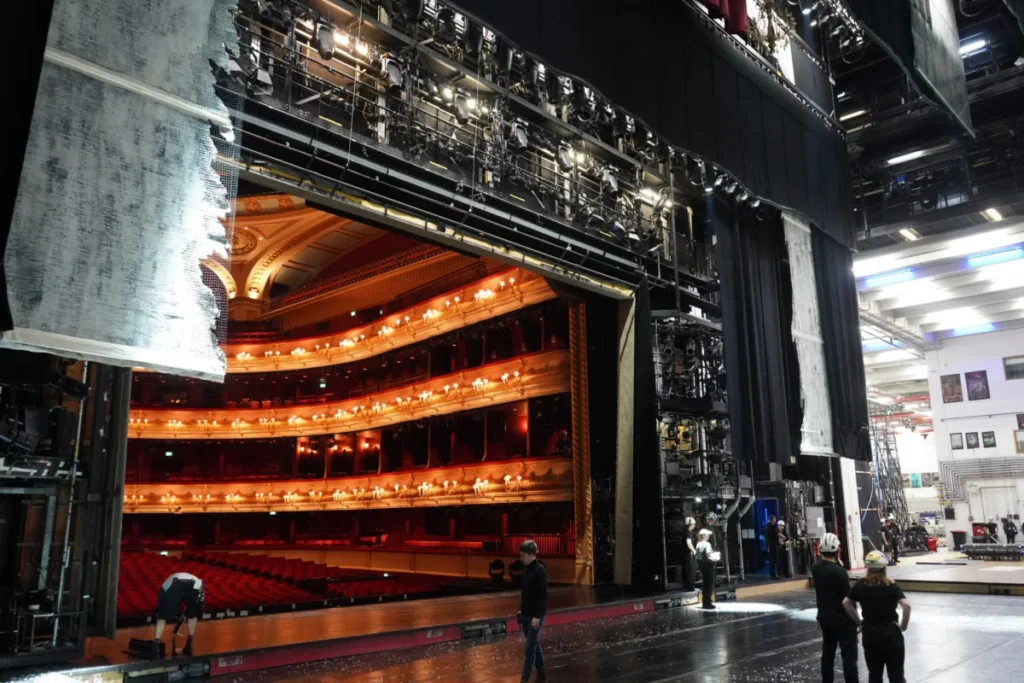
The iconic Royal Opera House (ROH) in London has completed a significant technical overhaul, integrating a bespoke plastic cable management system designed to support its newly adopted, state-of-the-art LED lighting technology. This modernization project, critical for maintaining the venue’s position at the forefront of global performing arts, addresses the increased demands of contemporary stage production while ensuring the seamless, silent, and safe operation of its intricate overhead rigging.
A Legacy of Innovation Meets Modern Demands
The Royal Opera House, a beacon of artistic excellence on Bow Street, London, is home to both The Royal Opera and The Royal Ballet, presenting over 250 performances annually to a main auditorium audience of 2,256. Beyond the gilded proscenium arch and opulent interiors lies a complex world of engineering and technical artistry, without which the magic on stage could not exist. The ability to execute intricate scene changes, dynamic lighting cues, and elaborate set movements relies heavily on robust, precise, and virtually invisible machinery.

For 25 years, since its major rebuild between 1997 and 1999, the ROH’s overstage infrastructure has been a testament to sophisticated stage automation. This prior renovation saw the integration of a 37-meter fly tower capable of holding two full sets simultaneously and a purpose-built elevator large enough to transport full-scale scenery directly from loading level to stage. Central to this technical ecosystem were five vertically moving rows of beams, previously equipped with traditional halogen spotlights. The cabling for these extensive lighting rigs was reliably managed by a zigzag energy chain system supplied by igus, a motion-plastics manufacturer, which was originally installed in 2000. This system performed flawlessly for a quarter-century, guiding countless cables through millions of cycles of vertical movement without incident, underpinning thousands of world-class performances.
The Inevitable Evolution: Halogen to LED
The theatrical world, like many industries, is constantly evolving, driven by technological advancements and a growing emphasis on sustainability. By 2025, the Royal Opera House made the strategic decision to transition its primary stage lighting from power-hungry halogen spotlights to modern LED units. This shift brought a host of advantages, primarily a significant reduction in energy consumption and heat generation, aligning with contemporary environmental goals and improving conditions for performers. However, this technological leap presented a considerable engineering challenge: while LEDs are more energy-efficient, the initial generation of professional-grade LED fixtures, especially those designed for theatrical applications with advanced optics and cooling, often carry a greater individual weight compared to their halogen predecessors.
This increased weight, coupled with the sheer volume of cables required to power and control the sophisticated, individually addressable LED units, exceeded the load-bearing capacity and spatial limitations of the existing suspension points and the venerable cable management system. The demands on the stage infrastructure had fundamentally changed. The ROH needed a new energy supply solution that could not only accommodate the heavier weight of modern LED technology but also manage a dramatically increased density of cables, all while maintaining the absolute silence and precision critical for live performance. Any visible swaying, noise, or mechanical failure could shatter the illusion and impact the artistic integrity of a production.
A New Chapter: The 2025 Upgrade
Faced with these complex requirements, the Royal Opera House once again turned to igus, the original supplier, whose 25-year track record of reliability made them a natural choice. The task was not simply to replace but to re-engineer, to design a bespoke solution that would integrate seamlessly into the historic building’s structural limits and the newly designed lighting hoists.
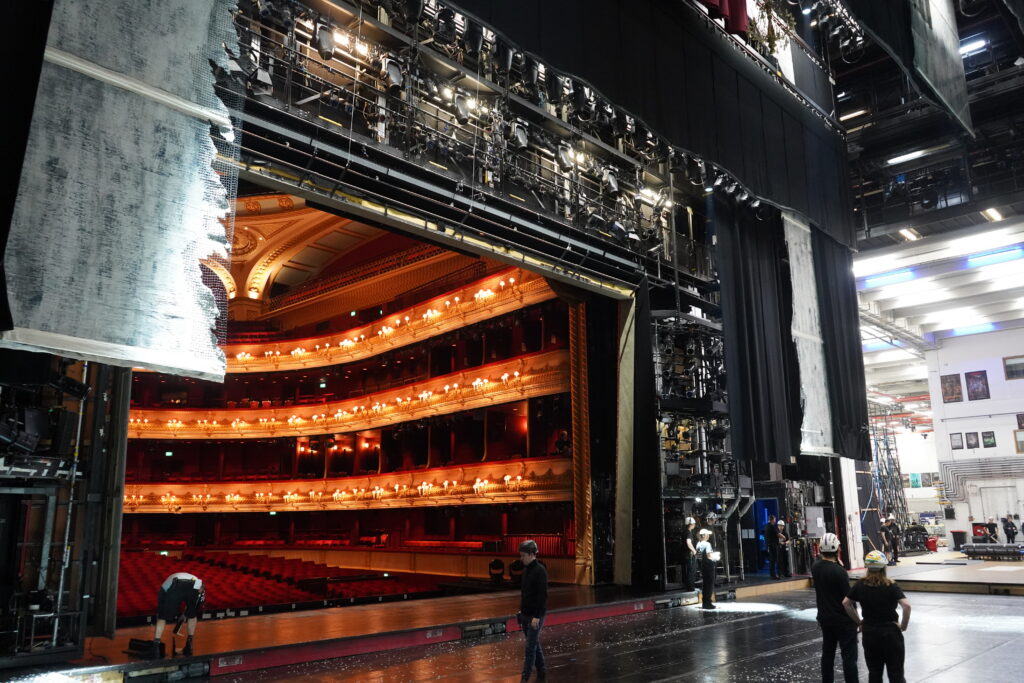
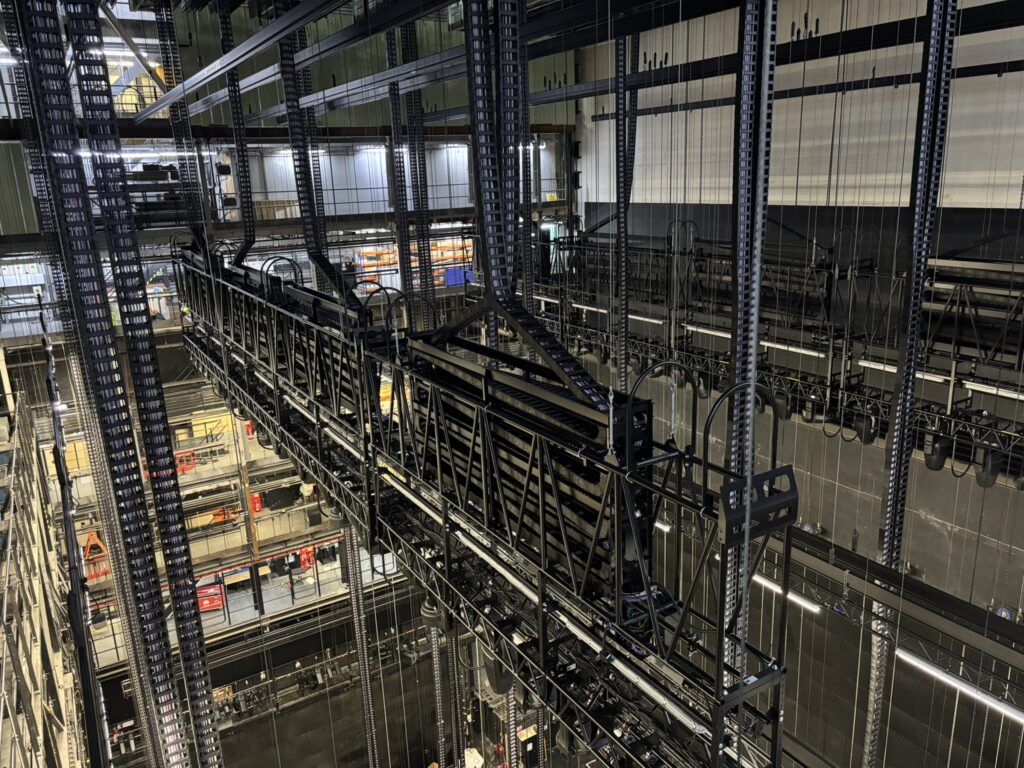
The new lighting hoists themselves are a feat of engineering. They now consist of five 21-meter-long rows of aluminum trusses, each capable of being moved vertically at speeds of up to 250 millimeters per second, reaching heights of more than 25 meters above the stage. Each row is comprised of three closely spaced units, each of which can be individually positioned. This modularity allows for unparalleled flexibility in lighting design. Crucially, each unit features a two-truss design: a lower section dedicated to housing the lighting fixtures themselves, and a robust main load-bearing section into which the energy supply system needed to be integrated. This integration was vital for space-saving, stability, and maintaining the clean aesthetic demanded by the performance environment.
Engineering Excellence: Reimagining the Zigzag System
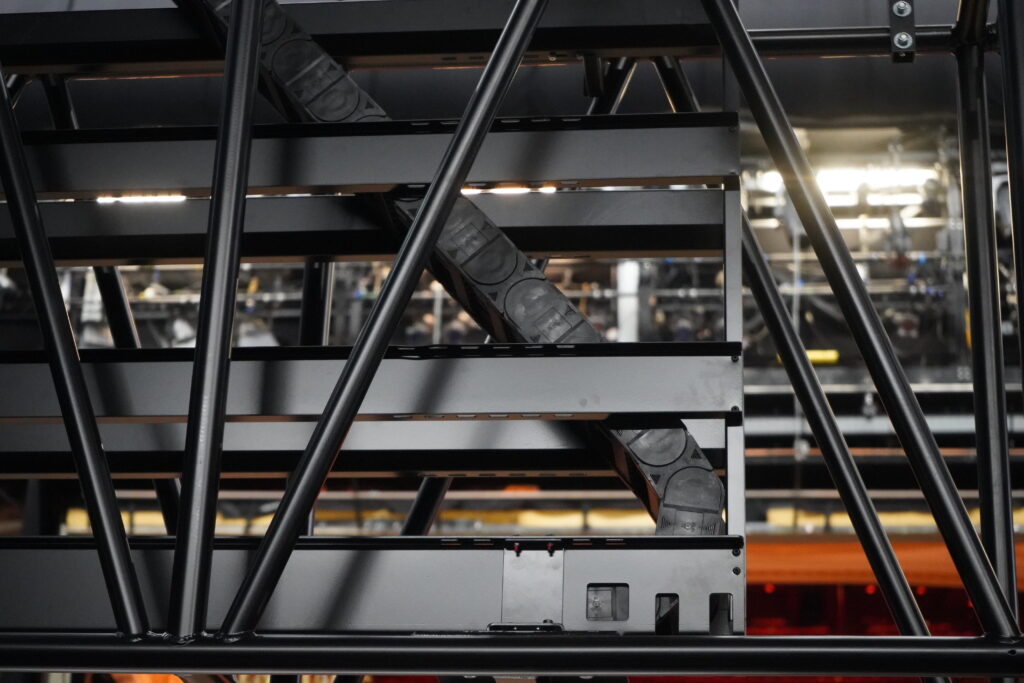
The igus engineering team embarked on a rigorous design process. Initial considerations included alternative solutions, such as motorized cable reels, which are common in some industrial applications. However, the sheer volume and diversity of cabling – encompassing robust chainflex motor, bus, data, fiber optic, and control cables – quickly led the team back to an enhanced zigzag energy chain system. This system’s inherent advantages for dynamic, vertical applications, particularly its ability to fold neatly into a basket, deliver cables smoothly without tensile strain, and allow for easy addition or replacement of individual lines, proved superior.
One of the most significant challenges in adapting the zigzag system for this specific application was managing the natural "pendulum effect." As zigzag systems fold and unfold vertically, their geometry can induce a slight lateral sway. In the context of the ROH, with massive cable loads and trusses positioned in close proximity, initial tests revealed alarming lateral deflections of up to 1 meter during operation. Such a wide sway was not only a safety hazard for performers and crew working overhead but also an unacceptable operational risk, potentially leading to collisions or equipment damage.
The igus engineers devised an ingenious countermeasure: an opposed zigzag pattern. By installing two e-chain energy chains per unit that move in opposition to each other, the lateral forces generated by each chain effectively cancel each other out. This elegant solution, verified through high-precision laser measurements, dramatically reduced the lateral sway from a hazardous 1 meter to an almost imperceptible 20 millimeters – a testament to precision engineering under demanding conditions.
Further design refinements were necessary for the guide boxes, which house the folding chains. For the central truss units, engineers implemented two guide boxes, each containing one energy chain. On the shorter side units, where space was at an even greater premium, a clever design allowed two chains to fold compactly into a single guide box, maximizing space efficiency without compromising functionality.
Overcoming Weight Constraints in a Historic Structure
A critical aspect of the project was adhering to the strict structural limits of the historic Royal Opera House. The original design for the guide boxes, utilizing 2.5-mm-thick steel, resulted in a system weight of approximately 200 kilograms per unit. This figure exceeded the load capacity of the hoisting machinery and the allowable stress on the building’s existing suspension points. The engineering team was tasked with reducing the guide box weight to less than 150 kilograms per unit to ensure the structural integrity of the installation.
This challenge was met through a combination of innovative material selection and structural optimization. While specific materials were not detailed, it is plausible that igus, known for its expertise in "motion plastics," employed advanced polymer composites or optimized aluminum alloys for the guide boxes. These materials offer high strength-to-weight ratios, allowing for significant mass reduction without compromising rigidity or durability. Furthermore, the structural design of the boxes was likely refined using finite element analysis (FEA) to remove unnecessary material while maintaining critical load-bearing capabilities. This meticulous attention to weight reduction underscored the complexities of integrating modern technology into a heritage building.
The Components of a Robust System
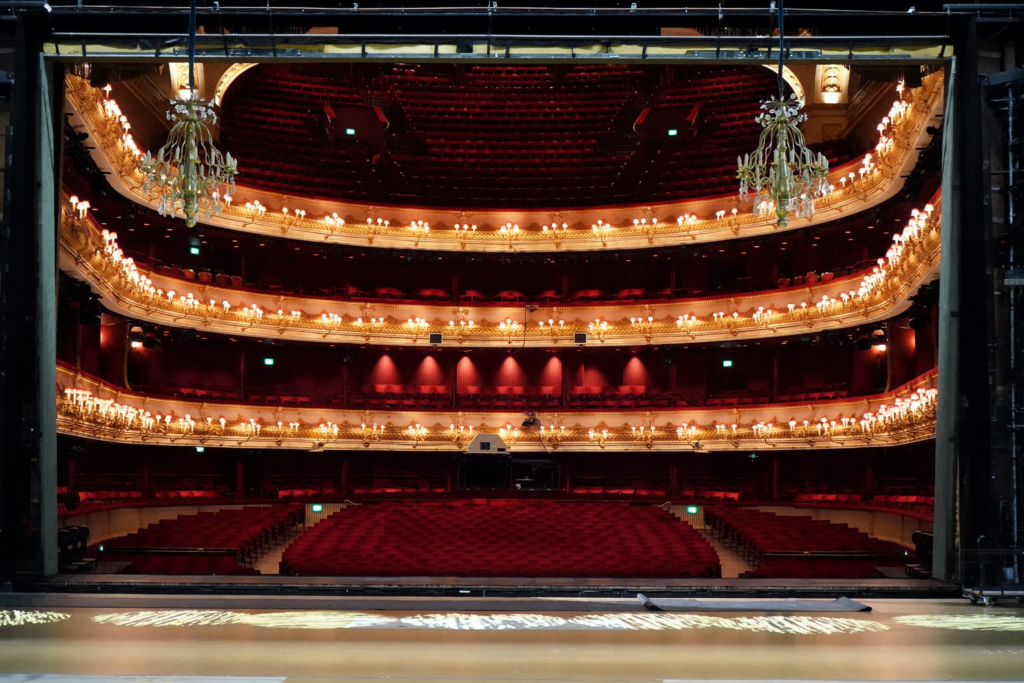
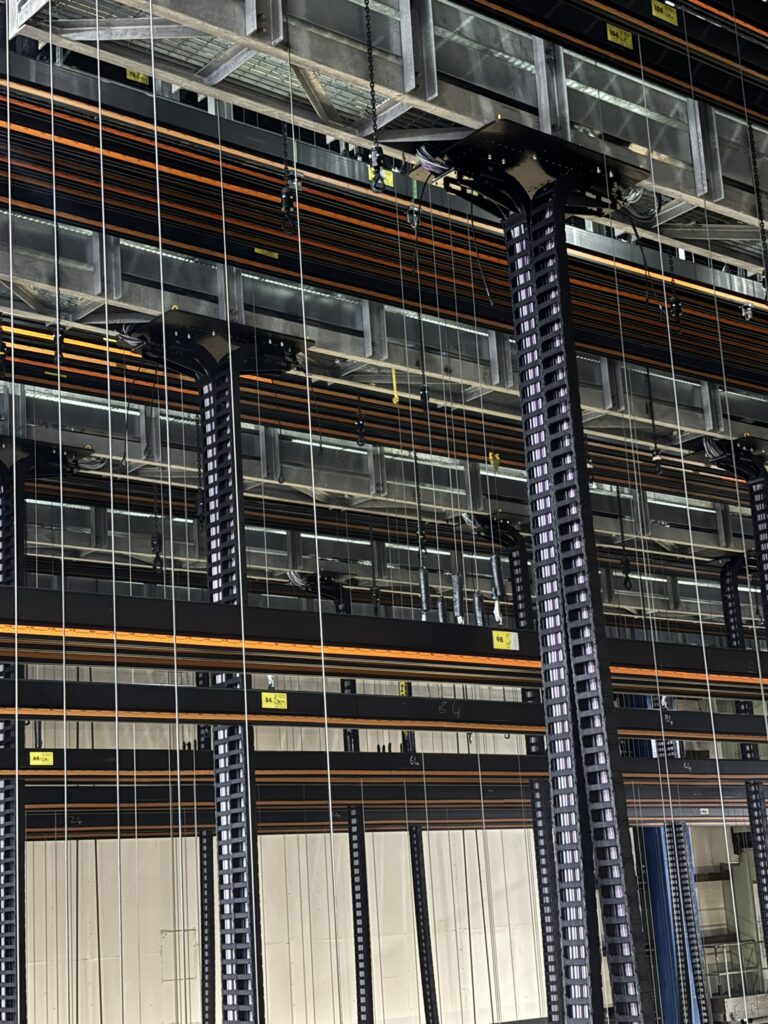
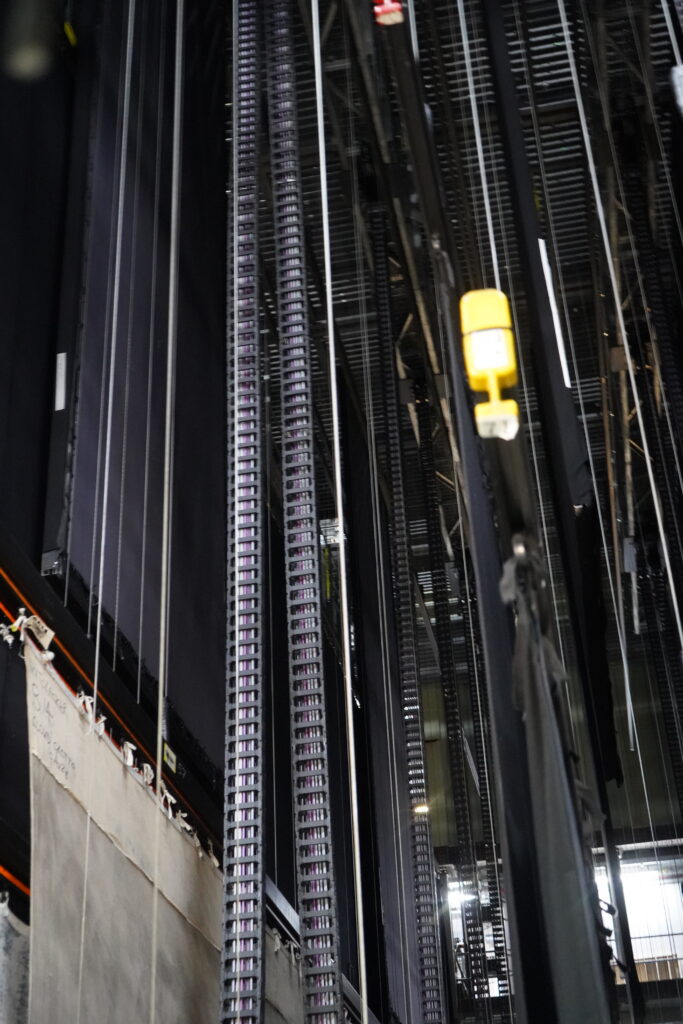
Beyond the innovative zigzag configuration, the igus cable management solution incorporated its E4.56 series e-chain. This particular series is renowned for its robust construction, specifically designed to handle high loads and long travel distances, all while maintaining a low-noise profile – an absolute necessity in a live performance venue. Inside these durable chains, igus installed a comprehensive suite of its proprietary Chainflex cables. Unlike standard industrial cables, Chainflex cables are engineered from the ground up for continuous motion, designed to withstand millions of cycles of bending, twisting, and folding stresses without degradation.
These specialized cables also feature crucial electromagnetic compatibility (EMC) properties, preventing interference with the myriad of other sensitive stage equipment, including audio systems, projection, and control networks. Their ability to endure vertical travel and the unique folding dynamics of the zigzag system ensures reliable power and data transmission for years to come. The entire installation is a monumental undertaking, encompassing more than 1 kilometer of igus chains, weighing an impressive 9 tons in total, and managing the intricate movements over a vertical travel distance exceeding 25 meters at speeds up to 250 millimeters per second.
Seamless Implementation and Sustainability
The complexity of the project was matched by the tight operational window. The Royal Opera House operates on a demanding schedule, with very limited periods available for major technical interventions. To meet the ROH’s stringent four-week maintenance window, igus executed a precisely coordinated delivery strategy, providing 15 complete zigzag systems – including guide boxes, energy chains, and pre-installed Chainflex cables – as ready-to-install units. This pre-assembly significantly reduced on-site installation time and minimized disruption to the ROH’s artistic programming.
In a move reflecting a growing commitment to environmental responsibility within the cultural sector, the ROH also participated in the igus Chainge recycling program. The decommissioning of the original 25-year-old system resulted in 2.4 tons of old energy chains, which were returned to igus to be processed and reintroduced into the material cycle. This initiative underscores the dual benefit of modernization: enhancing performance capabilities while also embracing sustainable practices.
Statements and Reflections on an Invisible Triumph
"The technical infrastructure at the Royal Opera House is the unsung hero of every performance," commented a spokesperson for the ROH’s technical department, speaking on condition of anonymity due to internal protocol. "Our stage automation must be utterly reliable, incredibly precise, and completely silent. The transition to LED lighting was a vital step for energy efficiency and artistic flexibility, but it presented substantial engineering hurdles. Igus’s innovative approach, particularly in tackling the pendulum effect and the weight constraints, has delivered a solution that not only meets but exceeds our exacting standards. It’s an investment in the future of our productions."
An igus engineering lead, closely involved in the project, added, "It was a privilege to once again partner with the Royal Opera House. This project truly showcased the adaptability and resilience of our motion plastic solutions. The challenge of integrating such a complex system into a historic venue, with strict performance and safety requirements, pushed the boundaries of what’s possible. We are proud to have delivered a system that will support the ROH’s world-renowned productions for decades to come, quietly working behind the scenes to bring artistic visions to life."
Broader Implications and the Future of Stagecraft
This ambitious upgrade at the Royal Opera House serves as a powerful case study for the broader performing arts industry. It highlights several critical implications:
- Artistic Empowerment: By providing a more stable, precise, and robust lighting infrastructure, the new system liberates lighting designers and directors to explore more ambitious and dynamic visual narratives without being constrained by technical limitations. The enhanced flexibility and individual control offered by the new LED setup, supported by the reliable cable management, allows for intricate light cues and subtle atmospheric changes that elevate the artistic experience.
- Operational Efficiency and Safety: The move to LED technology, coupled with a purpose-built cable management system, significantly reduces energy consumption and heat generation. Furthermore, the enhanced stability and reliability of the new igus system contribute directly to a safer working environment for technicians, stagehands, and performers. Reduced maintenance needs and an extended lifespan also translate into long-term operational cost savings.
- Sustainability in Heritage Buildings: The project demonstrates that even historic and culturally significant venues can embrace cutting-edge, sustainable technologies. The combination of energy-efficient LEDs and a robust recycling program for the old components sets a benchmark for environmental responsibility within the arts.
- The Invisible Engineering Behind the Magic: For the audience, the intricate cable management system remains entirely unseen, yet it is absolutely fundamental to the "magic" of live performance. This project underscores the vital role of specialized engineering and technical innovation in enabling world-class artistic endeavors. It’s a reminder that beneath every breathtaking moment on stage lies a foundation of meticulous planning and advanced technology.
- Long-Term Value: The expectation that this new system will outlast the 25-year record of its predecessor speaks volumes about the quality of the engineering and the materials used. This long-term perspective on infrastructure investment ensures that the Royal Opera House remains a leading cultural institution well into the future.
The Royal Opera House’s investment in this cutting-edge cable management system is more than just a technical upgrade; it is a strategic commitment to artistic excellence, operational efficiency, and environmental stewardship. The new infrastructure, quieter, lighter, and significantly more durable, ensures that the invisible machinery of the stage will continue to support the world-class performances of The Royal Opera and The Royal Ballet for decades to come, silently enabling the spectacle that captivates audiences worldwide.