The watch community has long debated the "best" decade for horological innovation and design. Following a recent discussion on Fratello Talks, a compelling argument has emerged: the 1990s stand out as a pivotal era, marked by significant advancements in production quality and design efficiency that continue to influence contemporary watchmaking. This period saw many brands elevate their craftsmanship, resulting in timepieces that not only reflect the technological leaps of their time but also possess a timeless appeal, making them exceptional candidates for daily wear. Rolex, in particular, played a crucial role in defining this era, consistently setting industry benchmarks for quality and enduring design. This article delves into five iconic Rolex models from the 1990s that exemplify this perfect confluence of heritage and progress, offering a curated selection of watches that remain highly desirable for their robust build, classic aesthetics, and enduring functionality.
The 1990s: A Catalyst for Watchmaking Excellence
The 1990s represented a period of transformative growth within the watch industry. The widespread adoption of new manufacturing technologies, coupled with refined engineering processes, allowed watchmakers to achieve unprecedented levels of precision and durability. This technological infusion not only streamlined the design and production cycles but also enabled brands to enhance the overall quality and reliability of their timepieces. For enthusiasts, this translated into watches that were not only aesthetically pleasing but also exceptionally well-built, capable of withstanding the rigors of daily life.
Rolex, a brand synonymous with unwavering quality, was at the forefront of this evolution. While the brand is known for its design continuity, the 1990s saw subtle yet significant enhancements across its iconic lines. Crucially, many of these watches from the 1990s predated the more overtly "luxified" iterations that have become prevalent in recent years. This offers a distinct advantage for collectors and enthusiasts seeking the quintessential Rolex experience – a blend of robust tool watch functionality and understated elegance, unburdened by excessive ornamentation. The models chosen for this list represent watches that were either introduced in the 1990s or were in production during this period, showcasing a notable step up in quality and desirability that makes them prime candidates for a discerning collector’s daily companion.
Rolex Sea-Dweller Ref. 16600: The Unwavering Deep-Sea Companion
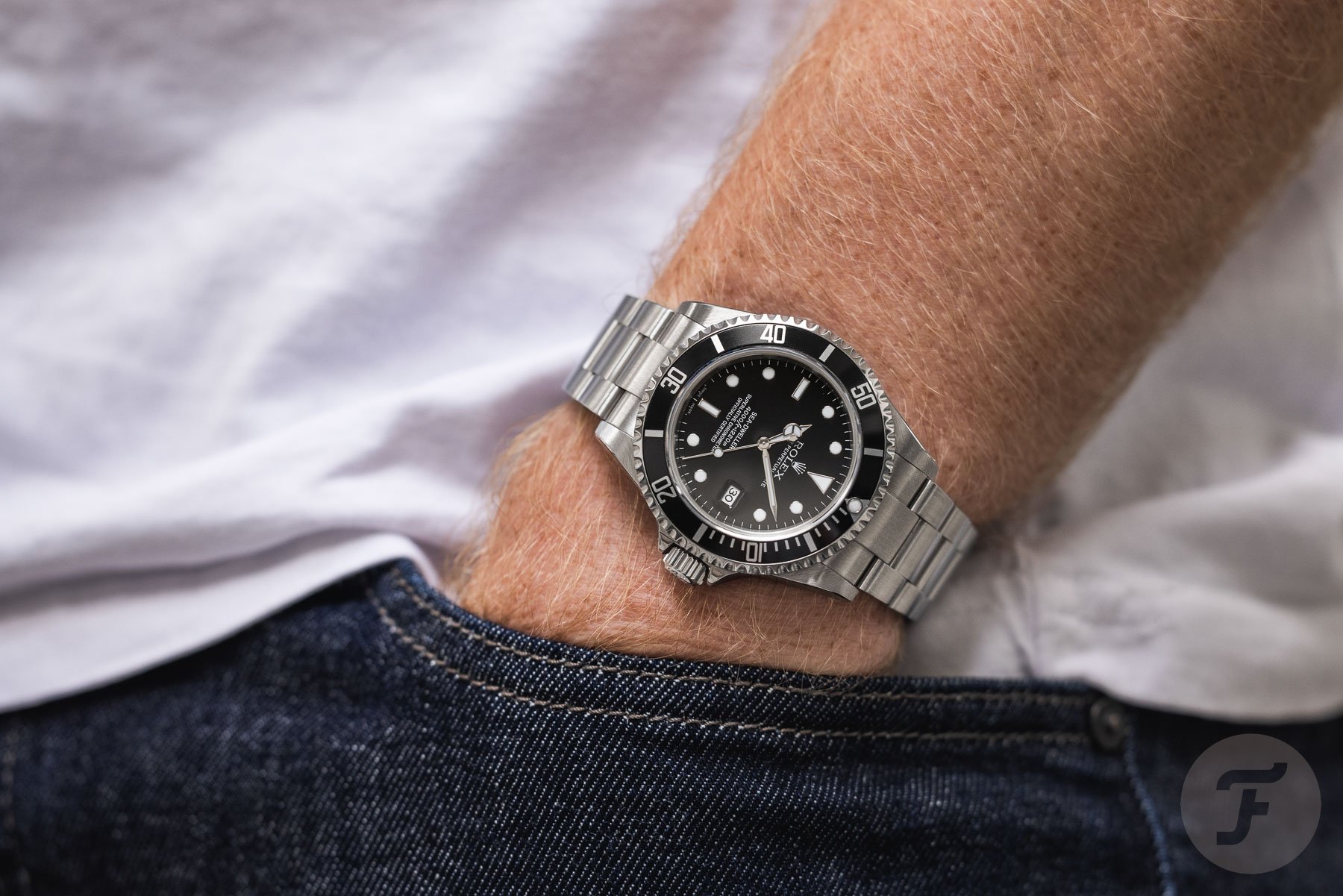
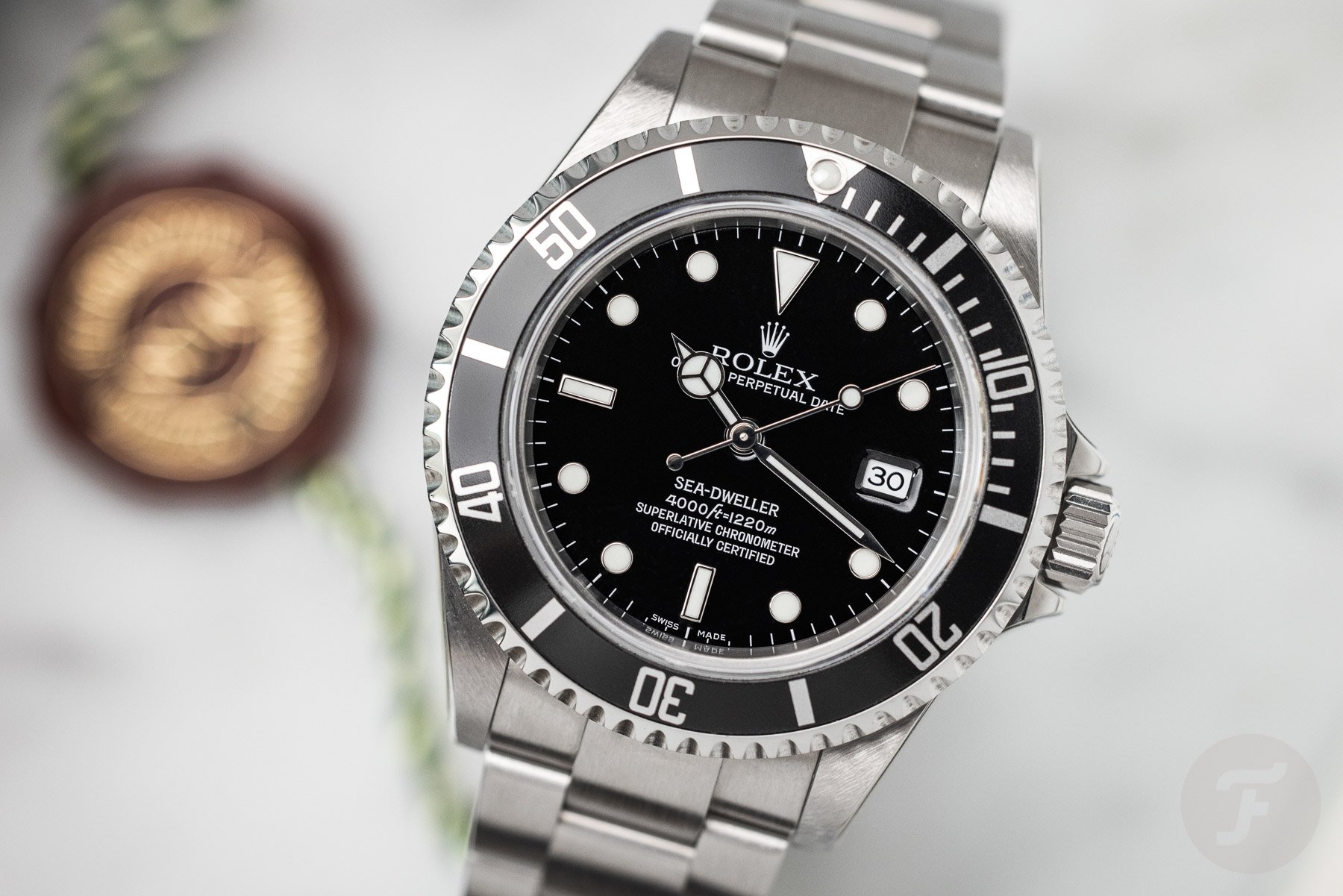
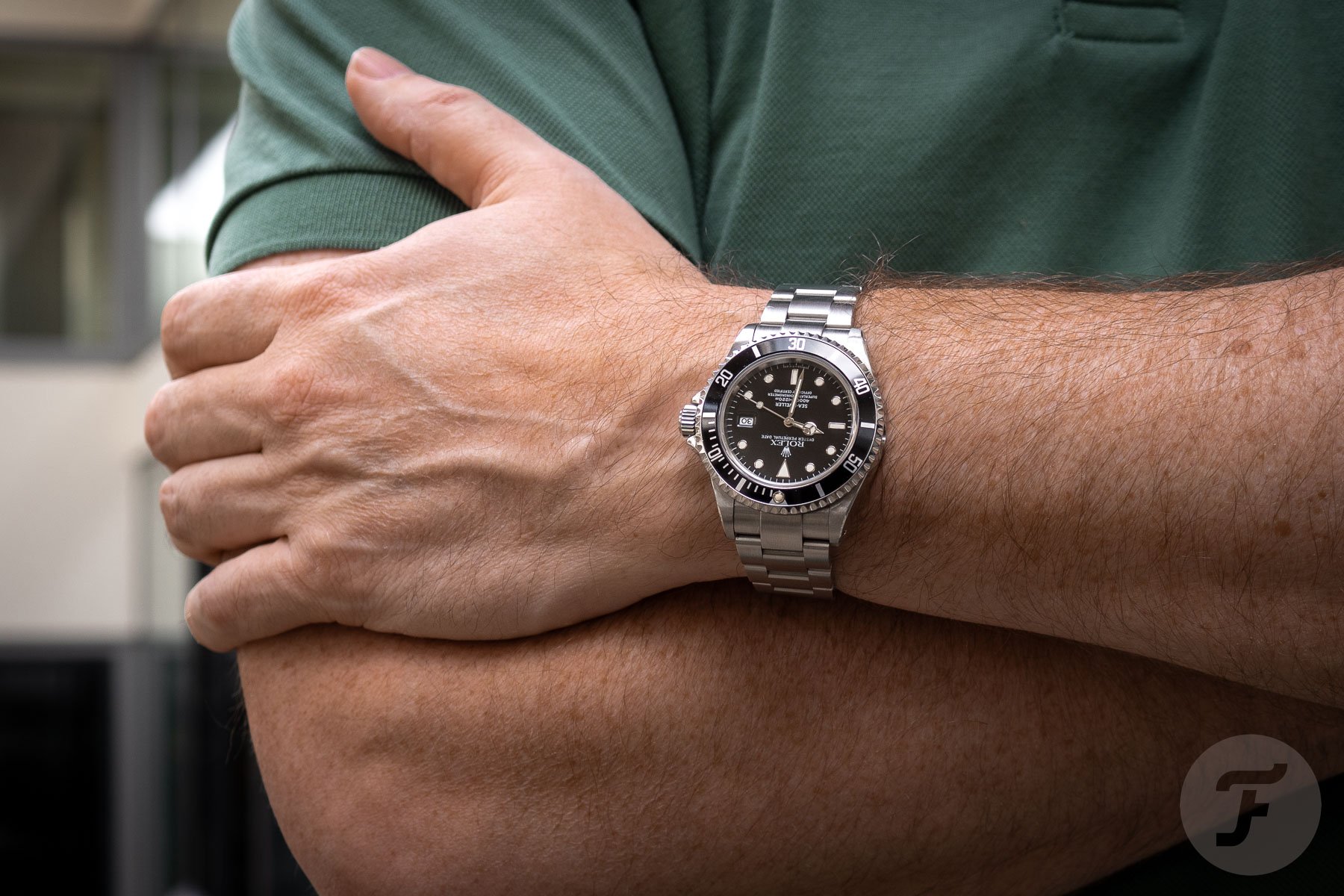
A perennial favorite among watch connoisseurs and a personal highlight for many within the Fratello team, the Rolex Sea-Dweller ref. 16600 stands as a testament to robust engineering and enduring design. Produced from 1998 to 2008, this formidable dive watch embodies the pinnacle of 1990s Rolex manufacturing. Its 40mm stainless steel case, measuring 14.5mm in thickness and 48mm from lug to lug, presents a substantial yet surprisingly comfortable presence on the wrist. The distinctive helium escape valve, a hallmark of the Sea-Dweller line, underscores its professional-grade underwater capabilities, offering water resistance up to 1220 meters (4000 feet).
At the heart of the ref. 16600 beats the legendary Rolex Caliber 3135. This self-winding movement, COSC-certified for chronometric precision, has earned a reputation for exceptional reliability, ease of servicing, and remarkable resilience. Its proven track record makes it an ideal engine for a daily wearer, promising years of worry-free operation.
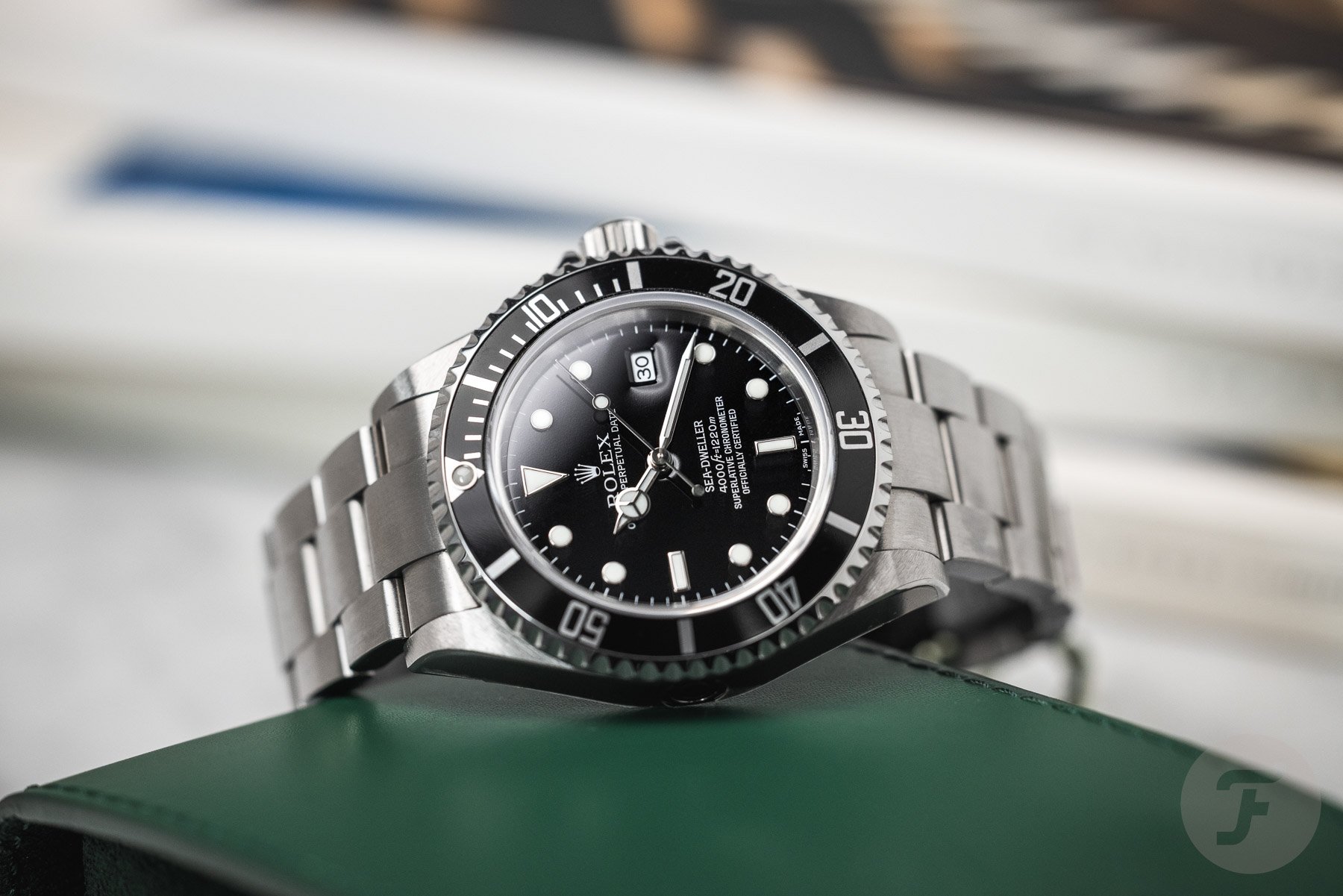
A key aspect of the ref. 16600’s appeal lies in its dial executions, particularly concerning the luminous material. Early models, produced until approximately 1997-1998, utilized tritium for the hands and hour markers. This material ages distinctively over time, often developing a warm, creamy patina that many enthusiasts find particularly alluring. Following a brief period with LumiNova, Rolex transitioned to Super-LumiNova around the year 2000, which provides a brighter and longer-lasting glow. While both executions are highly sought after, the aged tritium dials offer a unique vintage charm that resonates deeply with collectors who appreciate the character that time imparts. Regardless of the luminous material preference, the ref. 16600 remains a superb choice, offering a perfect balance of professional functionality and classic Rolex aesthetics.
The perceived thickness of the Sea-Dweller is masterfully managed by its well-proportioned case and robust bracelet. The solid construction, featuring solid end links and a bracelet that, while retaining an older-school feel, expertly balances the watch on the wrist, contributes to its exceptional wearability. For the author, the experience of donning Robert-Jan’s Sea-Dweller in 2003 was a pivotal moment, cementing its status as a personal favorite and a benchmark for daily wear. Over two decades later, this sentiment endures, underscoring the ref. 16600’s enduring appeal as a supremely capable and aesthetically pleasing daily watch. Market prices for a well-maintained Rolex Sea-Dweller ref. 16600 typically range from approximately €7,500 to €10,000, reflecting its desirability and robust value retention.
Rolex Day-Date Ref. 18238: The Epitome of Refined Daily Luxury
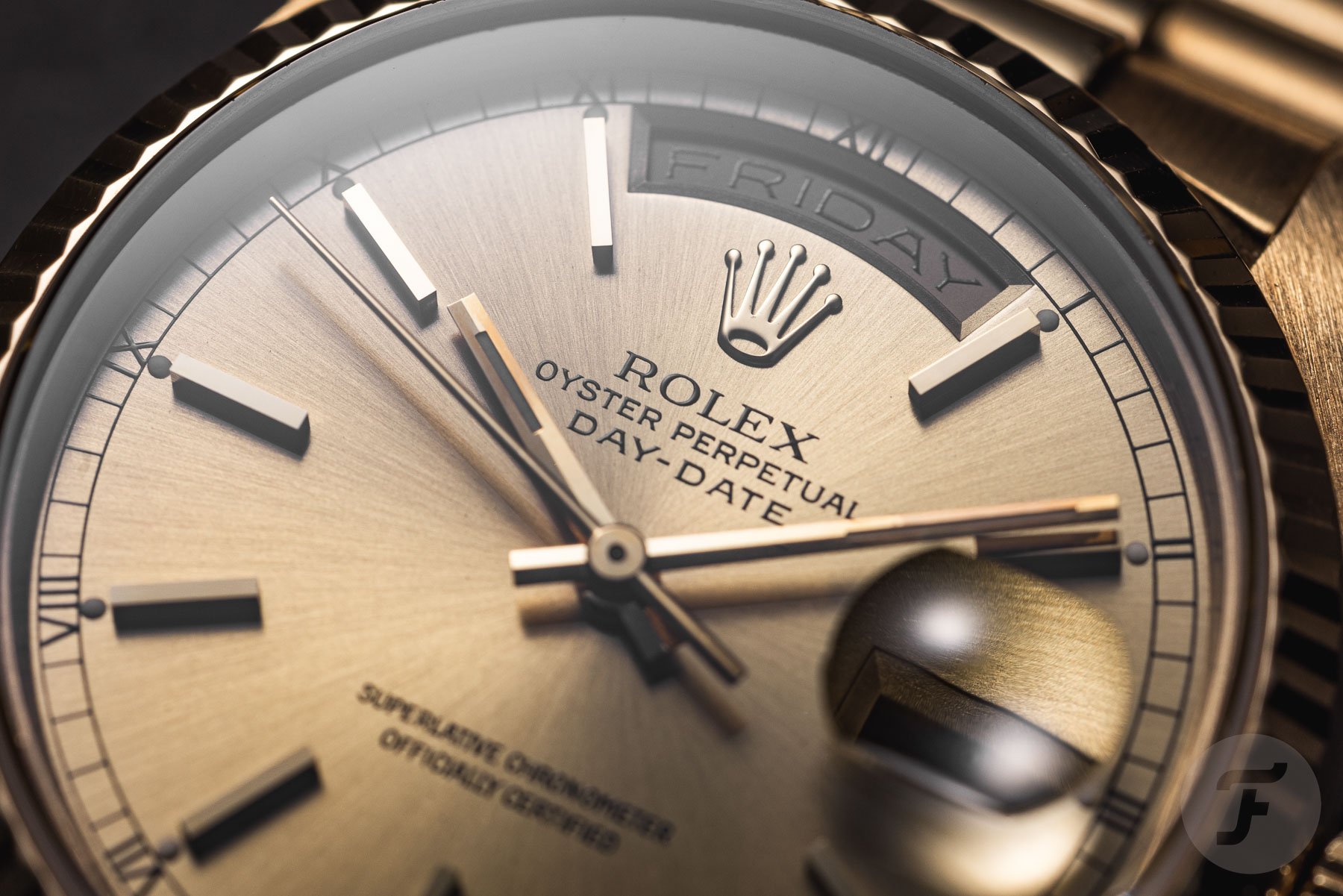
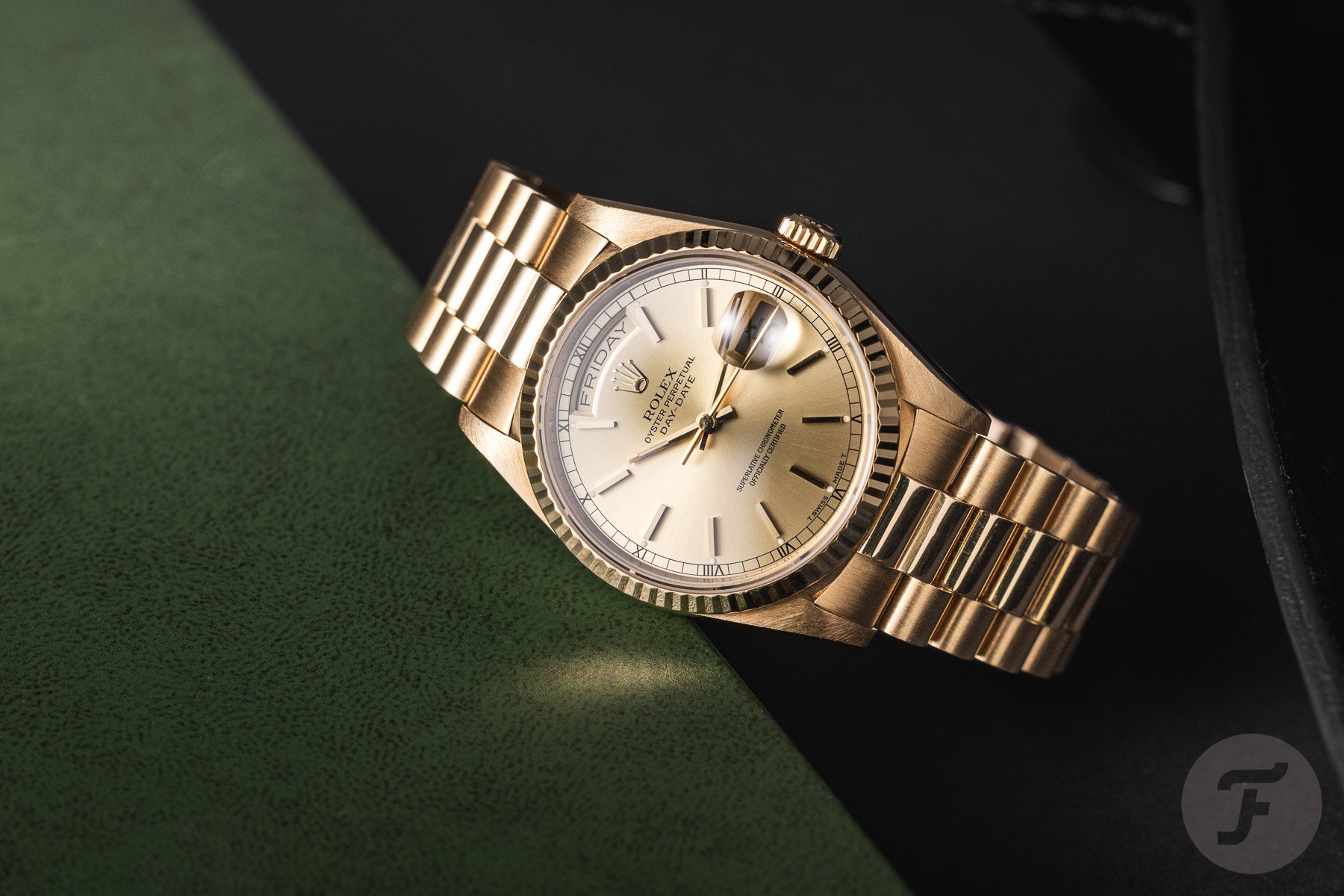
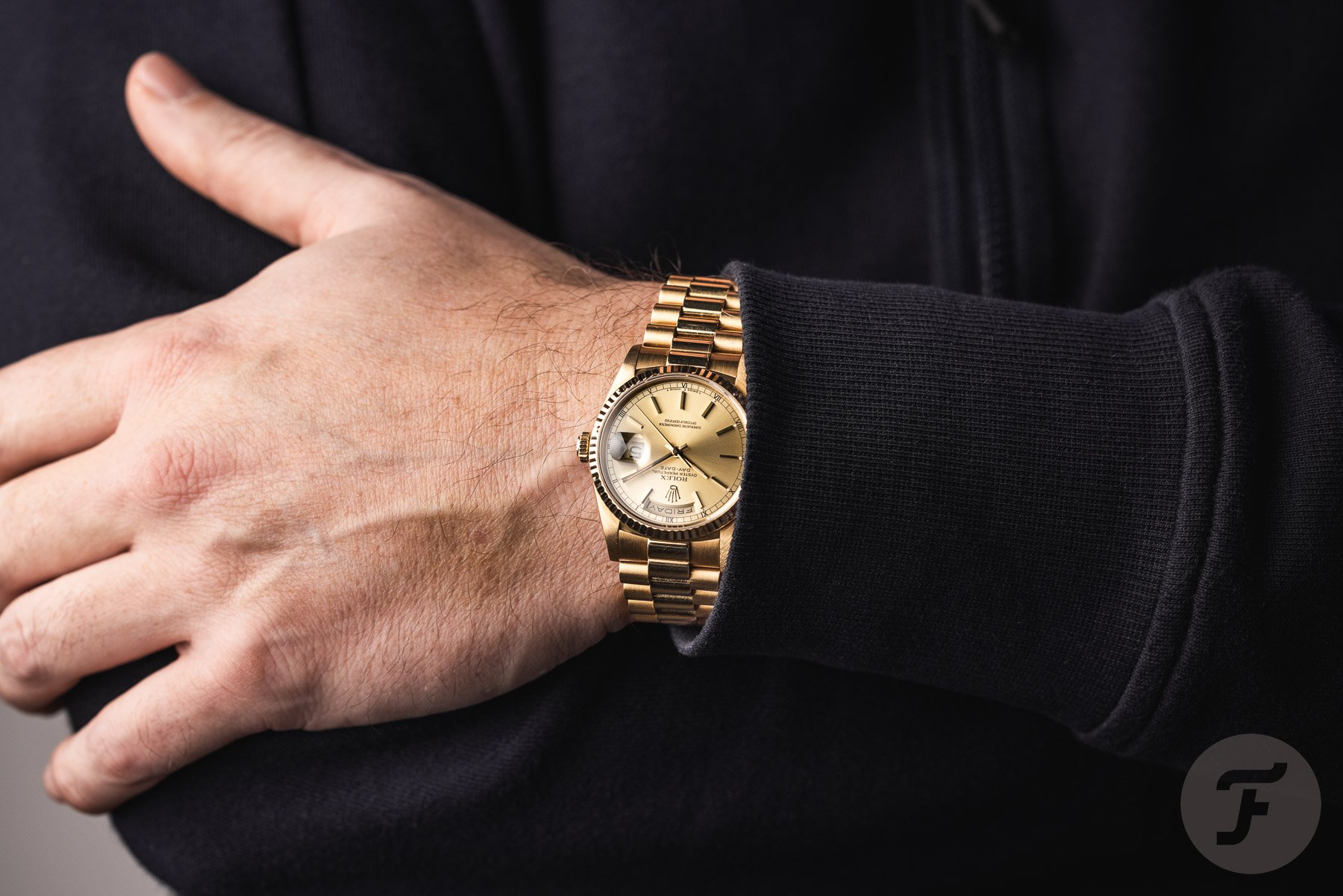
The Rolex Day-Date, often referred to as the "President’s watch," represents the pinnacle of Rolex’s dress watch offerings. The ref. 18238, a prominent model produced from 1988 to 2000, exemplifies the brand’s commitment to blending sophisticated luxury with practical functionality, making it an unexpected yet compelling choice for a daily wearer. This particular reference marked a significant advancement with the introduction of the double quick-set feature, allowing both the date and the day of the week to be adjusted independently. This was a considerable improvement over its predecessor, the ref. 18038, which only featured a quick-set date.
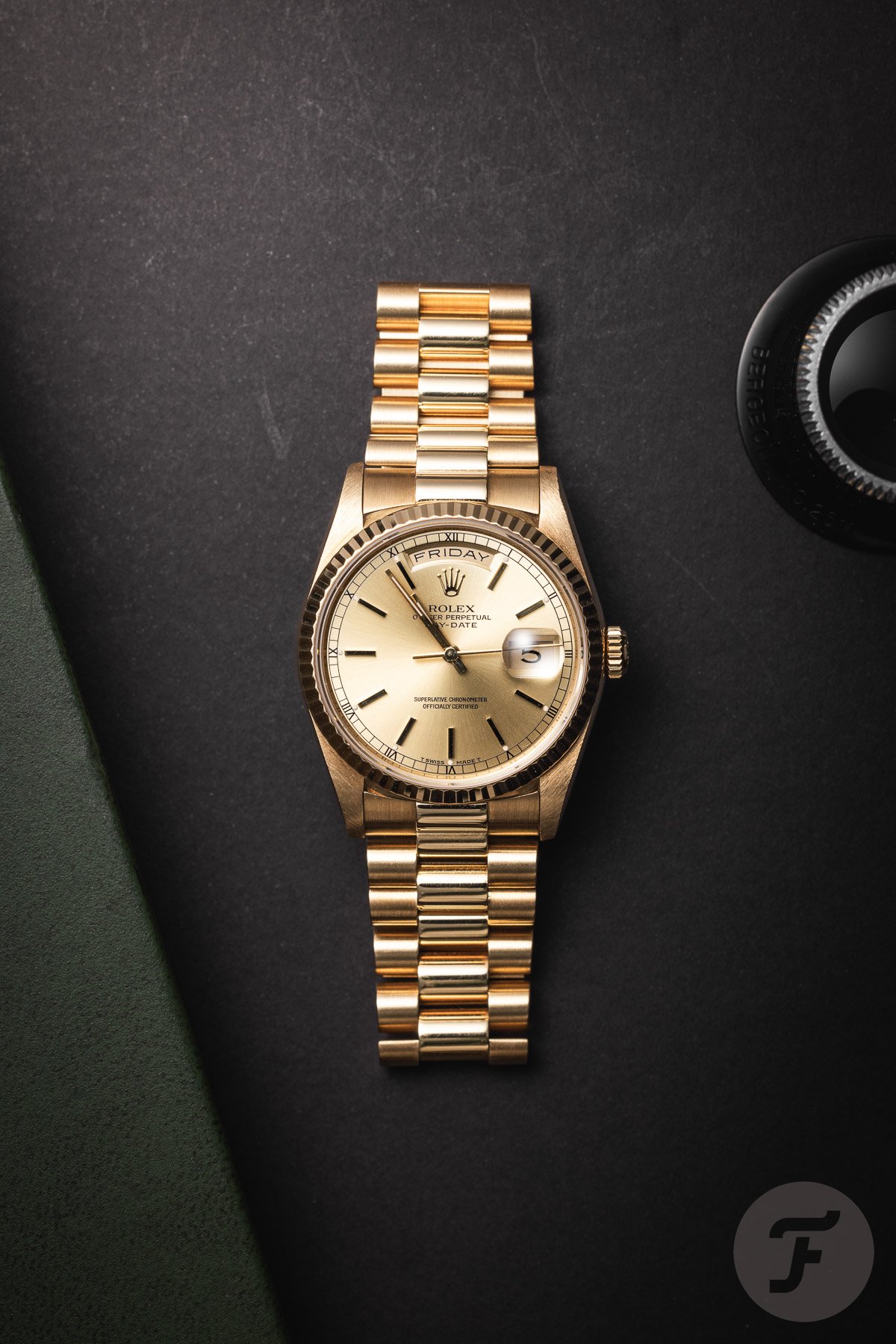
The innovation was made possible by the introduction of Rolex’s in-house Caliber 3155. This robust automatic movement boasts a 48-hour power reserve, operates at a frequency of 28,800 vibrations per hour (4Hz), and is COSC-certified. Its reliability and ease of servicing contribute to its suitability for daily wear, assuring owners of consistent performance without undue concern.
Compared to earlier iterations, the ref. 18238 features a more refined case profile. The 36mm diameter, 12mm thickness, and 43mm lug-to-lug measurement create a perfectly balanced timepiece that drapes elegantly on a variety of wrist sizes. While the subsequent ref. 118238 introduced solid gold links for the President bracelet, many enthusiasts prefer the ref. 18238 for its less polished aesthetic, particularly its lugs, which contribute to a more classic and less ostentatious appearance. This characteristic, coupled with the watch’s inherent luxury, positions the ref. 18238 as an ideal daily dress watch that retains its classic charm. The value of a Rolex Day-Date ref. 18238 in excellent condition typically falls between €18,000 and €25,000, reflecting its status as a premium luxury timepiece.
Rolex Explorer II Ref. 16570: The Modern Classic for the Adventurous Spirit
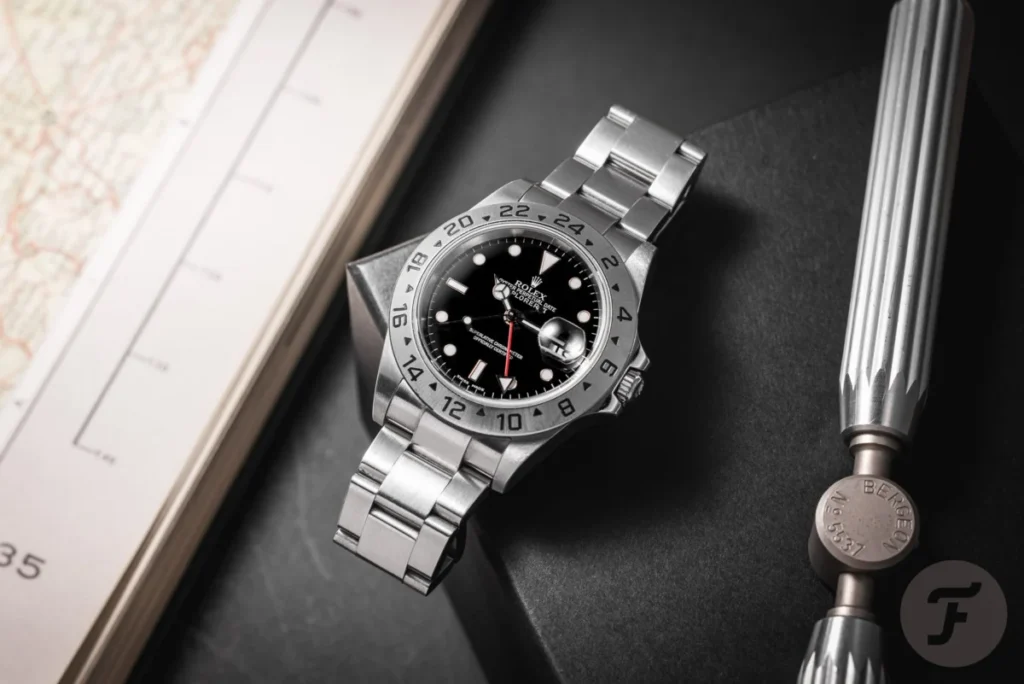
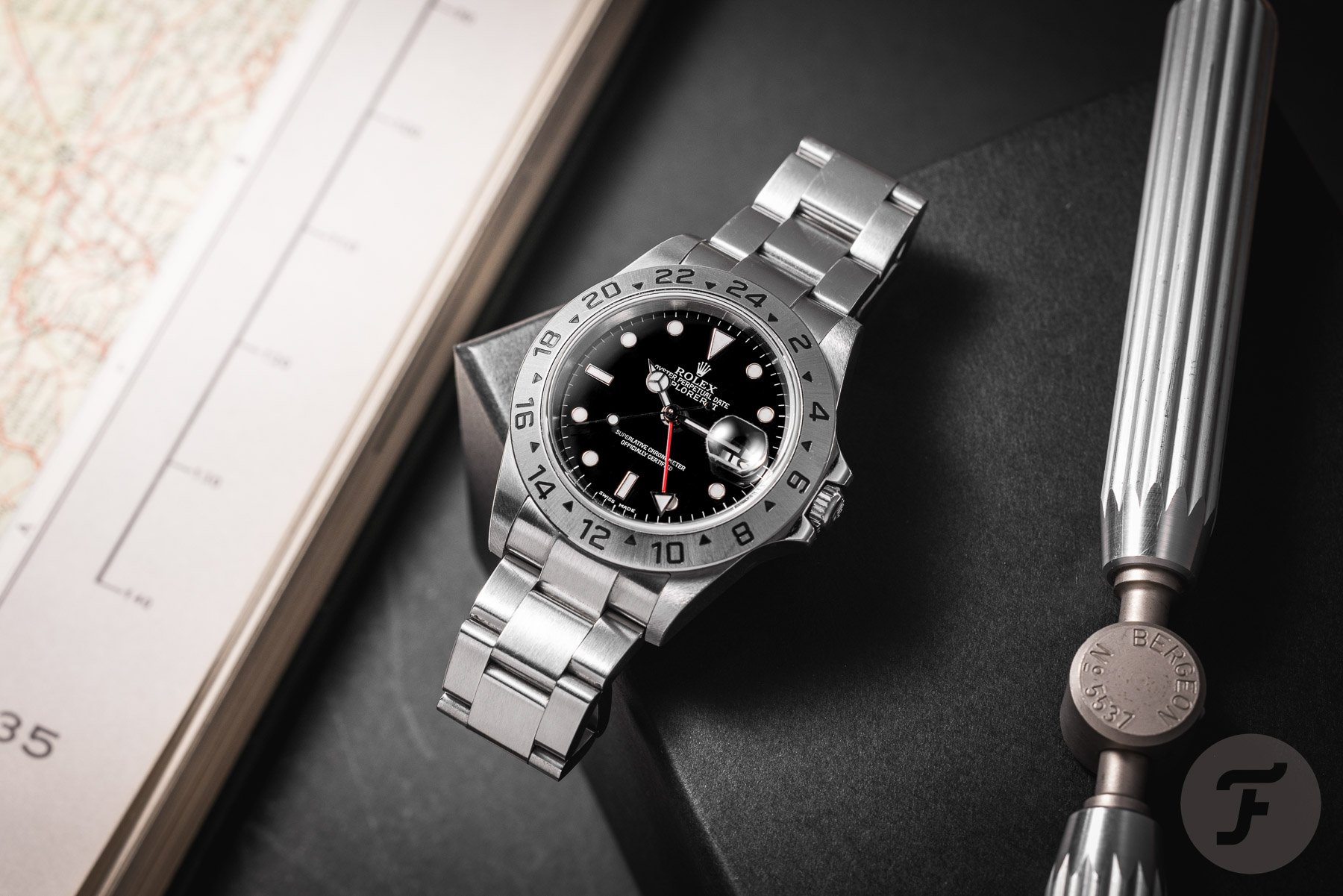
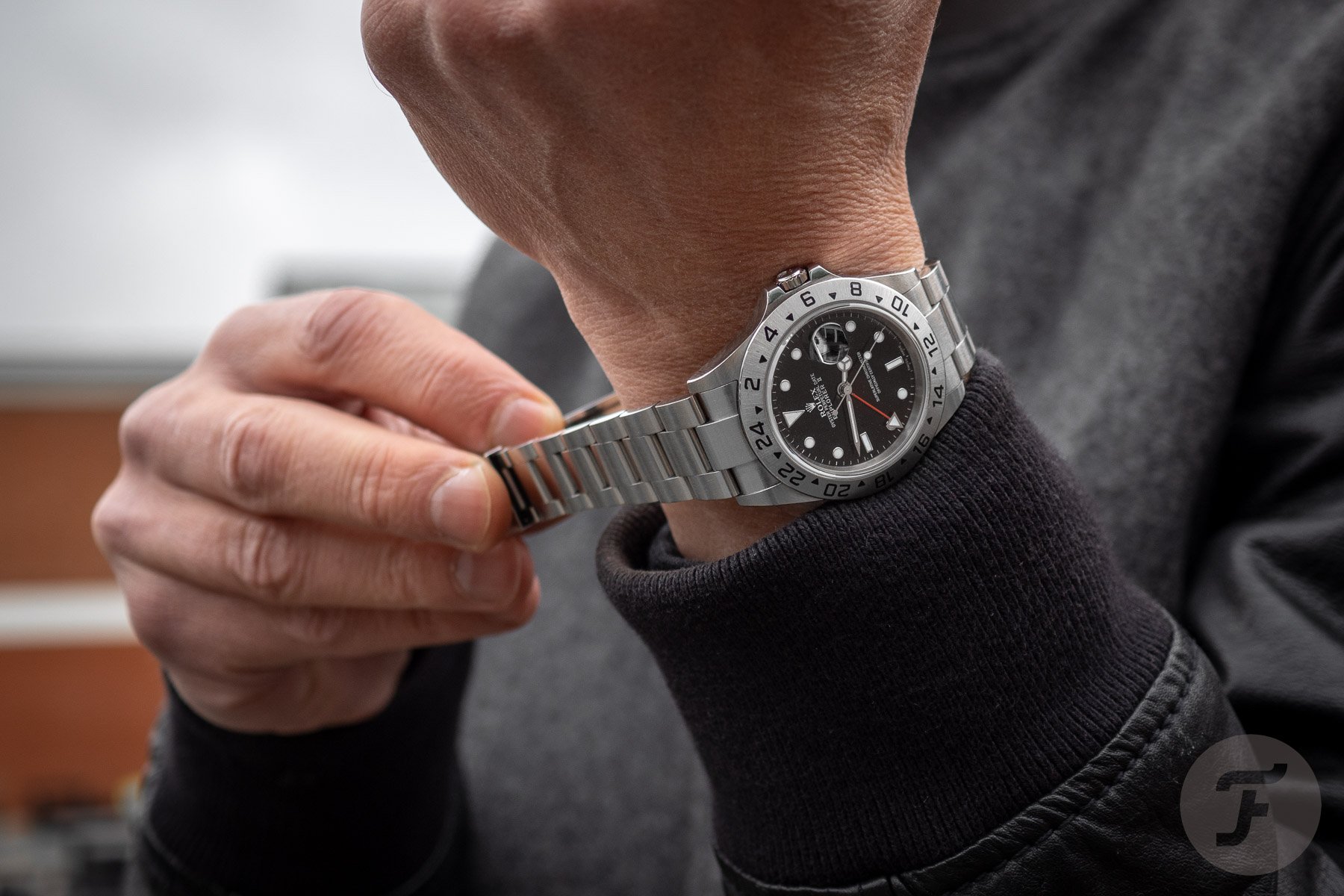
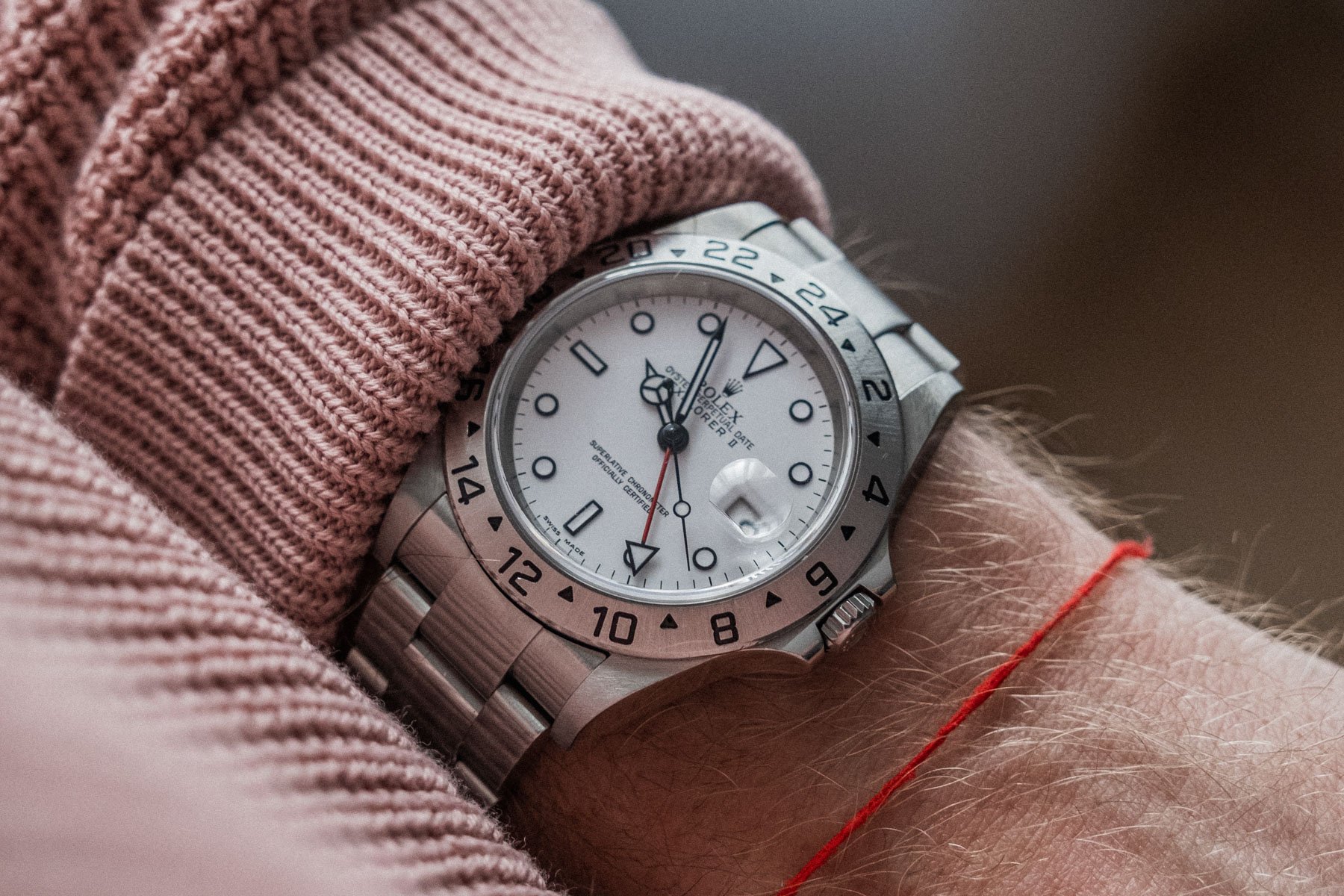
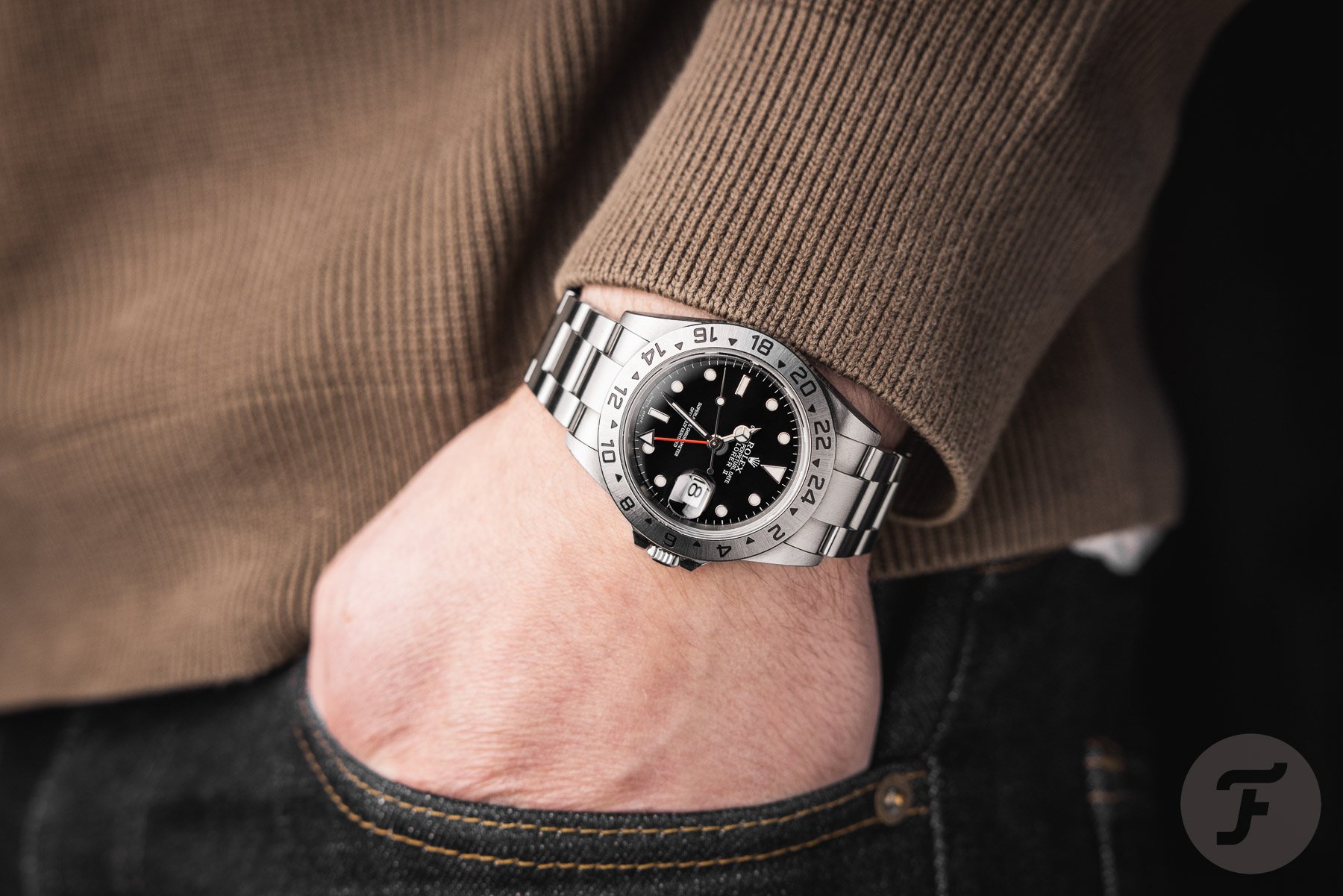
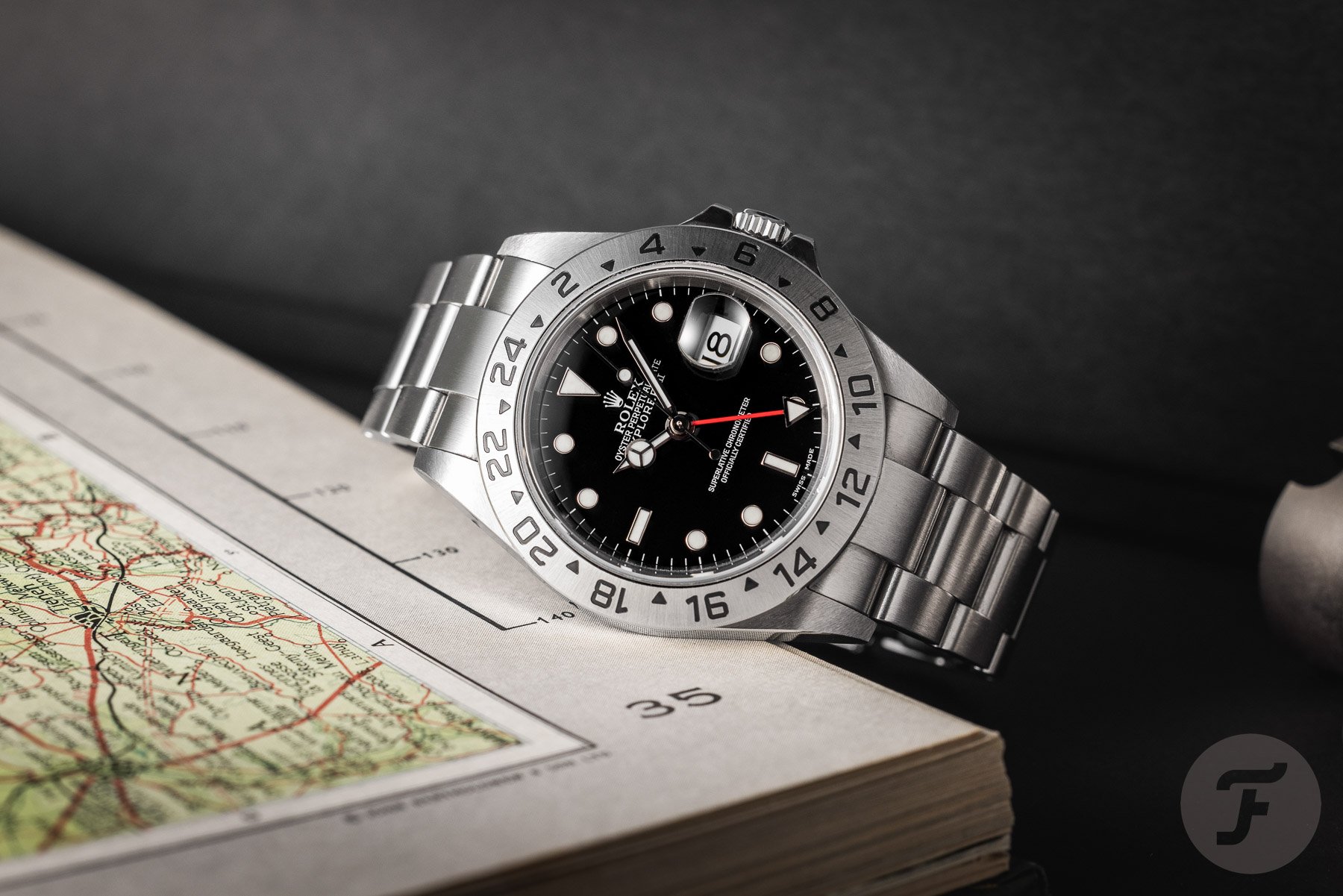
The Rolex Explorer II ref. 16570 has garnered a devoted following within the watch community, including significant appreciation from the Fratello editorial team. Its production spanned an impressive period, from 1989 to 2011, making it one of the longest-running references in Rolex’s history. This extended production run means that various iterations exist, offering collectors a range of subtle differences to explore.
Key evolutionary points during its production include the transition of luminous materials from tritium to LumiNova and subsequently to Super-LumiNova. Furthermore, early models featured drilled lug holes, which were later replaced by solid end links without drilled holes in the early 2000s. For purists, the charm often lies in the earlier bracelets, particularly those with folded end links and the signature flip-lock clasp, which was introduced around 1998. Navigating these variations requires a degree of research, but the reward is a meticulously crafted timepiece that perfectly balances utility and understated style.
The ref. 16570 boasts a 40mm stainless steel case, measuring 12.2mm in thickness and 47mm from lug to lug. This size is widely considered to be exceptionally versatile, fitting comfortably on most wrists. It was available with either a black or the distinctive "Polar" white dial, each offering a unique aesthetic presence that appeals to different tastes.
Powering the Explorer II is the Caliber 3185, a GMT-hand-equipped movement renowned for its robust performance and the practical "flyer" style GMT function, allowing independent adjustment of the local time hour hand. This movement operates at 28,800 vibrations per hour and offers a 50-hour power reserve. While a later iteration, the Caliber 3186, was introduced in 2007, the Caliber 3185 remains a highly capable and reliable engine.
The ref. 16570 is often lauded for its ability to remain a true daily wearer, a quality that was somewhat diluted in its successor, the ref. 216570, which introduced a larger 42mm case and a more modern, albeit less traditional, aesthetic. The ref. 16570, with its classic proportions and dial design, represents the ideal blend of a sturdy tool watch and a timeless icon. Pre-owned Rolex Explorer II ref. 16570 models typically command prices ranging from approximately €6,500 to €11,000, depending on condition and specific features.
Rolex Explorer Ref. 14270: The Quintessential Compact Tool Watch
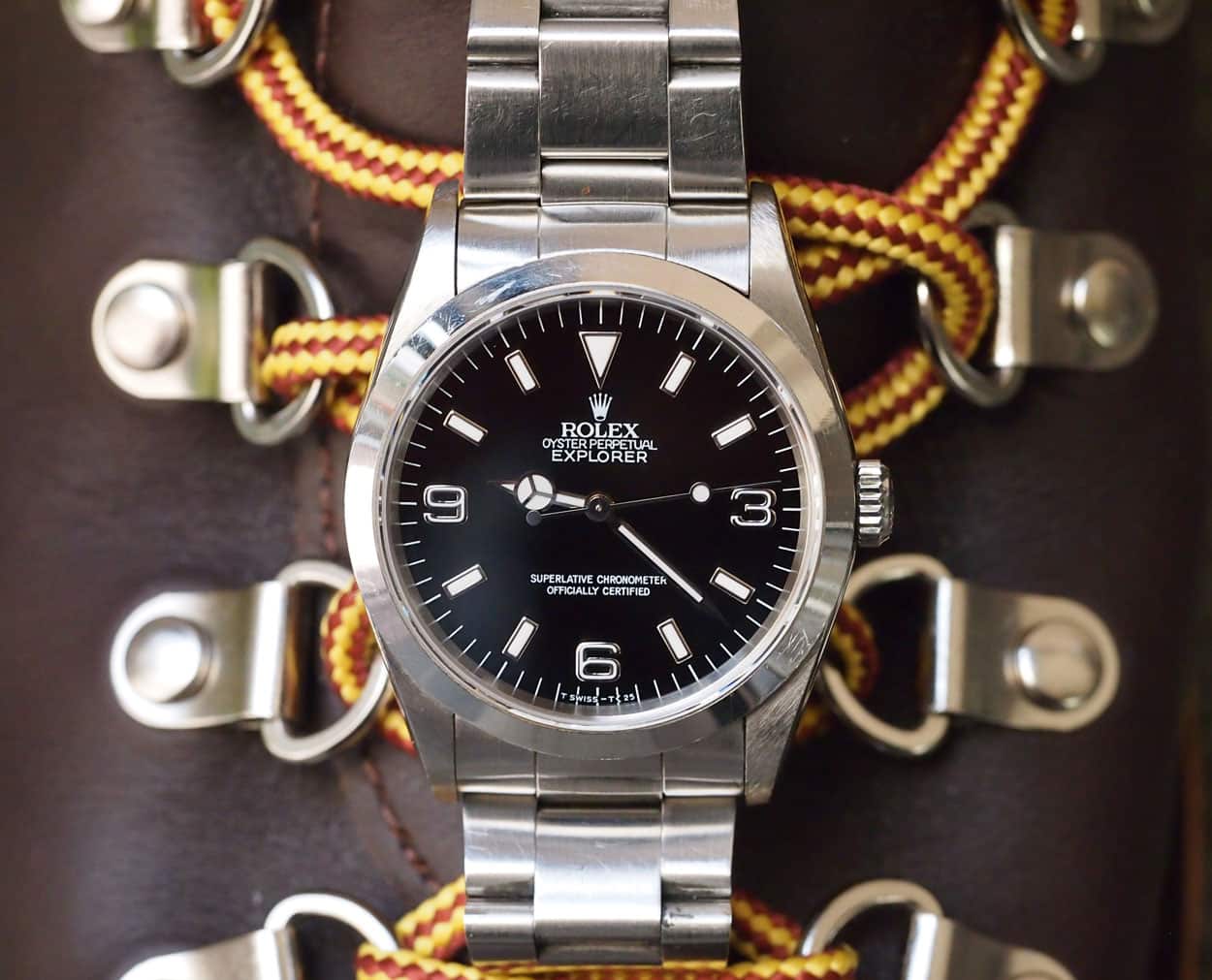
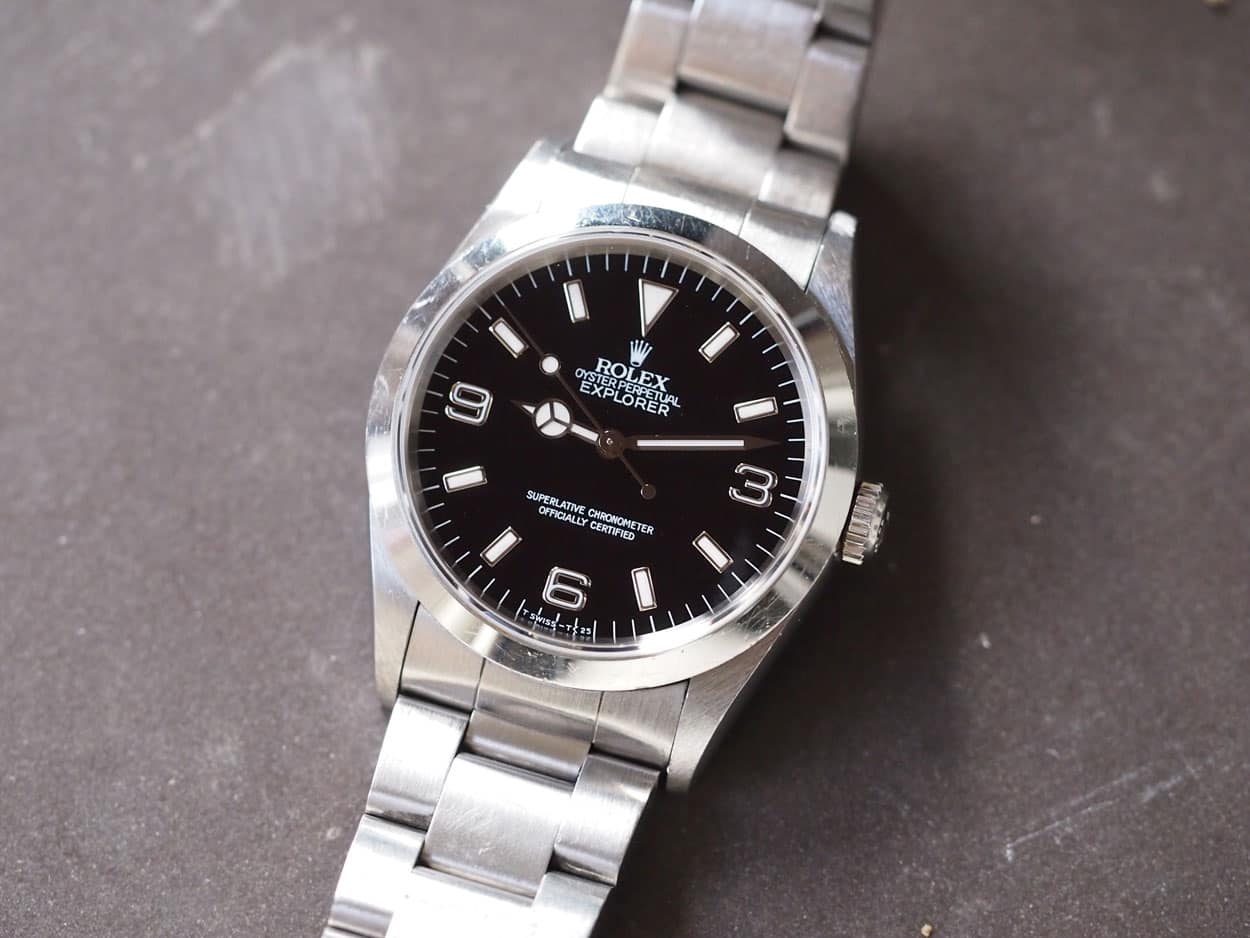
The Rolex Explorer ref. 14270, introduced in 1989, marked a significant evolution for the iconic adventure watch, succeeding the legendary ref. 1016 after a remarkable 27-year production run. The ref. 14270 successfully modernized the Explorer’s aesthetic while retaining its core design ethos. It featured a new case design, a scratch-resistant sapphire crystal, and a refined black lacquered dial with applied numerals. Critically, it also incorporated a new movement beating at a higher frequency, signaling a substantial upgrade in its technical capabilities.
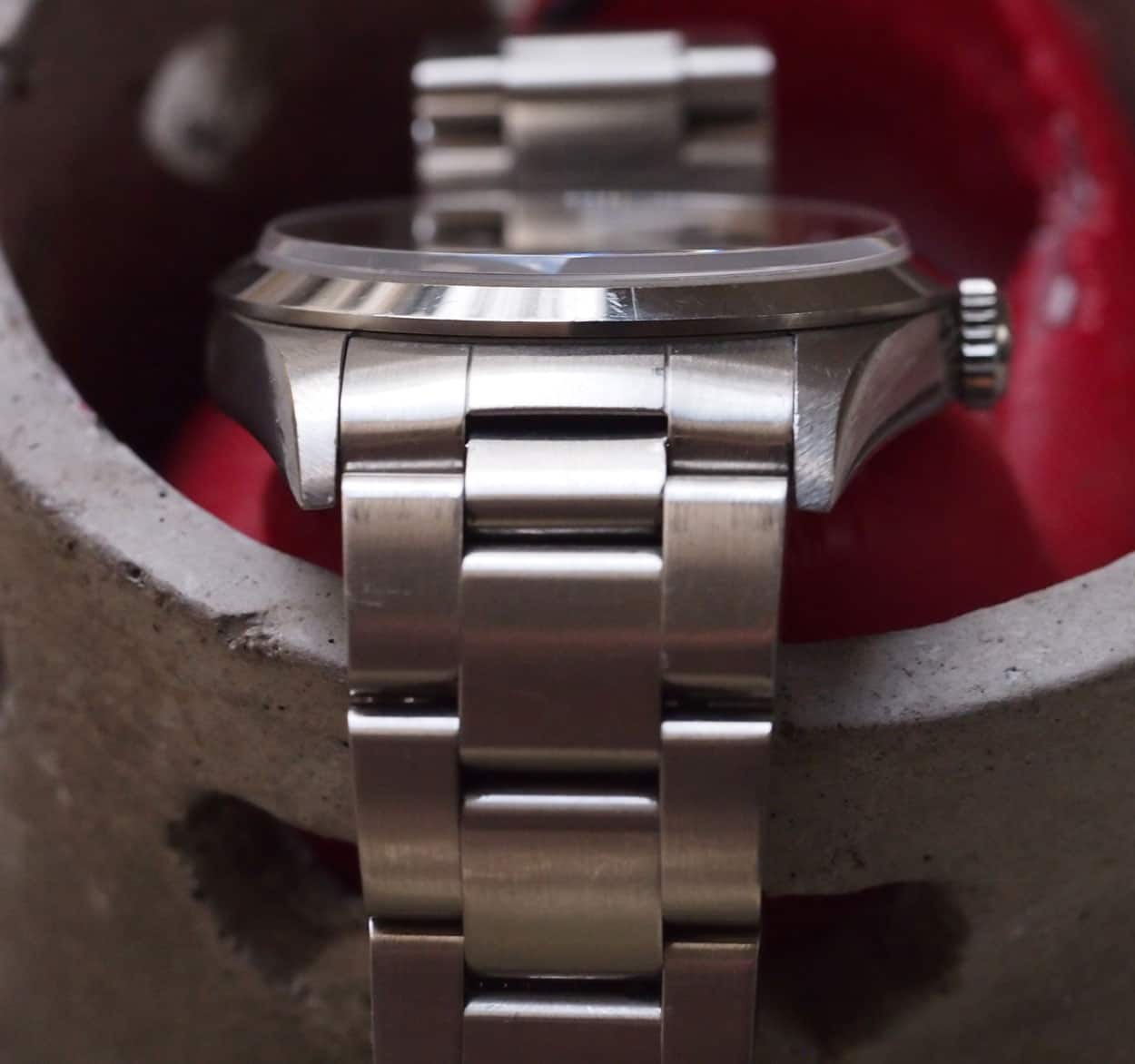
The ref. 14270 features a compact 36mm case, measuring 11.1mm in thickness and 43.3mm from lug to lug. Despite retaining the classic 36mm size, the case design feels more contemporary and substantial than its predecessors. The updated 3-6-9 dial, a signature of the Explorer line, was initially adorned with applied white gold markers and numerals filled with tritium. As with other models of the era, Rolex later transitioned to LumiNova and then Super-LumiNova for improved luminosity.
At its core, the ref. 14270 is powered by the Rolex Caliber 3000. This reliable automatic movement operates at 28,800 vibrations per hour, features 27 jewels, and offers a 48-hour power reserve. It achieved COSC certification, adhering to stringent accuracy standards of +4/-6 seconds per day. The Explorer ref. 14270 remained in production until 2001, when it was succeeded by the ref. 114270. While the latter introduced improvements like solid end links and an updated caliber, the ref. 14270 holds a special place as the first of the modern generation of Explorers. This highly desirable model can typically be acquired for prices ranging from approximately €5,500 to €9,000, making it one of the more accessible options from this celebrated decade.
Rolex GMT-Master II Ref. 16710: The Versatile Traveler’s Watch
Rounding out our top five is the Rolex GMT-Master II ref. 16710, a reference that revolutionized travel timekeeping. Introduced in 1989, it represented a significant leap forward from its predecessor, the ref. 16760 "Fat Lady." The ref. 16710 featured a slimmer case profile, enhancing its comfort and wearability for everyday use. Crucially, it incorporated the "flyer" style GMT complication, allowing the wearer to independently adjust the local time hour hand without disrupting the GMT hand, a feature of immense practicality for frequent travelers.
The ref. 16710 sports a 40mm stainless steel case, measuring 12mm in thickness and 48mm from lug to lug. A defining characteristic of this generation of steel GMT-Masters is the availability of interchangeable bezel inserts, offering distinct visual personalities. The three iconic options include: the classic red and blue "Pepsi" bezel, symbolizing day and night for the second time zone; the black and red "Coke" bezel, also representing day and night with a more subdued aesthetic; and a full black bezel for those preferring a monochrome look. The Pepsi and Coke bezels, in particular, have become synonymous with the GMT-Master’s heritage, offering vibrant yet functional visual cues.
The movement at the heart of the ref. 16710 is the Caliber 3185, the same highly regarded movement found in the Explorer II ref. 16570. This robust caliber ensures accurate timekeeping and the precise functionality of the true GMT complication.
The ref. 16710 is often considered the last of the classic GMT-Masters, a sentiment born from its adherence to traditional design cues. Subsequent models, such as the ref. 116710, introduced a more contemporary aesthetic with features like a ceramic bezel, a larger case size, and a branded rehaut. While these modernizations offer their own appeal, the ref. 16710 provides a unique opportunity to own a GMT-Master II that perfectly blends iconic vintage styling with modern wearability and functionality. Prices for a Rolex GMT-Master II ref. 16710 in good condition typically range from just under €10,000 to around €16,000, reflecting its enduring popularity and status as a collectible icon.
Conclusion: A Legacy of Enduring Appeal
The five Rolex models highlighted – the Sea-Dweller ref. 16600, Day-Date ref. 18238, Explorer II ref. 16570, Explorer ref. 14270, and GMT-Master II ref. 16710 – represent the zenith of Rolex’s offerings during the 1990s. Each watch embodies a perfect equilibrium between classic Rolex design language and the enhanced quality and functionality that characterized the decade. These timepieces are not merely historical artifacts; they remain exceptional choices for contemporary daily wear, offering a tangible connection to a golden era of watchmaking.
While this list represents a curated selection, the 1990s produced numerous other remarkable Rolex references. The omission of popular models like the Submariner ref. 14060, for instance, stems from a preference for the bolder dial design of the ref. 16610 "Kermit." Similarly, while the Yacht-Master ref. 16622, introduced in 1999, is undeniably attractive, it did not ultimately displace the chosen five in terms of overall daily wearability and classic appeal for the authors.
Ultimately, the enduring appeal of these 1990s Rolex watches lies in their ability to transcend fleeting trends. They offer a compelling narrative of technical advancement married with timeless design, making them not just timekeeping instruments but cherished companions for life’s adventures. The question of which "nineties Rolex" reigns supreme remains a delightful subject for debate among enthusiasts, a testament to the rich horological legacy of this exceptional decade.