The pursuit of precision in timekeeping is a centuries-old endeavor, a journey that has shaped the very fabric of horology. From the rudimentary hour-only displays of the 16th century, marked by daily inaccuracies spanning hours, to the hyper-accurate, multi-certified timepieces of today, the evolution has been nothing short of remarkable. This relentless drive for accuracy, spurred by scientific discovery, maritime necessity, and consumer demand, has led to a complex landscape of certifications and quality seals, each bearing testament to a watchmaker’s commitment to precision.
The pivotal moment in this quest for accuracy arrived in 1675 with Christiaan Huygens’ invention of the balance spring. This groundbreaking innovation finally achieved isochronism, a state where the period of oscillation remains constant regardless of amplitude. This breakthrough dramatically improved accuracy, reducing daily deviations to mere minutes and paving the way for the inclusion of minute hands, a feature previously impossible with less precise movements. While not yet the chronometer-grade accuracy we recognize today, it represented a monumental leap, fundamentally altering the design and engineering of watch movements.
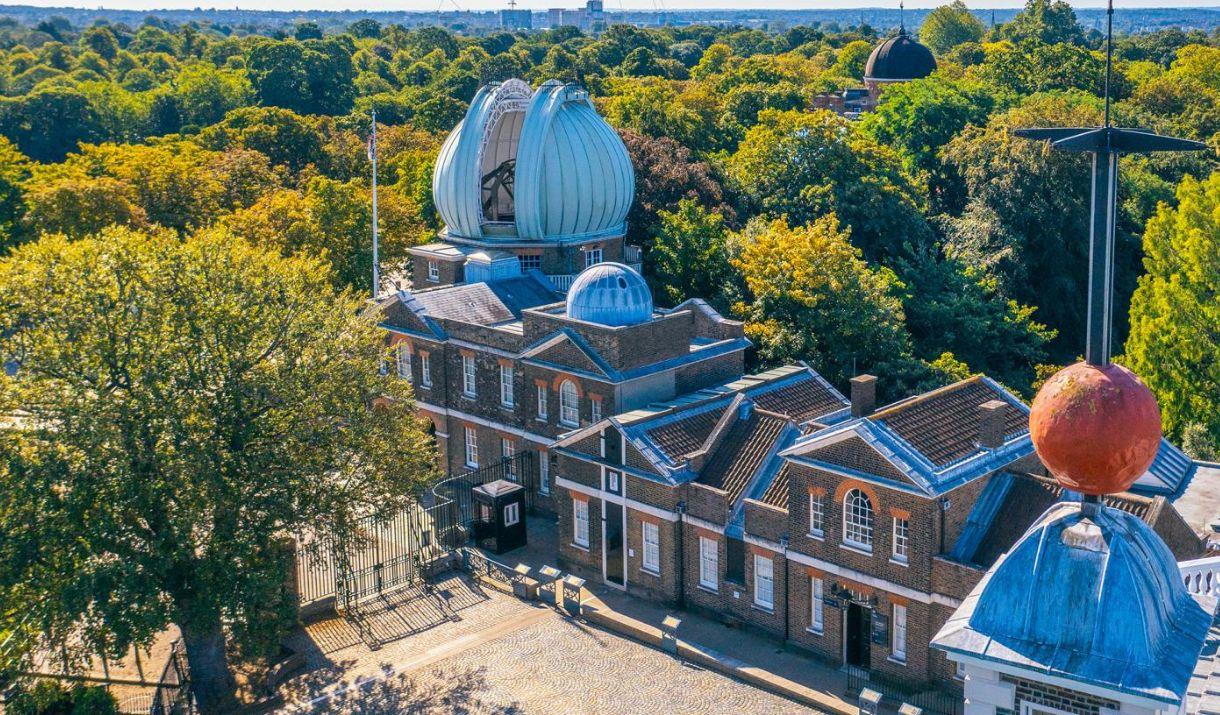
The formalization of accuracy verification began in 1766 when the British Royal Observatory in Greenwich established the first official, documented timing trials. These trials were crucial for assessing the reliability of timekeeping instruments, particularly for maritime navigation where precise longitude determination was paramount. The legacy of these early trials echoes in the modern plethora of certifications, including the widely recognized COSC (Contrôle Officiel Suisse des Chronomètres), the prestigious Geneva Seal, and the technically advanced METAS Master Chronometer standards, alongside various in-house quality assurances.

Defining the Chronometer: A Measure of Time’s Mastery
At its core, a chronometer is a watch or, more precisely, a watch movement that adheres to stringent accuracy standards, typically within a tolerance of -4 to +6 seconds per day in modern contexts. This level of precision is not merely claimed but rigorously tested and certified by accredited third-party organizations or, in some cases, by the manufacturer’s own internal testing facilities. The term "chronometer" itself has a storied past, first coined by English clockmaker Jeremy Thacker in 1714. He used it to describe a custom-built clock housed within a vacuum chamber, designed to achieve the accuracy required for determining longitude at sea. Thacker ingeniously combined the Greek words chronos (time) and meter (measure). However, his definition, while pioneering, did not align with the rigorous standards we associate with the term today. It was English watchmaker John Arnold who, in 1779, offered a more refined definition, applying it to highly accurate pocket watches. One of Arnold’s own timepieces earned the designation of chronometer through rigorous time trials conducted at the British Royal Observatory, solidifying the link between accuracy and official verification.
The Genesis of Precision: The British Royal Observatory and Maritime Navigation
The 18th century was a critical era for navigation, with the ability to accurately determine longitude at sea being the holy grail for mariners. The solution lay in developing marine chronometers—specialized clocks designed to withstand the harsh conditions of ocean voyages. These instruments had to be exceptionally accurate and reliable, overcoming the constant motion of ships, extreme temperature fluctuations, humidity, and the corrosive effects of salt. The target accuracy was a mere three seconds per day.
The principle for determining longitude relied on comparing the time displayed on a marine chronometer, set to a reference meridian (such as Greenwich Mean Time), with the local time determined by celestial observations using a sextant. A discrepancy of one hour between Greenwich Mean Time and local time equated to 15 degrees of longitude. Even slight inaccuracies in the chronometer could lead to significant navigational errors. A deviation of just 3 to 4 seconds per day could result in an error of half a degree of longitude, translating to approximately 30 nautical miles. The pressure to achieve such precision was immense, driving innovation and fueling competition among clockmakers.
Pioneering Trials: John Harrison and the Admiralty’s Annual Premium Trials
The quest for a practical marine chronometer was significantly advanced by English clockmaker John Harrison. Between 1735 and 1761, Harrison developed a series of four marine chronometers, designated H1 through H4. His H4, in particular, demonstrated remarkable accuracy. Recognizing the importance of these advancements, the British Royal Observatory in Greenwich, in 1766, initiated the first documented time trials to formally assess the accuracy of Harrison’s H4 and subsequent chronometers, including John Arnold’s No. 36 pocket watch, which in 1779 became the first pocket watch to be officially designated a chronometer.
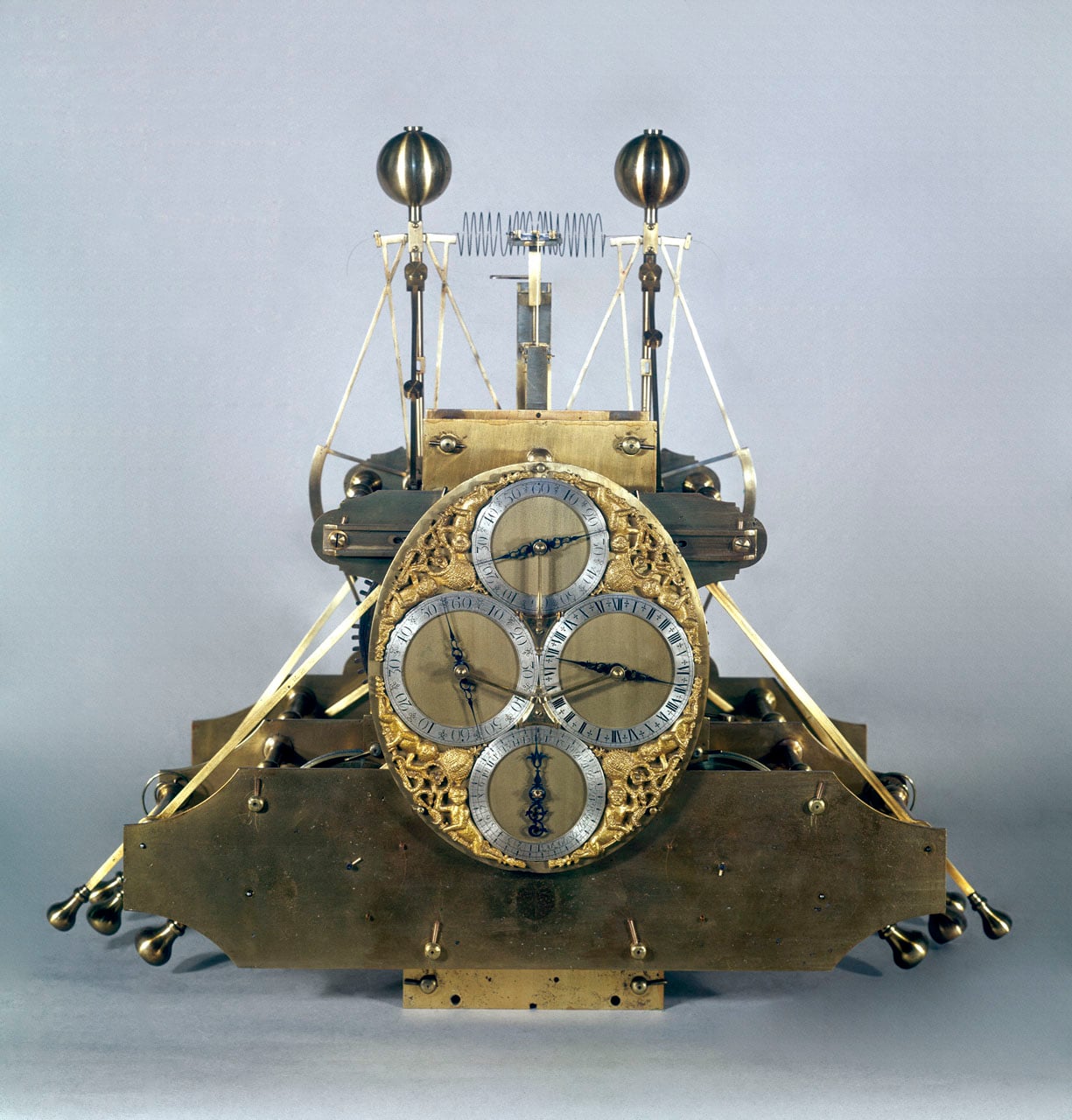
The Astronomer Royal, acting on behalf of the Board of Longitude, played a crucial role in evaluating and validating these early chronometers. However, a standardized certification process did not emerge until much later. Instead, state prizes and rewards served as incentives for watchmakers to achieve higher levels of horological excellence.
A more structured approach to promoting chronometer accuracy was introduced in 1822 with the launch of the Admiralty’s Annual Premium Trials. Initiated by the British Board of Admiralty, these year-long competitions offered substantial cash prizes to motivate watchmakers. At the conclusion of each 12-month testing period, which involved daily accuracy assessments against the Astronomer Royal’s precise astronomical regulator clock, along with evaluations of performance under varying seasonal conditions, the winning chronometer would be purchased for a significant sum. The top prize initially stood at GBP 300, with a second prize of GBP 200. These amounts were substantial, reflecting the high value placed on navigational accuracy. By 1828, the prize structure evolved, with the top three chronometers being purchased for GBP 200, GBP 170, and GBP 130, respectively. These trials ran for 13 consecutive years, concluding in 1836. While accuracy gains eventually plateaued and concerns about fraud arose, the Admiralty’s acquisitions and recommendations for use by the Royal Navy effectively served as a de facto certification, validating specific accuracy standards.
The Dawn of Standardization: Kew Observatory and the Bulletin de Marche
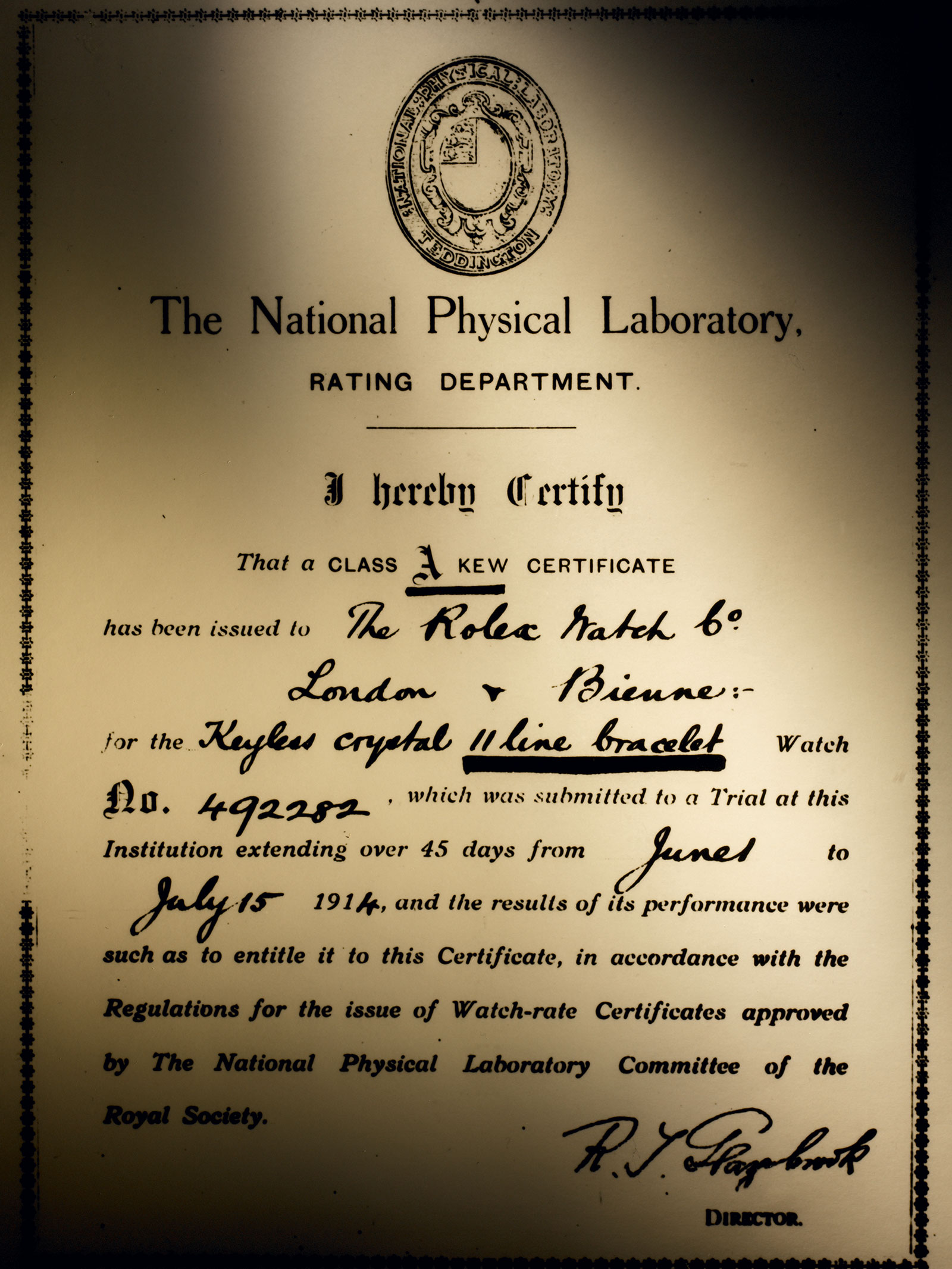
The journey towards formal, standardized chronometer certifications took a significant step forward with the establishment of the Kew Observatory in 1884. This institution introduced a rigorous 45-day testing period, evaluating movements in five different positions and under three temperature conditions: extreme heat, extreme cold, and ambient. The most accurate movements were awarded an "A" certificate, with "B" and "C" certificates also issued. Initially, these certifications were primarily awarded to pocket watches. However, in 1914, a Rolex ladies’ model achieved the distinction of being the first wristwatch to receive an "A" certificate, meeting the stringent marine chronometer standards.
As various European observatories began to collaborate on testing and verifying watches, movements that met strict accuracy requirements were awarded a certificate known as the Bulletin de Marche. This document, signed by the observatory’s director, was essentially equivalent to a modern COSC certification. Watches bearing this certificate were recognized as "Observatory Chronometers" and were assigned formal reference numbers. The testing protocols, largely based on the Kew Observatory’s original framework, involved testing in five positions and at two temperatures (plus ambient), typically over 45 days, with tolerances often stricter than those applied in contemporary testing.
The Kew Observatory itself, originally established in 1769 as a private celestial observatory for King George III, evolved into a prominent public scientific institution. By the 1850s, its scope expanded beyond astronomy and atmospheric studies to include the testing of barometers, thermometers, watches, and sextants for accuracy. Instruments earning Kew Certificates were recognized as hallmarks of excellence. In 1912, watch testing operations were transferred to the nearby National Physical Laboratory in Teddington, which continued the rigorous testing under the "Kew-Teddington" designation. The observatory’s watch testing operations ceased in 1980.
European Observatories and the Quest for Pan-European Standards
Throughout Europe, government-backed astronomical observatories emerged for a multitude of reasons, including astronomical and scientific research, local timekeeping, and national prestige. Their expertise in accurately determining time through celestial observations made them natural candidates for regulating master clocks and conducting rigorous time trials for watches. As noted, these institutions issued Bulletin de Marche certificates and verified the accuracy of marine chronometers, crucial for maritime navigation. By the mid-19th century, they began transmitting official time signals via telegraph to railways and other industries, and maintained public clocks for their communities. While each observatory conducted its own time trials, increasing cooperation led to the development of standardized testing methods, ensuring consistency across borders and bolstering confidence in the Bulletin de Marche certificates.

Neuchâtel Observatory: A Swiss Pillar of Precision
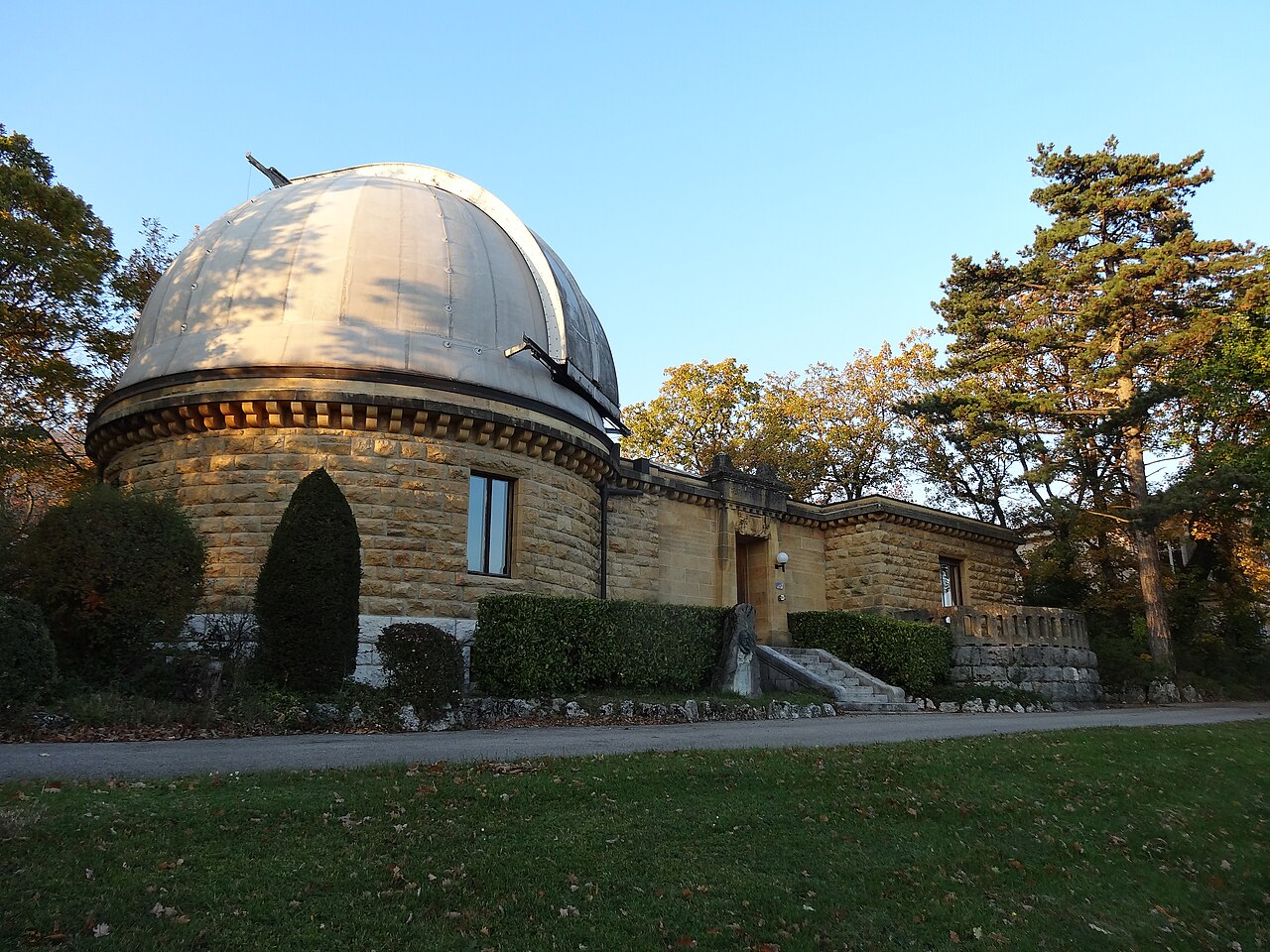
Established in 1858 in Neuchâtel, Switzerland, the Observatoire Astronomique et Chronométrique de Neuchâtel (Neuchâtel Astronomical and Chronometric Observatory) was founded by the Public Economy Department of the Canton of Neuchâtel specifically to serve the burgeoning Swiss watch industry. While the observatory collaborated with its European counterparts on Bulletin de Marche certificates, it initially confined its own testing exclusively to Swiss watches. This changed in 1959 when global entries were permitted. This liberalization, however, proved to be a double-edged sword. Japanese manufacturer Seiko began to dominate accuracy tests and competitions, clearly surpassing Swiss watchmakers. Following unsuccessful attempts by Swiss brands to ban foreign competitors, the Swiss watch industry ultimately boycotted the observatory, leading to the collapse of its competitions by the early 1970s.
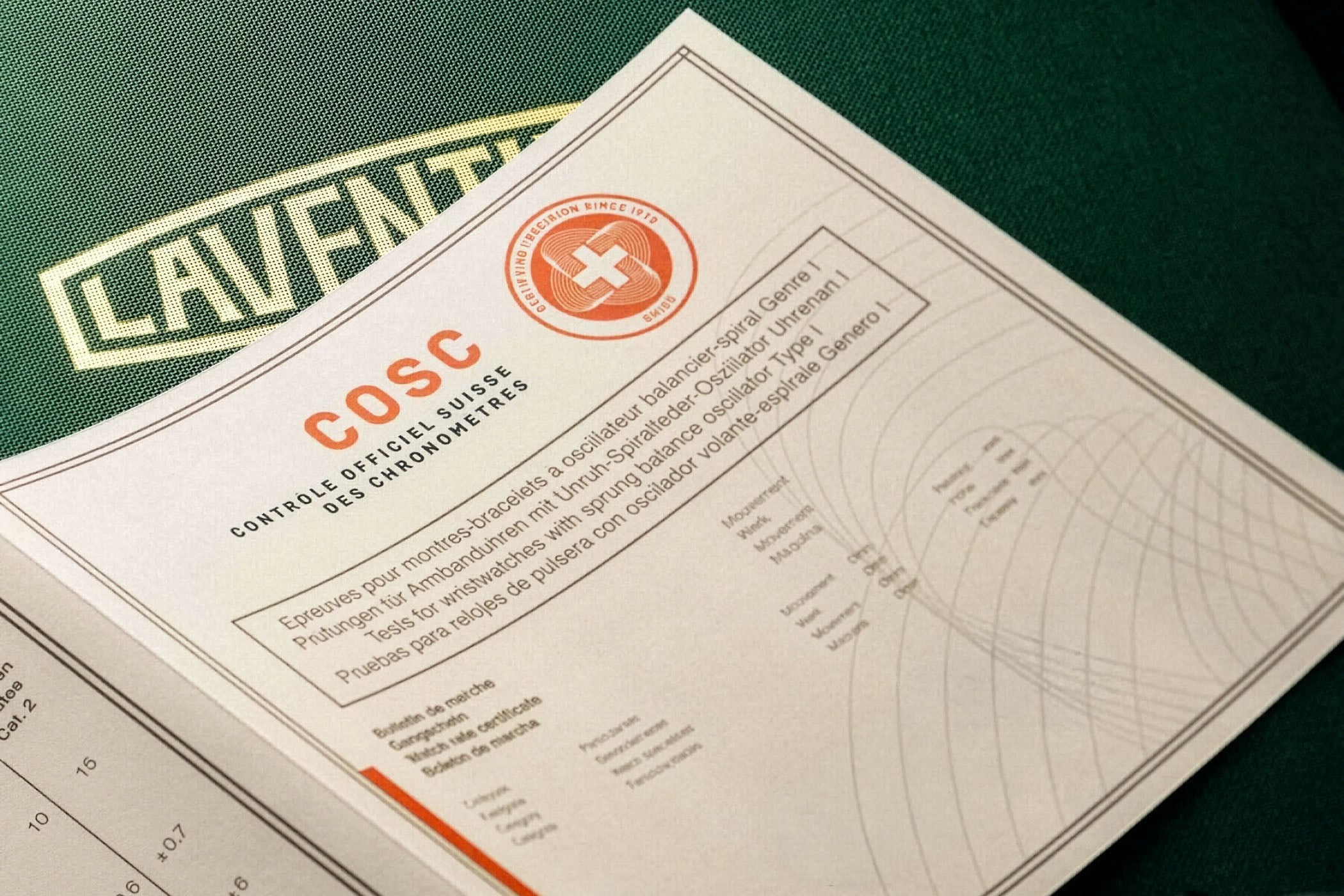
The advent of the Quartz Crisis in the 1970s and 1980s, coupled with the decline of centralized Swiss observatory testing, created an urgent need for a trusted testing entity that avoided the pitfalls of hyper-competition. In 1973, five Swiss cantons – Neuchâtel, Bern, Geneva, Solothurn, and Vaud – collaborated with the Federation of the Swiss Watch Industry to establish COSC (Contrôle Officiel Suisse des Chronomètres), the Official Swiss Chronometer Testing Institute. The testing methods and standards developed by European observatories significantly influenced COSC’s certification process, which today remains the benchmark for industrial-scale chronometer certifications.

Geneva Astronomical Observatory: A Historical Hub of Horological Advancement
Founded in 1772 by astronomer Jacques-André Mallet, the Geneva Astronomical Observatory initially focused on maintaining precise mean time through celestial observations to support Geneva’s rapidly growing watchmaking industry. Precision trials began as early as 1816 under the auspices of the Société des Arts, with more formal chronometry competitions commencing in 1872 and continuing until 1968. The observatory’s original site was decommissioned in the late 1960s, and its facilities were relocated to the Sauverny forest in Versoix, where they were integrated with an EPFL astrophysics laboratory. In more recent times, astronomy has taken center stage, with Geneva astronomers contributing to groundbreaking discoveries, including the identification of the first exoplanet orbiting a Sun-like star, earning them a share of the 2019 Nobel Prize in Physics. During the 19th century, the Geneva Astronomical Observatory was among the key institutions in Switzerland issuing Bulletin de Marche certificates.
Besançon Astronomical Observatory: A French Counterpart to Swiss Dominance
Established in 1884 by the French Ministry of Public Education, the Besançon Astronomical Observatory was conceived, in part, to counter the increasing Swiss dominance in horology within the region. It began offering chronometer certifications shortly after its inauguration in 1885. As France’s sole official observatory, it actively cooperated with other European observatories and issued Bulletin de Marche certificates for Observatory Chronometers. In 1897, the observatory introduced a distinctive hallmark: a Viper’s Head (Tête de Vipère) stamped on movements that successfully passed its rigorous 45-day testing period, a mark of quality that endures to this day. Chronometer certifications ceased in the early 1970s with the rise of quartz watches and the subsequent Quartz Crisis, and the observatory shifted its focus to astrophysics. In 2002, chronometer certifications were revived for complete watches with fully encased movements, employing 16-day testing periods under ISO 3159 criteria, aligning with COSC guidelines and demanding an accuracy of -4/+6 seconds per day. Both cases and movements are stamped with the traditional Viper’s Head to signify certification from the observatory.

The Geneva Seal and TIMELAB: A Legacy of Excellence
The Poinçon de Genève, or Geneva Seal, was established by law in 1886 by the parliament of Geneva as a protective certification against counterfeiters operating outside the canton. It stands as the oldest government-sponsored certification in watchmaking and has since become one of the most revered "stamps of approval" in the industry. With criteria finalized in 1891, the Seal mandated that movements must be assembled, adjusted, and regulated within the Canton of Geneva, and that their design and finishing must meet exceptionally high standards. Certified movements were marked with the Geneva coat of arms, and testing was conducted at the Geneva School of Horology, which assumed full control of the process in 1955.
In 2008, the Poinçon de Genève commission transitioned from the school to the TIMELAB Foundation (Geneva Laboratory of Horology and Microtechnology), which also oversees the Geneva Chronometric Observatory. TIMELAB not only manages the Geneva Seal but also certifies chronometers based on ISO 3159 and can conduct on-site certifications at watchmakers’ facilities, subject to stringent audits to ensure impartiality. TIMELAB also offers an enhanced chronometer certification known as OC+ (Observatoire Chronométrique+), which incorporates testing for anti-magnetism, water resistance, and power reserve, with watches continuously rotated during 24-hour periods to simulate daily wear. It is crucial to note that OC+ is distinct from the Geneva Seal, operating as a separate certification.

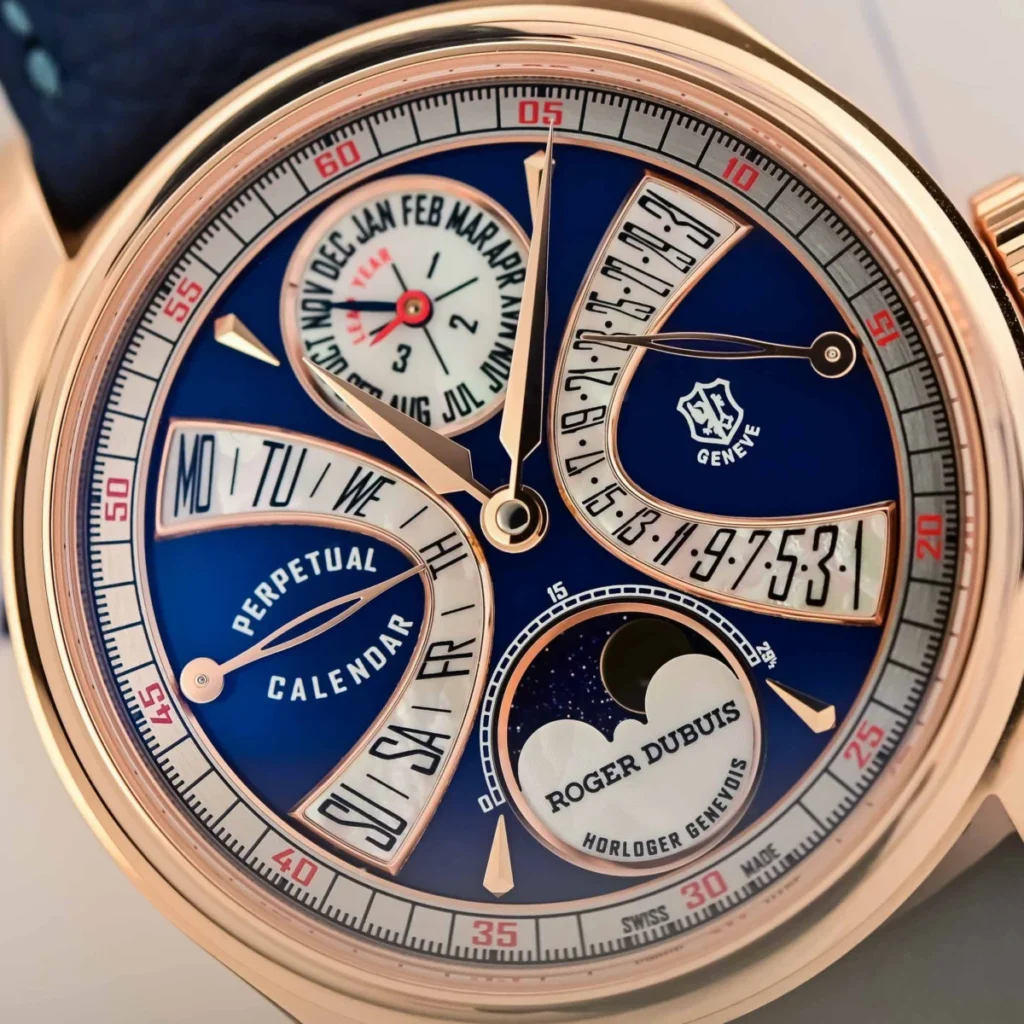
Modern requirements for the Geneva Seal mandate the assembly, adjustment, and casing of watches within the Canton of Geneva, with no exceptions. Watchmakers must also be registered in Geneva. Quartz movements are not eligible for this certification. The 12 traditional criteria of the Geneva Seal emphasize flawless finishing and overall craftsmanship. For instance, screw heads must be polished or circular-grained, with beveled rims and slots. Steel parts require polished chamfers, and ruby jewels must have polished fittings on the going train and escapement. Wire springs are prohibited, and specific rules govern click springs and regulators. Strict guidelines also apply to the thickness of wheels and escapements, as well as jewel counts. Only the most prestigious, high-end brands receive the Geneva Seal, and the number of certified watches remains limited due to the strict criteria and geographical restrictions. Brands such as Vacheron Constantin, Roger Dubuis, Cartier, and Chopard are among the exclusive group of active Geneva Seal recipients. Patek Philippe, after more than a century of participation, withdrew in 2009 to implement its own stringent in-house certification, the Patek Philippe Seal. While Rolex is based in Geneva, it has never participated in the Geneva Seal process, as some of its production occurs outside Geneva in Biel/Bienne. However, Rolex has established its own Superlative Chronometer certification, boasting an accuracy of +/- 2 seconds per day, complemented by strict internal finishing and performance guidelines.
In 2012, the Geneva Seal underwent its most significant revisions since 1955, expanding its scope from evaluating only the movement to encompassing the entire cased watch, with added performance requirements. Water resistance and power reserve testing were introduced, alongside a seven-day accuracy test incorporating wrist movement simulation and comprehensive testing of all complications and functions. Finishing standards were further refined, demanding polished chamfers on all plates and the complete elimination of any tooling marks. Despite its geographical limitation to Geneva and a select group of participating brands, the Geneva Seal arguably remains the most prestigious quality stamp in haute horlogerie.
COSC and the Unification of Swiss Testing
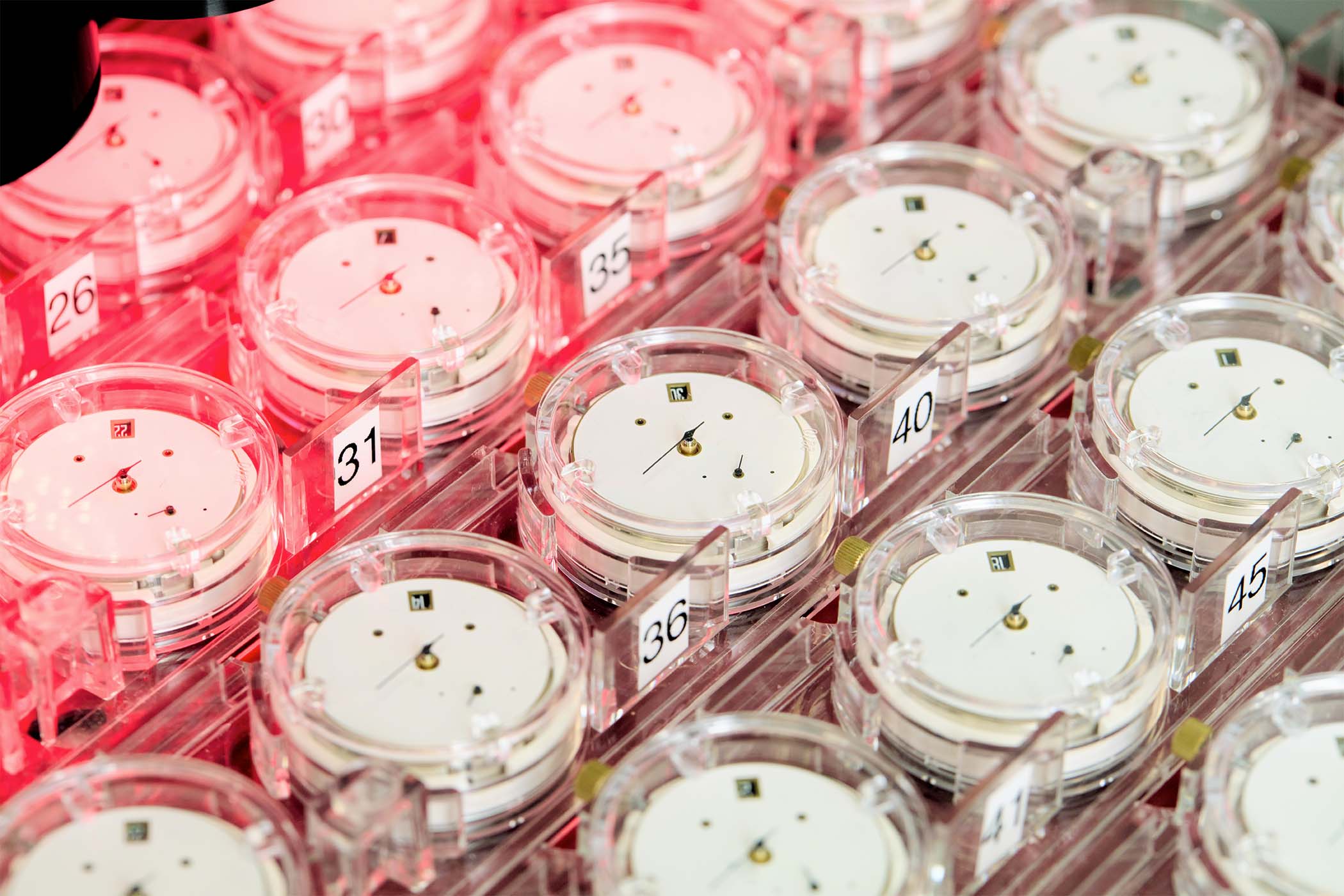
Looking towards the 20th century, official Swiss watch rating and testing centers, historically linked to observatories, continued to independently test and certify watch movements via Bulletin de Marche certificates. While they operated with common standards, they were not unified. In 1973, these independent regional bureaus, known as Bureaux Officiels de Contrôle de la marche des montres, unified to form COSC (Contrôle Officiel Suisse des Chronomètres). This consolidation centralized Swiss testing, establishing the organization that is now the global benchmark for chronometer certification.
COSC and ISO 3159: The Global Standard for Chronometry
Established in La Chaux-de-Fonds, Switzerland, in 1973, COSC was founded by five watchmaking cantons – Geneva, Bern, Neuchâtel, Solothurn, and Vaud – in collaboration with the Federation of the Swiss Watch Industry (FHS). Its mission was to create a neutral, independent, and non-profit testing organization to certify Swiss movements. A significant impetus for COSC’s formation was the Quartz Crisis, which galvanized Switzerland to reinforce the high standards of traditional mechanical watchmaking. Although COSC today certifies a small percentage of quartz movements, its primary focus remains on mechanical timepieces.

In 1976, the International Organization for Standardization (ISO) developed ISO 3159, which established a global standard and baseline for testing certified chronometers. This standard forms the core methodology for COSC’s certifications. While the ISO 3159 standard was updated in 2009 with minor technical modifications, its fundamental guidelines from 1976 remained intact. Terminology was modernized, and practices were refined to better align with evolving manufacturing methods. A significant development occurred in 2026, coinciding with COSC’s 50th anniversary: the introduction of the "Excellence Chronometer Certified" designation.
Excellence Chronometer Certified: A Higher Tier of Precision
This advanced, optional certification elevates the testing protocols beyond the established 2009 methods, which primarily tested uncased movements. Under the Excellence Chronometer Certified program, both movements and fully assembled watches are subjected to significantly higher standards, including tighter accuracy parameters. While the core COSC requirement allows for a deviation of -4/+6 seconds per day, an Excellence Chronometer Certified watch must achieve an accuracy of -2/+4 seconds per day. Position testing is now conducted using dynamic simulations on robotic wrists to replicate real-world conditions more accurately. Furthermore, magnetic resistance is tested up to 200 gauss, and power reserve claims are verified on cased watches. This higher certification does not supersede ISO 3159, which continues to serve as the testing standard for the majority of chronometers. However, it ensures COSC remains competitive with newer, more demanding standards like METAS.

METAS and the Master Chronometer Standard
Introduced in 2014 by Omega in collaboration with METAS (the Swiss Federal Institute of Metrology), this independent, third-party testing system imposes stricter requirements than COSC, even surpassing the new Excellence Chronometer Certified standard. Watches undergo a ten-day testing period with their movements fully encased, and must demonstrate significantly higher magnetic resistance, up to 15,000 Gauss, with accuracy tightened to 0/+5 seconds per day. Water resistance and power reserve verification are also integrated into the testing process. While METAS is an independent agency, watches must meet certain eligibility criteria to undergo its certification: they must be Swiss-made and, crucially, must have already achieved COSC certification.
The ten-day testing regimen includes evaluations in six positions and at two temperatures (33°C and 23°C). Potential issues with condensation are also meticulously checked. This involves applying cold water to the crystal after water resistance verification, followed by heating the watch to up to 50°C. Omega’s Globemaster, launched in 2015, was the first watch to receive the METAS Master Chronometer certification. Despite its origins with Omega, METAS certifications are open to all Swiss watches that have already obtained COSC certification. Tudor followed Omega’s lead in 2021, becoming the second major brand to adopt METAS certifications, initially with its Black Bay Ceramic model featuring the calibre MT5602-1U. The brand has since expanded its METAS-certified portfolio to include Black Bay and Pelagos models, with testing conducted at its own facility in Le Locle, Switzerland.

Quality Fleurier: A Boutique Standard of Excellence
The Qualité Fleurier (Fleurier Quality Foundation) represents a less common, though highly respected, certification established in 2001 by four founding brands: Chopard, Parmigiani Fleurier, Vaucher, and Bovet. While its use is limited today, it remains technically open to brands within the EU outside of its founding members. Certifications commenced in 2004 and are backed by the Swiss government, lending them significant legitimacy. Similar to METAS, watches must be Swiss-made (specifically, 100% Swiss-manufactured) and already COSC-certified. A strong emphasis is placed on a high degree of finishing, akin to the Geneva Seal. Currently, only Chopard utilizes Qualité Fleurier certifications, while also continuing to submit watches for the Geneva Seal. Movements must meet strict haute horlogerie hand-finishing standards and undergo Chronofiable tests, which simulate movement aging due to wear and shocks. Accuracy must be maintained at 0/+5 seconds per day across multiple positions, tested using a wrist simulator.
Chronofiable: Testing the Durability of Time
Established in the late 1970s by the Federation of the Swiss Watch Industry (FH), Chronofiable is now operated by Laboratoire Dubois in La Chaux-de-Fonds, Switzerland, since 1985. Initially, it involved monitoring between 1,000 and 2,000 watches worn by actual individuals to assess wear and potential breakdowns over time. This data informed the development of a testing process that simulates long-term wear within a compressed timeframe, leading to the establishment of the Swiss Watch Industry Reliability Test Centre (CCF SA). Chronofiable has thus become an official, trademarked process for evaluating durability and aging. It involves a 21-day period designed to simulate six months of hard wear, including 20,000 small shocks and accelerations up to 550g. Testing temperatures range from -10°C to 60°C, with humidity levels reaching up to 85%. All functions, including crowns and pushers, are repeatedly manipulated to detect potential wear or faults, and water resistance and magnetism are also tested. As this process is designed to potentially push components to their failure point, brands often submit up to 20 pieces to validate new movements and/or cases. Chronofiable is sometimes integrated into broader certifications like Qualité Fleurier, and participating brands include Chopard, Richard Mille, Bovet, and Parmigiani Fleurier.

American and German Precision: HSNY and Wempe Chronometerwerke
While the heart of chronometer certification lies in Switzerland and Europe, other regions also contribute to the pursuit of horological excellence. The Horological Society of New York (HSNY) offers an American chronometer certification, open to all eligible watchmakers since 2021. HSNY eschews technological testing, focusing instead on purely visual assessments over a 15-day period for new, fully assembled watches. While its accuracy standards are comparable to ISO 3159 and COSC, its testing protocols are more comprehensive, incorporating a greater number of temperatures and positions. Certified watches receive an HSNY certificate, similar in principle to COSC. The society, founded in 1866 as the Deutscher Uhrmacher Verein (German Watchmakers’ Society) by German immigrants, was renamed the Horological Society of New York in 1930. It stands as the oldest continuously operating watchmakers’ guild in America and functions today as a nonprofit organization dedicated to horological education and historic preservation. The Habring² x Massena LAB ERWIN LAB03, a limited edition Austrian watch featuring a guilloché dial by American watchmaker J.N. Shapiro, was the first to receive an HSNY chronometer seal stamped on its movement. Though open to global watchmakers, HSNY certifications remain a relatively rare distinction.
In Germany, Wempe, a luxury watchmaker and jeweler since 1878, acquired Hamburger Chronometerwerke in 1938. This company, established in 1905, was instrumental in producing marine chronometers to reduce Germany’s reliance on English counterparts. Renamed Wempe Chronometerwerke, it continues to produce marine chronometers utilized by cruise ships and German research vessels. The company also acquired and restored the Glashütte Observatory in 2005, which reopened the following year as Germany’s sole chronometer testing institute. Originally founded in 1910, its operations ceased following World War II. In collaboration with state calibration authorities, the observatory adheres to DIN 8319, the German chronometer certification standard, which is akin to ISO 3159. This standard mandates testing of fully assembled watches over 15 days. All certified watches must feature hacking seconds for precise testing, evaluated in five positions (identical to COSC) and three temperatures (8°C, 23°C, and 38°C). The accuracy requirement mirrors COSC at -4/+6 seconds per day. However, similar to the Geneva Seal, certifications are region-specific, requiring watches to be assembled in Glashütte, Germany, with at least 55% of movement parts produced locally. Brands certified under DIN 8319 include Tutima, Glashütte Original, and Wempe.

The Patek Philippe Seal: An In-House Benchmark of Ultimate Precision
In 2009, Patek Philippe established its own stringent in-house parameters, designed to surpass the already demanding standards of the Geneva Seal, a certification the brand had adhered to since 1886 until its withdrawal in 2008. The Patek Philippe Seal certifies the entire watch, extending its scrutiny beyond the movement to include bracelets. The accuracy standards are notably tighter than those of COSC and ISO 3159, with a requirement of -3/+2 seconds per day. The finishing standards are certified to the highest levels of haute horlogerie, potentially exceeding those of the Geneva Seal. Furthermore, for minute repeaters, specialized acoustic testing is conducted, a process not undertaken for the Geneva Seal. The Patek Philippe certification stamp features a double "PP" emblem encased within a shield and is exclusively reserved for the brand’s own timepieces. Primarily, most movements must meet the -3/+2 seconds per day accuracy requirement, although more specialized movements featuring a tourbillon, Spiromax silicon balance spring, or overcoil are held to an even stricter -1/+2 seconds per day. Movements exceeding 20mm in diameter may have slightly relaxed tolerances, falling to -5/+4 seconds per day. Water resistance is tested to 30 meters, and acoustic testing for repeaters is personally approved by the company’s president, with acoustic signatures subsequently archived.
Omega’s Laboratoire de Précision: Broadening Access to High Standards
Omega established an independent Swiss certification institute, accredited by the Swiss Accreditation Service (SAS), with facilities located in Bienne and Villeret. This official ISO/IEC 17025:2017 testing laboratory operates based on ISO 3159, but introduces a significant advancement with its Dual Metric Technology. This system employs continuous acoustic measurement to track a movement’s beat rate throughout the entire 15-day testing period. This innovative approach allows for the Master Chronometer certification of two-hand watches without a seconds hand, such as those in the OMEGA Constellation Observatory collection. Although established by Omega and the Swatch Group more broadly, the testing laboratory is open to other watchmakers seeking certification.

Rolex Superlative Chronometer: A Hallmark of Enduring Accuracy
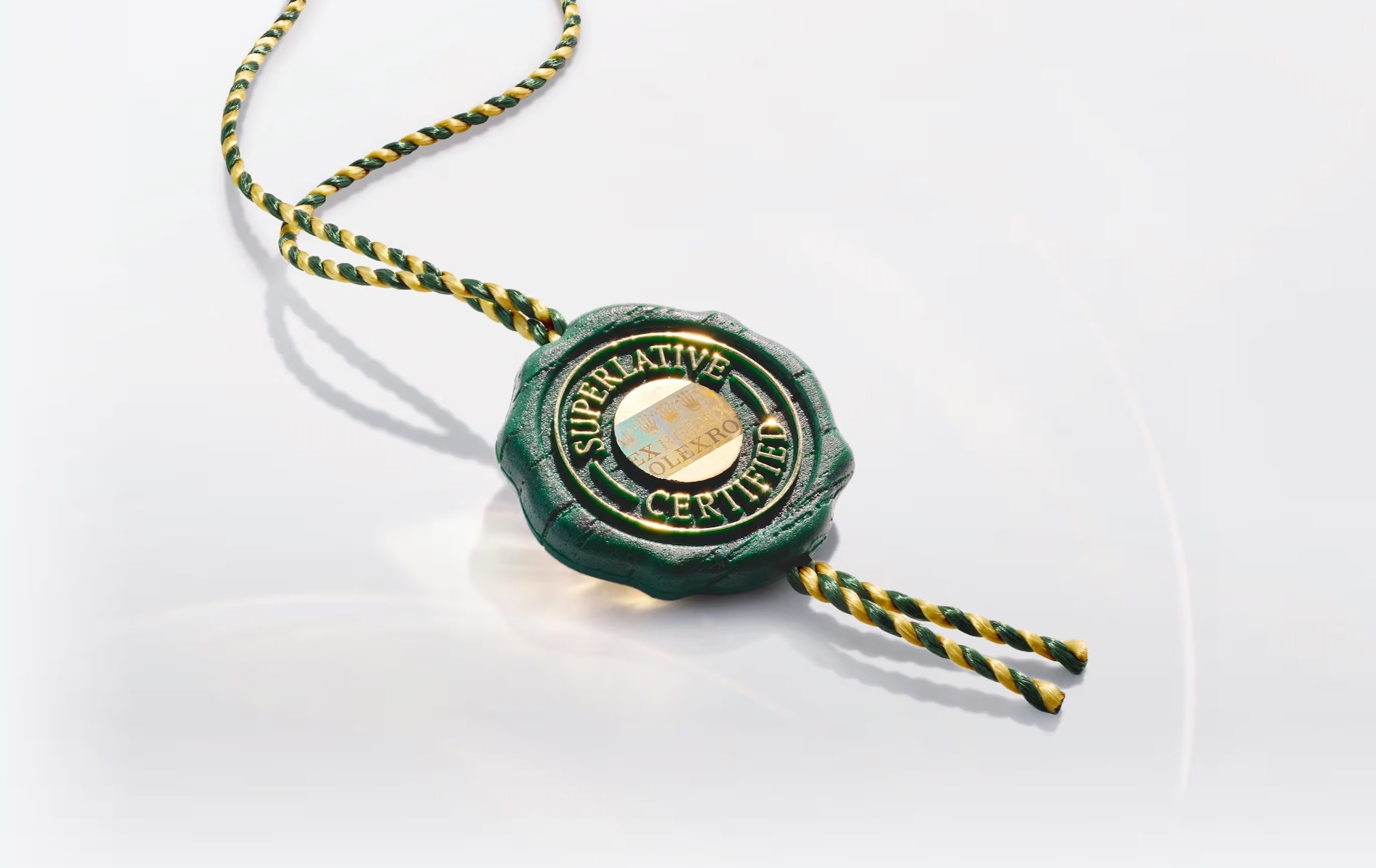
Rolex introduced its in-house certification in 2015, establishing a standard that surpasses COSC, although all movements must first achieve COSC certification. Rigorous testing of the fully cased watch follows COSC procedures, with movements required to maintain an accuracy of +/- 2 seconds per day, significantly tighter than the COSC requirement of -4/+6 seconds per day. Additional tests include assessments for anti-magnetism, water resistance, and power reserve. Rolex Superlative Chronometers are distinguished by a green seal attached to the watch’s bracelet via a lanyard, intended to be kept with the original box. This exclusive seal is applied to all current Rolex watches. In 2026, Rolex further enhanced its certification by adding three new criteria: resistance to magnetism, reliability, and durability.
Jaeger-LeCoultre High Precision Guarantee (HPG): A Holistic Approach
Jaeger-LeCoultre’s most recent in-house certification, the High Precision Guarantee (HPG), debuted at Watches and Wonders 2026, building upon internal testing protocols that began in 1970. This comprehensive certification subjects fully cased watches to the "Four Element Protocol," a week-long simulation of stringent wear condensed into a three-day period. This protocol rigorously tests shock resistance (from 25G to 50G), altitude (up to 1,004 meters), temperatures (18°C to 35°C), and multiple positions. Similar to Rolex, all watches must first obtain COSC certification, and they receive the HPG hallmark alongside the COSC certificate. Mirroring the meticulous standards of Patek Philippe and the Geneva Seal, finishing is a critical component of the HPG certification, guaranteeing at least eight haute horlogerie-level finishing techniques, including Côtes de Genève, beveling, polished screws, circular graining, burnishing, circular smoothing, linear smoothing, and sinked rubies. Currently, certifications are primarily focused on the brand’s Master Control Chronometre collection.

Montblanc Laboratory Test 500 Hours: A Comprehensive Internal Standard
Implemented in 2013, the "500 Hours Laboratory Test" is a certification applied to every Montblanc watch sold today. Conducted at the brand’s facility in Le Loche, this rigorous five-step process simulates a full year of wear within a 500-hour timeframe, hence its name. The testing encompasses automatic winding efficiency, accuracy, the functionality of all complications (such as chronographs), performance across multiple positions, heavy rotational stress, water resistance, and temperature fluctuations. The accuracy standards align with those of ISO 3159 and COSC. The five distinct steps include: an initial four hours dedicated to winding efficiency and overall assembly quality; 80 hours for accuracy and stability tests in various positions; 336 hours for testing crown usage and mechanical functions, including complications like chronographs, moon phases, and calendars; an additional 80 hours for general performance evaluation; and a final two hours dedicated to water resistance testing. This exhaustive certification remains exclusive to Montblanc timepieces.
Grand Seiko Standard: A Japanese Pursuit of Superior Accuracy
Originating in Japan, the Grand Seiko Standard, first established in 1966, was conceived to rival and ultimately surpass Swiss chronometer standards, predating the formation of COSC. The accuracy requirement is tighter than COSC, set at -3/+5 seconds per day, with testing durations of 17 days for standard watches and 20 days for chronographs. Performance and accuracy are evaluated across six positions and three temperature settings (8°C, 23°C, and 38°C). Similar to COSC’s Excellence Chronometer Certified, the Grand Seiko Standard features an enhanced tier known as the Grand Seiko "Special" Standard, indicated by the word "SPECIAL" on the dial, which further tightens the accuracy to -2/+4 seconds per day. These certifications are exclusively applicable to mechanical watches and do not extend to Spring Drive or quartz models.

Conclusion: A Constellation of Quality Assurance
The journey from rudimentary timekeeping to the hyper-accurate chronometers of today is a testament to human ingenuity and the relentless pursuit of precision. The landscape of chronometer certifications and quality seals is vast and intricate, reflecting a rich history of innovation, scientific discovery, and industry-wide collaboration. While independent third-party certifications like COSC and the Geneva Seal provide a universal benchmark, in-house certifications, such as the Patek Philippe Seal or Rolex’s Superlative Chronometer standard, offer brands the opportunity to define their own unparalleled levels of quality and performance.
The distinctions between independent and in-house certifications can sometimes blur. For instance, Omega’s Laboratoire de Précision, while established by Omega, is open to global watchmakers, whereas the Geneva Seal and Wempe Chronometerwerke are geographically restricted. Although exclusive in-house certifications are significant and often set the most stringent benchmarks, third-party certifications play a vital role in validating accuracy, performance, and finishing across the industry. They establish common standards, such as ISO 3159 or DIN 8319, which remove ambiguity and foster trust. As demonstrated throughout the 20th century and continuing today, these universally recognized standards are indispensable for ensuring both quality control and consumer confidence on a global scale.
The following comparative table provides a snapshot of the key criteria assessed by various prominent chronometer certification bodies, illustrating the diverse yet interconnected pathways to achieving horological excellence:
| Certification Body | Key Testing Criteria | Typical Accuracy (s/day) | Positions Tested | Temperatures (°C) | Other Notable Aspects |
|---|---|---|---|---|---|
| COSC | Accuracy, stability, rate variation in different positions and temperatures. Tests uncased movements. | -4 / +6 | 5 | 3 (8, 23, 33) | Standard for mechanical and quartz movements. Established in 1973. |
| Excellence Chronometer Certified | Enhanced accuracy, dynamic position testing, magnetic resistance, power reserve verification on cased watches. | -2 / +4 | Dynamic | N/A | Optional higher tier for COSC, introduced in 2026. Tests fully assembled watches. |
| Geneva Seal | Strict finishing standards, assembly, adjustment, and regulation within Canton of Geneva. Criteria finalized in 1891, updated in 2012. | Varies (not primary focus) | N/A | N/A | Focus on craftsmanship and aesthetic quality. Does not include mechanical performance testing like accuracy or water resistance. |
| METAS Master Chronometer | Accuracy, magnetic resistance (15,000 Gauss), water resistance, power reserve. Tests fully cased watches for 10 days. | 0 / +5 | 6 | 2 (23, 33) | Independent, third-party testing. Requires prior COSC certification. Introduced in 2014. |
| Qualité Fleurier | Accuracy, finishing standards, Chronofiable tests (simulated aging and wear). Requires COSC certification. | 0 / +5 | Multiple | N/A | Established in 2001. Focus on high-end finishing and durability. |
| Chronofiable | Simulates 6 months of wear in 21 days, including shocks, accelerations, temperature, humidity, and function manipulation. | N/A | N/A | -10 to +60 | Primarily a durability and aging test, often integrated into other certifications. |
| HSNY Chronometer | Visual inspection, accuracy standards comparable to ISO 3159, extended testing in temperatures and positions. Tests fully assembled watches. | -4 / +6 (ISO 3159) | More than 5 | More than 3 | American certification established in 2021. Focus on visual assessment and rigorous testing. |
| Wempe Chronometerwerke (DIN 8319) | Accuracy, hacking seconds, tests in positions and temperatures. Requires assembly in Glashütte and local parts percentage. | -4 / +6 | 5 | 3 (8, 23, 38) | German certification, similar to ISO 3159. Strict regional requirements. |
| Patek Philippe Seal | Accuracy (-3/+2 s/day, stricter for specific complications), haute horlogerie finishing, acoustic testing for repeaters, water resistance. | -3 / +2 (standard) | N/A | N/A | In-house certification, introduced in 2009. Certifies the entire watch, including bracelets. |
| Omega Laboratoire de Précision | Accuracy, magnetic resistance, water resistance, power reserve, Dual Metric Technology (acoustic measurement). ISO 3159 based. | Varies (often -0/+5) | N/A | N/A | Independent testing lab open to other brands. Introduced advanced acoustic measurement. |
| Rolex Superlative Chronometer | Accuracy (+/- 2 s/day), anti-magnetism, water resistance, power reserve, reliability, durability. Tests fully cased watches. | +/- 2 | N/A | N/A | In-house certification, introduced in 2015. Requires prior COSC certification. Enhanced in 2026. |