The global pursuit of a decarbonized economy has placed immense focus on hydrogen, often hailed as "the fuel of the future." Its potential is twofold: when combusted or utilized in fuel cells, it generates storable energy with zero carbon emissions, producing only water. Furthermore, it offers a viable substitute for fossil fuels and a critical chemical feedstock in industries notoriously difficult to decarbonize, such as steel and cement manufacturing. However, unlocking hydrogen’s full potential hinges on overcoming significant hurdles, chief among them the development of cost-effective, low-carbon production methods and, crucially, efficient means of transportation and storage.
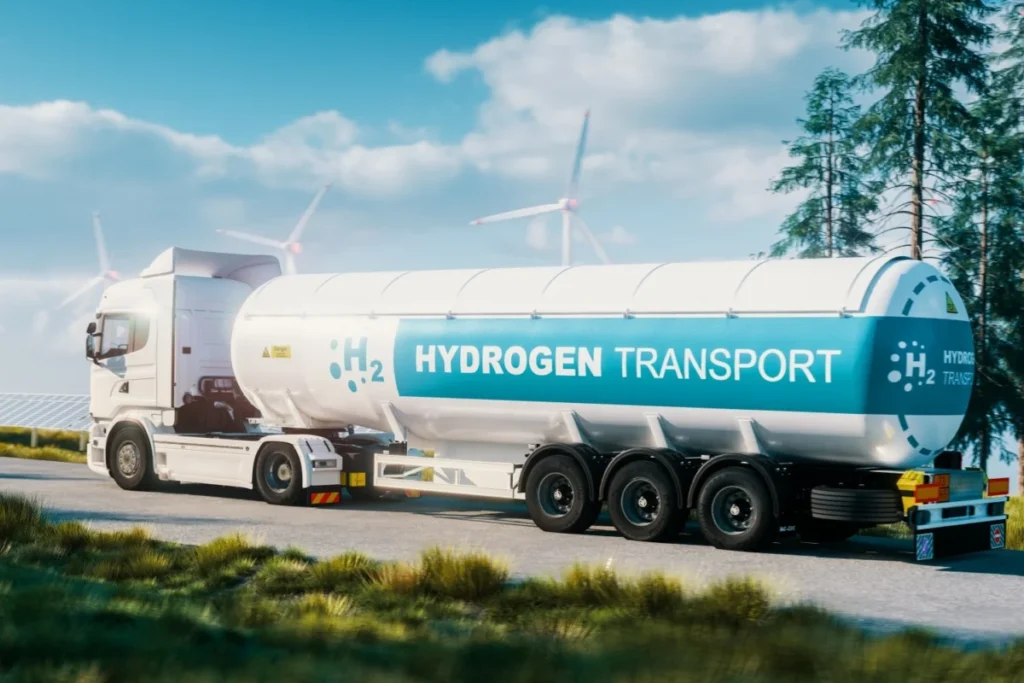
A team spearheaded by researchers at the MIT Energy Initiative (MITEI), in collaboration with ExxonMobil Technology and Engineering Co., has dedicated itself to addressing the latter, less-discussed yet fundamentally important challenge. The inherent properties of hydrogen—its status as the lightest gas and its low volumetric energy density—pose significant logistical difficulties. Producing pure hydrogen is often geographically distant from its points of consumption, necessitating long-haul transport. This requires not only robust containment to prevent the escape of its minute molecules but also efficient methods to move large volumes of the gas, or its converted forms, across vast distances. The ease of transporting liquid fuels like gasoline stands in stark contrast to the complexities inherent in hydrogen logistics, a disparity that threatens to impede its widespread adoption as a clean energy solution.
Addressing the Transportation and Storage Bottleneck
The imperative to efficiently move hydrogen from production sites to end-users has been a focal point for MITEI researchers. Recognizing that no single transportation strategy is universally optimal, the team, with funding from ExxonMobil through MITEI in 2024, embarked on an extensive examination of various hydrogen transport methodologies. Their findings, detailed in a recent publication in the journal Fuel, underscore the localized nature of optimal solutions. The cost and carbon footprint associated with transporting hydrogen are highly dependent on geographical factors, existing infrastructure, and regional energy prices. Consequently, instead of presenting a singular "best" outcome, the researchers have developed an adaptive tool designed to empower users to navigate these complexities and select the most suitable approach for their specific use cases.
The study’s lead authors, former MITEI postdocs Gasim Ibrahim (now an R&D engineer/scientist at Honeywell) and Guiyan Zang (now an associate professor at Washington State University), alongside other MIT co-authors, recognized a critical gap in existing research. "There hasn’t been a lot of attention paid to addressing those questions," Ibrahim stated, referring to the economic and environmental implications of large-scale hydrogen transport. While some prior studies existed, their conclusions were often inconsistent, and significant uncertainties remained due to the variability of regional factors and the nascent stage of large-scale hydrogen logistics.
The Hydrogen Carrier Analysis Tool (HyCAT)
To bridge this knowledge gap, the MITEI team developed the Hydrogen Carrier Analysis Tool (HyCAT). This sophisticated, open-source platform focuses exclusively on the transportation and storage phases of the hydrogen supply chain, deliberately excluding the complexities of hydrogen production and end-use application. HyCAT aims to quantify the costs and greenhouse gas (GHG) emissions associated with moving hydrogen from its origin to its destination.
The tool’s design emphasizes user-friendliness and adaptability. A graphical user interface facilitates the input of various assumptions through intuitive drop-down menus. The resulting analyses are presented in clear bar charts, with accompanying tables providing detailed breakdowns of the data. Ibrahim explained that while HyCAT operates within a defined boundary—"incoming hydrogen to outgoing hydrogen"—users can incorporate specific local data, such as the carbon intensity and cost of the incoming hydrogen, to refine the analysis. This feature is crucial in explaining why the optimal transportation method can vary significantly from one region to another.
HyCAT meticulously calculates costs and GHG emissions across five key stages of the hydrogen supply chain:
- Liquefaction/Conversion: The process of transforming gaseous hydrogen into a transportable liquid or chemical carrier.
- Storage: Maintaining the hydrogen or its carrier in a stable state for transport.
- Transportation: Moving the hydrogen or carrier via various modes (e.g., shipping, pipelines).
- Regasification/Release: Converting the carrier back into pure hydrogen gas at the destination.
- On-site Storage: Storing the pure hydrogen at the point of use.
Exploring Hydrogen’s Liquid Cousins: Carriers and Their Trade-offs
A pivotal decision in any hydrogen transportation strategy revolves around converting gaseous hydrogen into a liquid form suitable for transport and then efficiently recovering it at the destination.
Direct Liquefaction: One direct approach involves cooling hydrogen gas to extremely low temperatures to achieve liquefaction. However, this process is energy-intensive, requiring approximately one-third of the hydrogen’s energy content for the liquefaction itself. Furthermore, maintaining the liquid state during storage and transit necessitates highly insulated vessels to prevent re-gasification and loss of hydrogen. A key advantage of this method, however, is that it does not involve chemical reactions.
Hydrogen Carriers: An alternative strategy employs "hydrogen carriers"—liquid chemical compounds that can absorb hydrogen atoms under specific conditions and release them under others. This approach involves two chemical reactions: one to bind hydrogen to the carrier at the production site and another to release it at the delivery point. The MITEI researchers examined three prominent carrier compounds in their demonstration runs, each with distinct advantages and disadvantages:
-
Toluene-based Carriers: This method involves adding hydrogen to toluene, a chemical typically derived from the oil and gas industry. While the specific reaction kinetics for hydrogen absorption in toluene are still under investigation, a significant drawback is the relatively high carbon intensity of toluene itself, which impacts the overall carbon footprint of the delivered hydrogen. Additionally, some loss of toluene over time necessitates replenishment, adding to operational costs.
-
Synthetic Methane: Produced by reacting hydrogen with carbon dioxide (CO2), synthetic methane offers a potential benefit: it consumes CO2, which can be captured from the atmosphere. This process, known for some time, results in water as a byproduct. However, a portion of the hydrogen is lost with each reaction cycle, impacting efficiency.
-
Ammonia (NH3): Formed by reacting hydrogen with nitrogen from the air, ammonia is a well-established compound with a robust commercial production and transportation infrastructure. Ibrahim highlighted ammonia as a "most promising option" due to its widespread availability and existing logistical networks. However, the technology for efficiently releasing hydrogen from ammonia at the destination requires further development and attention.
Varied Conclusions and Future Directions
The initial analyses conducted using HyCAT revealed a crucial insight: the optimal pathway for hydrogen transport is not a one-size-fits-all solution. "As we developed the tool, we saw that the ‘best’ carrier was very specific to the supply chain at hand," Ibrahim observed. "It’s a function of how far you’re trying to ship your hydrogen, energy and shipping costs at your exporting and importing countries, the capital cost of building the needed facilities at both ends, and more."
This nuanced understanding underscores the importance of granular, site-specific assessments. The researchers are planning a follow-up study where they will leverage HyCAT to analyze specific supply chains under defined conditions. This will involve exploring the range of possible values for uncertain assumptions, allowing them to provide more precise recommendations. "Then we’ll be able to say, ‘under these conditions, this carrier is better than that one,’ or ‘this carrier is better at cost, but worse at carbon intensity,’" Ibrahim elaborated.
Implications for the Global Energy Transition
The primary conclusion drawn from this foundational study is the absence of a universal answer. Ibrahim cautioned decision-makers against generalizing findings from disparate literature, emphasizing that specific conditions dictate the most effective hydrogen transport and storage strategies. Instead, he urged stakeholders to utilize HyCAT as a vital tool for exploring available options. By integrating their unique operational objectives and values with the insights generated by the tool, companies and policymakers can optimize their hydrogen supply chains and accelerate the realization of a hydrogen-powered future.
The successful integration of hydrogen into the global energy mix is contingent on solving these complex logistical challenges. As the world moves towards ambitious decarbonization targets, the ability to efficiently and affordably transport hydrogen will be as critical as its production. Tools like HyCAT represent significant steps forward, providing the clarity and adaptability needed to navigate the intricate landscape of hydrogen logistics and pave the way for this promising clean fuel. The development and widespread adoption of such analytical frameworks are essential to de-risk investments and foster the scaling of a truly sustainable hydrogen economy.