The recent conclusion of Geneva Watch Days marks a return to a more predictable rhythm in the horological world. This pause has allowed for reflection beyond the immediate excitement of new releases, prompting a look back at watches that, in our estimation, have been unjustly retired from brand collections. This list delves into timepieces that, due to their design, historical significance, or enduring legacy, warrant a perpetual presence in the catalogs of their respective manufacturers. While commercial viability is a crucial factor for any brand, these five selections are judged on their intrinsic horological merit and cultural impact, deserving to remain in production indefinitely.
Rolex Milgauss: A Resilient Scientist’s Companion
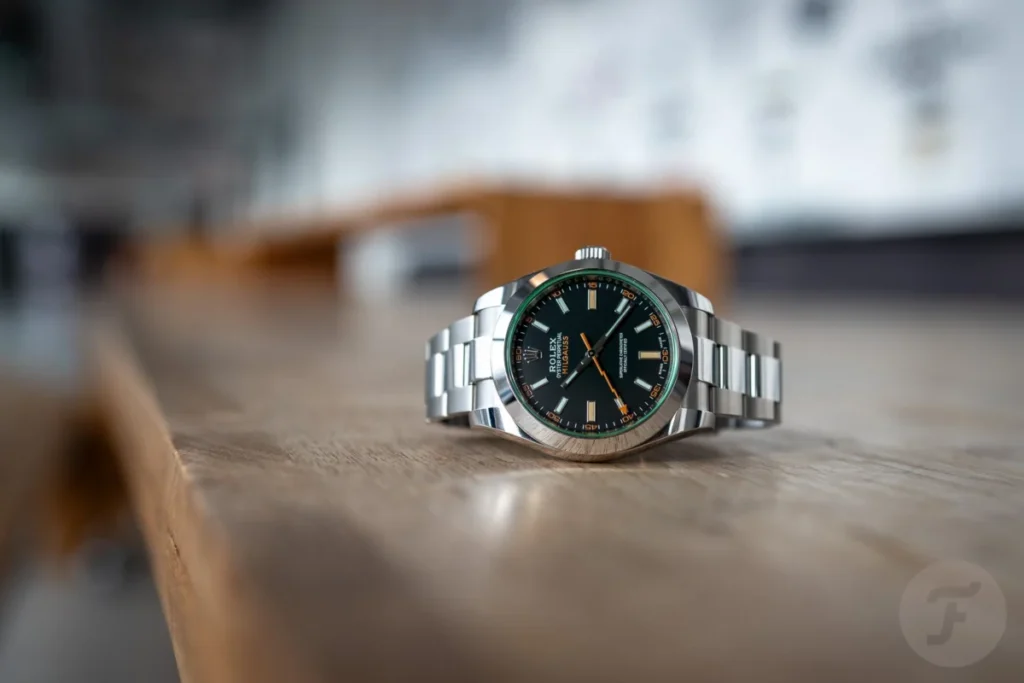
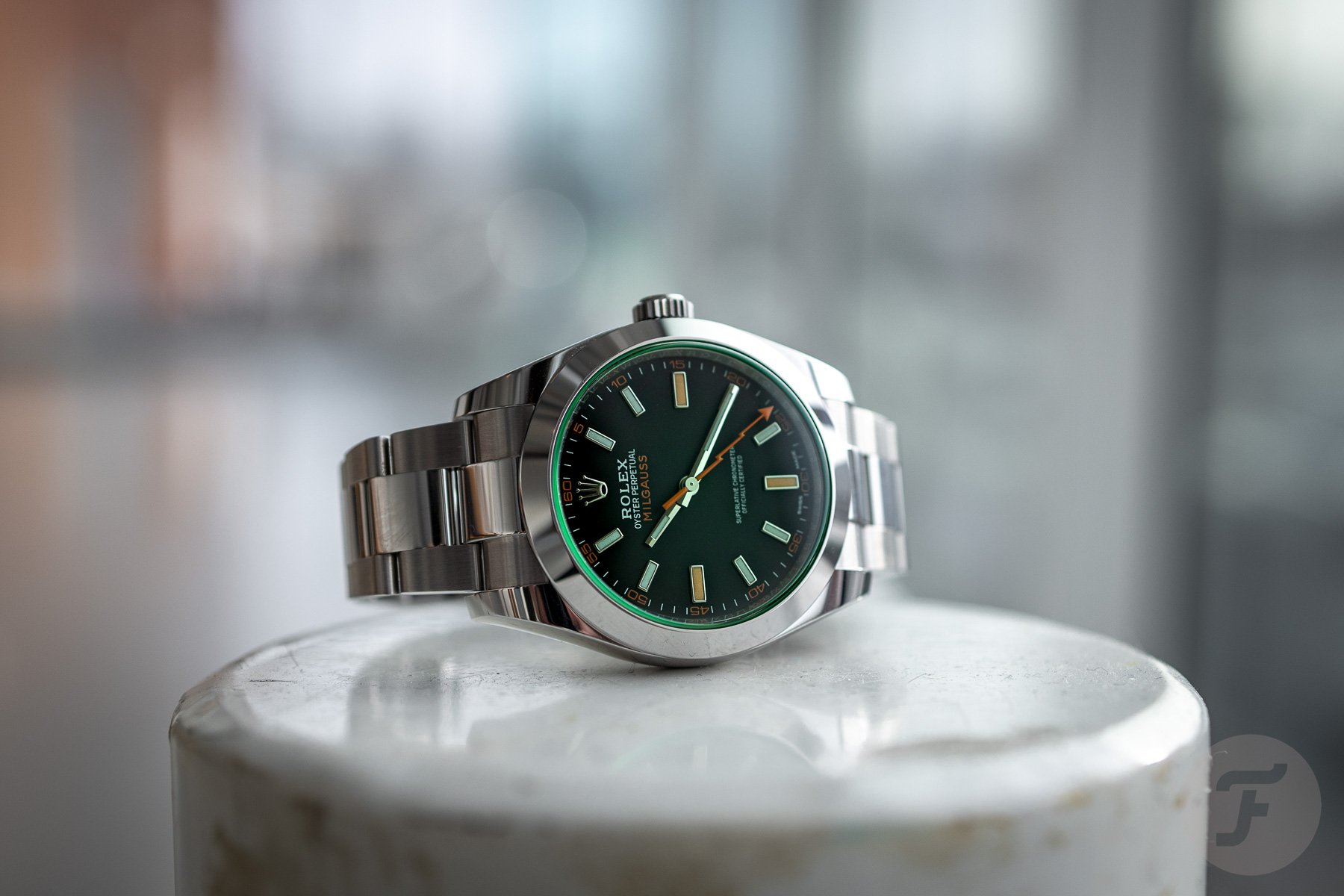
The discontinuation of the Rolex Milgauss in 2023, while the more recently updated Air-King remains, has sparked considerable debate among watch enthusiasts. The Milgauss, often characterized as Rolex’s "quirky scientist’s watch," possesses a lineage stretching back to 1954, a testament to its enduring appeal. Despite its specialized anti-magnetic purpose, which may seem less critical in contemporary times, the model’s unique aesthetic and rich history have cemented its classic status. Its presence within a collection that includes models like the Yacht-Master II and Sky-Dweller, which cater to specific, often niche, audiences, highlights the Milgauss’s rightful place.
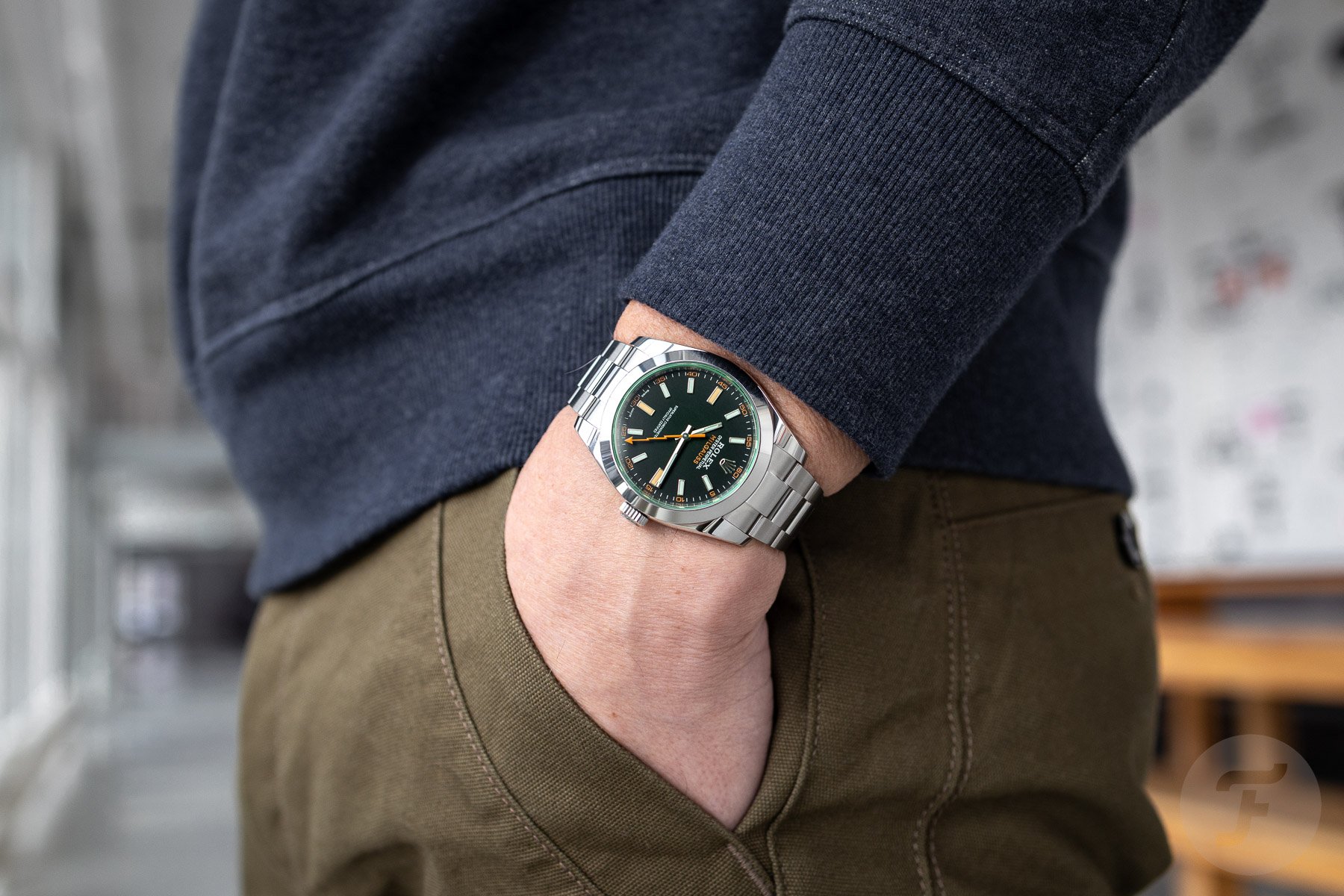
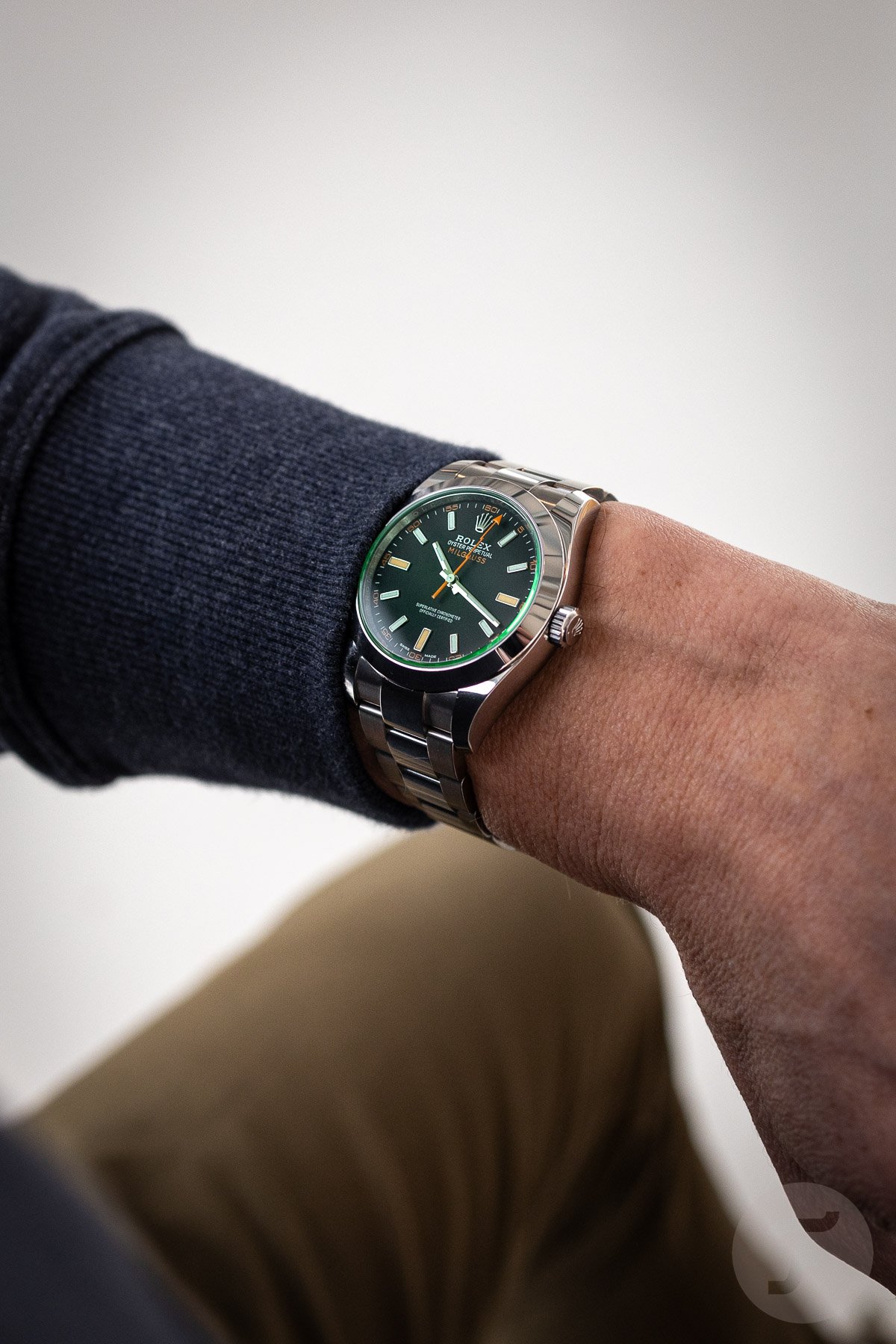
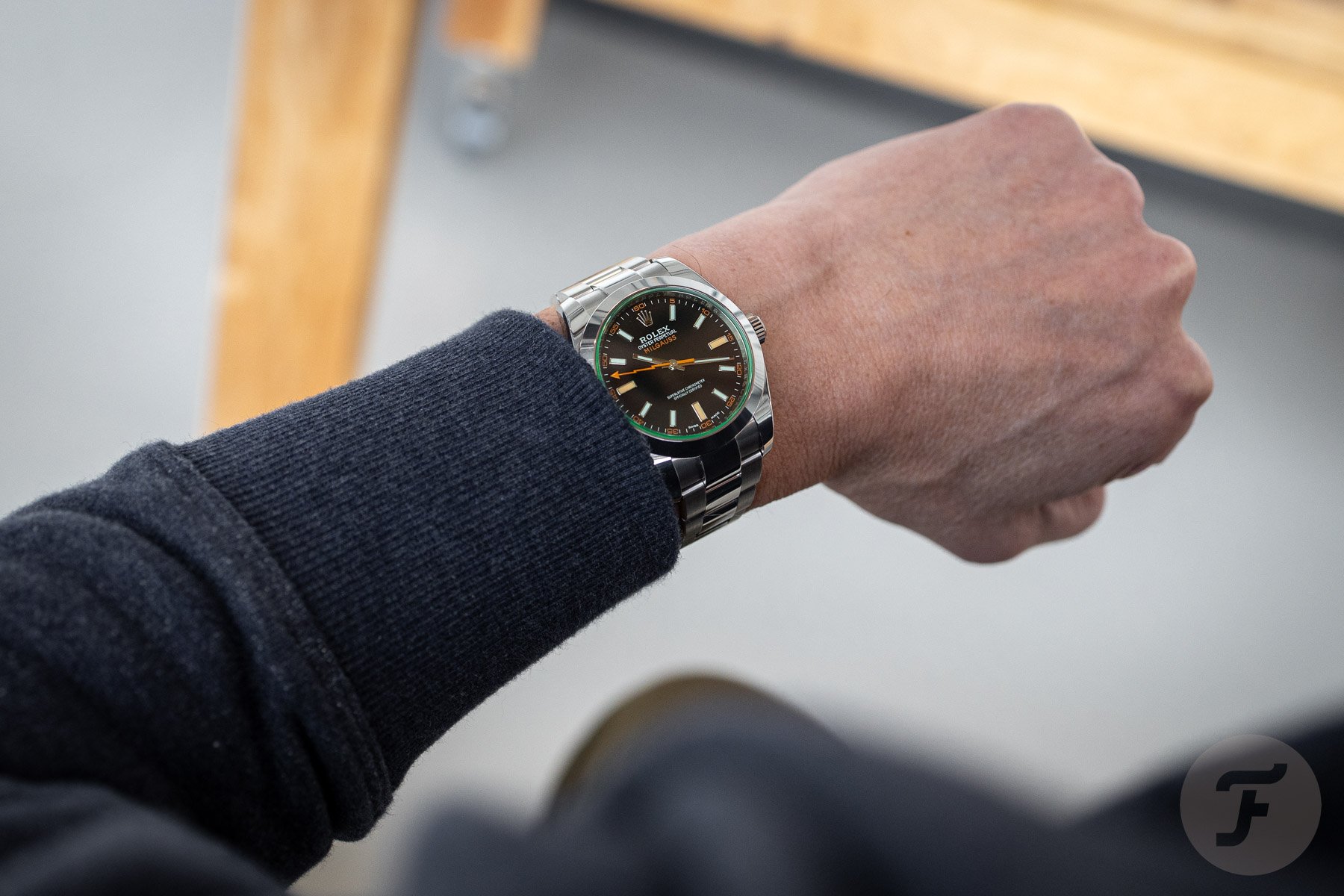
The modern iteration, reference 116400, debuted in 2007 after a nearly two-decade absence, reintroducing the Milgauss with a sophisticated yet playful character. Initially offered with black or white dials and standard sapphire crystals, the collection soon evolved. The introduction of the 116400GV, featuring a distinctive green-tinted sapphire crystal, and the later Z-Blue dial variant in 2014, further solidified its unique identity. These models, with their eye-catching green accents, became particularly sought after, showcasing a bold departure from Rolex’s more conventional designs.
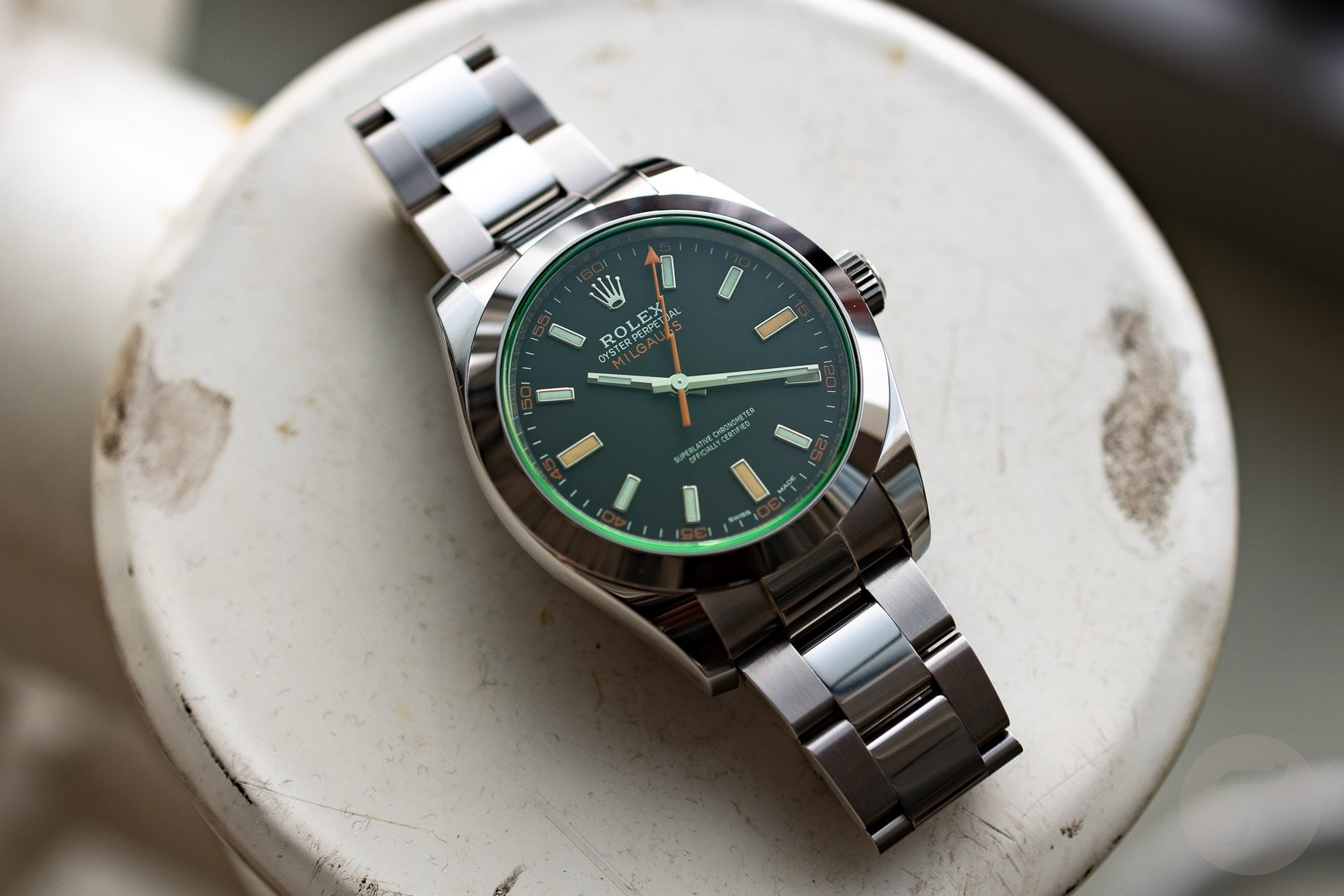
Underneath its distinctive exterior, the Milgauss housed the robust Rolex caliber 3131. This automatic movement, engineered for enhanced magnetic resistance, featured a blue Parachrom hairspring and an amorphous nickel-phosphorus escapement. Operating at 28,800 vibrations per hour with a 42-hour power reserve, it was a testament to Rolex’s commitment to technical innovation. While the Milgauss was phased out gradually, with the black dial and standard crystal model disappearing by 2014 and the white dial following in 2016, the green-tinted crystal variants persisted until the model’s eventual discontinuation. The decision to cease production, particularly in light of the Air-King’s continued presence and updates, raises questions about brand strategy and the perceived market demand for such historically significant, albeit niche, timepieces.
Omega Seamaster Ploprof 1200M: The Unmistakable Dive Icon
The Omega Seamaster Ploprof, a name synonymous with extreme dive watches, holds a special place in the hearts of many watch aficionados. While Omega did reintroduce the Ploprof in stainless steel as part of its Summer Blue Seamaster collection, marking its return after a four-year hiatus, the specific variant that merits a permanent spot is the classic black-dial version. This model, discontinued in 2019 after a decade of production, represents the pinnacle of the Ploprof’s modern revival.
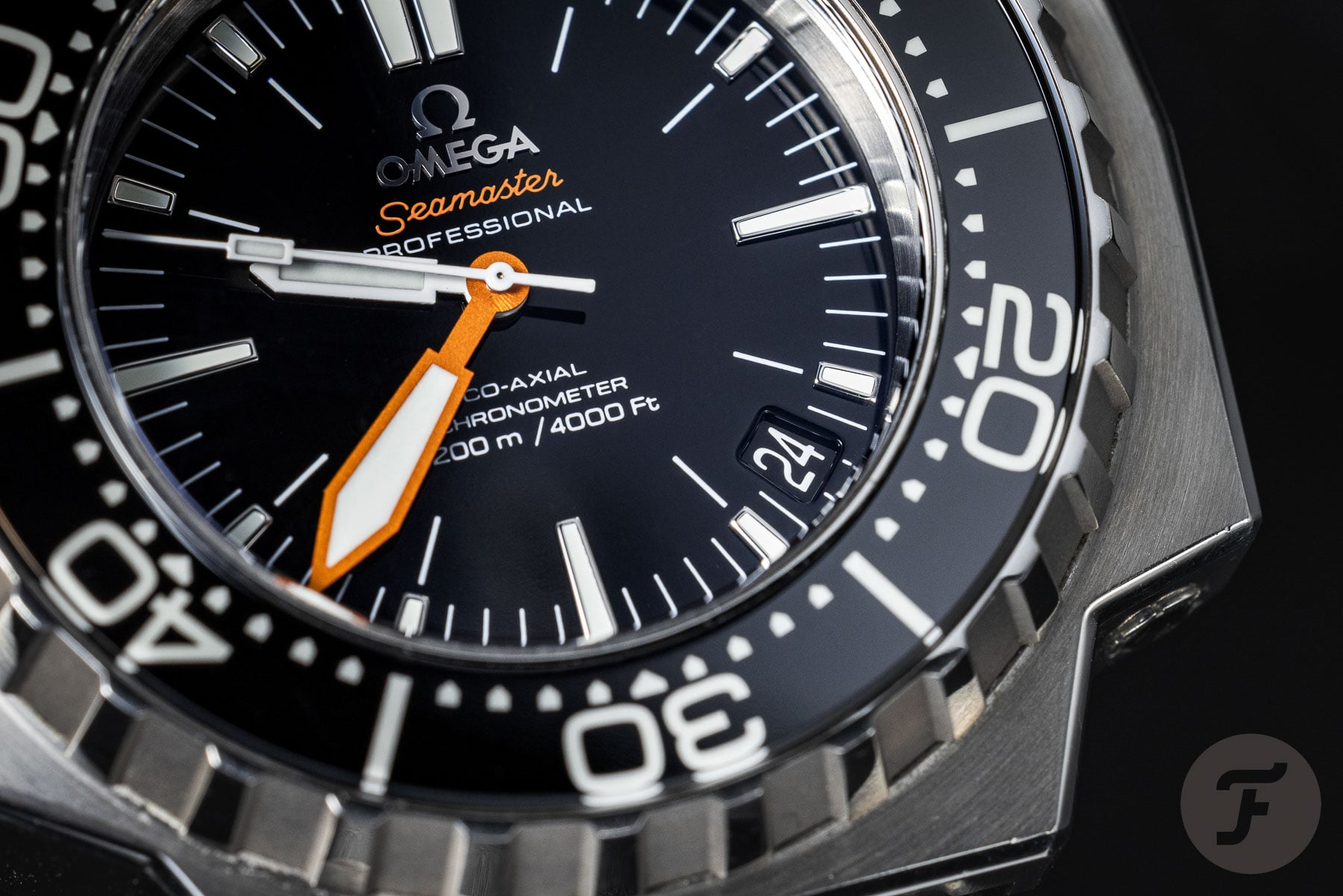
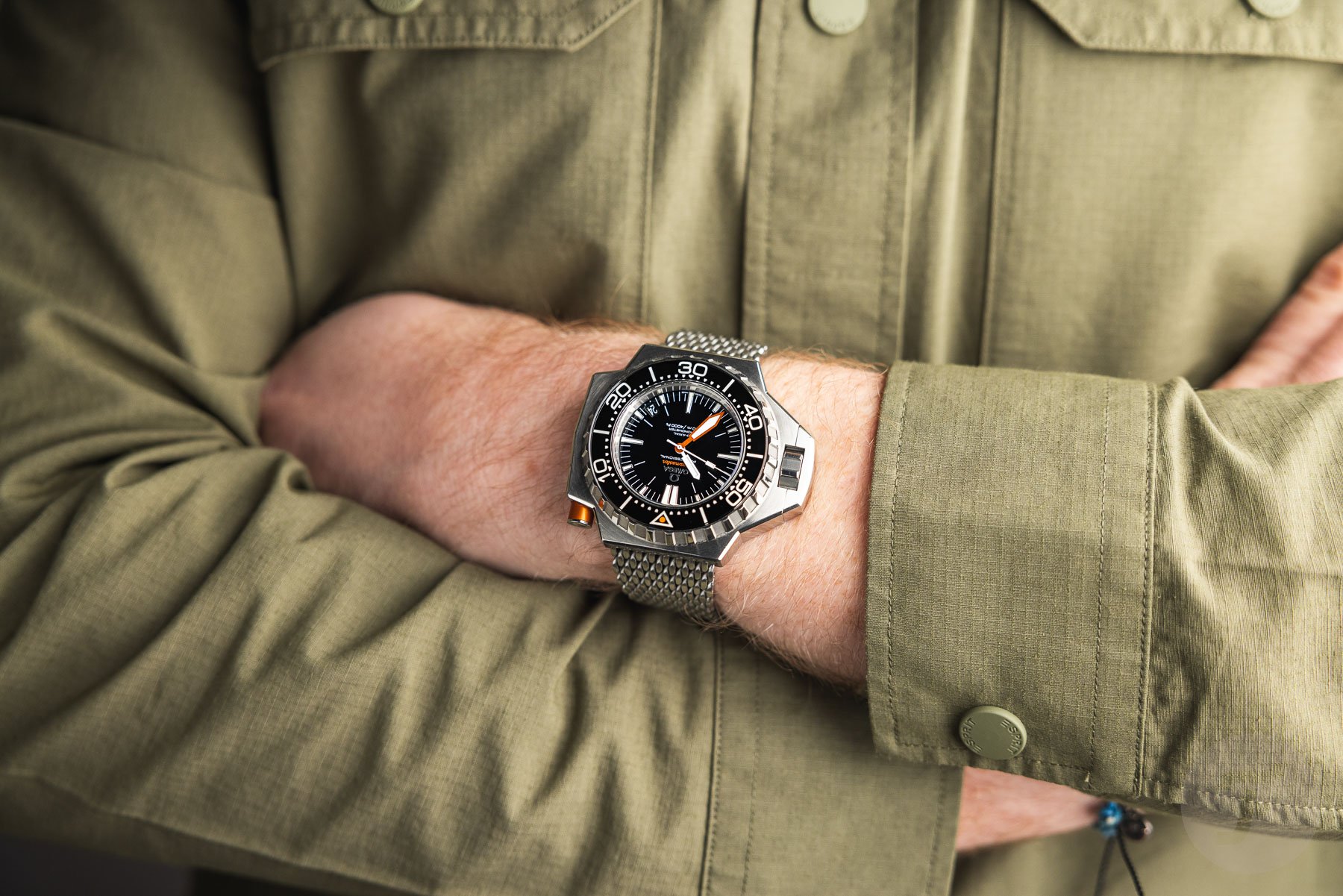
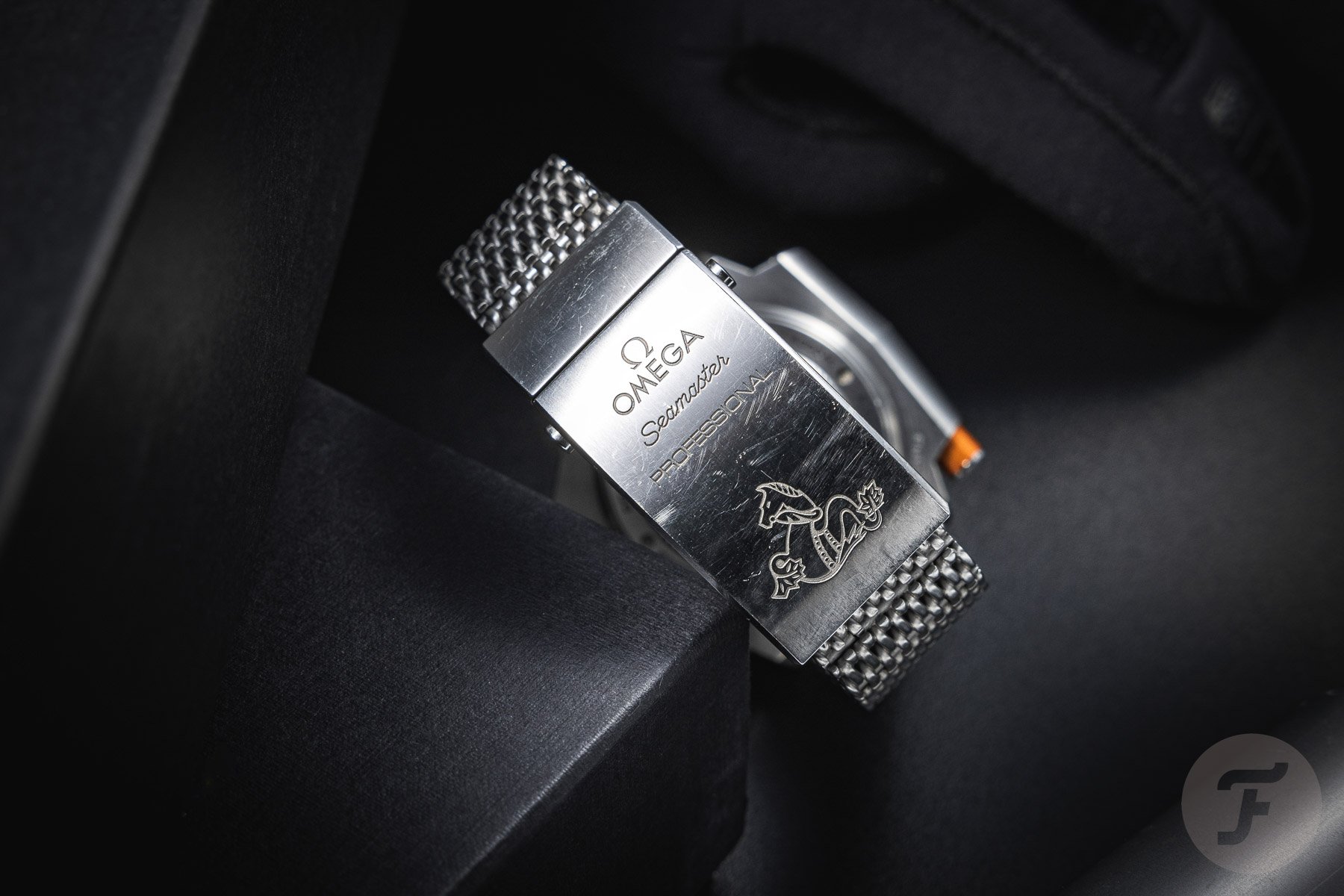
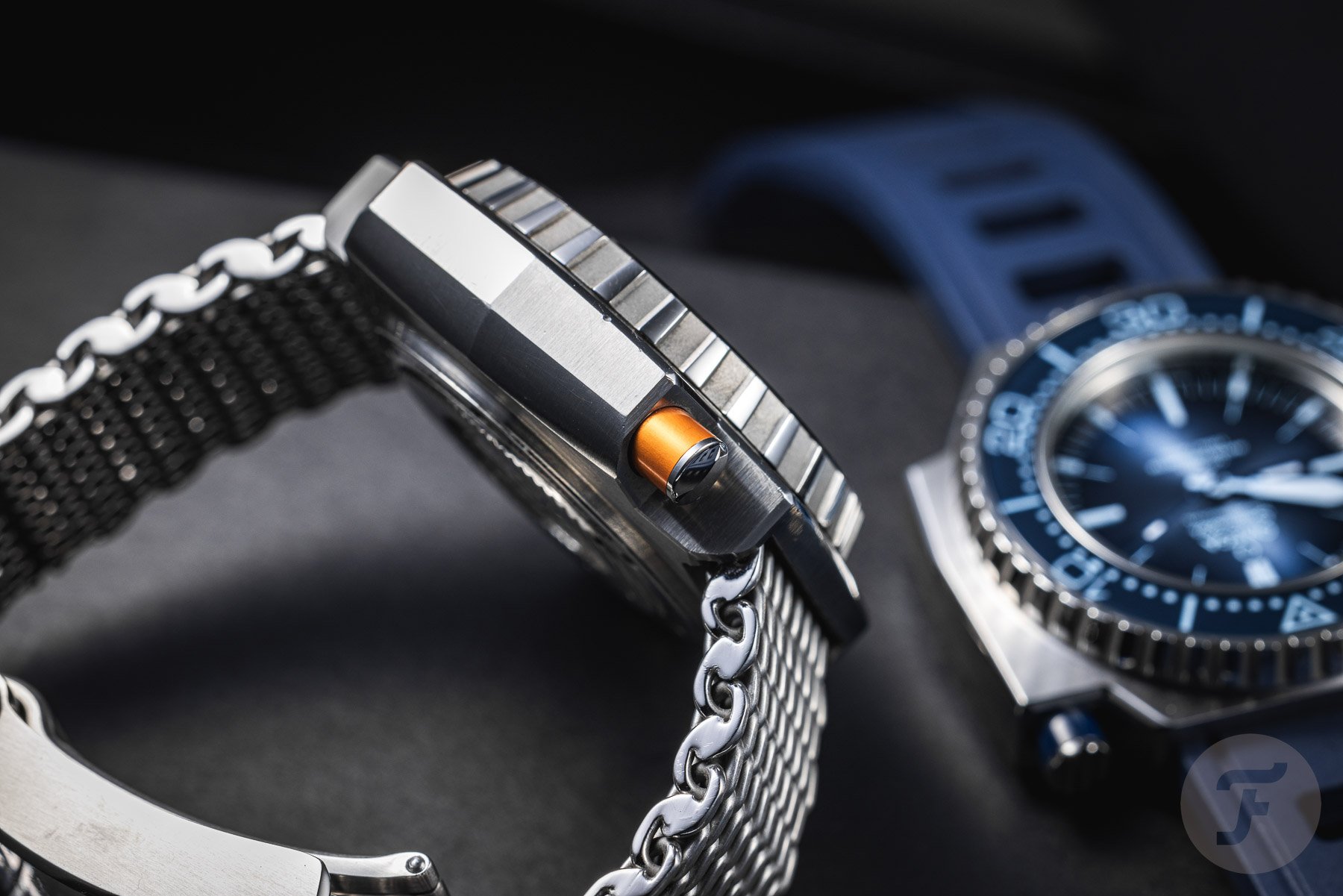
The Ploprof, short for "Plongeur Professionnel" (Professional Diver), was originally designed in the 1970s to meet the demanding requirements of saturation diving. Its distinctive, asymmetrical case, featuring a crown positioned on the left side and a large pusher for the bezel lock, immediately set it apart. The 2009 reintroduction, reference 224.30.55.21.01.001, refined this iconic design with contemporary engineering and materials while retaining its formidable presence. With a substantial 55 x 48mm stainless steel case, weighing in at 279 grams, the Ploprof is undeniably a watch that commands attention and is not for the faint of wrist.
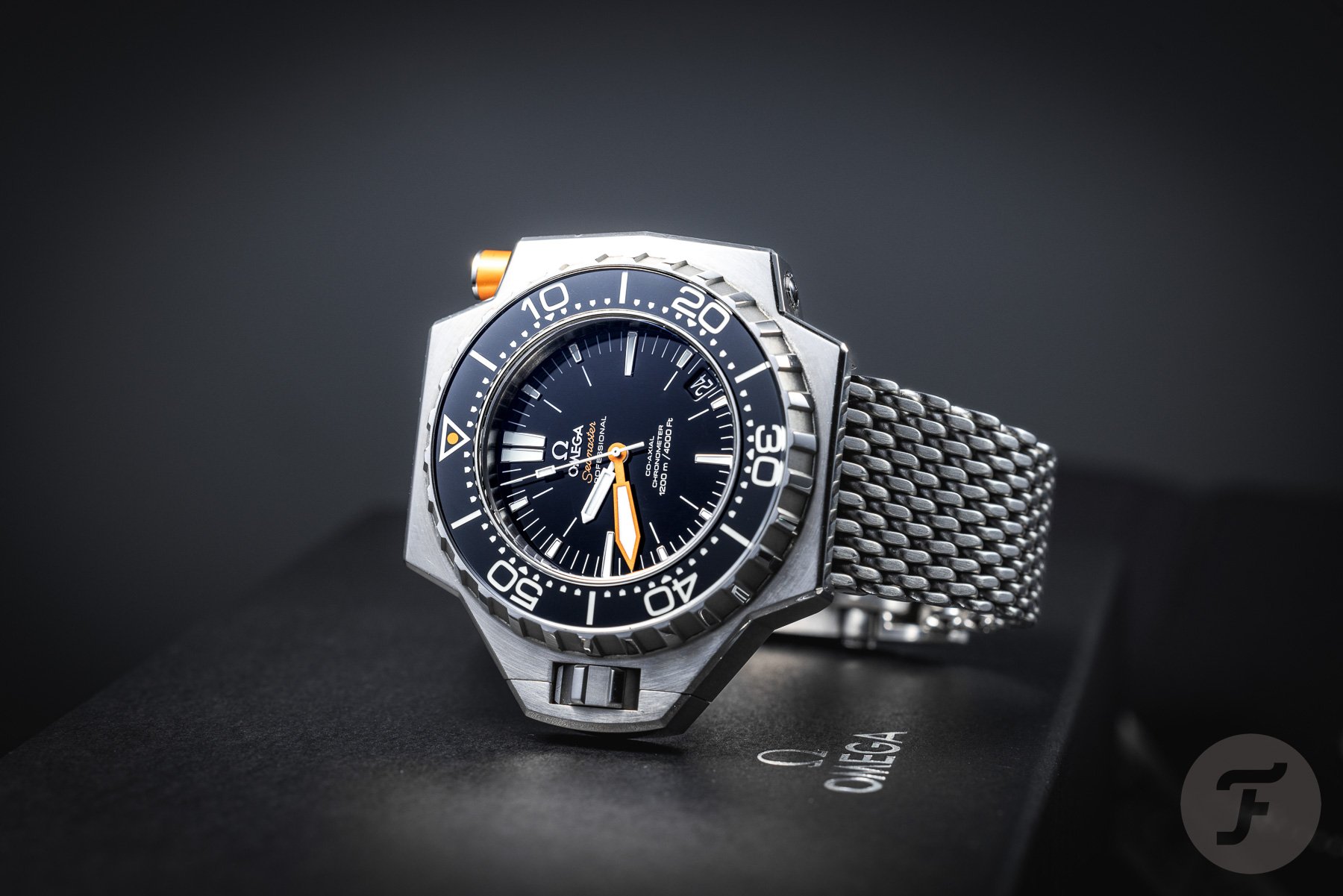
Despite its polarizing size, the updated Ploprof offered significant improvements over its vintage predecessor. The revised crown and bezel design, the striking orange pusher complementing the orange minute hand, and a more refined dial layout contributed to a more cohesive and aesthetically pleasing watch. Powering this robust timepiece was Omega’s in-house caliber 8500, introduced in 2007. This movement, featuring the Co-Axial escapement, a 25,200 vph beat rate, and a 60-hour power reserve, laid the groundwork for Omega’s highly regarded 8900 series of Master Chronometer movements. The current Summer Blue Ploprof utilizes the caliber 8912, a testament to the enduring quality of the platform.

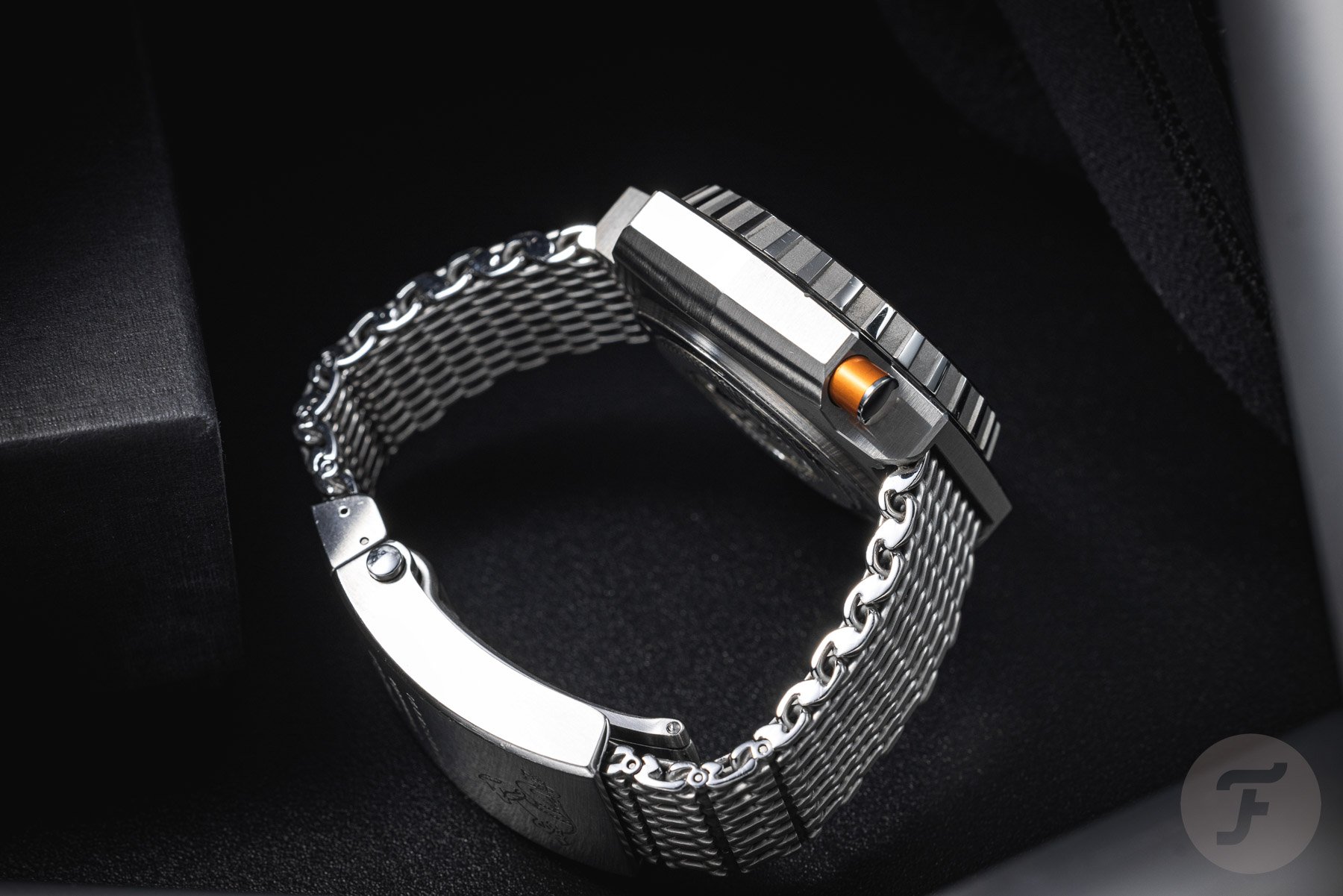
The original stainless steel mesh bracelet is an integral part of the Ploprof experience, providing both comfort and exceptional balance for the substantial case. While it takes time to acclimatize to the weight, the reward is an unparalleled wearing sensation. The reintroduction of the monobloc case in the Summer Blue model is a welcome addition, and its slightly reduced dimensions enhance wearability. However, the absence of the classic black-dial variant leaves a void, a canvas upon which a triumphant return, complete with its signature black dial and bezel and vibrant orange accents, would be most welcome.
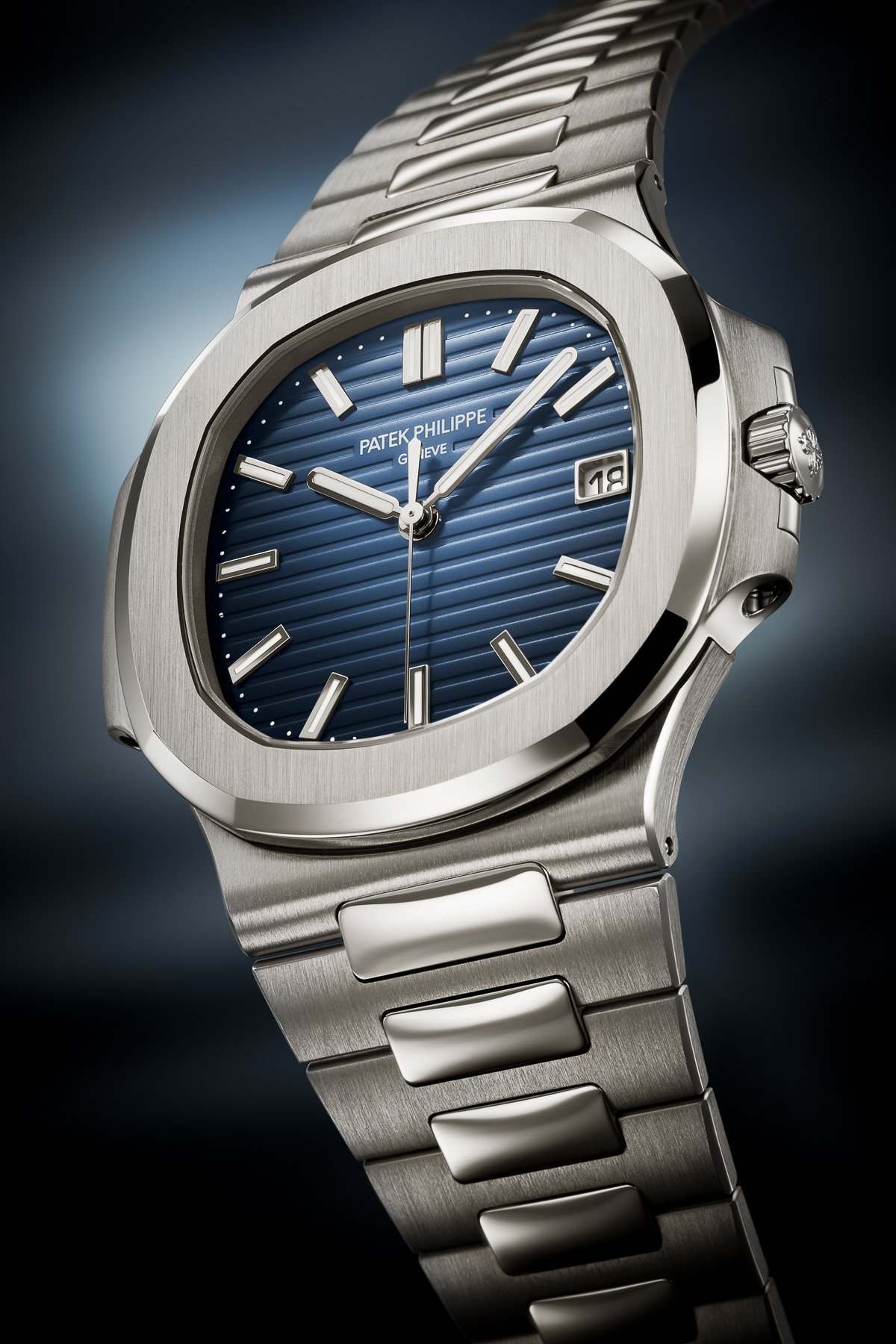
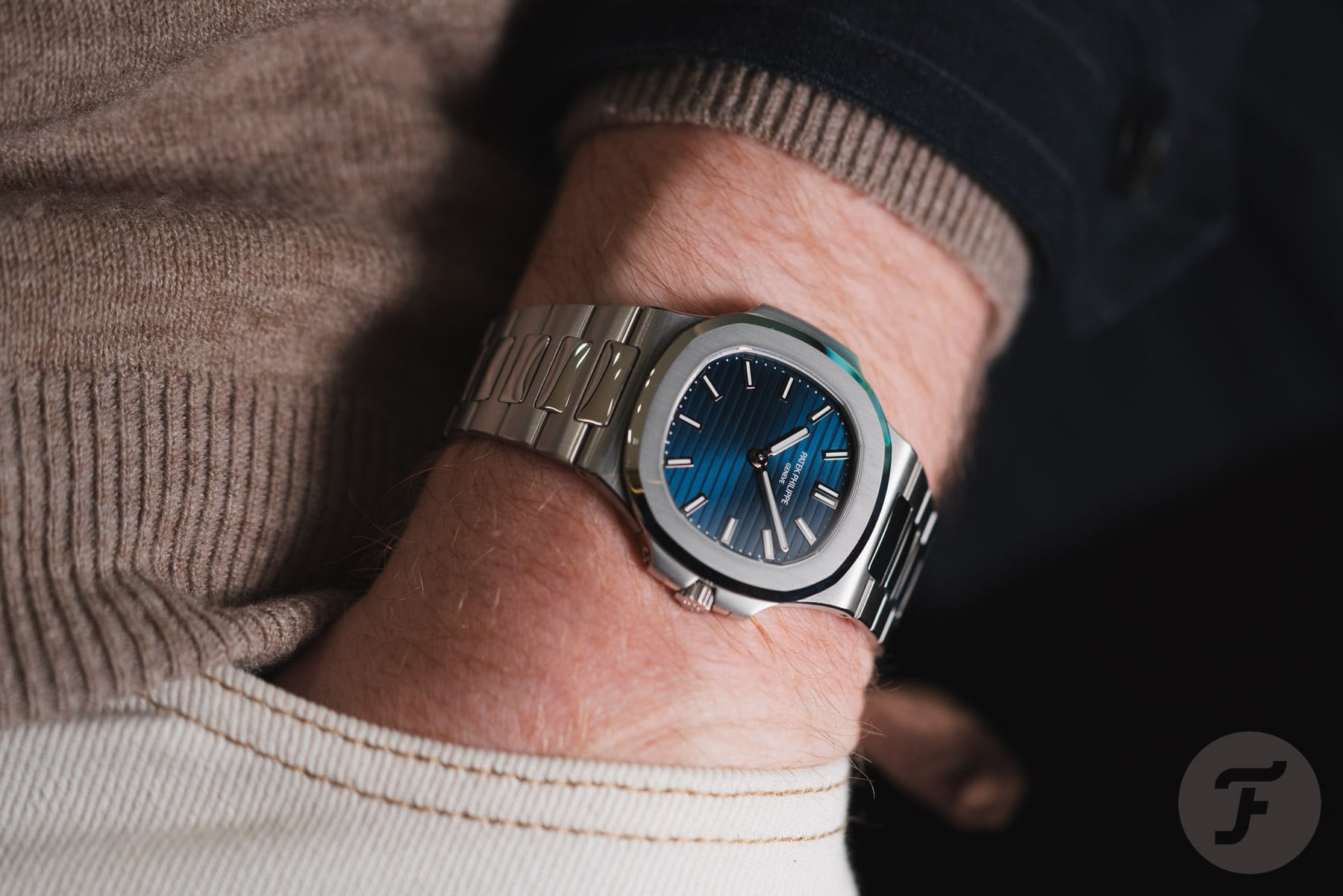
Patek Philippe Nautilus ref. 5711/1A: The Undisputed Steel Icon
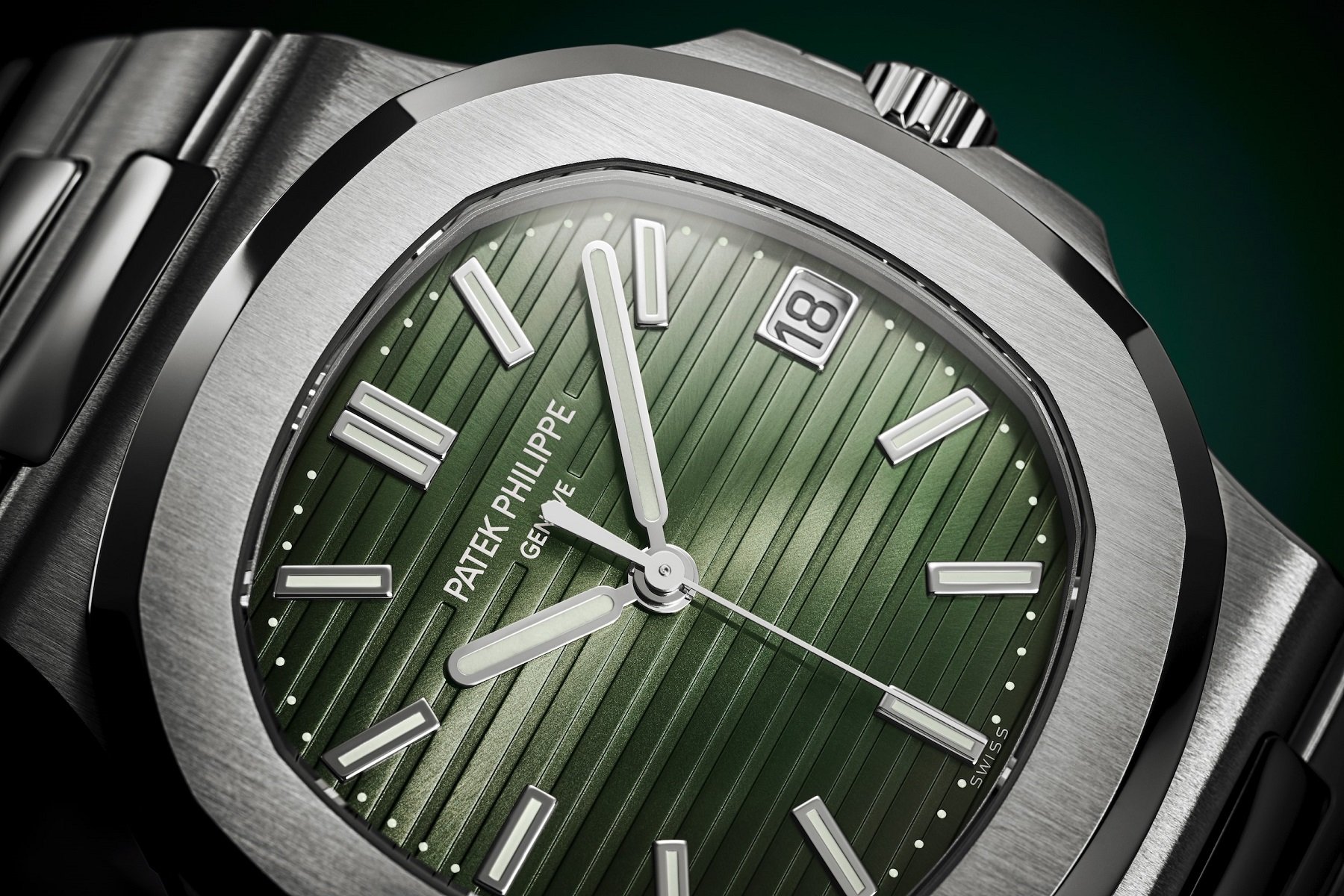
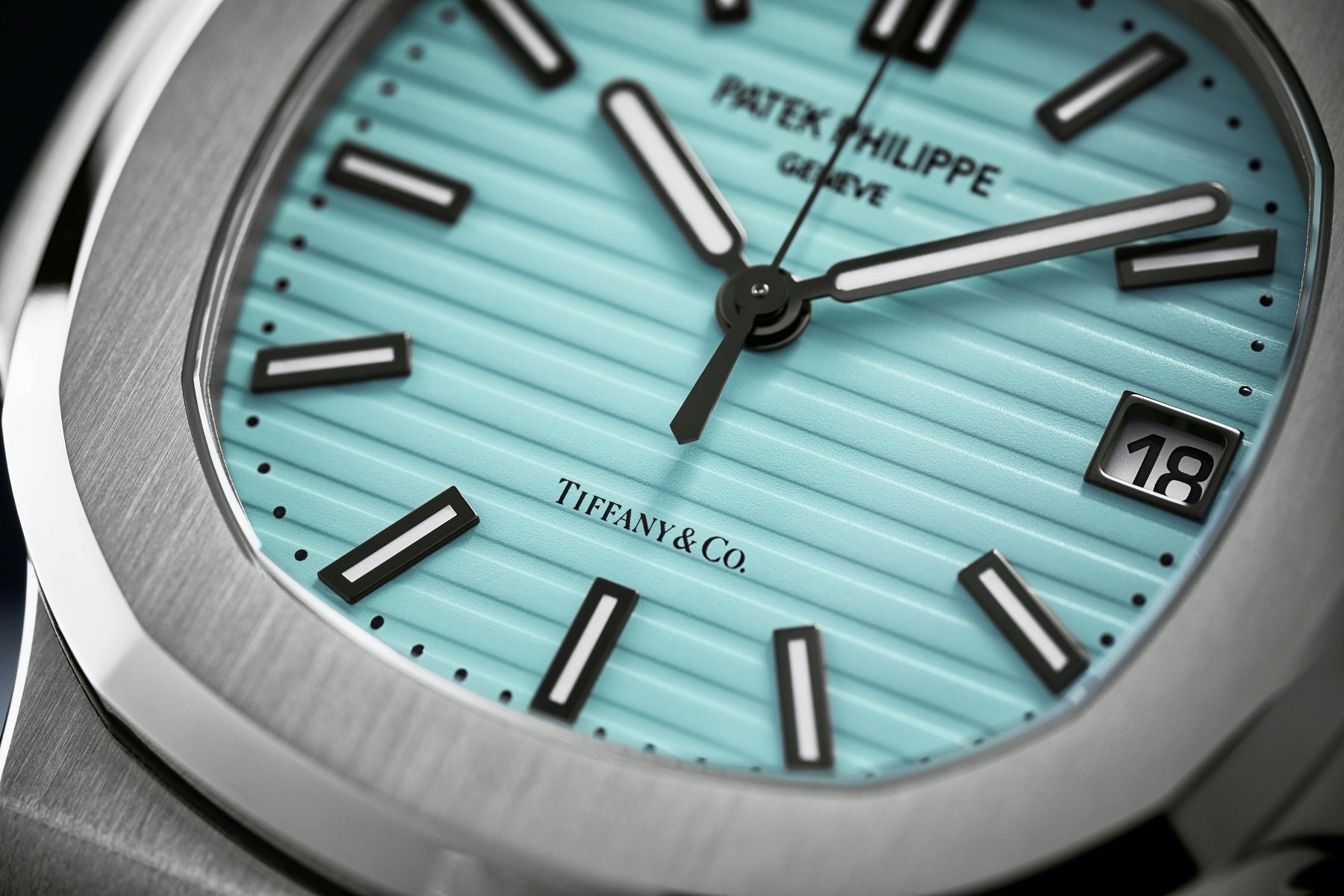
The discontinuation of the Patek Philippe Nautilus ref. 5711/1A in 2021 sent shockwaves through the watch community, a move that ignited unprecedented hype around this already legendary timepiece. The final iterations, a striking green-dial variant and the ultra-exclusive co-signed Tiffany & Co. edition, marked the definitive end of an era for the stainless steel "Jumbo" Nautilus. Patek Philippe President Thierry Stern’s rationale for discontinuing the watch was rooted in a desire to prevent any single model from dominating the brand’s image and collection, which at the time accounted for approximately 50% of production. Furthermore, he aimed to preserve the value of Patek Philippe timepieces through a controlled scarcity, a strategy highly appreciated by the brand’s discerning clientele.
The frenzy surrounding the Nautilus, and indeed the Royal Oak, reached its zenith in 2021, with secondary market prices soaring to stratospheric levels. The delisting of the 5711 only exacerbated this phenomenon. While the market dynamics have evolved since then, the sentiment remains. The introduction of the Nautilus ref. 5811/1G in white gold with a blue gradient dial in October 2022 offered a glimpse of the continued evolution of the "Jumbo" design. However, this precious metal iteration could not fill the void left by its steel predecessor.
The subsequent introduction of the Cubitus collection in 2024, while an interesting exploration into luxury sports watches, further underscored the enduring demand for a stainless steel Nautilus. The Cubitus, with its design cues influenced by the Nautilus, sparked considerable debate and highlighted the continued absence of the iconic steel model. This sentiment was amplified during the Nautilus’s 50th-anniversary celebrations in 2024. The unveiling of the ref. 5810 in white gold and the smaller ref. 5610 in platinum showcased the timeless brilliance of Gérald Genta’s 1976 design. The removal of the date and seconds hand on these anniversary models resulted in an exceptionally clean aesthetic, powered by exquisite calibers, reinforcing the Nautilus’s status as an icon. However, the absence of a stainless steel "Jumbo" model to commemorate five decades of its existence felt like a significant omission, a curious oversight for a watch that debuted in stainless steel.
Rolex GMT-Master II ref. 126710BLRO "Pepsi": The Perpetual Return
The recent discontinuation of the Rolex GMT-Master II "Pepsi" ref. 126710BLRO from the current lineup was an anticipated event within the watch enthusiast community. This marks not the first instance of Rolex phasing out its iconic steel Pepsi model. Following the cessation of production for aluminum-bezel GMT-Master IIs in 2007, the Pepsi variant disappeared for seven years. The challenges associated with producing the specific red hue for the Cerachrom bezel, a process that was both technically demanding and costly, contributed to its initial unavailability in stainless steel. From 2014 to 2018, the Pepsi was exclusively offered in white gold, a production strategy that allowed Rolex greater control over manufacturing volumes for precious metal watches.
The triumphant return of the stainless steel Pepsi in 2018, initially on a Jubilee bracelet and later on an Oyster bracelet (introduced in 2021), was met with widespread acclaim. This reintroduction brought back the quintessential GMT-Master colors, a significant moment for collectors and enthusiasts. The discontinuation of the white gold ref. 126719BLR, available with either a blue lacquered or meteorite dial and an Oyster bracelet, also occurred concurrently. While these precious metal variants were undoubtedly elegant, the stainless steel version invariably captures the spotlight.
The fluctuating hues of the Cerachrom Pepsi bezels since their 2014 introduction have been a point of discussion. Variations in the red color, ranging from a lighter, almost pastel shade to a deeper, darker tone in later models, have led to speculation about Rolex’s satisfaction with the color consistency. This inconsistency may have played a role in the model’s discontinuation. Regardless of the precise reasons, the absence of a stainless steel Pepsi from the current collection is keenly felt. As a cornerstone of Rolex’s history and the definitive GMT-Master II, its perpetual availability would be a logical and celebrated decision. Rolex’s characteristic tendency for unexpected strategic shifts, while often surprising, can sometimes lack clear logical underpinnings for enthusiasts.
Tudor Black Bay 58 ref. 79030B (Blue Dial): A Nod to Naval Heritage
The silent discontinuation of the blue-dial Tudor Black Bay 58 (ref. 79030B) earlier this year has prompted considerable discussion, particularly given Tudor’s strong historical connection to Rolex and its own rich heritage. This specific model, with its distinctive blue dial and bezel, stands out as a representation of Tudor’s unique history, particularly its ties to the French Marine Nationale (MN). The choice of blue for this iteration of the Black Bay 58 was a deliberate homage to the vintage blue Tudor Submariners, many of which were issued to French Navy divers and are now highly sought after by collectors.
The historical significance of these blue Tudor Submariners, such as the ref. 7016 and its successor, the ref. 9401, cannot be overstated. The ref. 7016 introduced Tudor’s iconic dial design, characterized by square and rectangular markers and the renowned "Snowflake" hands. This design element originated from a request by the Marine Nationale divers for enhanced legibility underwater, necessitating larger luminous hands and hour markers. While initial models featured Mercedes-style hands, the "Snowflake" hands became a defining feature of Tudor’s dive watches, a design element that persists in many of the brand’s current offerings and is considered by many to be the quintessential Tudor aesthetic.

The blue-dial Black Bay 58, in contrast to its black counterpart, eschewed vintage-inspired gilt accents for a crisp, clean aesthetic. This modern interpretation of a historically significant colorway resonated deeply with Tudor enthusiasts. The watch’s direct historical link to the vintage blue Subs imbued it with a relevance that many found compelling. The fact that multiple members of the Fratello team owned or continue to own the blue Black Bay 58 underscores its appeal and appreciation for its historical significance.
While Tudor is progressively introducing sunburst dials across its Black Bay range, including a new blue-dial Black Bay 54, this successor lacks the refined style and character of the discontinued blue Black Bay 58. The latter’s carefully chosen blue hue and balanced design offered a unique proposition that its smaller sibling, despite its own merits, does not fully replicate. The discontinuation of the blue Black Bay 58, therefore, feels like a missed opportunity to maintain a direct, tangible connection to a significant chapter of Tudor’s horological narrative.

Conclusion: A Call for Enduring Legacies
The five timepieces highlighted—the Rolex Milgauss, Omega Seamaster Ploprof 1200M (black dial), Patek Philippe Nautilus ref. 5711/1A, Rolex GMT-Master II ref. 126710BLRO, and Tudor Black Bay 58 ref. 79030B—represent watches that, in our view, should never have left their respective brands’ collections. While market forces and strategic decisions inevitably shape a brand’s offerings, the historical importance, design innovation, and enduring appeal of these watches suggest they are more than just products; they are horological milestones.

The hope remains that Rolex, Tudor, Omega, and Patek Philippe will recognize the profound value in these timepieces and consider their reintroduction. Until then, the enduring demand and collector interest in these models will likely continue to grow, solidifying their status as true icons of the watchmaking world. The question remains: what other discontinued watches do you believe deserve a second chance? Your insights in the comments section are welcomed as we continue to explore the dynamic landscape of horology.