The UK government has formally recognized Code Club as a primary resource for schools and colleges seeking to enhance their enrichment offerings, marking a significant milestone for the global initiative led by the Raspberry Pi Foundation. This endorsement comes at a pivotal moment in the evolution of computing education, as educators and policymakers grapple with the rapid integration of artificial intelligence into the classroom and the broader labor market. By highlighting Code Club within the national enrichment framework, the government has validated over a decade of community-driven efforts to provide young people with free, high-quality digital education that extends beyond the traditional curriculum.
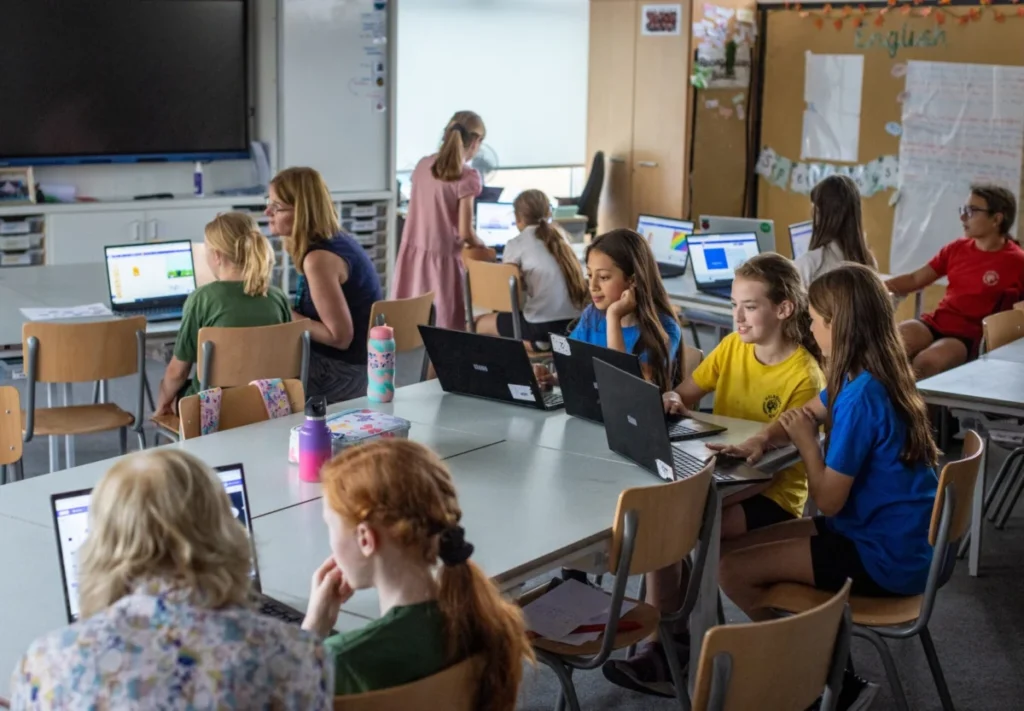
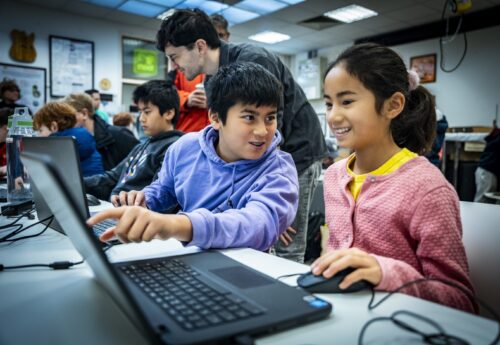
Code Club, a global network of free extracurricular coding clubs for children aged 9 to 13, has long been a staple of the UK’s non-formal education landscape. However, the recent formal recognition by the Department for Education (DfE) elevates its status from a popular volunteer-led activity to a strategic tool for social mobility and digital literacy. The program’s model relies on a decentralized network of volunteers, teachers, and librarians who use provided resources to guide students through creative projects in Scratch, Python, and HTML/CSS. This latest development signals a shift in how the UK approaches the "digital divide," moving toward a model that prioritizes not just access to hardware, but the development of creative agency and critical thinking in an increasingly automated world.
The Evolution of Code Club: A Chronology of Growth
The journey of Code Club began in 2012, founded by Clare Sutcliffe and Linda Sandvik with the goal of providing every child in the UK with the opportunity to learn to code. The timing was critical; the UK was then in the process of overhauling its ICT curriculum to focus more on computer science and less on office software. In 2015, Code Club merged with the Raspberry Pi Foundation, a move that provided the organizational infrastructure and funding necessary to scale the initiative globally.
By 2020, the network had expanded to thousands of clubs across more than 160 countries. While the COVID-19 pandemic temporarily halted in-person sessions, it accelerated the development of online resources and "Code Club at Home" initiatives. In the post-pandemic era, the focus has shifted toward sustainability and equity. Recent milestones include the 2024 announcement of an ambitious goal to establish a Code Club in every school and library across the UK. The 2025 Annual Survey Report further cemented the program’s impact, showing that participation significantly improved students’ resilience and problem-solving abilities. The 2026 Coolest Projects online showcase recently celebrated over 15,000 young creators, demonstrating that the appetite for digital making is at an all-time high.
Supporting Data and the Impact of Non-Formal Learning
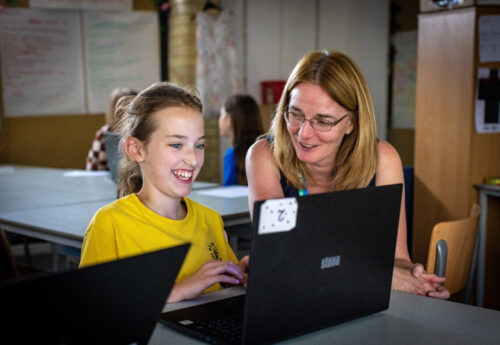
The effectiveness of Code Club is supported by both internal data and independent academic research. According to the Code Club Annual Survey Report 2025, the program delivers outcomes that go far beyond technical proficiency. Data indicates that 92% of club leaders observed an increase in their students’ confidence, while 88% reported improvements in problem-solving skills. Perhaps most importantly, 85% of participants expressed a greater interest in pursuing further studies or careers in technology after attending a club for at least one academic year.
Independent research into "fun-filled" learning environments suggests that the informal nature of Code Club is key to its success. Unlike the high-stakes environment of a graded classroom, Code Clubs offer a "low-floor, high-ceiling" approach. Students can start with very simple blocks of code (the low floor) but have the freedom to create complex, sophisticated programs (the high ceiling). This environment fosters "computational thinking"—the ability to break down complex problems into smaller, manageable parts—which research shows is a transferable skill applicable to mathematics, science, and even the humanities.
Addressing the Artificial Intelligence Paradigm Shift
The emergence of generative AI has led some to question the continued relevance of learning to code. Critics argue that as AI becomes more capable of writing software, the need for human programmers will diminish. However, the Raspberry Pi Foundation and the UK government maintain the opposite stance: in the age of AI, understanding the underlying logic of code is more important than ever.
Code Club has proactively integrated AI and data science projects into its curriculum. These resources are designed to demystify how AI tools work, moving young people from being passive consumers of technology to informed critics and creators. By building their own simple machine learning models or data-driven projects, students learn about algorithmic bias, data privacy, and the ethical implications of automated systems. This "AI literacy" is viewed by educational experts as a fundamental right for the next generation, ensuring they have the agency to question and shape the systems that will increasingly govern their lives.
The New Growth Partner Package for UK Trusts and Local Authorities
To facilitate the goal of universal access, the Raspberry Pi Foundation has announced a new package of free support specifically tailored for UK multi-academy trusts (MATs) and local authorities. Recognizing that the primary barrier to starting a club is often administrative or logistical, the foundation is offering to become a "growth partner" with these larger educational bodies.
The support package includes:
- Strategic Consultation: Dedicated sessions to align Code Club implementation with the trust’s or authority’s broader digital strategy.
- Training and Professional Development: Free workshops for staff and volunteers to build the confidence needed to lead sessions, even if they have no prior coding experience.
- Impact Tracking: Tools and frameworks to help trusts measure the impact of the clubs on student engagement and skill development.
- Resource Localization: Access to a curated library of projects that align with the UK national curriculum and enrichment goals.
By targeting local authorities and trusts, the initiative aims to create a "top-down" support structure for a "bottom-up" community activity. This systemic approach is intended to ensure that schools in underserved areas, which may lack the resources to initiate extracurricular programs independently, are given the necessary backing to provide their students with equal opportunities.
Broader Implications for the UK Workforce and Economy
The government’s endorsement of Code Club as a key enrichment resource carries significant economic implications. The UK’s digital sector is growing six times faster than the rest of the economy, yet a persistent "skills gap" remains. Many employers report difficulty finding candidates with the necessary technical and soft skills to navigate modern workplaces.
By fostering resilience, teamwork, and digital creativity at a young age, Code Club acts as a pipeline for the future workforce. The program specifically targets the "middle years" of childhood, a period when research suggests children—particularly girls and those from minority backgrounds—often lose interest in STEM subjects. By keeping technology fun and accessible during these formative years, Code Club plays a vital role in diversifying the tech talent pool.
Furthermore, the "completely free" nature of the program is a direct response to the cost-of-living crisis affecting many UK families. While private coding bootcamps and tutors can cost hundreds of pounds, Code Club ensures that a child’s socioeconomic status does not determine their digital future. The use of existing equipment in schools and libraries further minimizes the financial burden on public institutions.
Conclusion and Future Outlook
The formal recognition of Code Club by the UK government marks a transition for the program from a grassroots movement to an essential component of the national educational infrastructure. As schools and libraries across the country begin to implement the new growth partner support, the focus will remain on the core philosophy that has driven the movement since 2012: that technology should be a tool for self-expression and empowerment.
In the coming years, the success of this expansion will likely be measured not just by the number of clubs registered, but by the diversity of the projects created and the confidence of the young people who lead them. As AI continues to reshape the global landscape, the ability to code, collaborate, and create will remain the most valuable "enrichment" a student can receive. The Raspberry Pi Foundation’s invitation to local authorities and trusts to join as growth partners represents a significant opportunity to standardize this high-quality digital education across the United Kingdom, ensuring that no child is left behind in the digital age.