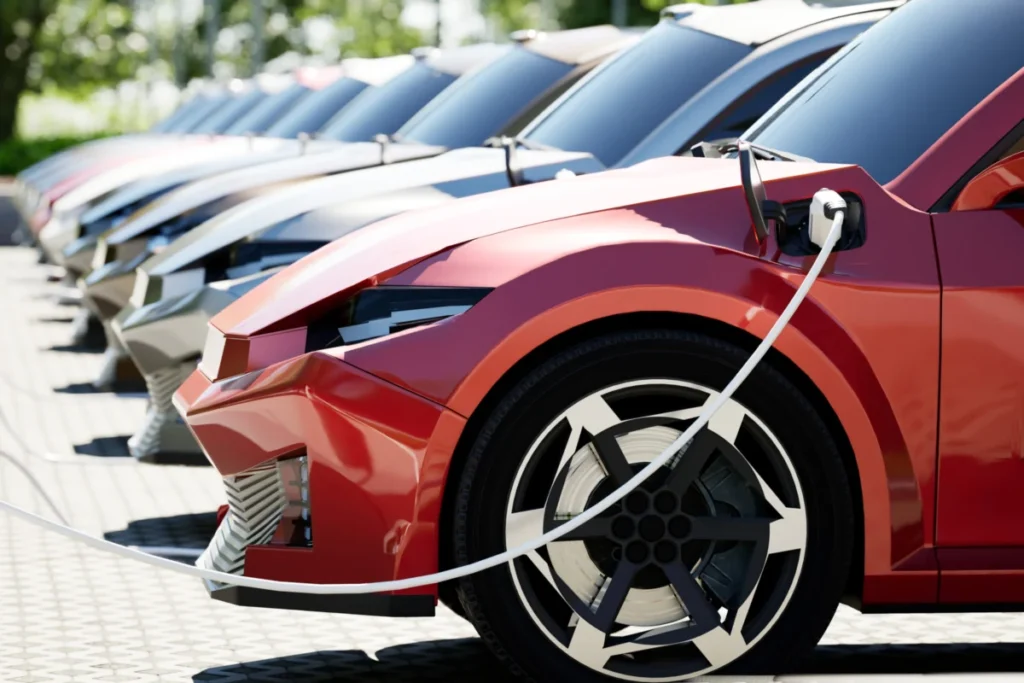
A groundbreaking study by researchers at the Massachusetts Institute of Technology (MIT) has revealed that electric vehicles (EVs) generate significantly lower greenhouse gas emissions and, in most regions of the United States, do not incur higher ownership costs than comparable gasoline-powered vehicles. This comprehensive analysis, which accounts for a wide array of regional and individual factors, challenges prevailing assumptions about the practicality and environmental advantages of EV adoption. The findings are particularly significant as they incorporate detailed driving patterns, local climate variations, electricity sources, and grid congestion, offering a nuanced perspective that moves beyond broad generalizations.
The MIT research team employed a sophisticated methodology designed to capture the intricate interplay of variables that influence both the environmental footprint and the economic viability of EVs. By examining data from thousands of U.S. zip codes and drilling down to the level of individual drivers, the study provides an unprecedentedly granular view of EV performance. Key factors integrated into the analysis include meteorological data, the distance and duration of typical trips, and fluctuating fuel prices, aiming to provide a more complete and accurate picture of life-cycle emissions and ownership costs than previously available.
A Holistic Approach to Emissions and Costs
The study’s innovative approach is rooted in its holistic integration of numerous contributing factors. Unlike many prior studies that might focus on a limited set of variables, such as the proportion of renewable energy in a region’s electricity mix or the impact of gas prices on affordability, the MIT researchers sought to synthesize a far more comprehensive dataset. This ambitious undertaking involved sourcing and amalgamating data from a diverse range of U.S. zip codes, encompassing elements like typical drive cycles, traffic density, local gasoline and electricity prices, the composition of regional electricity grids, and detailed meteorological profiles.
"There are a lot of statements being thrown around, like that electric vehicles don’t reduce emissions very much in cool climates, and we wanted to analyze these factors systematically and evaluate these statements against one another simultaneously," explained Marco Miotti, PhD ’20, a senior researcher at ETH Zurich who led the research as a graduate student in MIT’s Institute for Data, Systems, and Society (IDSS). "Rather than simply asking, ‘Are EVs better?’, this paper helps answer ‘better for whom, and under what conditions?’"
Miotti was joined on the paper by senior author Jessika Trancik, a professor in IDSS. Their findings, published in Environmental Research Letters, offer a critical update to their previously developed public tool, CarbonCounter.com, which allows individuals to compare the life-cycle emissions and total ownership costs of nearly any vehicle on the market. A newly released version of CarbonCounter.com incorporates the insights from this latest research.
The researchers focused on two primary types of EVs: battery-electric vehicles (BEVs), which operate solely on electricity, and plug-in hybrid electric vehicles (PHEVs), which combine an electric motor with a traditional combustion engine. To achieve their detailed analysis, the team significantly expanded and refined existing models for vehicle cost and emissions, incorporating a wider array of data types and accounting for greater local climate variability.
"The real effort was not just in extending these different models, but in bringing together all these different data and making them work with the models in a consistent manner," Miotti stated. The researchers employed statistical techniques to combine disparate data sources. For instance, a probabilistic matching technique was used to integrate data on driving frequency from nationwide travel surveys with more detailed GPS data that captures nuances like acceleration patterns and daily driving distances throughout the week. This meticulous data fusion was crucial for understanding individual driving behaviors.
Quantifying Environmental Benefits
The study’s results underscore the significant environmental advantages of EVs. In most locations across the U.S., battery-electric vehicles demonstrate a reduction in greenhouse gas emissions ranging from 40 to 60 percent compared to their gasoline-powered counterparts. These emission reductions are particularly pronounced in urban areas, where factors such as increased congestion and shorter, more frequent trips can amplify the benefits of electric propulsion.
Crucially, the research challenges the notion that colder climates significantly diminish the overall emission benefits of EVs. While it is true that cold weather can reduce battery range and efficiency, the MIT study found that these effects have a minimal impact on annual emission savings. "We even did a sensitivity study to see if the range is reduced in very cold climates, and we found that, even in the most unfavorable conditions, EVs still reduce emissions by a substantial amount," Miotti confirmed. For example, even if a BEV’s fuel economy is reduced by as much as 50 percent on a frigid night in a cold region like North Dakota, the annual environmental benefit remains substantial.
The study’s detailed analysis indicates that an individual’s driving behaviors can be as influential as regional factors, such as the local electricity mix, in determining the emissions savings achieved by an EV. This emphasizes the importance of personalized assessments when evaluating the environmental impact of vehicle choices.
Economic Competitiveness in the Long Run
Beyond environmental considerations, the MIT study also provides compelling evidence for the economic viability of EVs. The research indicates that, in most parts of the United States, EVs are cost-competitive with comparable gasoline-powered vehicles over their lifetime, even without factoring in federal clean vehicle tax credits. In regions where electricity prices are particularly affordable, BEVs often emerge as the most cost-effective option, outperforming both PHEVs and conventional gasoline vehicles in terms of total ownership expenses.
The modeling framework developed by the researchers revealed that all the analyzed factors—including electricity mix, traffic density, annual travel distances, and climate—play a roughly equal role in determining the emissions-reduction potential of EVs. However, the study further breaks down the impact of individual driving habits. Drivers who travel more frequently, opt for larger vehicles, or spend more time in traffic tend to see greater emissions reductions from their EVs.
Addressing Misconceptions and Future Outlook
The MIT study directly addresses common misconceptions that have circulated in media reports and public discourse regarding EV performance. By systematically evaluating various factors simultaneously, the researchers aim to provide a more scientifically grounded understanding of EV benefits. The project’s commitment to a "holistic approach" is a direct response to the need for comprehensive data that informs individual purchasing decisions and broader policy considerations.
Looking ahead, the research team plans to expand their analysis to incorporate a temporal dimension. This future work will examine how changes in vehicle, fuel, and electricity prices over time influence emissions and costs. "While we found that the electricity mix is a big driver of the spatial variation in emissions savings of EVs, the electricity grid is decarbonizing everywhere," Miotti noted. "As that happens, emissions savings across space will become more homogenous for EVs, but the differences across one driver to another will remain."
The framework could also be extended to analyze regions outside the United States or to include data on non-plug-in hybrid electric vehicles. This ongoing research promises to further refine our understanding of the evolving landscape of transportation and its environmental and economic implications.
Broader Impact and Policy Implications
The findings from the MIT study carry significant implications for policymakers, automakers, and consumers alike. For policymakers, the data provides a robust foundation for developing targeted incentives and regulations to accelerate EV adoption. The clear demonstration of cost-competitiveness and substantial emission reductions, even under varied regional conditions, can help build public confidence and support for the transition to electric mobility.
Automakers can leverage this research to refine their product development strategies, focusing on vehicle models and features that align with the identified drivers of EV benefits. Understanding that individual driving patterns are as critical as regional infrastructure allows for more personalized marketing and consumer education.
For consumers, the updated CarbonCounter.com tool offers an invaluable resource for making informed decisions. By providing transparent, data-driven comparisons of emissions and ownership costs tailored to individual circumstances, the tool empowers consumers to select vehicles that best meet their economic and environmental goals. The debunking of common myths surrounding EV performance in colder climates and general costliness can alleviate hesitations and encourage broader adoption.
The study’s emphasis on the interplay between individual behavior and systemic factors highlights the multifaceted nature of the EV transition. While grid decarbonization is a critical long-term strategy, the research underscores that individual choices and driving habits play a significant and immediate role in realizing the full potential of electric vehicles. This nuanced understanding is essential for crafting effective strategies that promote sustainable transportation solutions across the diverse landscape of the United States. The MIT research serves as a critical step forward in this endeavor, offering clarity and data-driven insights into the future of personal transportation.