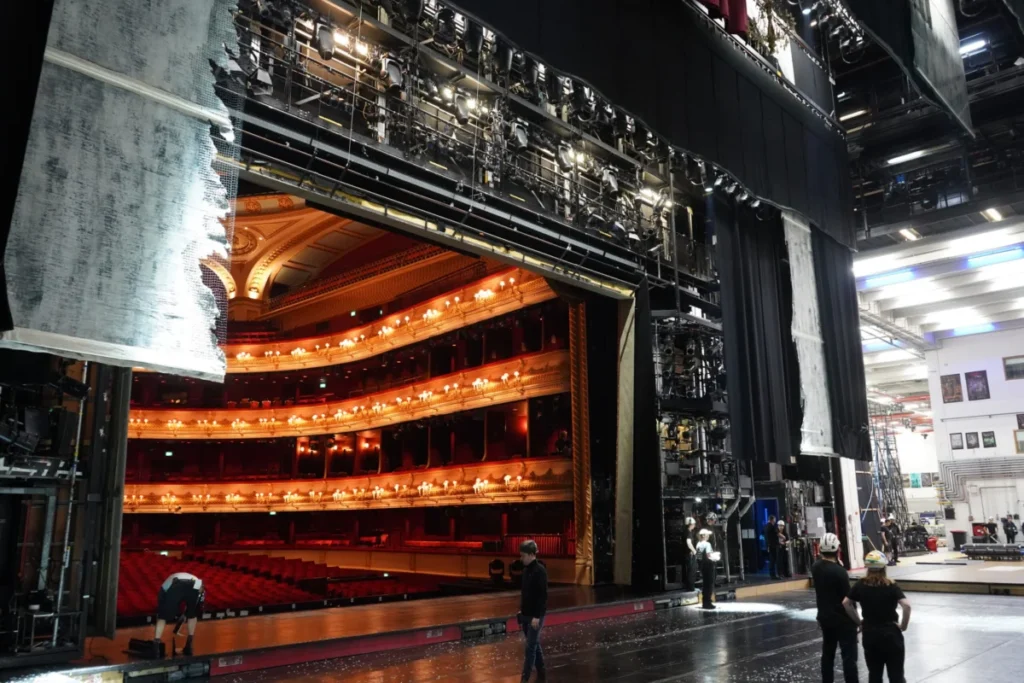
London’s iconic Royal Opera House (ROH) has recently completed a significant technological upgrade to its overstage machinery, implementing a state-of-the-art, customized plastic cable management system designed to support its transition to modern LED lighting technology. This critical modernization, undertaken with long-standing partner igus, underscores the complex engineering backbone essential for delivering world-class live performances at one of the globe’s premier artistic institutions. The project ensures enhanced operational safety, improved energy efficiency, and a refined aesthetic experience for audiences and performers alike, cementing the ROH’s position at the forefront of theatrical innovation.
The Imperative for Modernization: A Quarter-Century of Service and the Dawn of LED

Live theatre, particularly at the scale and prestige of the Royal Opera House, is a meticulous blend of artistic brilliance and sophisticated engineering. Behind every breathtaking ballet and resonant opera performance lies a hidden technical ecosystem responsible for the precise, silent, and safe movement of heavy overhead lighting trusses and scenic elements. For 25 years, since its initial implementation in 2000, the ROH relied on a robust energy chain system supplied by motion-plastics manufacturer igus, which flawlessly guided the multitude of cables powering its five vertically moving rows of halogen spotlights. This system proved exceptionally reliable, operating without incident for a quarter of a century.
However, the rapid evolution of lighting technology presented both an opportunity and a challenge. By 2025, the Royal Opera House completed its strategic shift from traditional halogen spotlights to advanced LED units. While this transition marked a significant leap forward in energy efficiency and artistic versatility—offering superior color rendering, reduced heat output, and considerably lower power consumption—it also introduced new engineering complexities. Modern LED fixtures, despite their energy benefits, are often heavier than their halogen predecessors, and the sheer volume of associated cabling for power, data, and control is substantially greater. This increased weight and cabling density exceeded the load-bearing capacity of the existing suspension points and necessitated a comprehensive overhaul of the energy supply system and its supporting infrastructure.
Engineering the Future: A Customized Solution for a Historic Venue
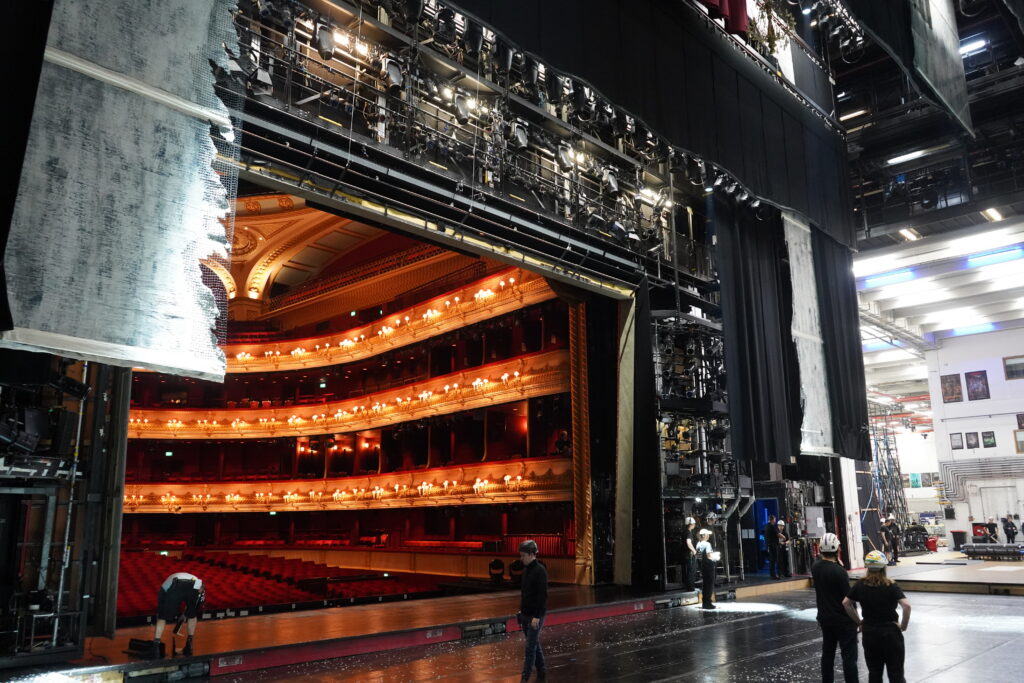
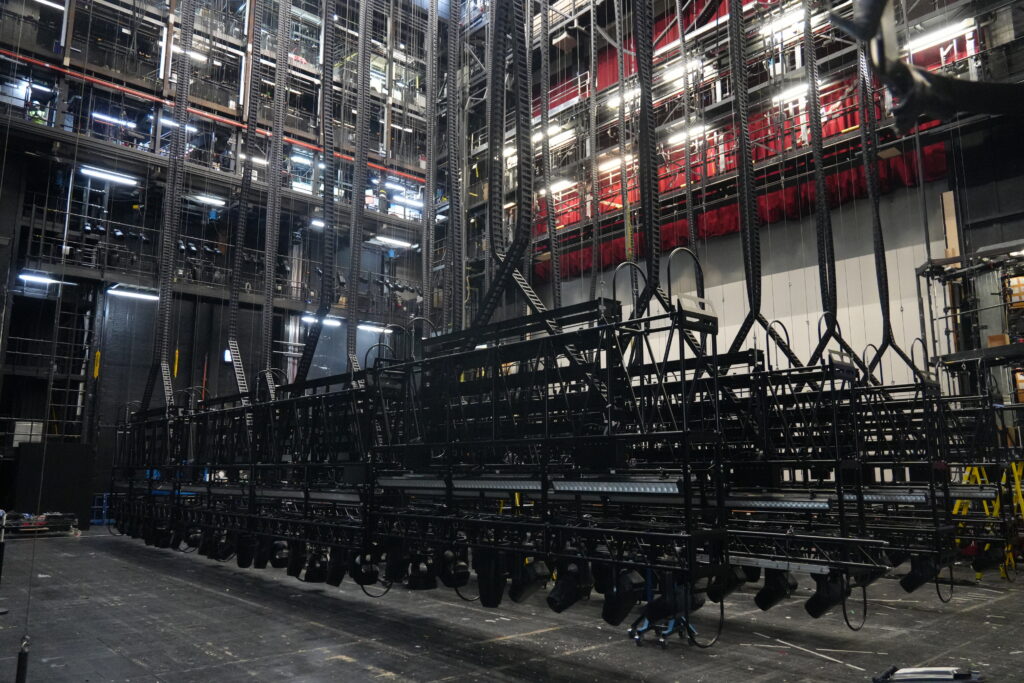
The upgrade project was not merely a replacement but a sophisticated re-engineering effort tailored to the unique demands of the Royal Opera House. The new lighting hoists now comprise five 21-meter-long rows of aluminum trusses, each designed for precise vertical movement at speeds up to 250 millimeters per second, reaching heights exceeding 25 meters. Each row is further segmented into three closely spaced, individually movable units, each featuring a two-truss design with a lower section dedicated to lighting fixtures and a robust main load-bearing section. The new energy supply system had to integrate seamlessly into these main structural trusses, prioritizing space efficiency, inherent stability, and an unwavering commitment to operational reliability. Critically, given the ROH’s demanding schedule of hundreds of annual performances and rehearsals, the system had to remain exceptionally quiet and visually unobtrusive – an invisible guardian of the stage magic.
The igus team, leveraging their deep understanding of the ROH’s operational needs and the successful track record of their previous installation, was once again commissioned to design and supply the appropriate cable management solution. While alternative solutions, such as motorized cable reels, were considered, the immense volume and variety of cabling—including robust motor, bus, data, fiber-optic, and control lines—quickly reaffirmed the zigzag energy chain system as the optimal choice.
The Ingenuity of the Zigzag System: Advantages and Challenges
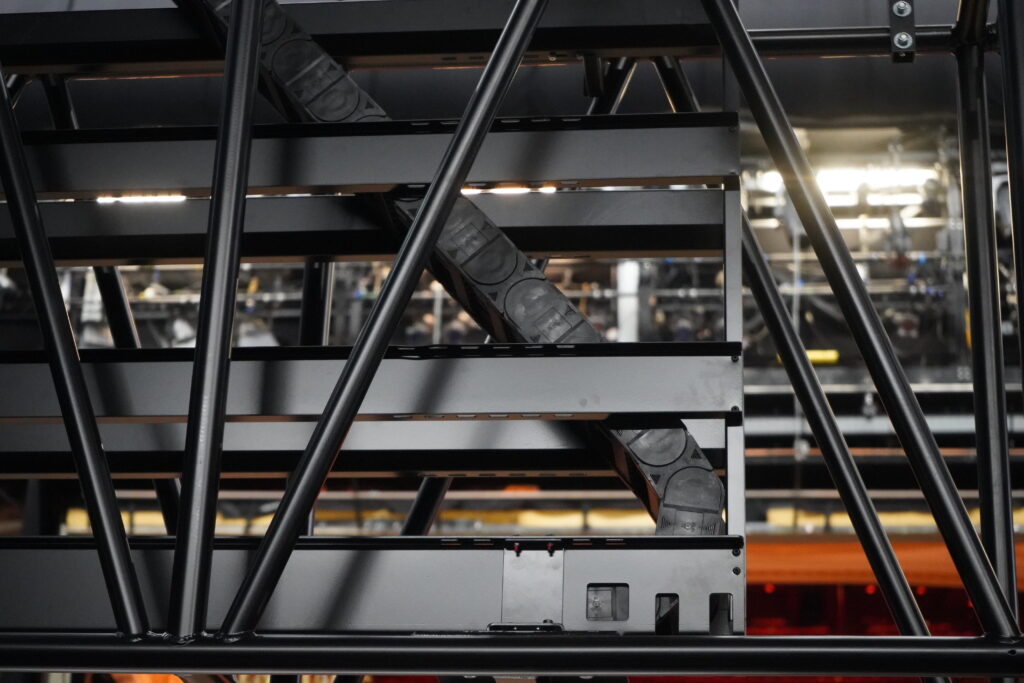
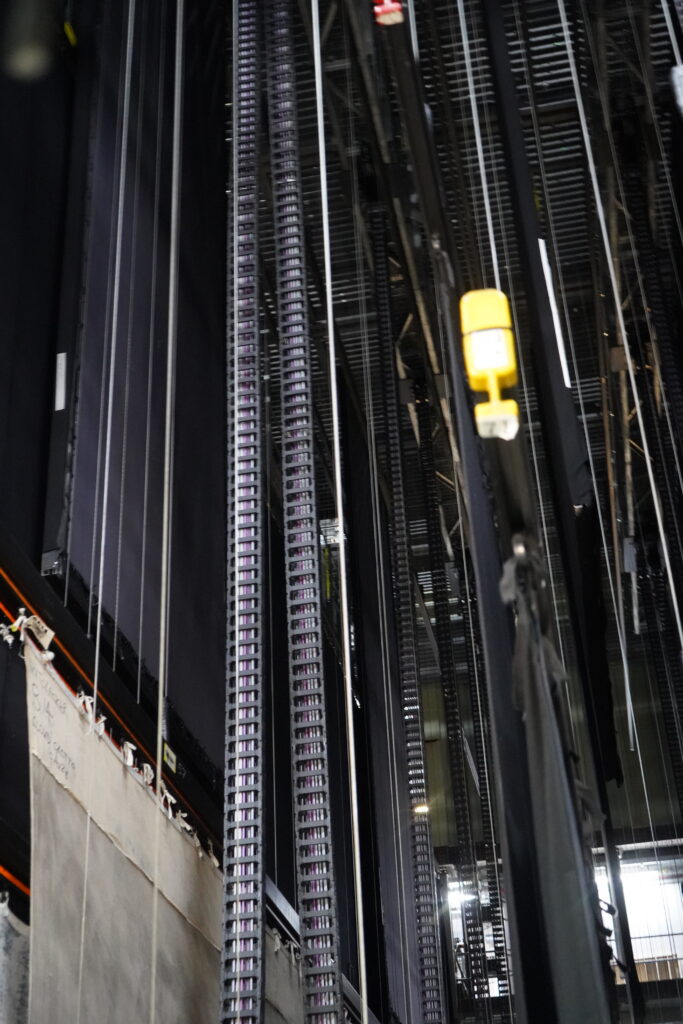
Zigzag energy chain systems operate on a principle of neatly folding the energy chain into a compact basket at the base of the moving platform. As the platform ascends, the chain unfolds smoothly and quietly, extending its reach without placing tensile strain on the enclosed cables. This design offers a highly space-efficient solution for dynamic vertical movements and provides the invaluable benefit of easy accessibility for adding or replacing individual cables, a crucial consideration in a continuously evolving theatrical environment.
However, the inherent geometry of vertically folding zigzag systems can generate a slight pendulum effect during operation. In the context of the ROH’s massive cable load and the closely spaced lighting trusses, this effect was significantly amplified. Initial tests revealed lateral deflections of up to one meter during operation, posing a substantial safety hazard within the confined overstage environment. This presented a formidable engineering challenge: how to harness the advantages of the zigzag system while mitigating its inherent lateral movement.
Counteracting the Pendulum Effect: A Stroke of Engineering Brilliance
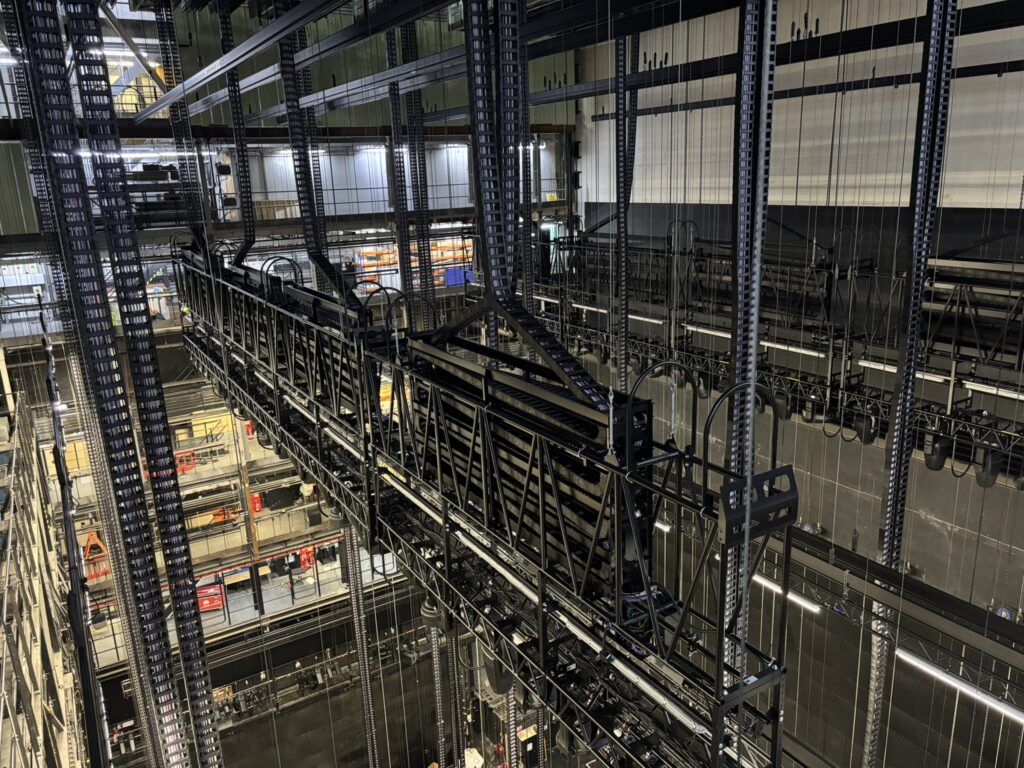
The solution devised by igus engineers demonstrated remarkable ingenuity. To effectively counteract the pendulum effect, the zigzag system was arranged in an innovative opposed pattern. By installing two e-chain energy chains per unit, designed to move in direct opposition to each other, the lateral forces generated by each chain were effectively cancelled out. This elegant mechanical counter-balance dramatically stabilized the system. High-precision laser measurements conducted during testing confirmed the success of this approach, reducing lateral sway from an unacceptable one meter to a mere 20 millimeters. This precision was paramount, ensuring the safety of personnel, preventing collisions between trusses, and maintaining the flawless operation demanded by live performances.
Further customization was implemented for the guide boxes that house these intricate systems. For the central truss units, engineers incorporated two guide boxes, each accommodating one energy chain. On the shorter side units, where space constraints were even more pronounced, a clever design allowed two chains to fold compactly into a single, optimized box.
The Weight Reduction Imperative: Balancing Strength and Structural Limits
Another critical challenge stemmed from the historical architecture of the Royal Opera House and its inherent structural limitations. The original design for the guide boxes, utilizing 2.5-mm-thick steel, resulted in a system weight of approximately 200 kilograms per unit. This figure exceeded the load capacity of the existing hoisting machinery, threatening to compromise the building’s structural integrity if not addressed. The engineering team was tasked with reducing the guide box weight to less than 150 kilograms per unit, a demanding target that required innovative material and design choices.
While the original article does not explicitly detail the specific methods for weight reduction beyond stating "The team addressed this challenge by: [blank list]," it is logical to infer several key strategies based on igus’s expertise in "motion plastics" and general engineering principles:
- Material Substitution: Moving from heavier steel to lighter, high-performance plastics or optimized aluminum alloys for the guide boxes would have been a primary approach. Igus specializes in durable, lightweight polymers that can withstand the demanding conditions of continuous motion while significantly reducing mass.
- Design Optimization: Employing advanced computer-aided design (CAD) and finite element analysis (FEA) could have allowed engineers to optimize the geometry of the guide boxes, removing unnecessary material while maintaining structural rigidity and strength. This often involves intricate lattice structures or strategic ribbing.
- Component Integration: Streamlining the number of individual components within the guide box assembly through intelligent design could also contribute to overall weight reduction.
- Customization for Load Distribution: Distributing the load more effectively across the truss system, perhaps by adjusting attachment points or incorporating additional, lighter support elements, would have been considered to stay within the prescribed limits.
By meticulously implementing these (or similar) strategies, the engineers successfully achieved the stringent weight reduction target, ensuring the safety and long-term viability of the new lighting infrastructure within the historic framework of the Royal Opera House.
The igus Ecosystem: Chains, Cables, and Comprehensive Solutions
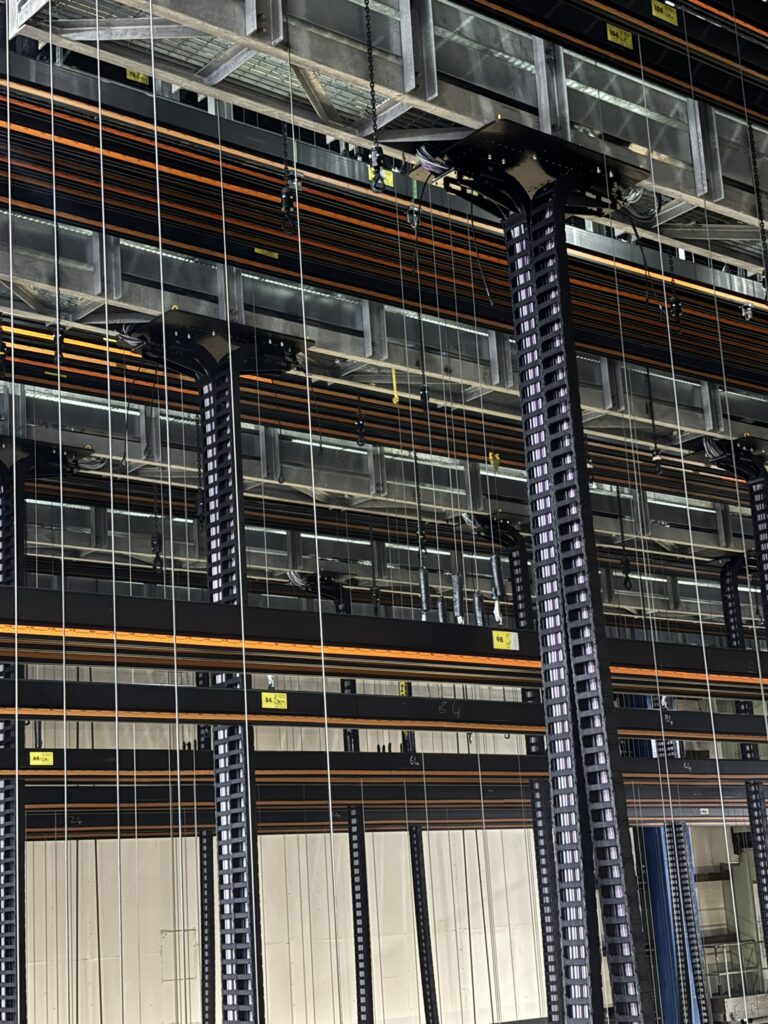
Beyond the specialized zigzag system, the overall igus cable management solution incorporated several other high-performance components. The E4.56 series e-chain was chosen for its proven ability to handle high loads and long travel distances, all while maintaining an exceptionally low-noise profile—a critical requirement in a performance venue where absolute silence is often paramount.
Within these robust energy chains, igus installed a comprehensive suite of its proprietary Chainflex cables. Unlike standard industrial cables, Chainflex cables are specifically engineered and tested for continuous motion, designed to withstand millions of cycles of bending, twisting, and flexing without degradation. This specialized construction ensures exceptional durability and reliability, crucial for the hundreds of performances and rehearsals conducted annually. Furthermore, these cables feature advanced electromagnetic compatibility (EMC) shielding, preventing interference with other sensitive stage equipment, such as audio systems and control signals. Their design also accounts for the specific stresses of vertical travel and the folding action of the zigzag system, guaranteeing uninterrupted power and data transmission.
Seamless Integration and Sustainability Initiatives
The scale of the igus project at the Royal Opera House is impressive: the installation includes over one kilometer of igus chains, collectively weighing nine tons, facilitating a total vertical travel of more than 25 meters at operational speeds of 250 millimeters per second. To meet the ROH’s exceptionally tight four-week maintenance window—a common constraint in busy theatrical schedules—igus delivered 15 complete zigzag systems as ready-to-install units, including pre-assembled boxes, chains, and cables. This approach significantly streamlined the installation process, minimizing downtime and allowing the Royal Opera House to resume its performance schedule without prolonged interruptions.
The project also highlighted a commitment to environmental responsibility through the igus Chainge recycling program. The decommissioning of the original system allowed the Royal Opera House to return 2.4 tons of old energy chains, which were then channeled back into the material cycle, reducing waste and promoting sustainable industrial practices. This initiative aligns with a broader industry trend towards more eco-conscious operational management in large venues.
Implications and Future-Proofing for World-Class Performance
The successful implementation of this advanced cable management system has profound implications for the Royal Opera House.
- Enhanced Artistic Capabilities: The new LED lighting system, enabled by the reliable igus infrastructure, provides unprecedented flexibility and control for lighting designers. This translates into more dynamic, nuanced, and visually stunning stage productions, pushing the boundaries of artistic expression.
- Improved Operational Safety and Efficiency: The meticulously engineered system ensures the safe and silent movement of heavy lighting rigs, drastically reducing the risk of equipment failure or accidents. The ease of maintenance and replacement offered by the zigzag design also contributes to greater operational efficiency, minimizing preparation times between performances.
- Reduced Environmental Footprint: The shift to energy-efficient LED lighting, coupled with the recycling of old components, significantly lowers the ROH’s energy consumption and waste generation, contributing to its broader sustainability goals.
- Longevity and Future-Proofing: The robust design and high-quality materials of the igus system are engineered for extreme durability. The expectation is that this new infrastructure will surpass the impressive 25-year service record of its predecessor, providing reliable operation for decades to come and future-proofing the ROH against evolving technological demands.
- Showcasing Engineering Excellence in the Arts: This project serves as a powerful testament to the vital, albeit often unseen, role of specialized engineering in supporting the performing arts. It demonstrates how cutting-edge industrial solutions can be customized to meet the unique aesthetic and operational demands of a world-renowned cultural institution.
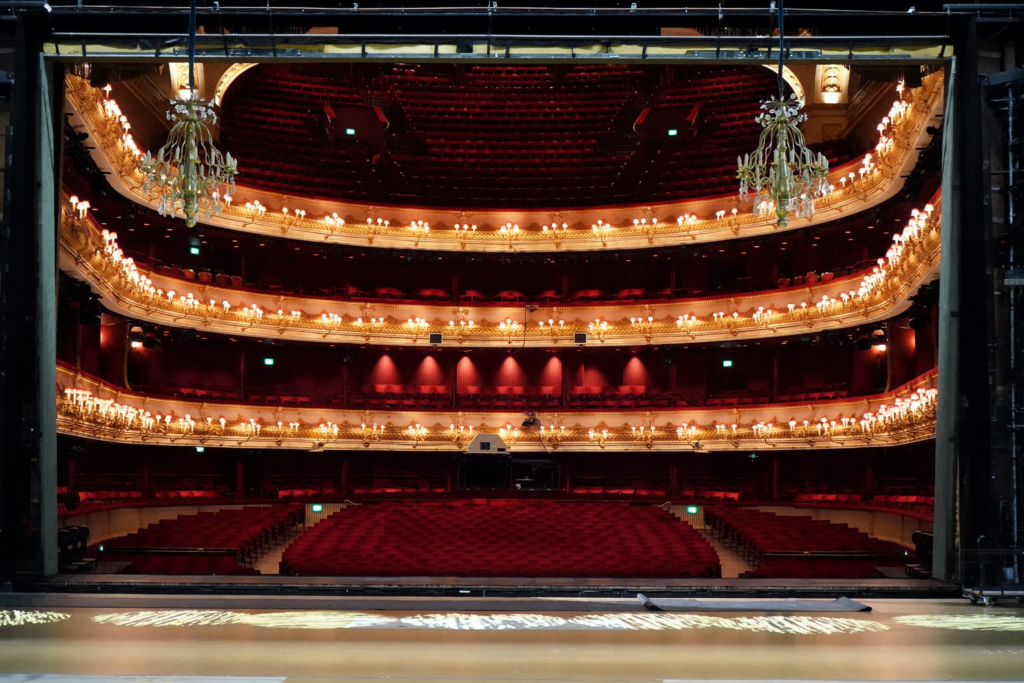
The Royal Opera House, a venue that delivers more than 250 performances annually and seats 2,256 people, is a complex operation supported by a workforce of over 3,000. Its main auditorium is just one ninth of its entire footprint, which includes a 37-meter fly tower capable of holding two full sets simultaneously, and a purpose-built elevator for transporting scenery. The integration of this advanced cable management system is a silent, yet fundamental, component of this intricate machinery. Though invisible to the audience, the precision and reliability of these engineering solutions are absolutely key to the success of every performance, ensuring that the magic on stage is delivered flawlessly, night after night. The Royal Opera House continues to exemplify how tradition and innovation can coalesce to create extraordinary artistic experiences.