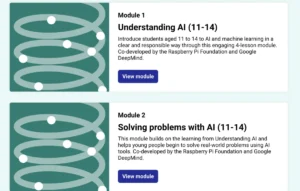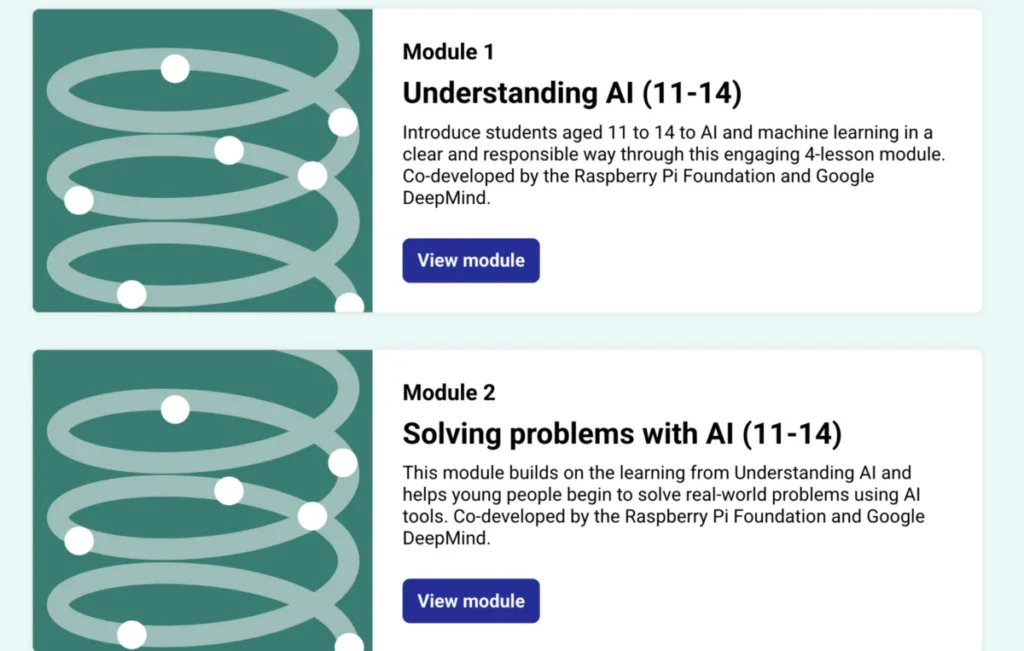
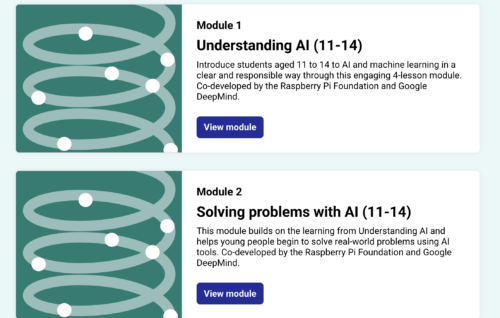
The Raspberry Pi Foundation, in collaboration with Google DeepMind, has announced a significant expansion and update to its Experience AI program, a global initiative designed to equip young people with a foundational understanding of artificial intelligence and machine learning. This move comes as educational systems worldwide grapple with the rapid integration of AI technologies into daily life and the workforce. The updated suite of resources is specifically engineered to support educators who may not be computing specialists, providing them with the tools and confidence to deliver AI literacy across various subjects. Since its inception in 2023, the program’s materials have been downloaded more than one million times by educators in 195 countries, underscoring a massive global demand for structured, accessible AI education.
The latest updates introduce a three-tiered approach to learning: "Discovering AI" for initial engagement, "Foundations of AI" for deeper technical understanding, and a new "Thematic Resources" collection designed for cross-curricular integration. This shift reflects a strategic pivot by the Raspberry Pi Foundation to move beyond the traditional boundaries of computer science departments. By organizing lessons around themes such as the environment, creativity, ethics, and critical thinking, the program enables teachers of geography, art, citizenship, and business studies to incorporate AI literacy into their existing curricula without requiring additional instructional time.
The Evolution of AI Literacy in Global Education
The rapid emergence of generative AI and large language models (LLMs) in late 2022 and throughout 2023 created an immediate vacuum in global education. While students began utilizing these tools almost instantly, many teachers felt unprepared to explain the underlying mechanics, ethical implications, or practical limitations of the technology. The Raspberry Pi Foundation launched Experience AI to bridge this gap, focusing on 11- to 14-year-olds—a critical age for developing technological agency.
According to data from the Raspberry Pi Foundation, the program has already established a footprint in over 40 countries through partnerships with local organizations. These partners assist in training educators to navigate the complexities of AI, ensuring that the content is culturally and linguistically relevant. The decision to update the resources in 2024-2025 was driven by feedback from this global network, which highlighted two primary challenges: a lack of specialized computing teachers and a lack of flexible time within national curricula.
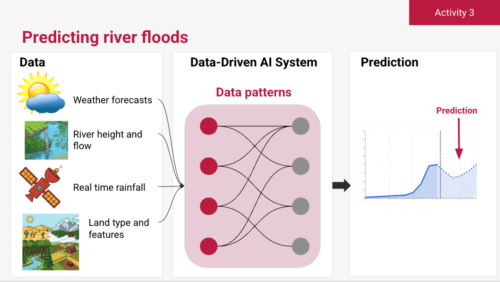
The thematic approach is the Foundation’s direct response to these barriers. By creating a lesson on AI-generated media that can be taught in an art class, or a unit on flood forecasting that fits into a geography syllabus, the program bypasses the "silo effect" that often limits emerging technology education to the computer lab.
A Chronology of the Experience AI Initiative
The development of Experience AI follows a structured timeline that mirrors the accelerating pace of the AI industry:
- Early 2023: The Raspberry Pi Foundation and Google DeepMind officially launch Experience AI. The initial focus is on providing a six-lesson unit covering the basics of AI, machine learning, and data ethics.
- Late 2023: The program hits its first major milestone, reaching 195 countries. Feedback from early adopters in Canada, Kenya, and the UK suggests a need for shorter, "plug-and-play" lessons for younger students.
- Mid-2024: Partnership with Digital Moment in Canada leads to the co-creation of specialized units focusing on social media algorithms and environmental modeling.
- Late 2024/Early 2025: The Raspberry Pi Foundation unveils the updated suite, introducing the "Discovering AI" single-lesson format and the broader thematic resource library.
- Future Outlook: The Foundation has committed to an ongoing feedback loop, where classroom data from partner organizations will dictate the development of new modules, particularly those focusing on the ethical use of generative AI in creative industries.
Analysis of the Three-Tiered Resource Structure
The updated Experience AI suite is categorized to serve different levels of student maturity and teacher expertise.
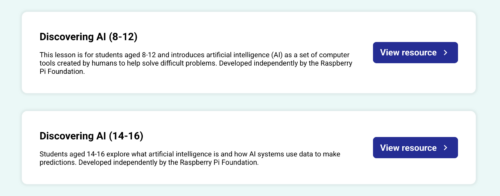
1. Discovering AI (Ages 8–16)
These resources are designed as single-lesson introductions. Recognizing that many teachers may only have one hour to dedicate to the topic, these lessons focus on "what is AI?" and "how does it affect me?" They utilize age-appropriate activities to demystify how computers "learn" from data, moving away from the "magic box" perception of technology.
2. Foundations of AI
For schools with the capacity to dive deeper, the Foundations units provide a comprehensive look at the machine learning pipeline. Students explore how models are trained, the importance of data quality, and how to evaluate the success of an AI system. This tier is essential for students considering careers in STEM, as it provides the technical grounding necessary for further study.
3. Thematic and Cross-Curricular Resources
This is the most significant departure from the original program. The thematic resources address AI through the lens of other subjects:
- Environment: Exploring AI’s role in climate change, from the energy consumption of data centers to the use of machine learning in flood forecasting.
- Creativity: Examining how AI-generated media impacts the arts and how to distinguish between human and machine-generated content.
- Ethics and Critical Thinking: Encouraging students to question bias in algorithms and the societal implications of automated decision-making.
Global Impact and Supporting Data
The scale of the Experience AI program provides a unique data set regarding the state of global technology education. With over a million downloads, the program is one of the most widely adopted AI literacy frameworks in the world.
In a recent assessment of the program’s reach, the Raspberry Pi Foundation noted that the highest engagement often comes from regions where digital transformation is a national priority but teacher training lags behind infrastructure. By providing free, high-quality materials, the program helps mitigate the "digital divide," ensuring that students in developing economies have the same access to AI literacy as their peers in tech hubs.
Furthermore, the collaboration with Google DeepMind brings industrial-grade expertise to the pedagogical expertise of the Raspberry Pi Foundation. Google DeepMind’s researchers contribute insights into the latest developments in neural networks and ethical AI, ensuring that the curriculum remains current in a field that changes monthly.
Official Responses and Educational Philosophy
The Raspberry Pi Foundation has maintained a clear stance: AI literacy is a fundamental right in the 21st century. "Experience AI equips young people with a meaningful understanding of artificial intelligence and machine learning by giving educators the knowledge and confidence to teach these topics in ways that suit their classrooms," the Foundation stated in its latest update.
Educators involved in the pilot programs have echoed this sentiment. Feedback from Digital Moment in Canada indicated that the flexibility of the new materials was the most valued feature. Teachers reported that they felt less intimidated by the subject matter when it was framed within a context they already understood, such as environmental science or social studies.
The philosophy behind the "thematic" shift is rooted in the reality that AI is no longer a standalone tool. It is an "omni-use" technology, similar to electricity or the internet. Therefore, the Foundation argues, teaching it in isolation is no longer effective. Students must understand how AI interacts with biology, politics, and economics to truly be "AI literate."
Broader Implications and Future Outlook
The expansion of Experience AI has profound implications for the future workforce. As AI continues to automate routine tasks, the "human-in-the-loop" skills—critical thinking, ethical judgment, and the ability to work alongside AI—become more valuable. By targeting 8- to 16-year-olds, the program is preparing the next generation of workers for a labor market that will be radically different from the current one.
However, challenges remain. While the resources are free, the "digital gap" in hardware access still persists in many of the 195 countries reached by the program. Additionally, as AI technology evolves toward more autonomous agents, the curriculum will need to shift from "how it works" to "how to govern it."
The Raspberry Pi Foundation’s commitment to refining these resources in response to global feedback suggests a long-term investment in the social infrastructure of the AI era. By empowering teachers—the gatekeepers of knowledge—the program ensures that AI literacy is not just for the elite, but a standard part of every child’s education.
As the program continues to grow, the focus will likely shift toward more interactive and browser-based tools that allow students to train their own small-scale models, further demystifying the technology. For now, the transition to a thematic, cross-curricular model marks a turning point in how the world approaches the challenge of teaching the most transformative technology of our time.