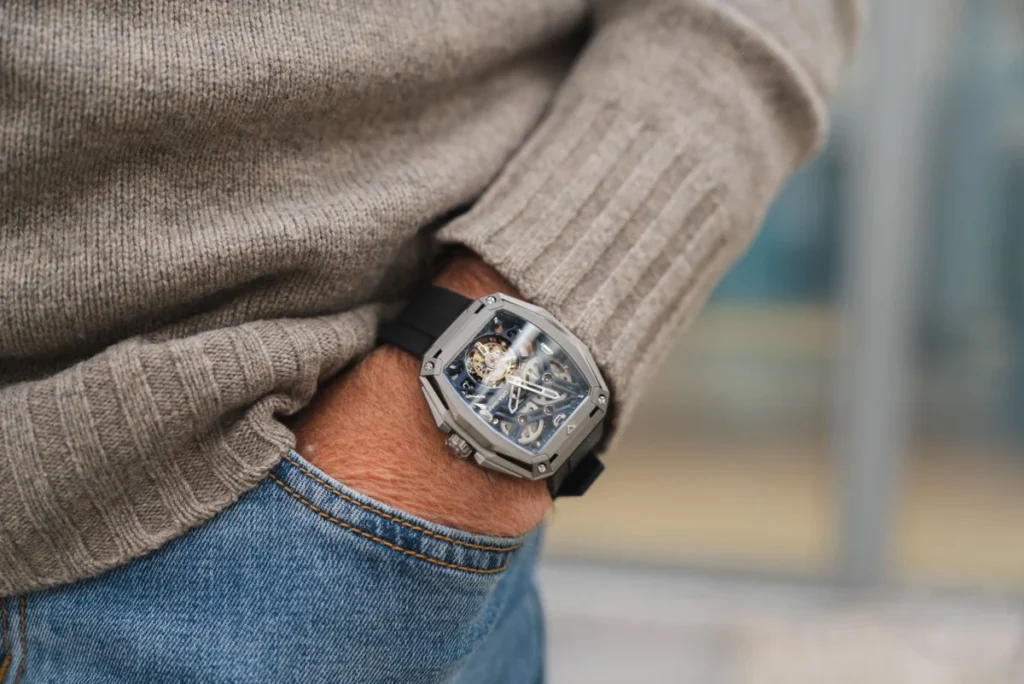
CIGA Design, a Shenzhen-based watch manufacturer established in 2016, has steadily carved out a niche in the competitive horological landscape. The brand’s trajectory saw a significant inflection point in 2021 when its "Blue Planet" timepiece clinched the prestigious Challenge Watch Prize at the Grand Prix d’Horlogerie de Genève (GPHG). This recognition served as a powerful endorsement, propelling CIGA Design to further develop its established model lines—Aventur, Everest, Zodiac, and Edge—and invest in proprietary calibers. The CIGA Hunter Tourbillon, a recent addition to the Edge series, represents the brand’s most ambitious undertaking to date, featuring a sophisticated skeletonized architecture and a coveted tourbillon complication. This article delves into the intricacies of the Hunter Tourbillon, examining its design, mechanics, and its positioning within the broader watchmaking market, particularly in comparison to its Swiss counterparts.
A Deeper Dive into the Hunter Tourbillon
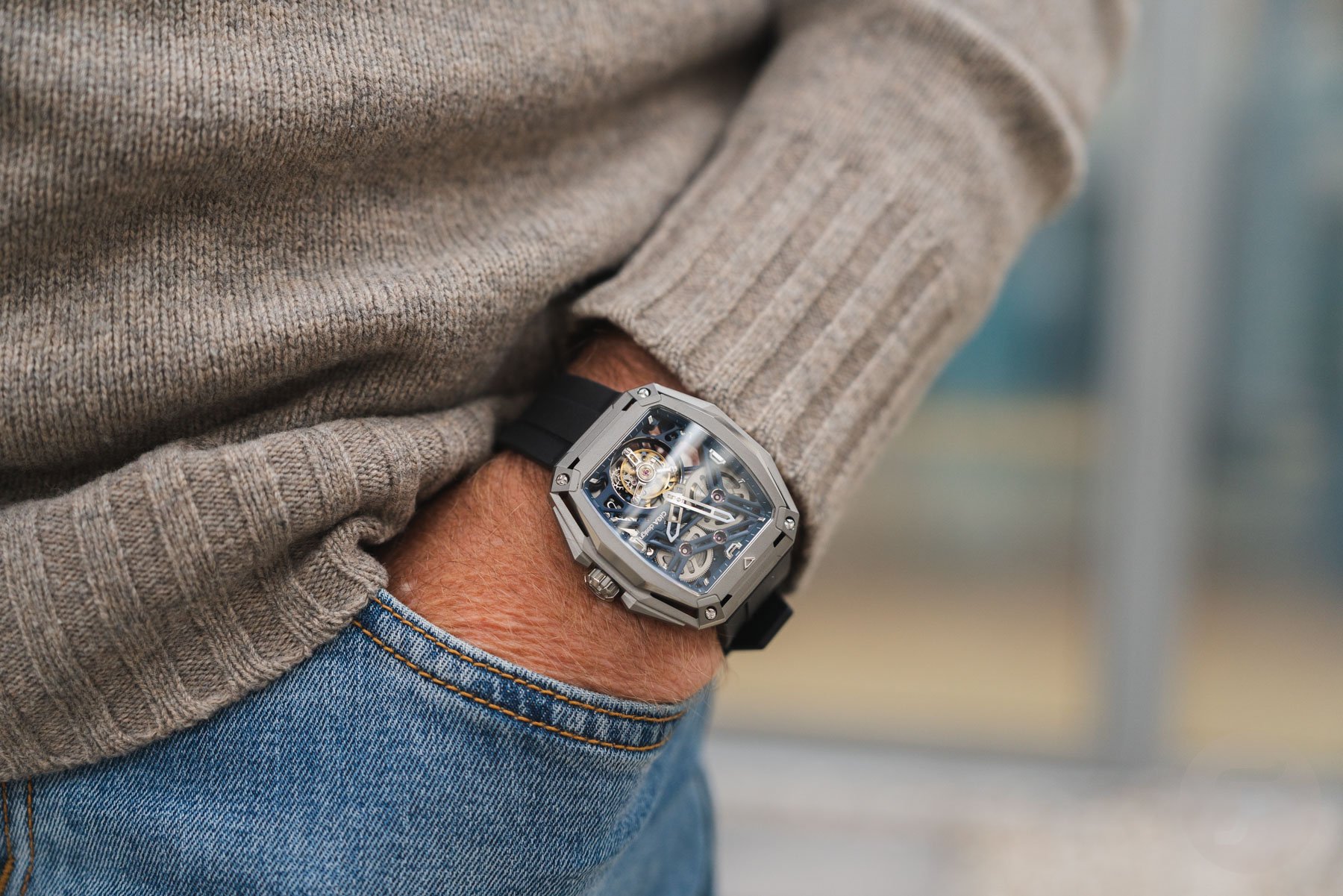
The Hunter Tourbillon is positioned as the pinnacle of the reworked Hunter family, distinguished by its intricate skeletonization and the inclusion of a tourbillon. Priced at €2,199 / US$1,999, it represents a significant investment compared to its siblings, such as the Hunter Titanium Automatic (€999 / US$899). The watch is available in Carbon, Silver, and Blue colorways, with this review focusing on the latter.
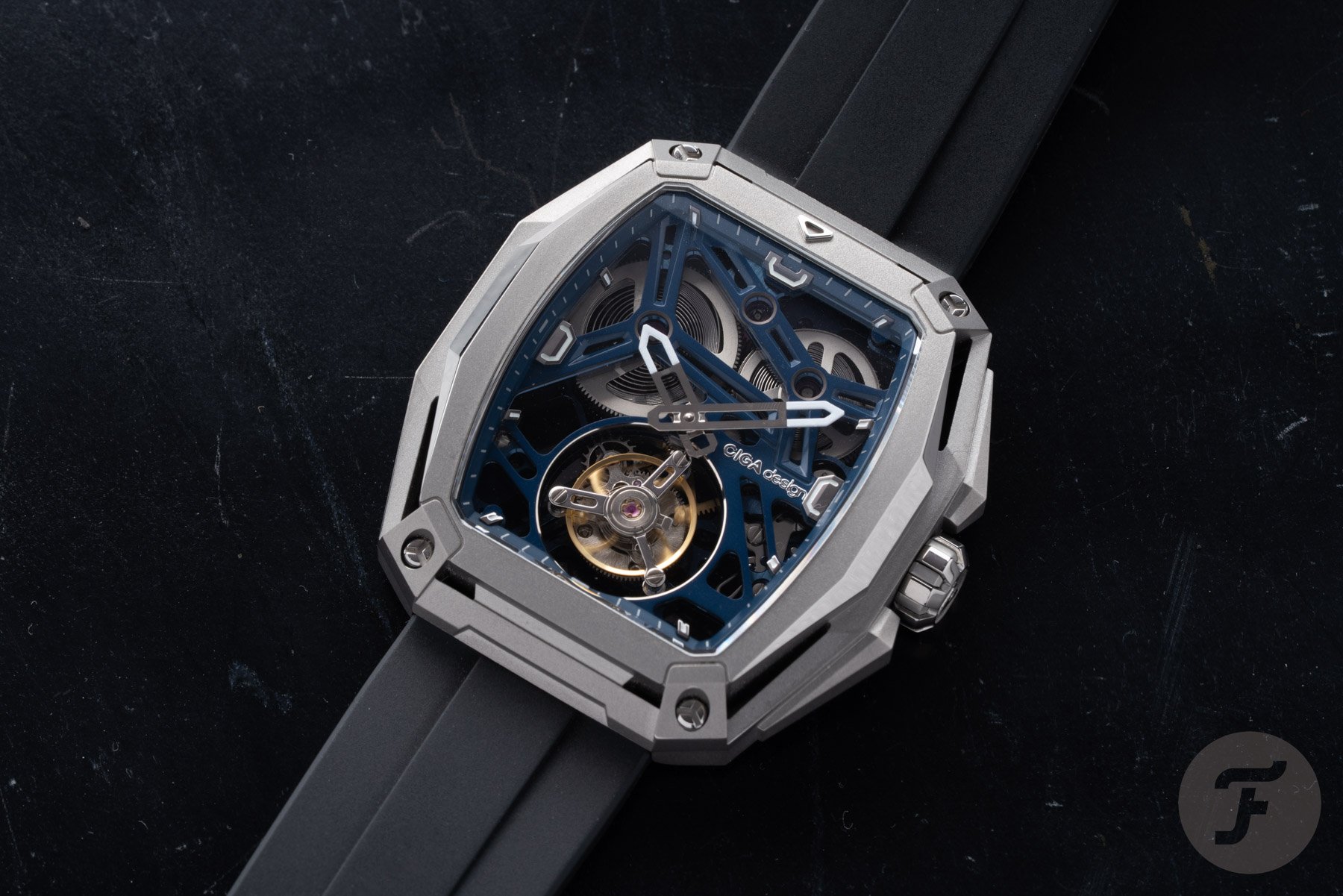
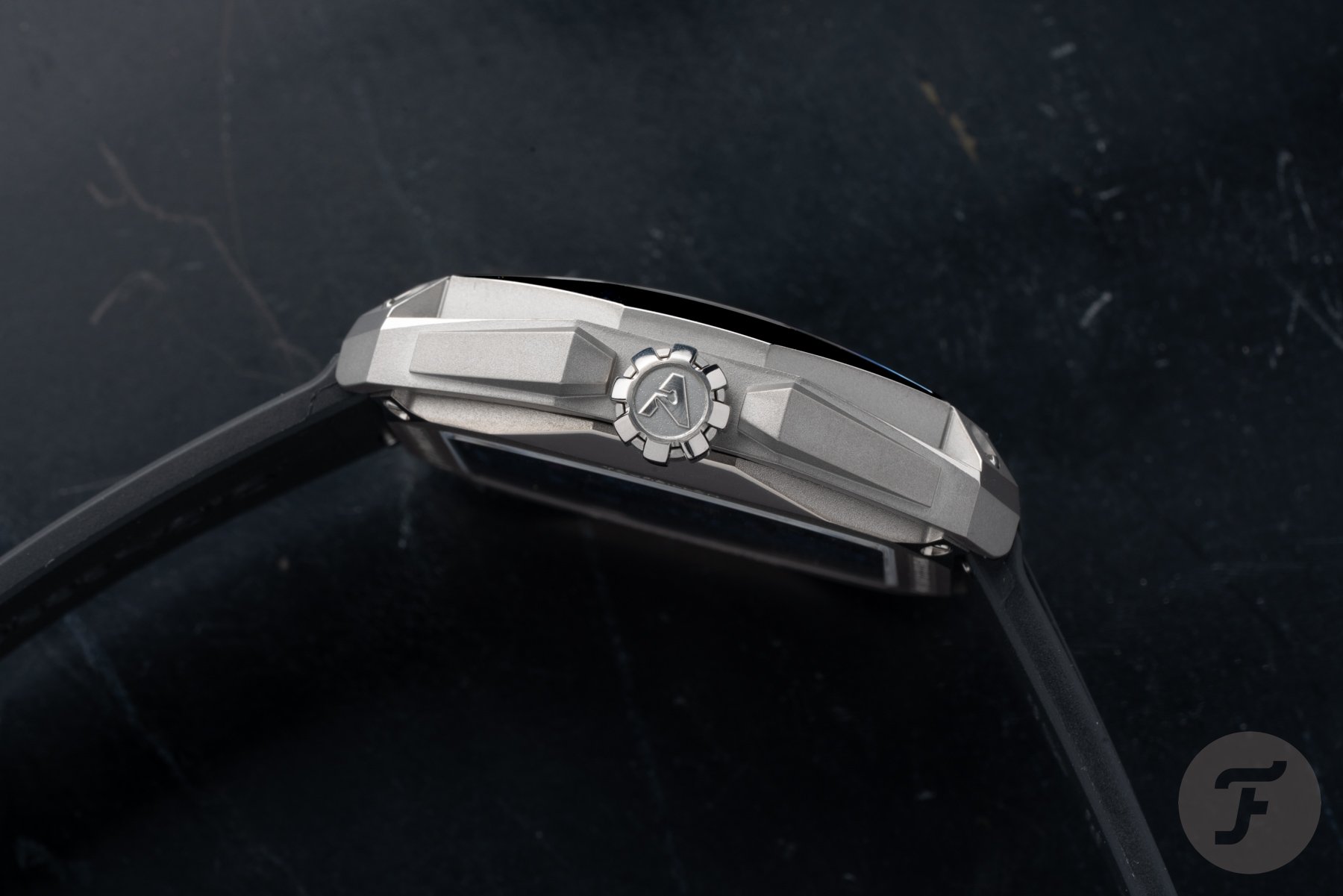
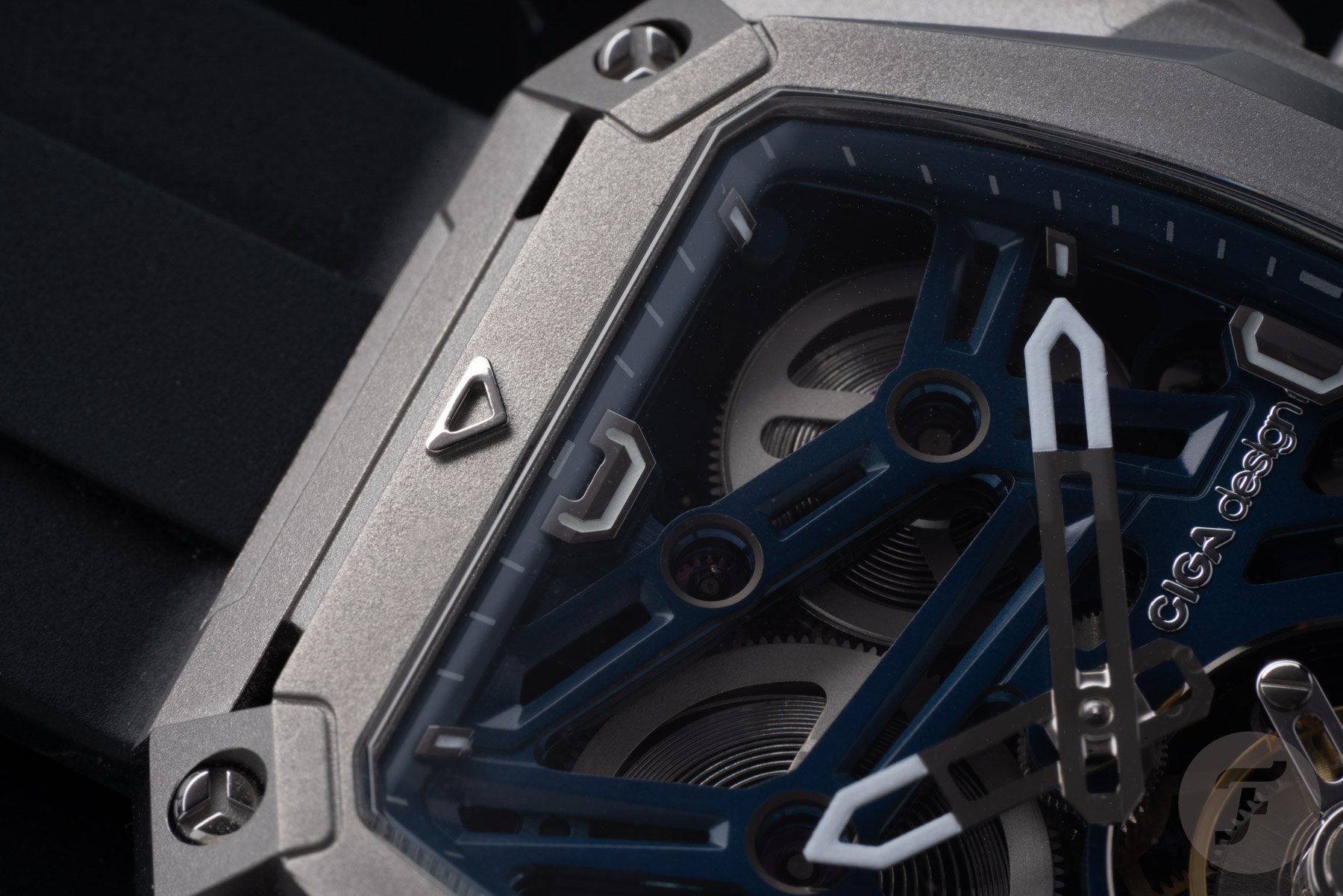
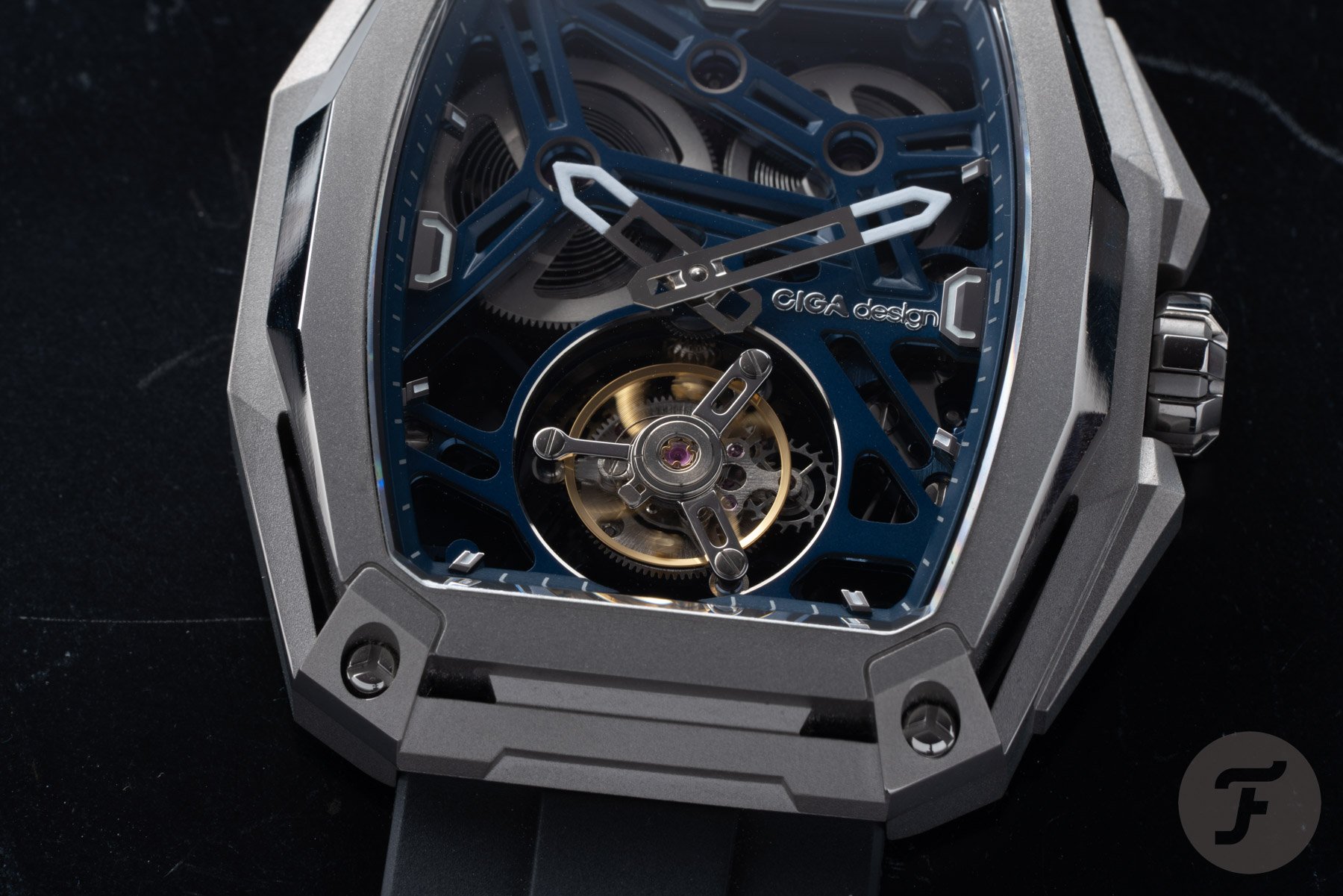
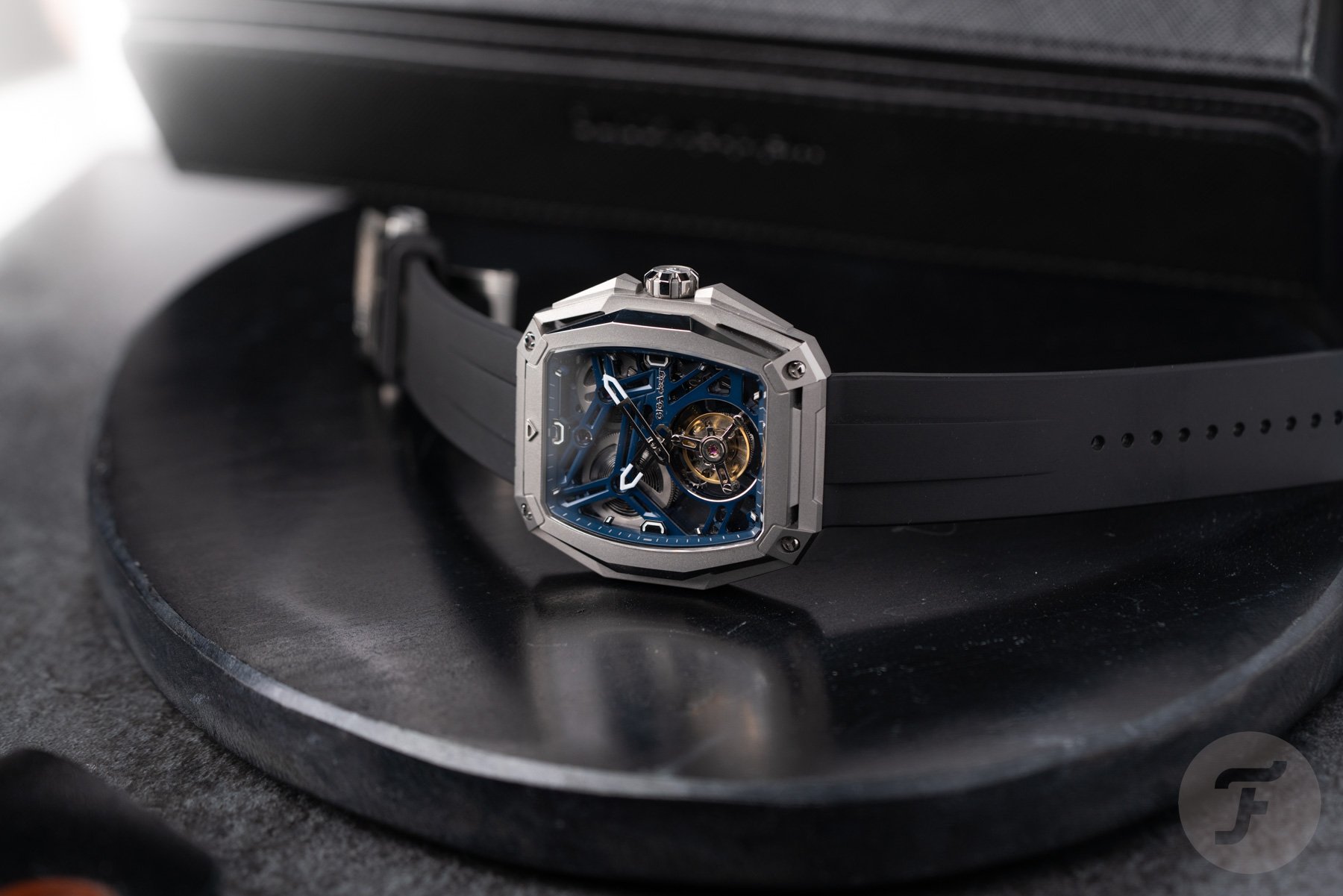
The watch case, crafted from Grade 5 titanium, measures 41.5mm in width, 47.45mm in length, and 12.4mm in thickness. Its lugless design means the case length also serves as the lug-to-lug measurement, contributing to its streamlined profile on the wrist. The flanks feature stepped cutouts, and the corners are accented with Y-grooved bezel screws. This design evolution, compared to earlier Hunter models, is perceived as more resolved. The added openings contribute to a lighter visual aesthetic, aligning harmoniously with the skeletonized dial. A curved sapphire crystal protects the front, while a flat sapphire crystal is utilized for the case back, offering a glimpse into the mechanical artistry within.
Strap and Bracelet Options: Versatility and Comfort
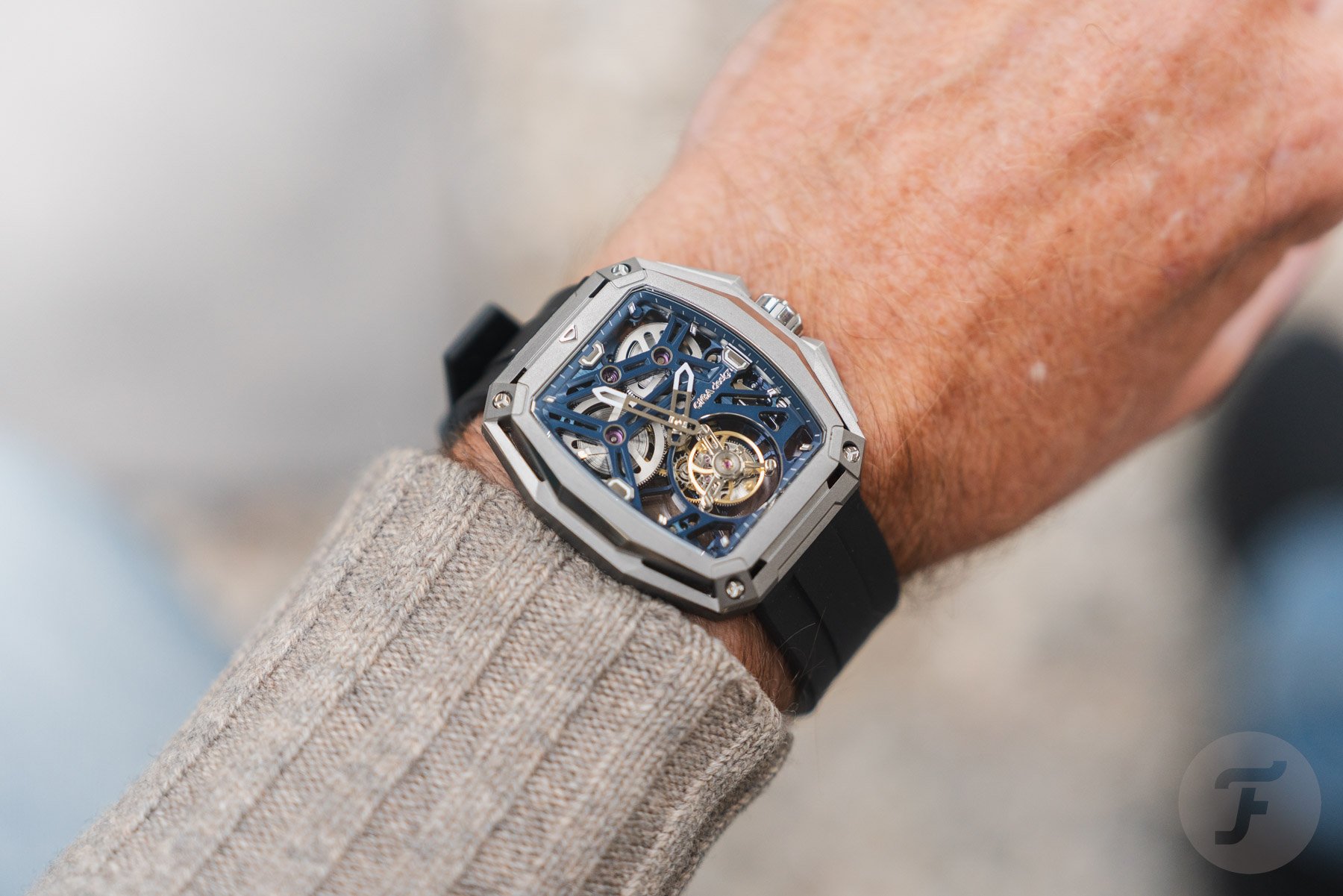
Weighing 94.6 grams with the fluororubber strap and its push-button butterfly clasp, the Hunter Tourbillon offers a comfortable wearing experience. The 22/20mm strap, while potentially lengthy for smaller wrists, provides ample adjustment options. A notable inclusion with the Tourbillon variant is the Grade 2 titanium H-link bracelet, identical to the one found on the automatic Hunter Titanium. This dual offering—a high-quality rubber strap and a robust titanium bracelet—enhances the watch’s versatility, allowing wearers to tailor it to different occasions and preferences.
While the reviewer admits a general disinterest in rubber straps, the CIGA Hunter’s implementation is praised for its comfort and its ability to draw attention to the watch itself. The inclusion of both strap and bracelet as standard is a significant value proposition, offering considerable flexibility without additional cost.
The Intricacies of the CD-011 Caliber
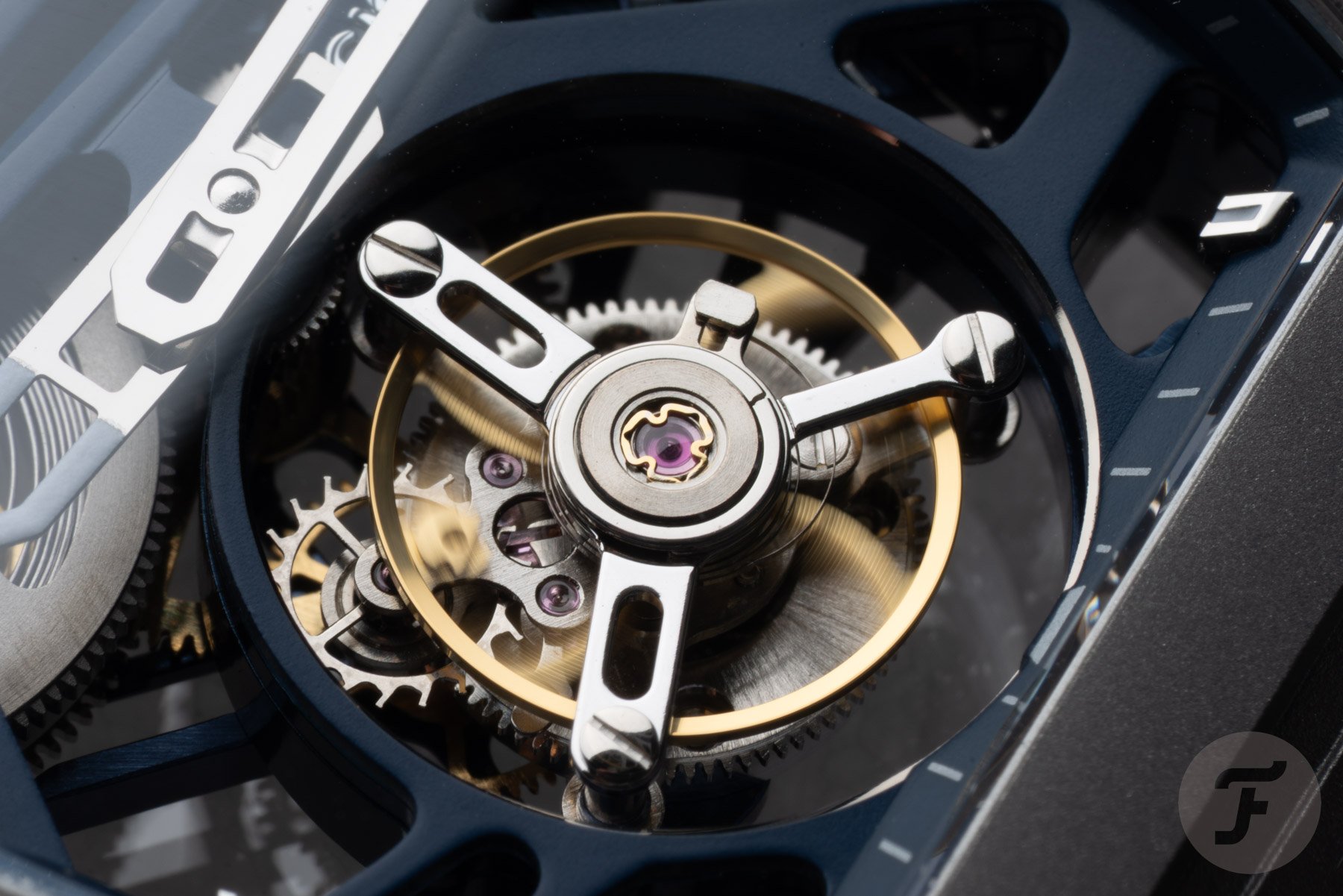
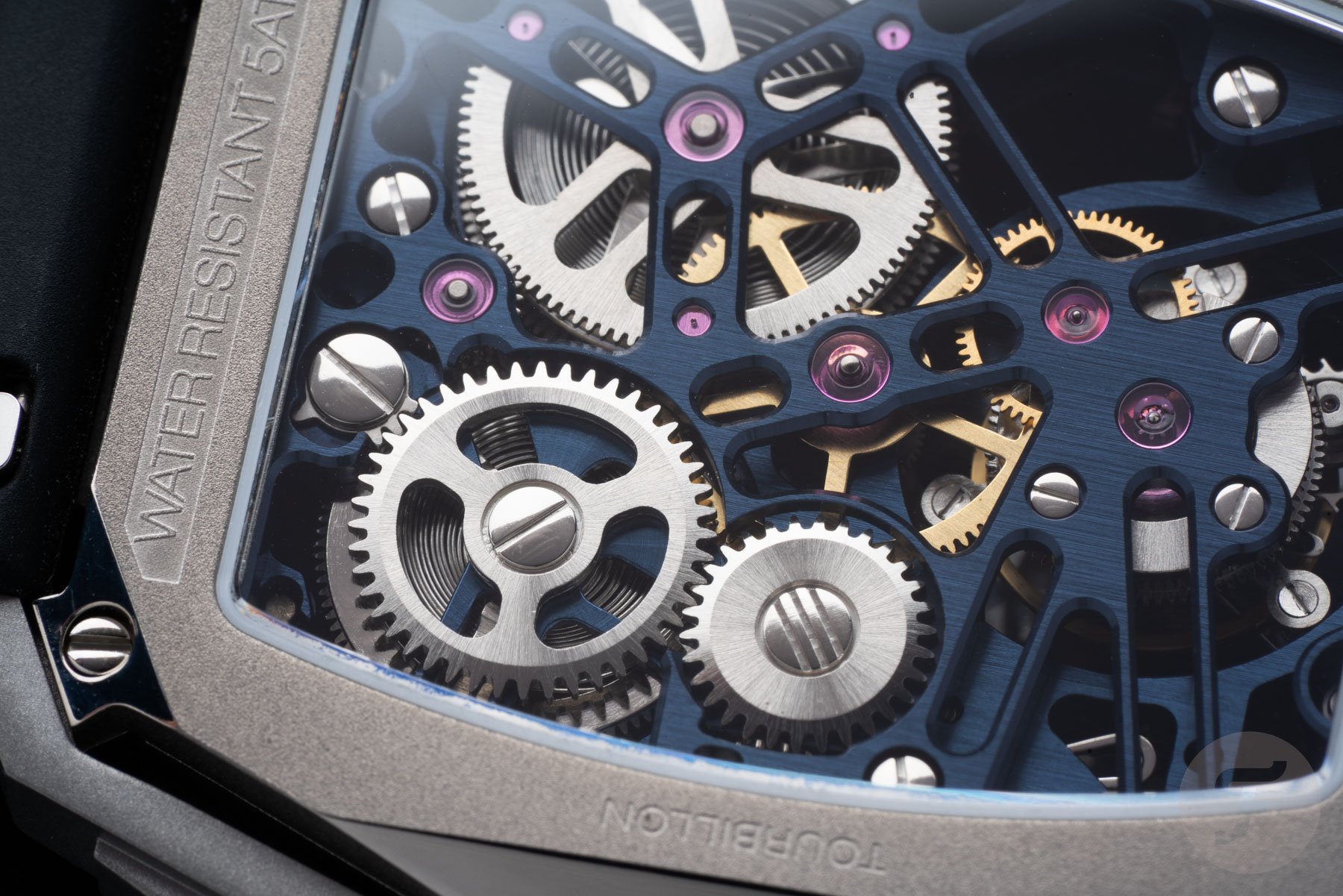
At the heart of the Hunter Tourbillon lies the CD-011, a hand-wound, 26-jewel skeleton movement developed in-house by CIGA Design. This caliber boasts twin barrels, providing an impressive 72-hour power reserve, and operates at a frequency of 28,800 vibrations per hour (4Hz). The tourbillon is a "flying" tourbillon, a more complex construction that eschews a bridge for the tourbillon cage, giving it a visually suspended appearance. Positioned at the 6 o’clock mark, the three-armed cage completes a full rotation every minute, a hallmark of traditional tourbillon designs.
The Blue version of the Hunter Tourbillon features bridges with a semi-matte blue coating, which creates a striking contrast with the chamfered edges and polished jewel-mounting holes. This detail, according to the reviewer, lends a depth and visual richness that might not be fully appreciated from static images, setting it apart from the Carbon and Silver variants.
While the complexity of the CD-011 caliber, with its twin barrels and hand-winding mechanism, results in a more visually dense display compared to the automatic Hunter Titanium, it offers a greater depth of mechanical appreciation. The winding process is described as smooth and uncomplicated, though fully depleting the 72-hour power reserve necessitates a considerable number of crown turns.
Legibility and Accuracy: Functionality Meets Form
Legibility in a fully skeletonized watch can be a challenge, but the Hunter Tourbillon manages this aspect effectively. The 11 applied indexes—the 6 o’clock position being occupied by the tourbillon cage—are treated with Super-LumiNova, as are the hands. This ensures visibility in various lighting conditions. CIGA Design specifies an accuracy of -10/+20 seconds per day. The review unit exhibited a daily deviation of just under 20 seconds fast. However, the article rightly points out that accuracy is not the primary driver for acquiring a tourbillon timepiece.
The Enduring Allure of the Tourbillon
To fully appreciate the CIGA Hunter Tourbillon, it is essential to understand the historical context and purpose of the tourbillon complication. Invented by Abraham-Louis Breguet and patented in 1801, the tourbillon (French for "whirlwind") was conceived to counteract the effects of gravity on the balance wheel and hairspring of pocket watches, which were predominantly worn vertically. By housing the escapement and balance wheel in a rotating cage, Breguet aimed to minimize positional errors and enhance timekeeping precision.
However, the practical necessity of the tourbillon has diminished significantly in the context of wristwatches. The constant movement of the wearer’s arm naturally alters the watch’s position, mitigating the gravitational forces that plagued stationary pocket watches. Furthermore, the added mass and complexity of the tourbillon cage can, in some instances, introduce its own mechanical challenges to precision.
Today, the tourbillon’s primary value lies in its demonstration of horological artistry and the captivating visual spectacle of the rotating cage. It is a testament to a watchmaker’s skill and a source of aesthetic pleasure for the enthusiast. The CIGA Hunter Tourbillon embraces this modern interpretation, offering a visually engaging display of a complex mechanism at a more accessible price point than many traditional Swiss luxury tourbillons.
Market Positioning and Value Proposition
The Hunter Tourbillon retails at €2,199 / US$1,999. This positions it considerably above the automatic Hunter Titanium (€999 / US$899) and the non-titanium models (€649 / US$599). The significant price jump to the tourbillon variant reflects the inherent cost and complexity of developing and manufacturing such a complication, especially with an in-house caliber.
While CIGA Design does not claim parity with high-end Swiss tourbillons in terms of finishing or movement construction, the Hunter Tourbillon offers compelling value for those seeking an entry into the world of tourbillon watches. The combination of a Grade 5 titanium case, a skeletonized in-house movement, and the inclusion of both a bracelet and a strap at this price point is a noteworthy achievement.
Analysis of Implications
CIGA Design’s successful foray into tourbillon watchmaking, particularly with an in-house caliber, has several implications for the broader watch industry. Firstly, it challenges the perception that complex complications are solely the domain of established European luxury brands. It demonstrates that manufacturers in emerging watchmaking hubs can develop sophisticated mechanical movements and create attractive, well-finished timepieces.
Secondly, the pricing strategy of the Hunter Tourbillon makes the tourbillon complication more accessible to a wider audience of watch enthusiasts. This democratization of a historically exclusive complication could potentially broaden interest in mechanical watchmaking and encourage further innovation across different price segments.
The brand’s ability to achieve GPHG recognition with the Blue Planet further solidifies its credibility. This award, highly regarded within the horological community, signifies a commitment to quality and design innovation. The continued development of proprietary calibers, as seen with the CD-011, is crucial for CIGA Design’s long-term growth and its ability to differentiate itself in a crowded market.
Conclusion: A Watch for the Discerning Enthusiast
The CIGA Hunter Tourbillon is a timepiece that defies easy categorization. It is neither a traditional dress watch nor a conventional sports watch. Its strength lies in its unapologetic embrace of mechanical complexity and skeletonization, making it a compelling choice for individuals who are captivated by the intricate dance of gears and springs.
For those whose primary interest lies in the aesthetic appeal of a skeletonized watch, the automatic Hunter Titanium offers a more practical and arguably more visually cohesive experience. However, for the enthusiast who desires the exclusivity of a flying tourbillon, the mesmerizing motion of its cage, the tactile engagement of a hand-wound movement, and the extended power reserve, the Hunter Tourbillon presents a unique and well-executed proposition. The vibrant blue of its movement bridges adds a distinctive visual flair, enhancing its appeal as a conversation piece and a testament to modern horological craftsmanship. The question for potential buyers then becomes not just about owning a watch, but about appreciating the art and engineering that goes into its creation.