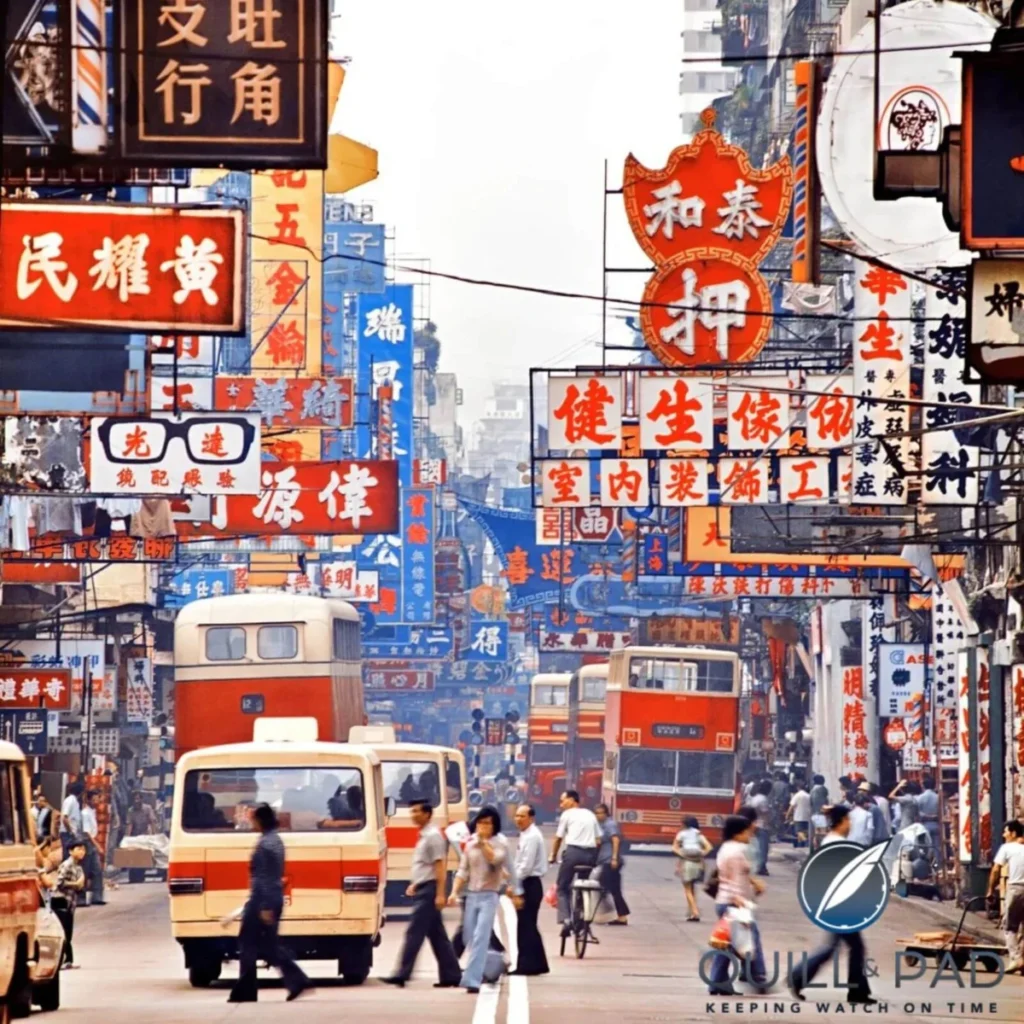
Trade fairs serve as vital conduits for commerce across numerous sectors, with the watch industry being a prime example where such events are crucial for showcasing innovation and fostering connections. However, not all trade fairs are created equal; each possesses a unique character, often reflecting the local economic and cultural landscape. While events like Geneva Watch Days are characterized by a formal, almost ceremonial atmosphere, the Hong Kong Watch & Clock Fair presents a starkly different, high-octane experience. It’s a vibrant, dynamic gathering, reminiscent of a bustling open-air market, offering a potent blend of business opportunities and energetic engagement.
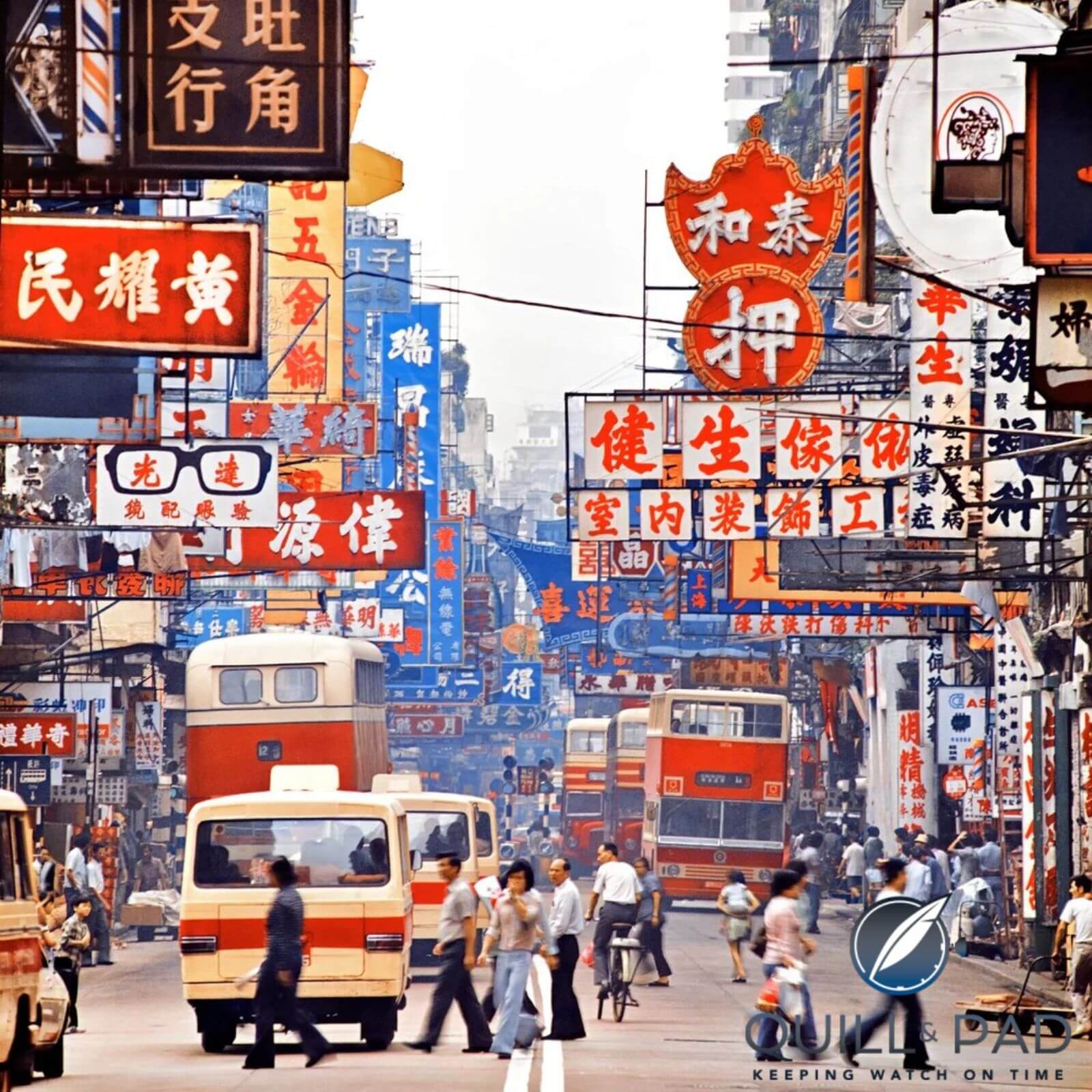
The Hong Kong Watch & Clock Fair, an annual cornerstone of the global horological calendar, has evolved significantly over the years. Established to promote Hong Kong’s prowess in watch manufacturing and design, the fair has grown to become a comprehensive platform showcasing the entire value chain of the watchmaking industry. It brings together manufacturers, suppliers, designers, brands, and buyers from around the world, fostering a unique ecosystem that blends traditional craftsmanship with modern entrepreneurial spirit.
A Nexus of the Watchmaking Ecosystem
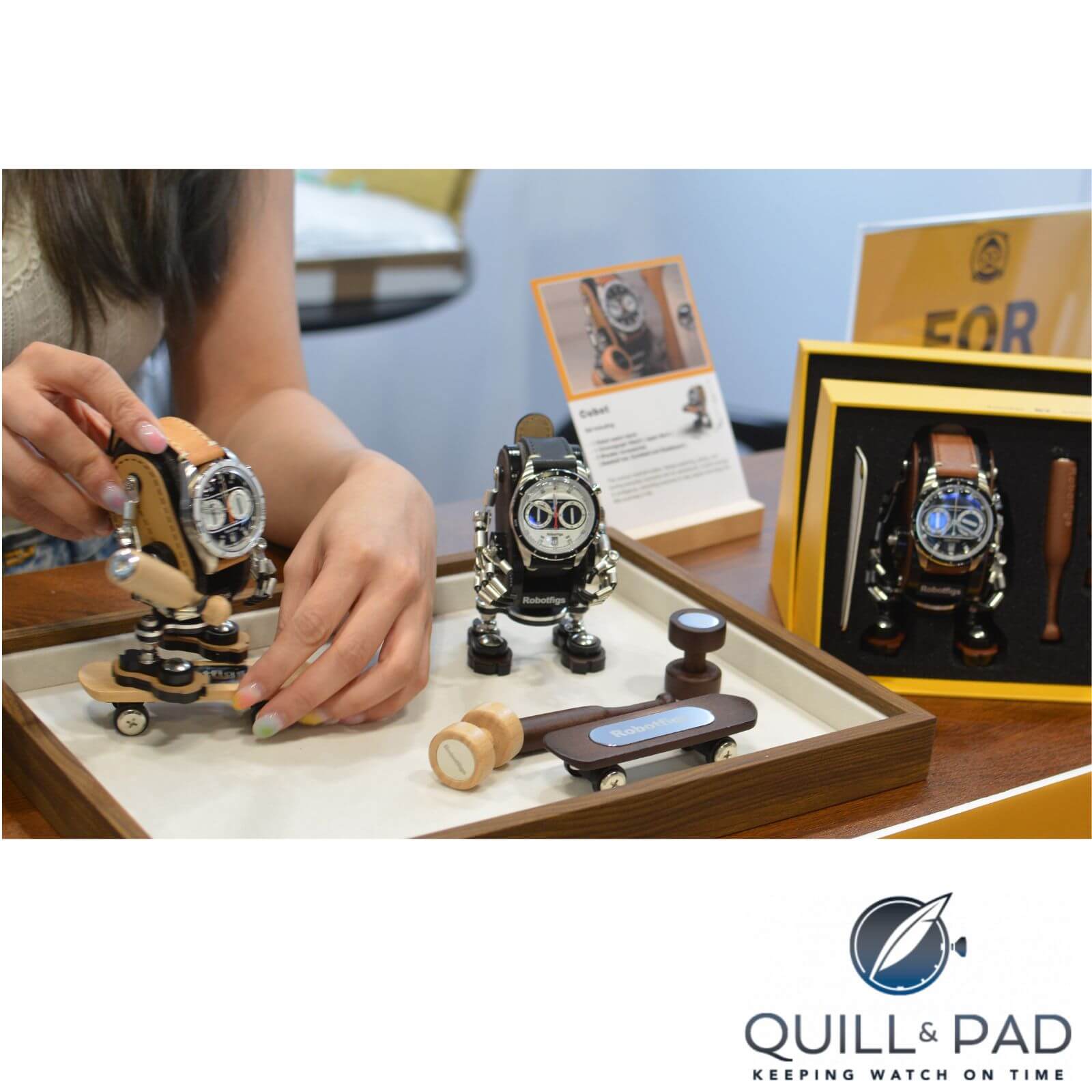
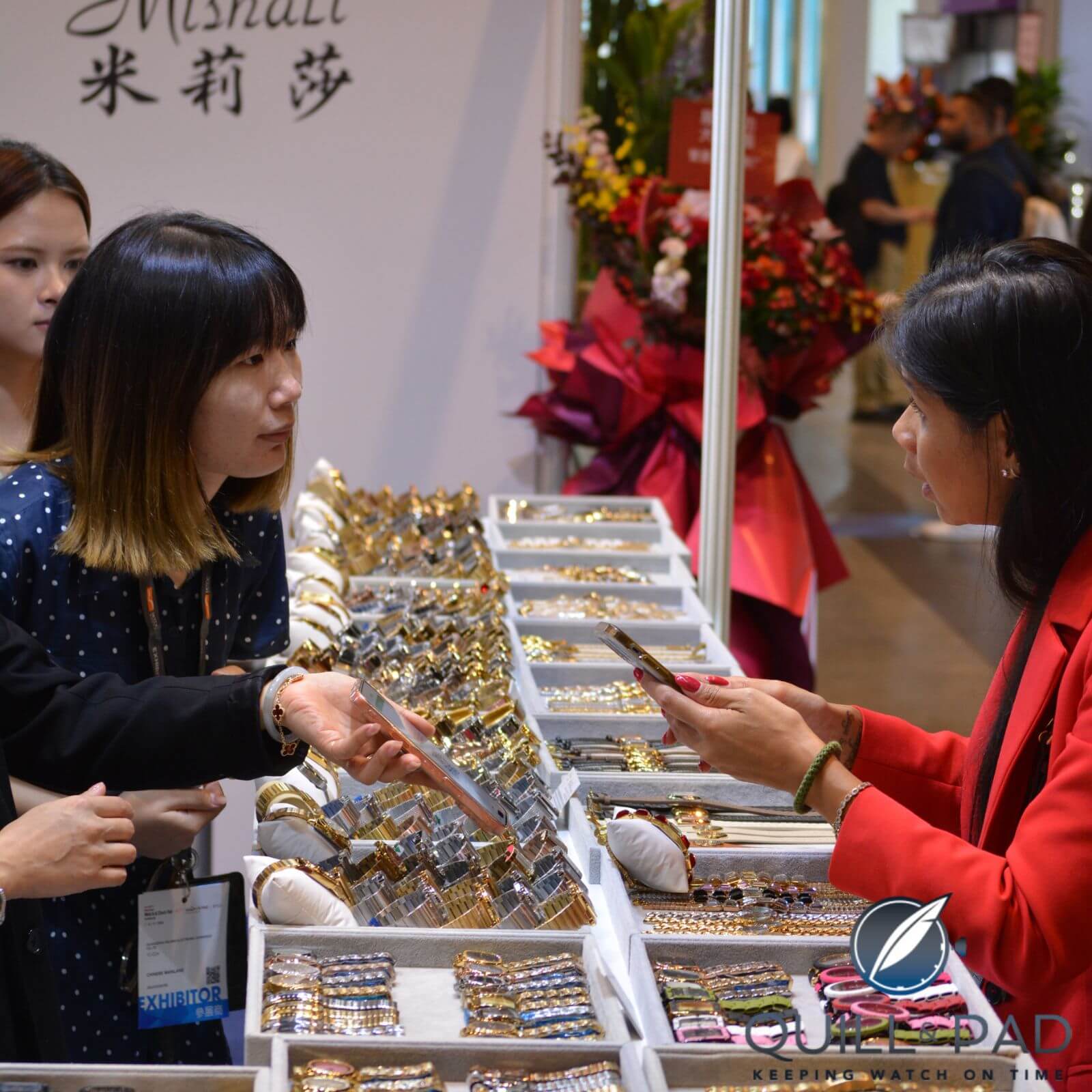
Beyond showcasing finished timepieces, the Hong Kong fair excels in illuminating the intricate workings of the industry’s value chain. The convention center transforms into a sprawling marketplace, with hundreds of enterprises coexisting. Small businesses specializing in watch accessories—such as straps, winders, and display cases—stand shoulder-to-shoulder with industrial giants like Peacock, a notable movement manufacturer. This diverse array includes toolmakers, strap artisans, specialists in sapphire crystal components, creators of innovative and sometimes whimsical packaging, and a significant contingent of Original Equipment Manufacturer (OEM) and Original Design Manufacturer (ODM) companies. These companies are adept at producing customizable watches in volume, catering to a wide spectrum of client needs and occasions.
The presence of OEM/ODM companies has long been a hallmark of Hong Kong and mainland China’s manufacturing strength. Historically, this capability positioned the region as a hub for cost-effective production, sometimes leading to perceptions of mass-produced, lower-quality goods. However, recent years have witnessed a profound shift in focus and reputation.
The Shifting Landscape: From Production Powerhouse to Brand Incubator
Just a few years ago, OEM/ODM services dominated the conversations at the fair. This white-label manufacturing model, while foundational to the region’s industrial success, had inadvertently contributed to a narrative of China as a source of inexpensive goods. Today, however, the narrative has evolved. The spotlight has increasingly moved towards finished products and the Salon de Time, an area dedicated to brands showcasing their own identities and creations, rather than solely their manufacturing capabilities.
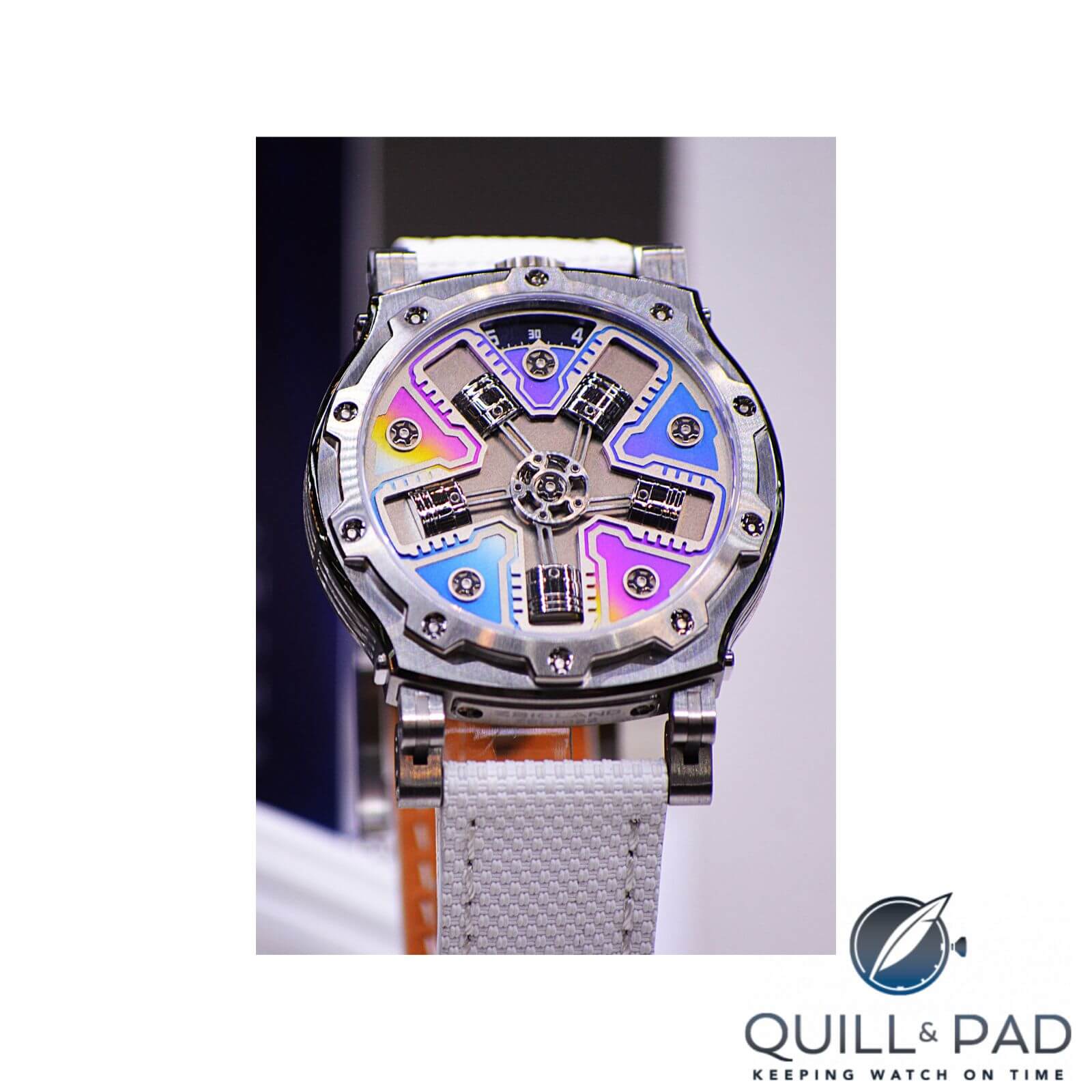
This strategic pivot is not a mere coincidence. Martin Ko, a seasoned industry veteran and wholesale distributor of Swiss microbrands like Berney and ZRC with over three decades of experience, observes a deep transformation within Chinese watchmaking. "I’ve been in business for more than 30 years," Ko stated, "and there is a trend and a fact that they are really improving, be that the movement, the design, and the production quality."
Ko further elaborates on the industry’s progression. For years, Hong Kong and China have been instrumental in supplying high-quality components such as cases, bracelets, dials, and crowns to numerous international luxury watch brands. Now, even mid-tier brands are increasingly sourcing from Chinese factories. More significantly, Chinese enterprises are no longer content with simply fulfilling client orders. "They will start their own brand," Ko predicts. "And I really see that they’re improving in design, creativity, and quality. That’s why they have the confidence to believe that this is the role for them to move on like this. It’s not only about doing production for the clients; this is more long-term for their own brand. They start to have their own distribution channel because the domestic market is very strong." This burgeoning domestic market, coupled with a growing global appetite for unique and well-crafted timepieces, has emboldened Chinese watchmakers to establish and cultivate their own brands.
Innovation and Creativity Fueling the Rise of Chinese Watchmaking
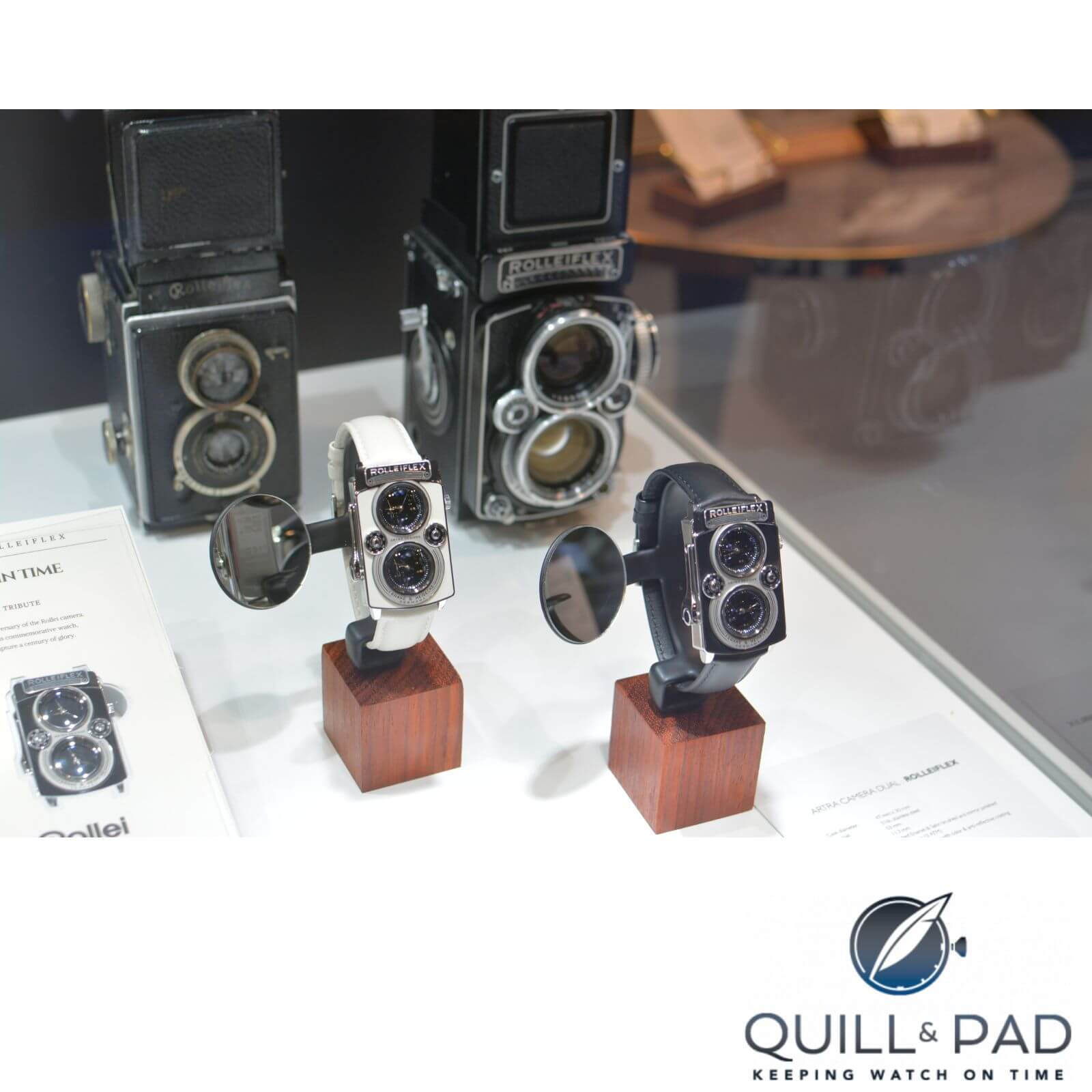
Two key factors are propelling the advancement of Chinese watchmaking beyond mere manufacturing improvements. The first is the palpable creativity emanating from a new generation of entrepreneurs who place a strong emphasis on design. Artra Designers, founded in 2018 by a collective of photographers, architects, and product designers in Hong Kong, exemplifies this trend. Their "Camera One" watch features an ingenious animation where a camera shutter, controlled by a crown at 11 o’clock, can be opened. The bezel and flange ingeniously display ISO values, shutter speeds, and f-stops, respectively. A recent collaboration with Rolleiflex, commemorating the iconic camera brand’s 100th anniversary, further showcases their inventive approach, with the watch’s design cleverly integrating Rolleiflex’s renowned dual lenses into its time-telling functions.
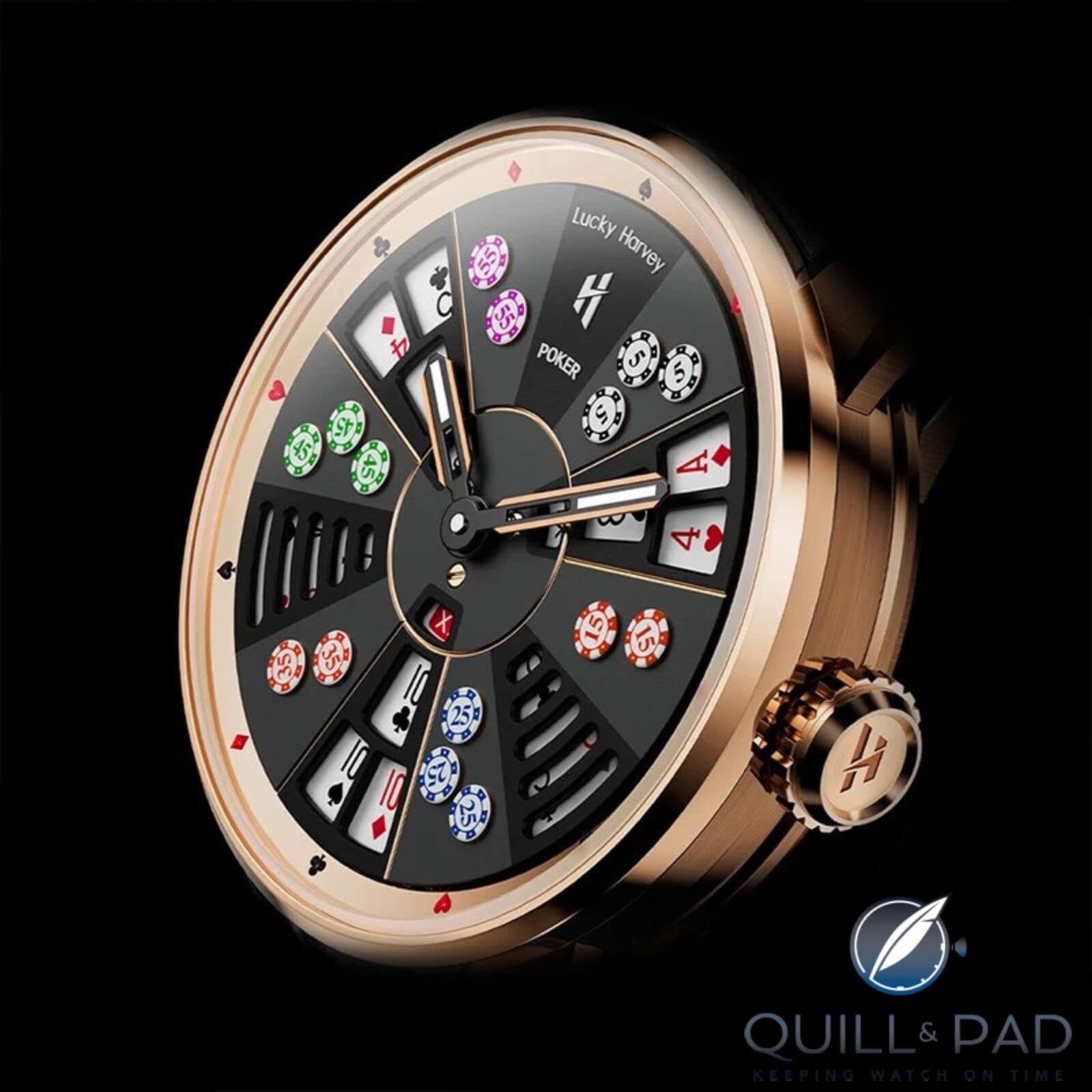
The fair is replete with numerous other examples of this burgeoning creative spirit. Representatives from Lucky Harvey highlighted their watches, each featuring unique animations, such as a dragon dropping a pearl hourly, a roulette wheel simulation, or an hour repeater function, all offered at accessible price points. This dedication to playful and engaging complications at affordable prices resonates with a broad consumer base.
The "Guochao" Phenomenon: Embracing National Identity in Design
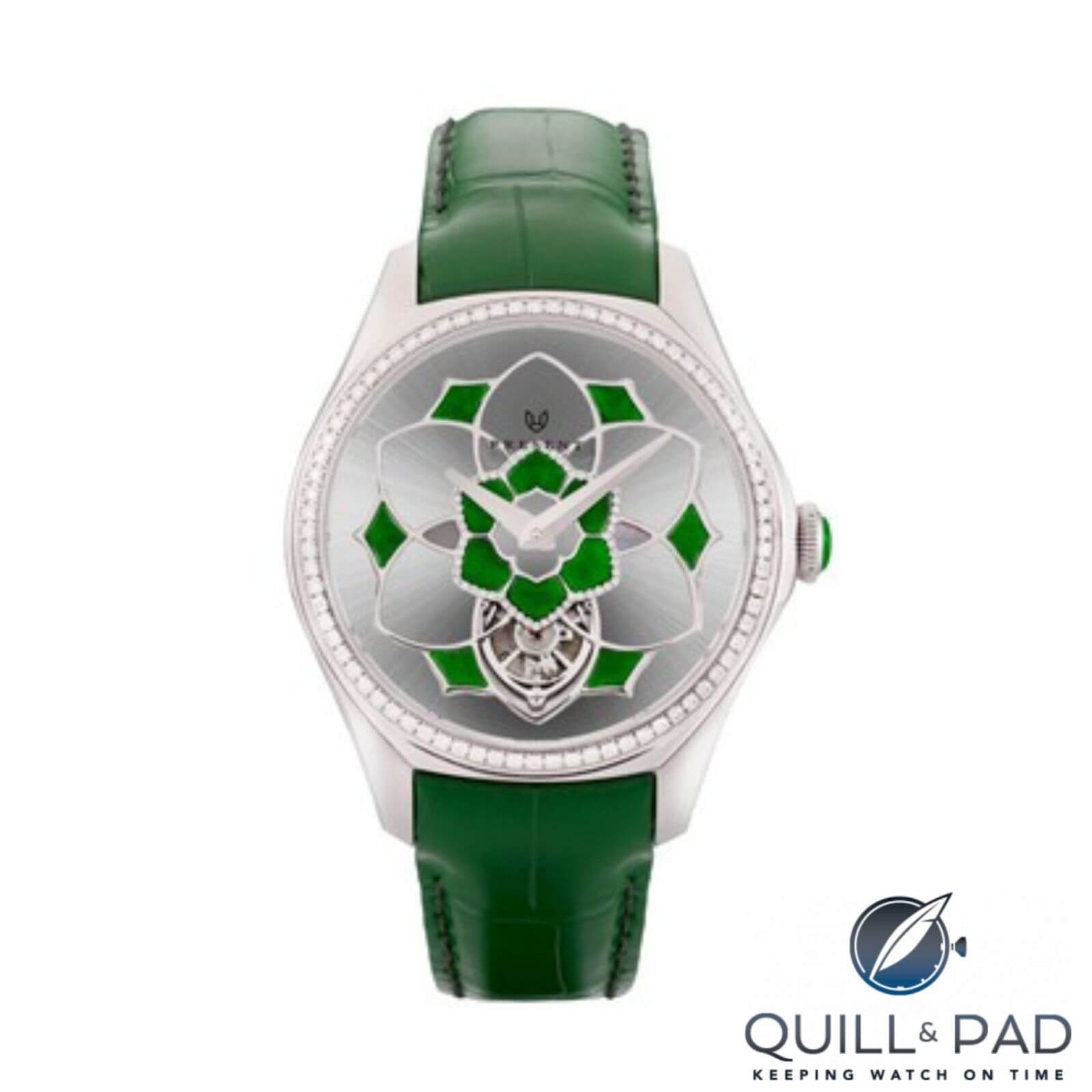
The second significant driver is the "guochao" phenomenon, often translated as "national wave" or "China chic." This cultural trend, deeply rooted in a resurgent national pride, is permeating various aspects of Chinese culture, from streetwear to art and, notably, watch design. It represents a natural evolution where a nation, gaining confidence in its cultural heritage, begins to express it through contemporary design.
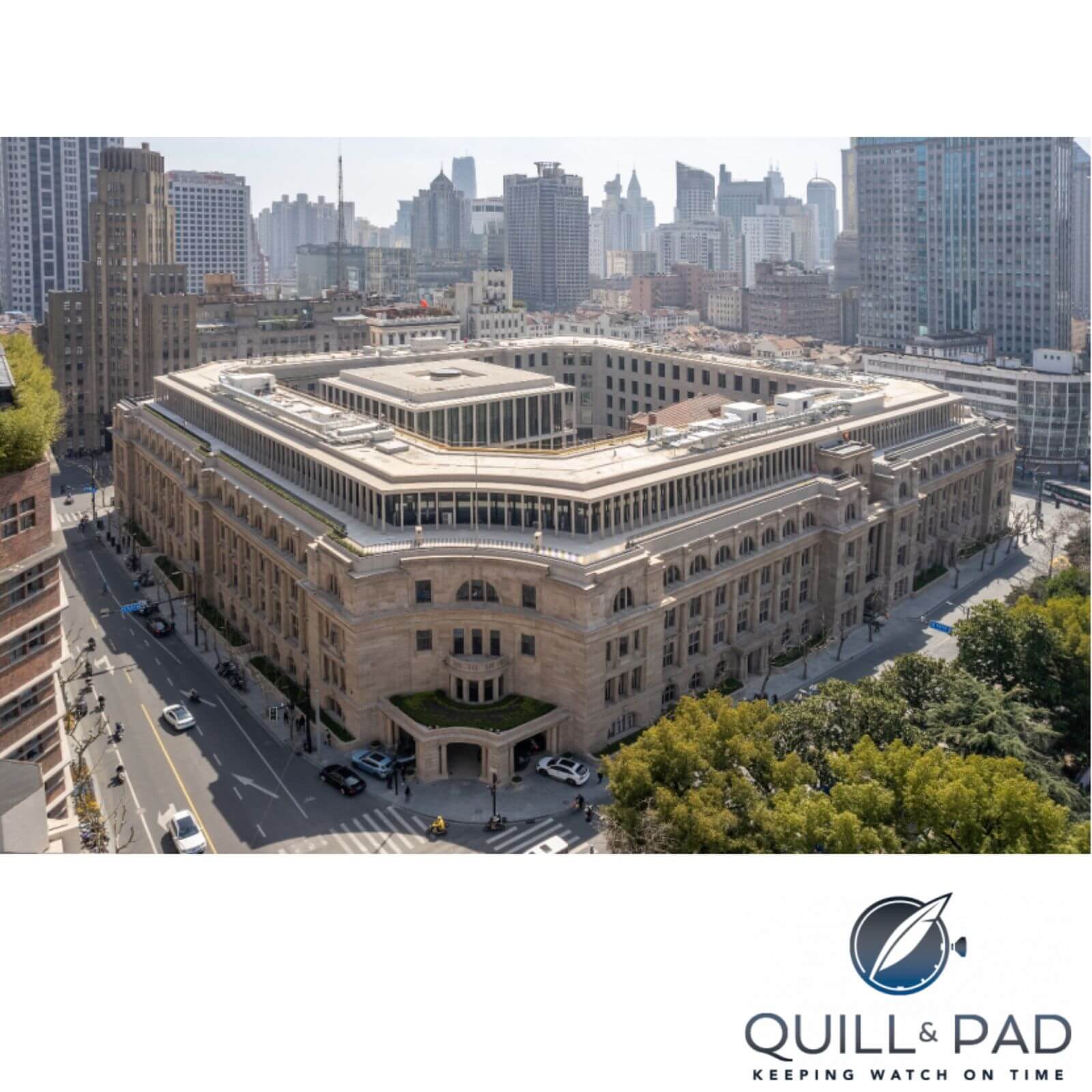
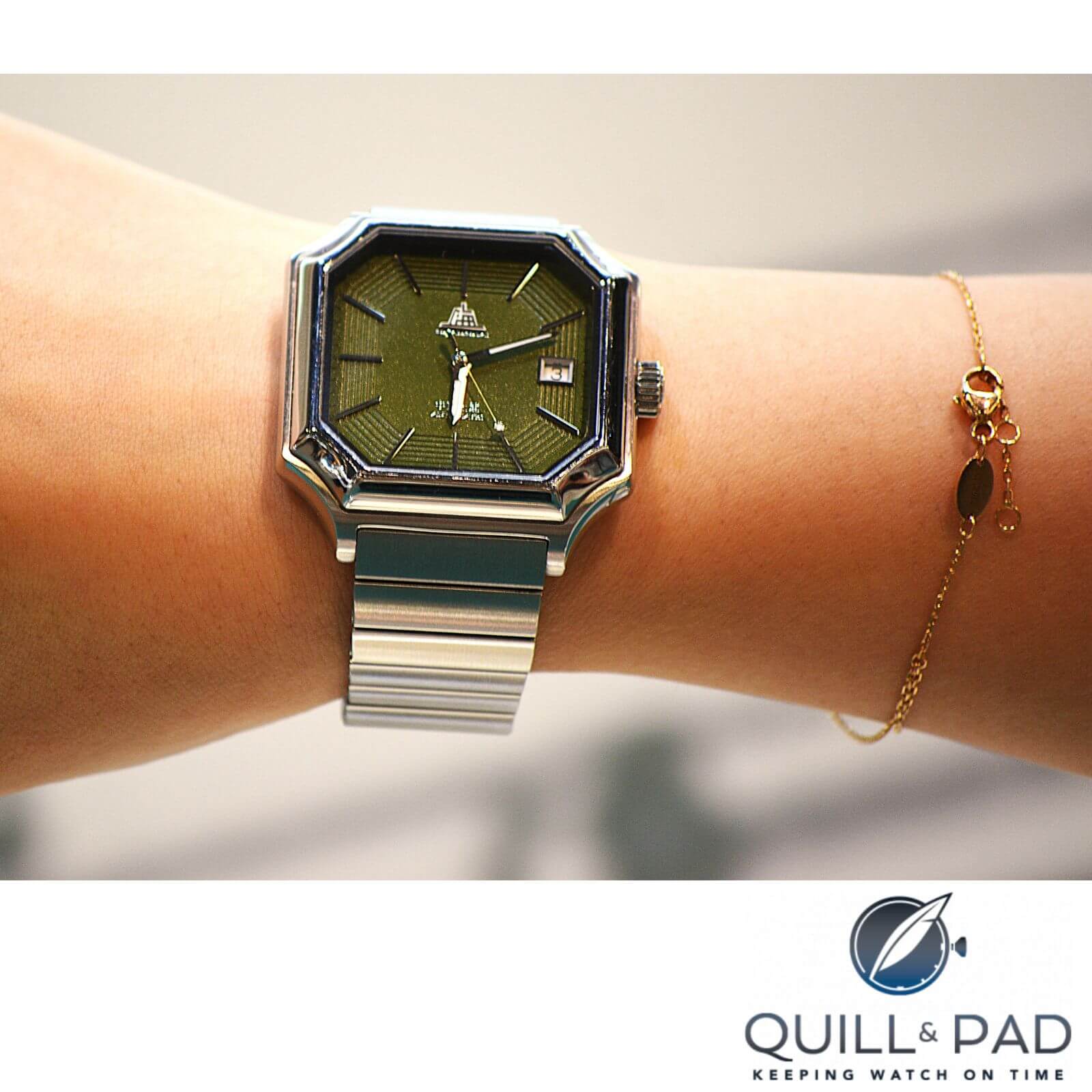
This influence was evident across numerous brands at the fair. Some, like Shanghai Watch, the country’s oldest watch brand founded in 1955, directly pay homage to China’s rich history. Established after a national competition to create the first truly Chinese watch, Shanghai Watch has a legacy of producing artistic timepieces featuring intricate paintings and, more recently, métiers d’art that celebrate the city of Shanghai. The brand’s presentation at the fair included models from its Originate line, inspired by the architecture of the recently restored Old City Hall, a landmark building characterized by its gently indented corners. This collection also commemorates Shanghai’s merger with Sea-Gull, a prominent movement manufacturer that was once a rival in the 1950s.
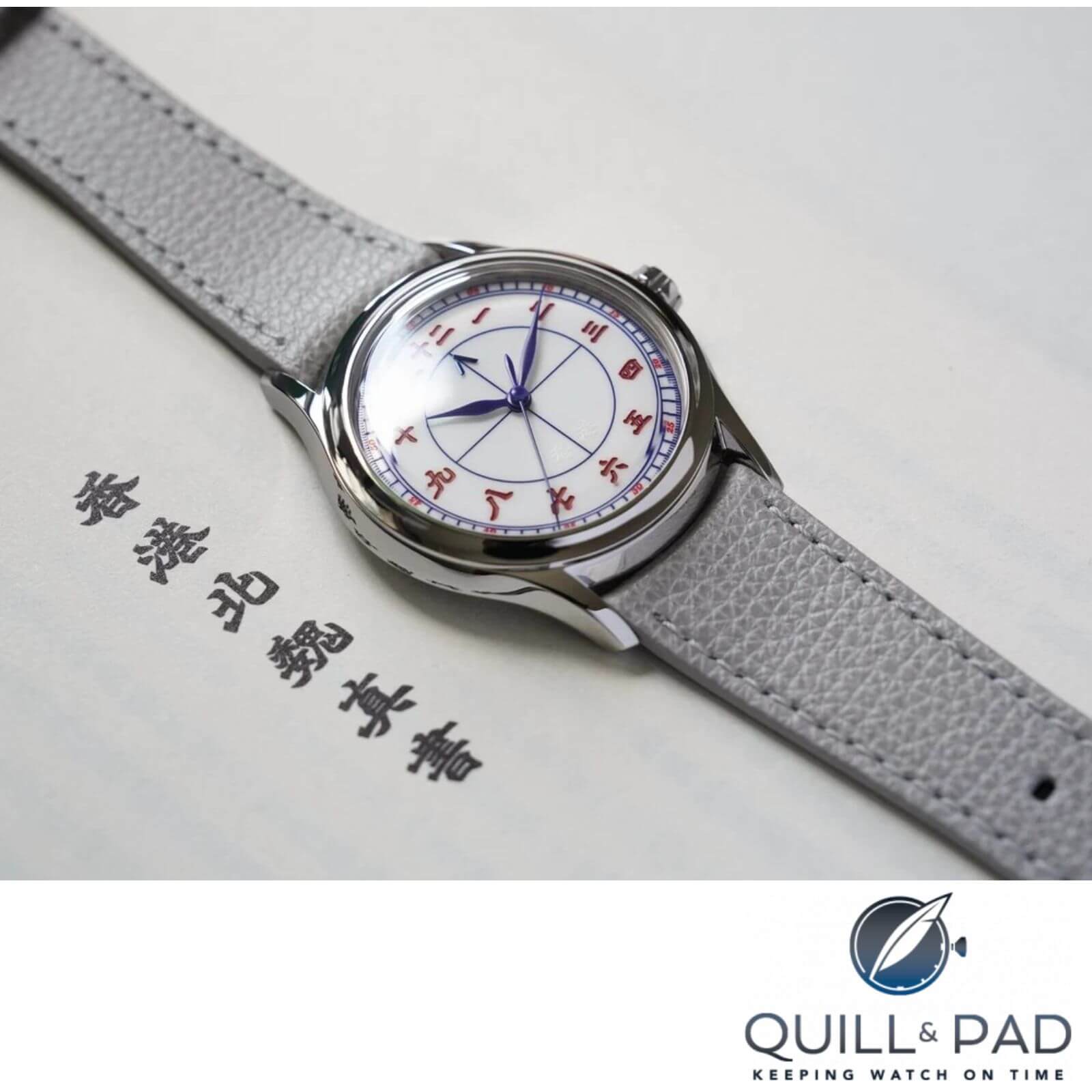
Other brands integrate national themes more subtly. Thomas Lee, the young founder of Aision, was inspired by the vibrant street signs of Hong Kong in the 1960s. He incorporated their distinctive typography into the numerals of his latest model, presented on a sector dial. Another find, Hipine, showcased a watch that tells time using two lateral disks, with the dial itself featuring a replica of the Beijing Palace, blending horological innovation with cultural iconography.
The Influencer Economy and Experiential Marketing
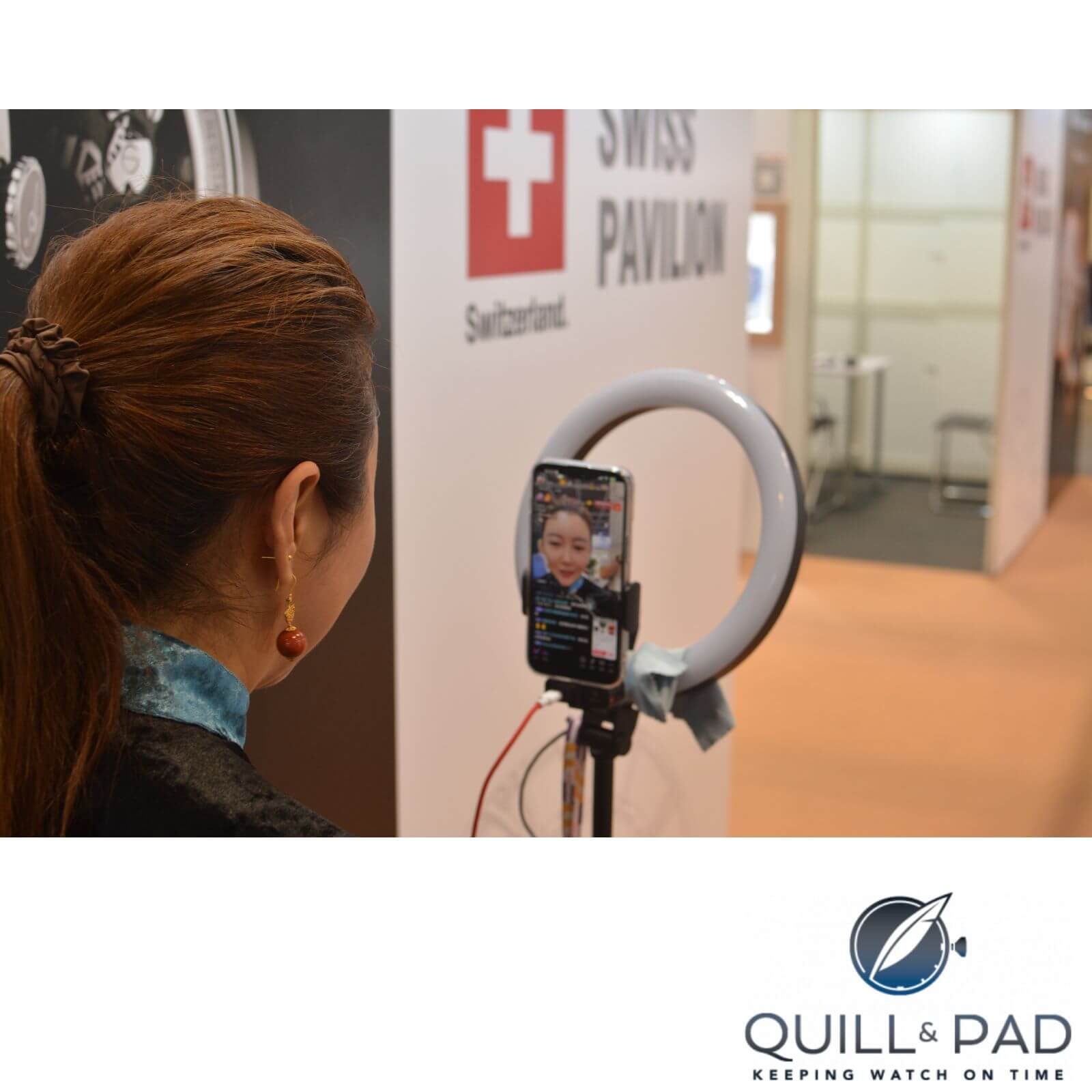
The Hong Kong Watch & Clock Fair is not just a trade show; it has evolved into an experiential event, with the influencer economy playing an increasingly prominent role. In the Salon de Time, content creators establish compact studios, complete with ring lights and gimbals, to livestream presentations for their followers. Their animated discussions and energetic demonstrations often evoke the style of charismatic public speakers, drawing significant attention.
One influencer, closely associated with Boderry, a brand founded by Gary, highlighted their affordable field watches. These timepieces are equipped with unique "survival" straps integrated with features like a whistle, a small saw, and ropes. This approach, a stark contrast to the refined luxury often associated with European watch fairs, aligns perfectly with the fair’s inclusive and accessible spirit.
The fair’s dynamic energy was further amplified by a live music performance. Local singer Vic Teo generated considerable excitement as he promoted the "FaLa La" tourbillon watch, a collaboration between himself and the Hong Kong brand Memorigin. The event, complete with enthusiastic fans and raised mobile phones, transformed a section of the fair into something akin to a rock concert, underscoring the fair’s ability to blend commerce with entertainment. This fusion of influencer marketing, live performances, and interactive displays represents a modern approach to trade show engagement, catering to a digitally connected audience.
A Democratic Platform with Global Reach
While the energy and innovation of Chinese brands are undeniable, the Hong Kong Watch & Clock Fair remains a democratic platform, offering more elbow room and less exclusivity than many of its European counterparts. The Swiss Independent Watch Pavilion, in contrast, maintained its characteristic friendly and sober atmosphere, showcasing fourteen brands that represent the pinnacle of craftsmanship and detailed execution in the industry. This juxtaposition highlights the diverse facets of the global watch market.
The growing acceptance of Chinese-made watches among local buyers is a significant trend. However, Tamdi Chonge Foster, owner of Epos, notes that the appreciation for the intricate craftsmanship of mechanical watches continues to hold strong sway with Asian buyers. This enduring demand suggests a robust market for high-quality timepieces across various origins.

Data presented at the Asian Watch Forum by Prudence Lai, a senior consultant for Euromonitor, further supports this optimistic outlook. Despite prevailing economic uncertainties, the desire for watches, particularly in emerging markets like India and the Philippines, shows consistent growth. This expansion in demand, fueled by rising prosperity, indicates a promising future for the watch industry.
The Hong Kong Watch & Clock Fair, therefore, continues to be a vital nexus for the industry. It is a place where deals are forged, components are sourced, crucial connections are made, and, ultimately, watches are sold. Its unique blend of business acumen, entrepreneurial drive, and cultural expression ensures its continued relevance as a global watchmaking hub. The fair’s ability to adapt and embrace new trends, from the rise of OEM/ODM to the influence of social media and the celebration of national identity, solidifies its position as a dynamic and forward-looking event.