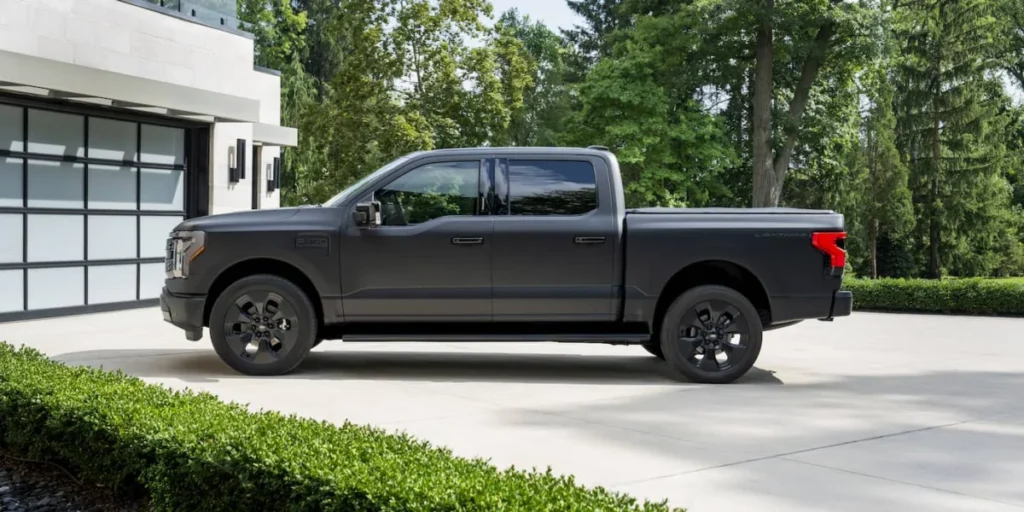
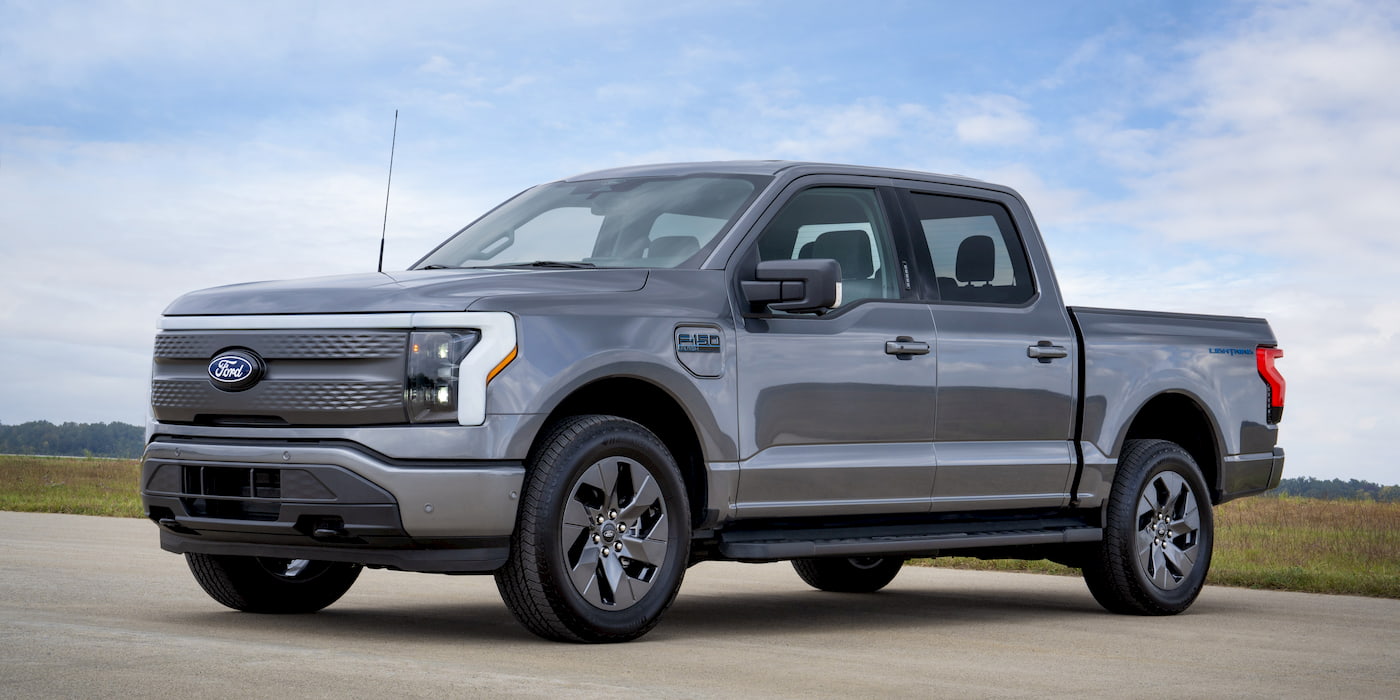
The Ford F-150 Lightning, once a flagship model in America’s burgeoning electric pickup truck segment, is experiencing an unexpected surge in popularity on the pre-owned market. Despite Ford’s decision to cease production of the first-generation Lightning in December 2025, citing lower-than-expected sales of higher-priced EVs, these trucks are now fetching significant interest from buyers seeking electric utility at a considerably reduced cost. This shift underscores a growing consumer appetite for affordable electric vehicles, particularly trucks, and signals a potential recalibration of Ford’s EV strategy with the upcoming Fathom.
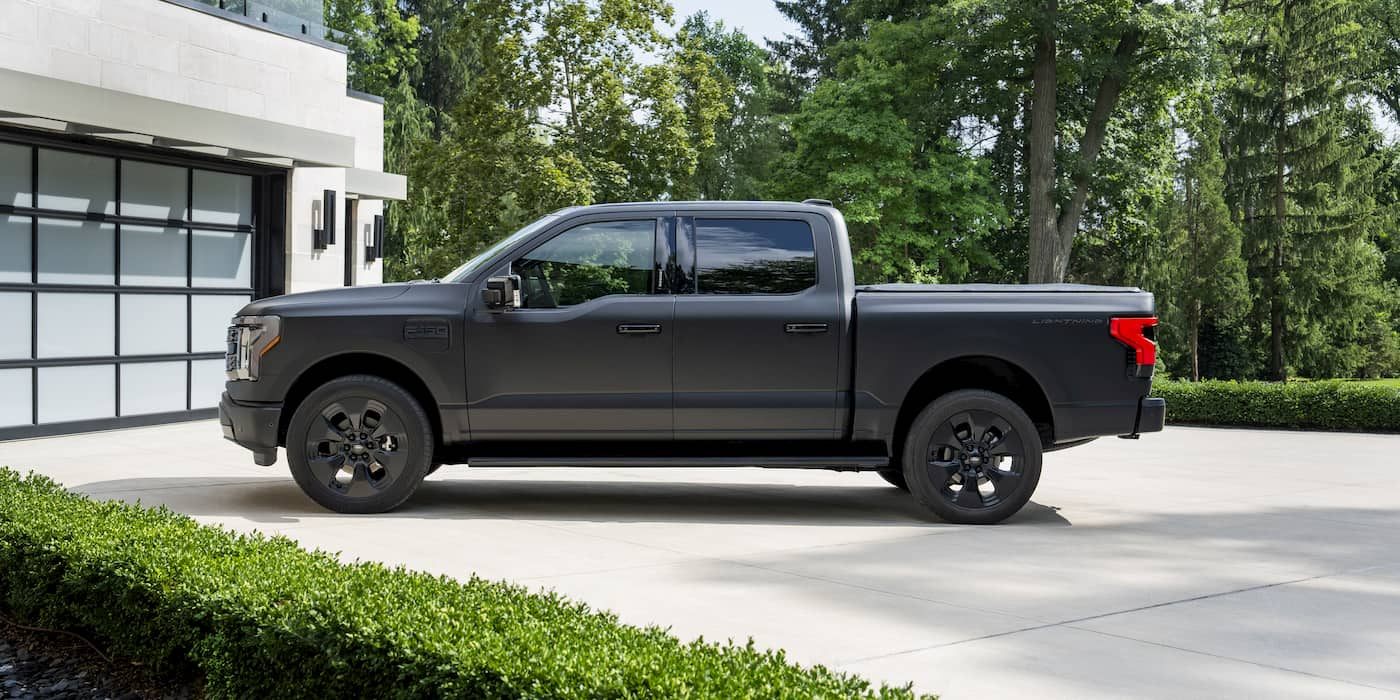
The F-150 Lightning’s transition from a new vehicle struggling to meet sales targets to a sought-after used model highlights a critical dynamic in the automotive market: price sensitivity. When initially launched, the F-150 Lightning faced challenges due to its premium pricing. Ford CEO Jim Farley openly acknowledged this, stating that "very high-end EVs, the $50K, 70K, $80,000 vehicles, they just weren’t selling." This statement, made following the production halt, points to a strategic re-evaluation by the automaker, driven by market realities and the financial performance of its EV division. Ford reportedly incurred losses exceeding $100,000 on every EV built in the first quarter of 2024, a figure that likely influenced the decision to streamline its EV offerings and focus on more accessible price points.
The current market for used F-150 Lightnings presents a compelling value proposition. Prices have plummeted by 50% to 60% off their original sticker price, transforming the electric pickup into a "bargain" for many consumers. Jimmy Douglas, CEO of Plug, a wholesale EV dealer, commented to Bloomberg, "When Ford was selling it brand new, the math was complicated. On the used market, however, the Lightning is 50% to 60% of the sticker price and that is really a sweet spot." This price point has made the Lightning an attractive option for buyers who may have been priced out of the new EV market or were hesitant to invest in a first-generation electric truck at its initial cost.
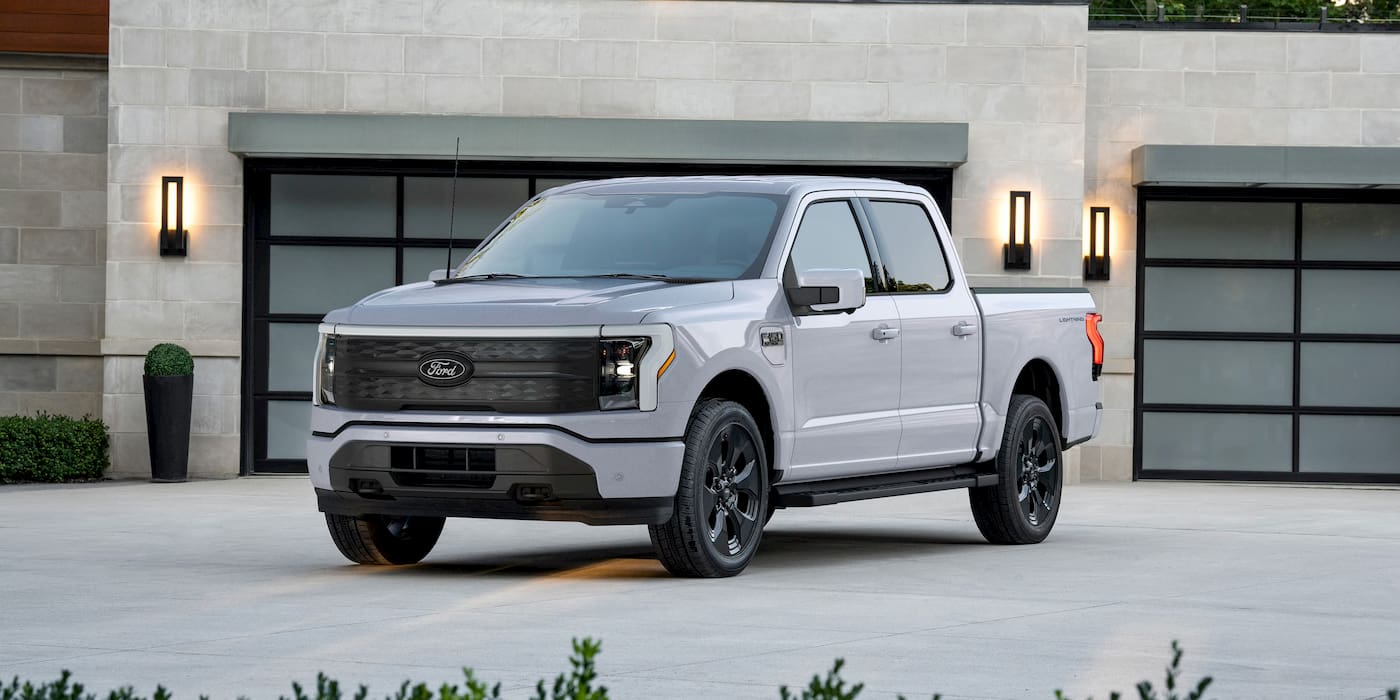
Data from Edmunds.com indicates a robust demand for these pre-owned Lightnings. The average time on market for a used F-150 Lightning has fallen to approximately 20 days, significantly less than the national average of 44 days for all used vehicles. Furthermore, prices for used Lightnings have seen a modest increase of 4% since the beginning of the year, now averaging around $50,000. This trend suggests that while initial sales may have been sluggish, the intrinsic value and capabilities of the F-150 Lightning are resonating with a broader audience once the price barrier is lowered.
The surge in demand has also impacted dealership strategies. Douglas noted that nearly one-third of used Lightnings are being sold by rival dealerships that would typically return them to Ford. However, the current high demand has prompted many of these dealerships to opt for direct sales, recognizing the immediate market for these vehicles. This indicates a broader shift in how dealerships are approaching the EV market, adapting to consumer preferences and the availability of attractive pre-owned options.
Consumer testimonials further underscore the appeal of the used F-150 Lightning. Chase Norris from Colorado, who purchased a used Lightning for around $40,000, described it as a significant upgrade from his previous gasoline-powered F-150. This sentiment is echoed by Alex Lawrence, CEO and co-founder of EV Group, a company specializing in pre-owned electric vehicles. Lawrence stated that his company is struggling to acquire reasonably priced used F-150 Lightnings, highlighting the scarcity driven by high demand. He also pointed out that many buyers are utilizing the used Lightning as a second vehicle, primarily for their weekly commutes, leveraging its efficiency and lower operating costs to save money.
The initial launch of the F-150 Lightning in 2021 saw a base Pro trim with a starting Manufacturer’s Suggested Retail Price (MSRP) of $39,974. However, this introductory price was short-lived, with costs rapidly escalating to around $60,000 within a year. Ford’s strategy at the time focused on higher-priced trims, leading to an average transaction price (ATP) of approximately $79,000 for the F-150 Lightning in its first year of sales, a significant $19,000 higher than the ATP for its gasoline counterpart. This pricing strategy, while perhaps aiming for higher profit margins per unit, ultimately contributed to the slower sales trajectory that prompted the production halt.
The financial performance of Ford’s EV division has been a significant factor in its strategic decisions. The substantial losses per EV, exceeding $100,000 in early 2024, created an urgent need for a more sustainable and profitable approach. This economic pressure has clearly influenced Ford’s renewed focus on developing more affordable and efficient electric vehicles.
Ford is now preparing to re-enter the electric pickup market with the Fathom, slated for launch in 2027. This new model is built on Ford’s Universal Electric Vehicle (UEV) platform, which the company describes as "groundbreaking." The Fathom is positioned to address the affordability concerns that plagued the F-150 Lightning, with a projected starting price of $28,350 for the standard-range version, bringing the total cost to under $30,000 with the inclusion of a $1,595 delivery fee. This aggressive pricing strategy signals a clear intent by Ford to capture a larger segment of the EV market, particularly among buyers who prioritize value.
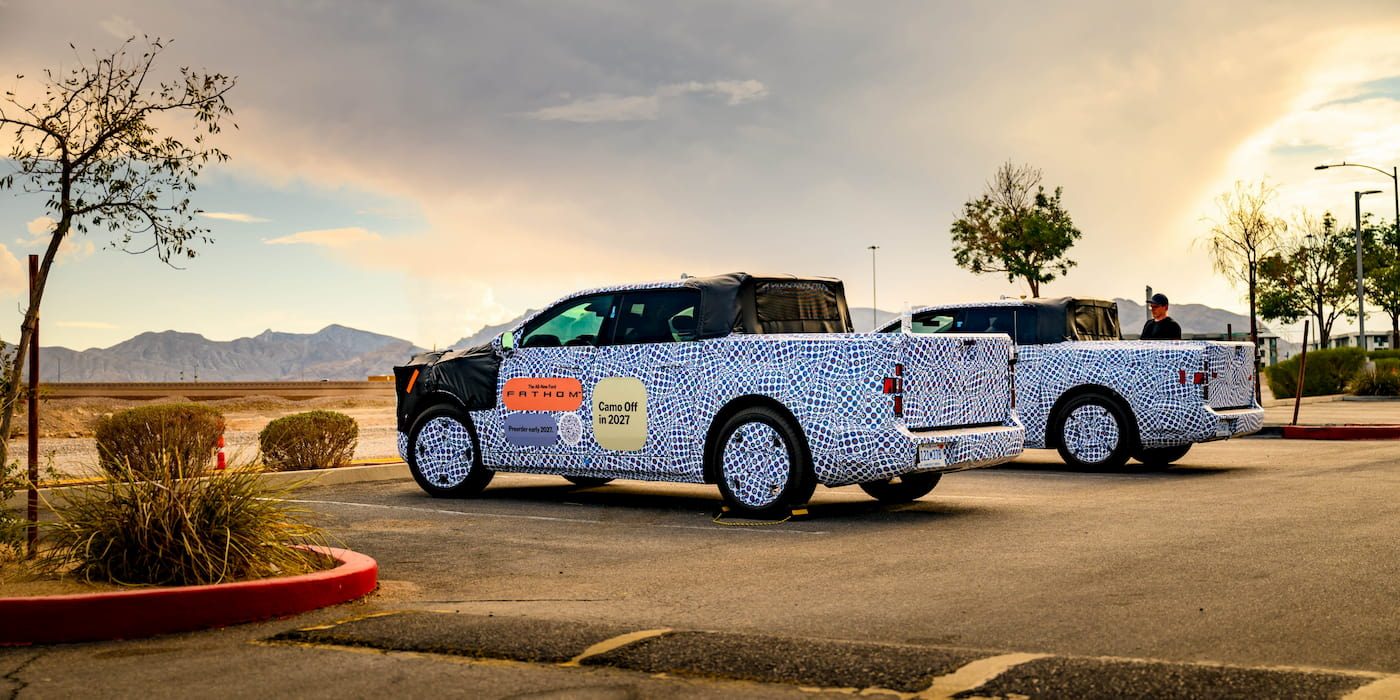
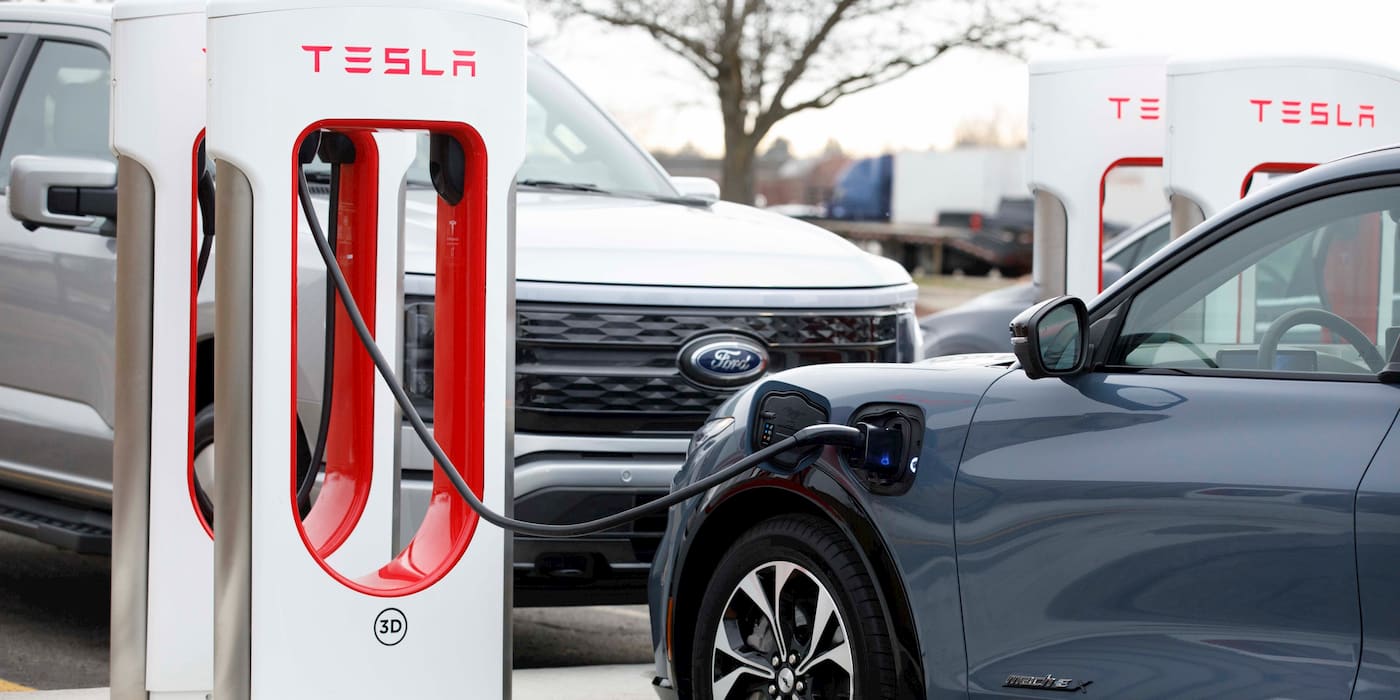
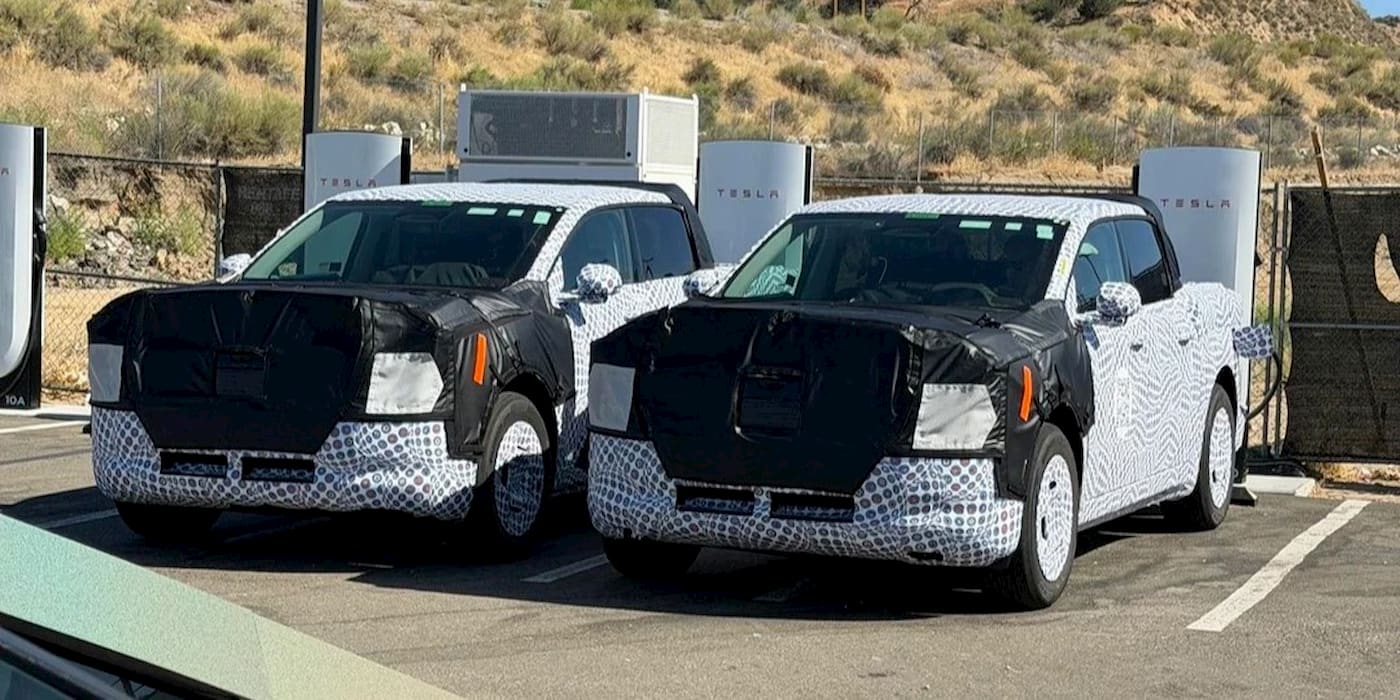
The Fathom is anticipated to represent a significant evolution from Ford’s first-generation EVs. The UEV platform is designed to enhance efficiency and, crucially, profitability. Ford has stated that the Fathom will offer more interior space than a Toyota RAV4, indicating a focus on practical utility and passenger comfort. A notable technological advancement will be the direct integration of Apple Maps into the vehicle’s navigation system. Furthermore, prototypes of the Fathom have been observed charging at Tesla Superchargers, confirming the inclusion of a NACS port, aligning with the broader industry trend towards adopting Tesla’s charging standard.
Ford reportedly aims to achieve sales of approximately 100,000 Fathom units in its inaugural year, a highly ambitious target that reflects the company’s confidence in the new model’s potential. Jim Farley acknowledged the challenges of this endeavor at the 2026 Automotive News Congress, stating, "It’s going to be a heck of an effort to launch this at scale, at cost, on time." A company spokesperson recently confirmed to Electrek that the Fathom’s launch remains scheduled for 2027, with no changes to this timeline.
The unexpected success of the used F-150 Lightning market serves as a powerful testament to consumer demand for electric pickups when they are priced within reach. The F-150 Lightning, a capable and well-regarded electric truck, struggled to gain traction at its original higher price points. However, its availability on the used market at a substantial discount has unlocked its appeal for a wider demographic. This trend strongly suggests that Ford’s strategy with the upcoming Fathom, priced under $30,000, could resonate deeply with consumers.
While Ford has yet to release detailed specifications for the Fathom, including battery capacity, towing capabilities, and range, the company’s commitment to a lower price point and its focus on efficiency and profitability indicate a strategic shift. The market’s reaction to the used F-150 Lightning provides a clear indicator that affordability is a key driver for EV adoption in the truck segment. The success of the Fathom will hinge on its ability to deliver on these promises, offering a compelling combination of utility, technology, and value that meets the evolving needs of American truck buyers. The lessons learned from the F-150 Lightning’s journey, from initial market challenges to its current resurgence on the used market, will undoubtedly inform Ford’s approach to its next generation of electric vehicles.