One year after its establishment, the Pentagon’s dedicated interagency team tasked with enhancing drone defense capabilities has finalized a “global priorities list” encompassing several hundred installations worldwide. This strategic initiative, spearheaded by Joint Interagency Task Force 401 (JIATF-401), is now actively initiating procurement processes to bolster counter-unmanned aerial system (C-UAS) defenses at these critical sites. David Bagnati, executive director of JIATF-401, revealed these significant developments during a panel discussion at the Space and Missile Defense Symposium held in Huntsville, Alabama.
Accelerated Deployment and Prioritized Installations
Bagnati elaborated on the immediate focus of JIATF-401’s efforts, stating, “We just started procurement for those installations to help the installations beef up their [counter-drone] capabilities.” He further specified that the current operational phase targets the “top 46 sites across the U.S.” for expedited deployment of advanced C-UAS technologies. This targeted approach underscores the urgency and strategic importance placed on safeguarding key military and national assets against the evolving threat posed by unmanned aerial systems.
JIATF-401, under the leadership of U.S. Army Brig. Gen. Matt Ross, is a robust collaborative entity comprising 15 representatives from various interagency partners. The task force operates under the purview of Deputy Defense Secretary Steve Feinberg, signifying its high-level importance within the Department of Defense. It effectively inherits and expands upon the mission of its predecessor, the Joint Counter-Small Unmanned Aircraft Systems Office, indicating a sustained commitment to addressing the growing drone threat.
A Layered Defense Strategy and Technological Advancements
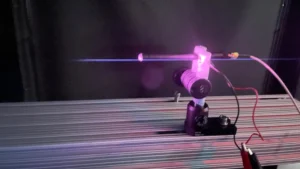
The JIATF-401 is championing a sophisticated, multi-layered approach to drone defense, moving beyond traditional methods. Bagnati highlighted a critical advancement: “We are now accepted to use high-energy lasers in the national airspace. We’re also working to now include in that high-power microwaves within the national airspace.” This signifies a significant stride in integrating directed energy weapons into the broader defense architecture, offering non-kinetic and potentially more effective solutions for neutralizing drone threats.
The integration of these advanced technologies into national airspace is being facilitated by an upcoming memorandum of understanding (MOU) between the Pentagon, the Federal Aviation Administration (FAA), and the Department of Homeland Security (DHS). This interagency agreement is designed to streamline the process of introducing and deploying new counter-UAS capabilities. Bagnati explained, “it sets forth the process by which we’re going to fast-track capabilities, new counter-UAS capabilities, into the national airspace.” This collaborative framework is crucial for overcoming regulatory hurdles and accelerating the adoption of cutting-edge technologies that can effectively counter rapidly evolving drone threats.
Comprehensive Support Beyond Equipment Provision
JIATF-401’s commitment to its partner installations extends far beyond simply delivering hardware. Bagnati emphasized a holistic support model, stating, “When JIATF-401 provides equipment to an installation, we’re not dropping it off at the front gate.” Instead, the task force provides a comprehensive package that includes essential training for personnel, dedicated funding to offset initial costs, and support for any necessary infrastructure modifications. This could involve anything from establishing suitable deployment pads and ensuring adequate power supply to integrating fiber optic connectivity, all vital for the effective operation of advanced C-UAS systems.
Furthermore, JIATF-401 contributes invaluable “technical know-how” to installations, ensuring that personnel are equipped to operate and maintain the new systems. Through a strategic agreement with the U.S. Army, the task force also provides crucial sustainment funding for the counter-drone equipment for an initial period of one to two years. This financial backing is essential for ensuring the long-term operational readiness of these critical defense assets.
Establishing a Center of Excellence for Counter-UAS Training
In a move to consolidate and elevate training standards, JIATF-401 is assuming responsibility for the Joint Counter-UAS Training Center at Fort Sill, Oklahoma. Previously aligned with the Army, this transition positions JIATF-401 to transform the facility into a premier “center of excellence” for counter-drone training. This consolidation is expected to standardize training protocols across different services and agencies, ensuring a consistent and highly skilled workforce capable of effectively employing C-UAS technologies. The creation of a dedicated center of excellence signifies a proactive approach to workforce development in a rapidly evolving threat landscape.
Progress and Future Outlook
Reflecting on the progress made in the first year of operation, Bagnati acknowledged the positive momentum. “We are making progress with the interagency,” he stated, but he also offered a realistic assessment of the ongoing challenge, concluding, “we’ve got a long way to go.” This statement highlights the dynamic nature of the drone threat and the continuous effort required to maintain a technological and operational edge.
Background and Context of the Drone Threat
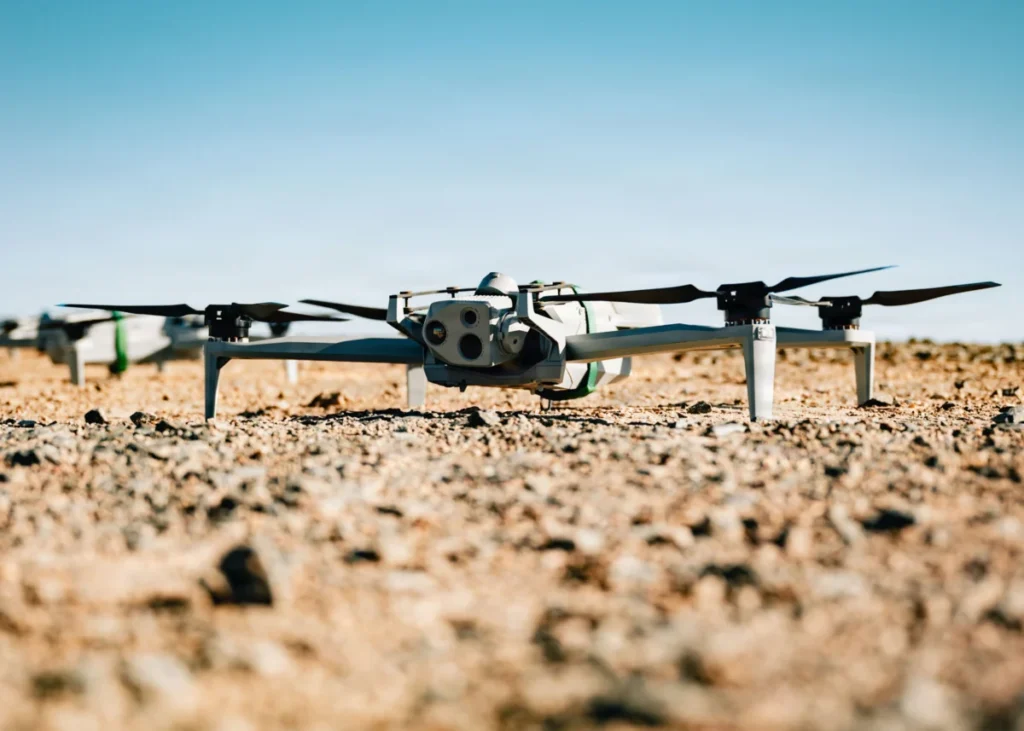
The establishment of JIATF-401 and its focused efforts on counter-drone capabilities are a direct response to the escalating use of unmanned aerial systems by both state and non-state actors. Drones, ranging from small commercial quadcopters to sophisticated military-grade platforms, have demonstrated their utility in various operational domains, including surveillance, reconnaissance, targeted strikes, and even logistical support. Their relatively low cost, ease of deployment, and increasing autonomy have made them a significant threat to military installations, critical infrastructure, and civilian populations worldwide.
The proliferation of commercially available drones, coupled with advancements in military drone technology, has created a complex threat environment. Adversaries can acquire and modify off-the-shelf drones for nefarious purposes, posing challenges to traditional defense systems designed to counter larger, more conventional threats. This necessitates the development and deployment of specialized C-UAS capabilities that can detect, track, identify, and neutralize a wide spectrum of drone threats.
Timeline of Counter-UAS Initiatives
The genesis of JIATF-401 can be traced back to the increasing recognition of the drone threat by the U.S. Department of Defense. Prior to its establishment, various agencies and branches of the military were independently developing and deploying C-UAS solutions. This often led to fragmented efforts, interoperability issues, and a lack of a unified strategic approach.
- Early 2010s: Increasing reports of drone use in conflict zones and by non-state actors highlighted the emerging threat.
- Mid-2010s: The Department of Defense began investing more heavily in research and development of C-UAS technologies. Initial efforts were often service-specific.
- Late 2010s: The formation of the Joint Counter-Small Unmanned Aircraft Systems Office (JCO) marked a significant step towards a more coordinated, interagency approach. The JCO focused on identifying, testing, and recommending C-UAS technologies for acquisition.
- Early 2020s: The JCO’s work laid the groundwork for the establishment of JIATF-401, a more integrated and empowered task force with a broader mandate to lead procurement, deployment, and training across multiple agencies. The formal establishment of JIATF-401 approximately one year prior to the Huntsville symposium signifies a maturation of the U.S. government’s response to the drone threat.
- Present Day: JIATF-401 is actively implementing its strategic priorities, including the development of a global priorities list, initiating procurement for critical installations, and advancing the integration of advanced C-UAS technologies like directed energy weapons into national airspace.
Supporting Data and Global Landscape
The urgency of JIATF-401’s mission is underscored by global trends in drone warfare. According to various defense analyses, the number of drone incidents reported globally has surged in recent years. These incidents range from accidental incursions into restricted airspace to deliberate attacks on sensitive sites.
- Increased Drone Incidents: Reports from international security organizations indicate a consistent year-over-year increase in drone-related security incidents, particularly around critical infrastructure and military bases.
- Technological Advancements: The sophistication of commercially available drones continues to improve, with longer flight times, enhanced payloads, and greater autonomy. This makes detection and interception more challenging.
- Adversary Capabilities: Both state and non-state actors are actively developing and deploying drone capabilities for a wide range of purposes, including intelligence, surveillance, and reconnaissance (ISR), as well as direct attack.
- Economic Impact: The economic implications of drone threats are also significant, with disruptions to transportation, logistics, and critical services posing substantial risks.
The "global priorities list" maintained by JIATF-401 likely reflects an assessment of installations most vulnerable to drone threats, those with the most critical missions, and those located in regions with heightened geopolitical tensions. The inclusion of "a few hundred installations" suggests a comprehensive, worldwide effort to fortify defenses.
Broader Impact and Implications
The work of JIATF-401 has significant implications for national security and the future of defense. By accelerating the deployment of advanced C-UAS capabilities and fostering interagency collaboration, the task force is enhancing the nation’s resilience against a rapidly evolving threat.
- Deterrence: The visible and effective deployment of counter-drone systems can serve as a significant deterrent to potential adversaries seeking to exploit drone vulnerabilities.
- Interoperability: The emphasis on interagency cooperation and the establishment of a center of excellence are crucial for ensuring that different government entities can work together seamlessly to address drone threats. This interoperability is vital for effective response and mitigation.
- Technological Innovation: The push to integrate advanced technologies like high-energy lasers and high-power microwaves into national airspace signals a commitment to staying at the forefront of technological innovation in the defense sector. This will likely spur further research and development in directed energy weapons and other C-UAS solutions.
- Economic and Civilian Security: While the primary focus is on military installations, the advancements made by JIATF-401 can have spillover benefits for civilian infrastructure and public safety, as the technologies and strategies developed can be adapted for broader security applications.
The ongoing efforts of JIATF-401 represent a critical and proactive response to the persistent and growing threat posed by unmanned aerial systems. The task force’s comprehensive approach, encompassing strategic prioritization, technological advancement, and robust support for installations, positions the United States to better defend its assets and interests in an increasingly complex aerial environment. As Bagnati aptly noted, while progress is being made, the journey to fully counter the multifaceted drone threat is ongoing, requiring continuous adaptation and investment.