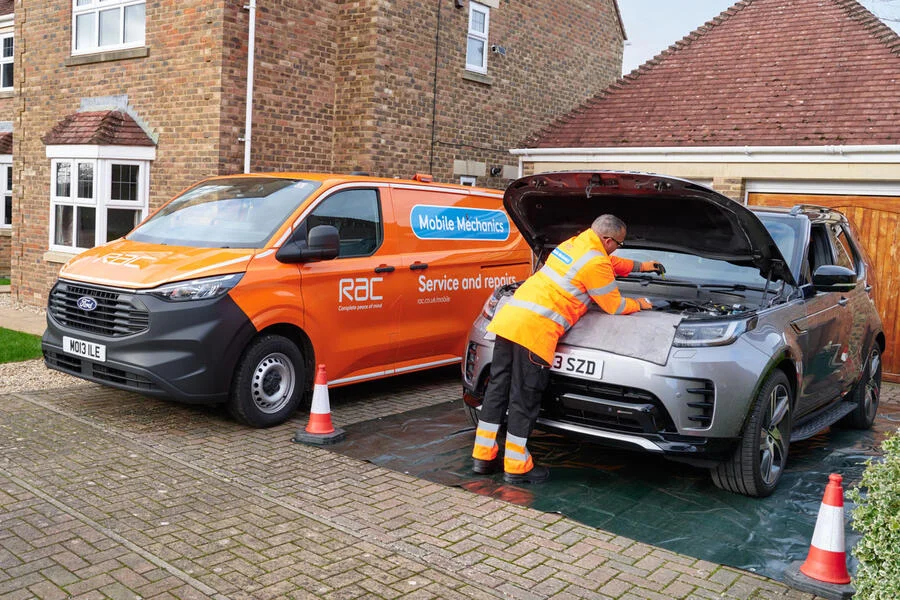
The automotive service industry is undergoing a significant transformation, with a growing number of consumers opting for at-home or at-work vehicle maintenance. This burgeoning trend, spearheaded by organizations like the RAC and other service providers, signifies a shift in consumer preference towards convenience and accessibility. The traditional model of taking a vehicle to a fixed garage location is increasingly being supplemented, and in some cases replaced, by mobile mechanics who bring their expertise directly to the customer’s doorstep. This evolution in service delivery is reshaping how vehicle owners interact with maintenance and repair providers, offering a compelling alternative to established practices.
The Rise of Mobile Automotive Services
The convenience factor is a primary driver behind the increasing popularity of mobile mechanic services. In today’s fast-paced world, consumers often find it challenging to allocate time for a trip to a traditional garage, which can involve significant travel, waiting periods, and the logistical hurdle of arranging alternative transportation. Mobile mechanics eliminate these pain points by performing services at a location convenient for the customer, whether that’s their home driveway, workplace parking lot, or any other suitable location. This flexibility is particularly appealing to busy professionals, parents managing family schedules, and individuals with mobility limitations.
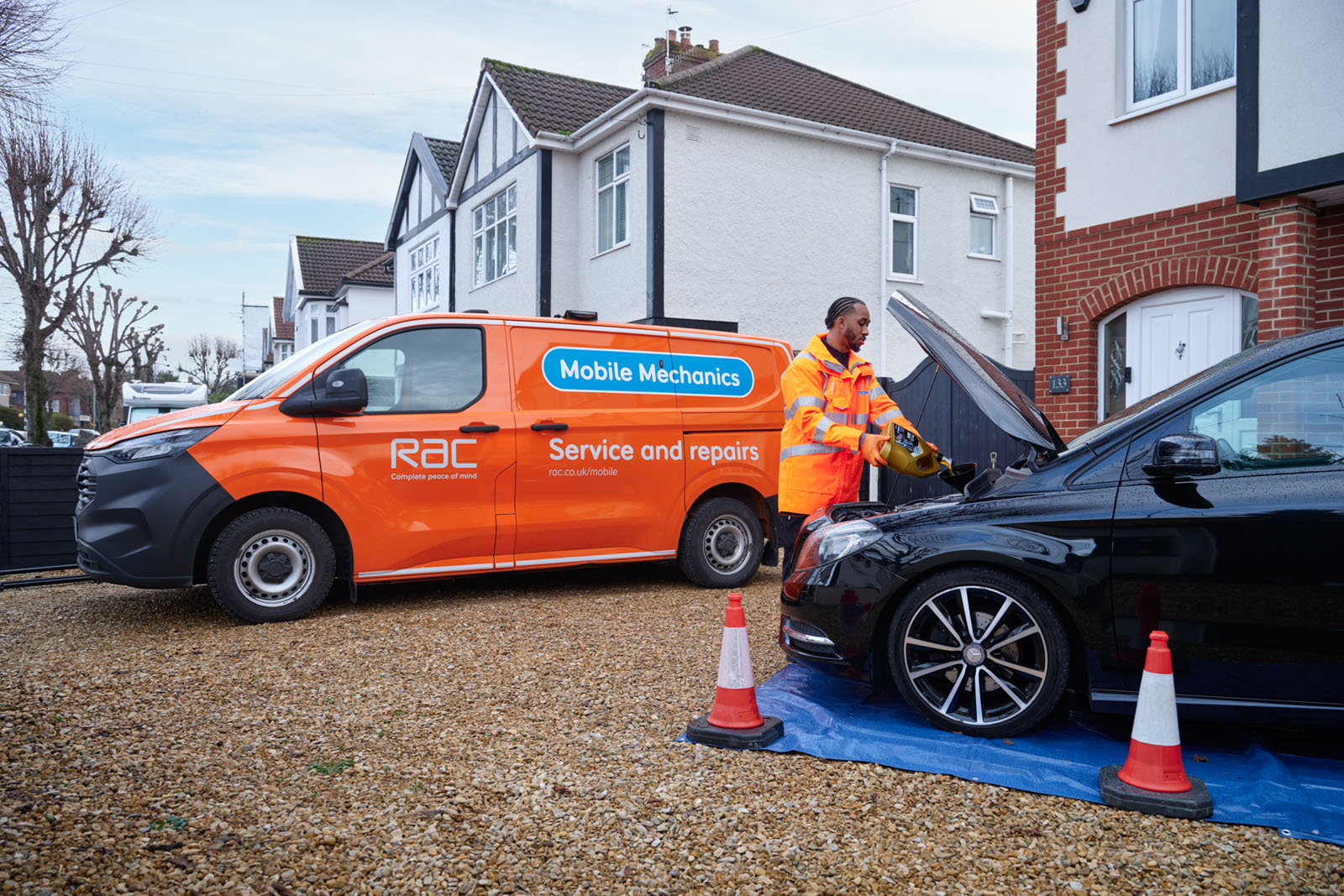
Sean Kimberlin, recognized as the RAC’s mobile mechanic of the year and a guest speaker at the Autocar Drivers of Change awards, encapsulates the ethos of this service model. He humorously notes that a key indicator of a job well done isn’t just a satisfied customer, but often the offer of tea and biscuits – a testament to the personal connection and trust built when mechanics operate within a customer’s personal space. This anecdotal evidence highlights the human element that mobile servicing can foster, moving beyond a purely transactional relationship to one built on rapport and exceptional customer service.
Data Supporting the Trend
While precise, up-to-the-minute figures on the precise market share of mobile mechanics versus traditional garages are still evolving, industry analyses and surveys consistently point to robust growth in the mobile service sector. A report by Grand View Research, for instance, projected the global automotive repair and maintenance market to reach $1.3 trillion by 2027, with a significant portion of this growth attributed to the increasing adoption of mobile repair solutions. Factors contributing to this expansion include technological advancements that enable remote diagnostics, the development of specialized mobile service vans equipped with advanced tools, and a growing consumer demand for on-demand services across various sectors.
Furthermore, the operational advantages for service providers are also a significant factor. Mobile mechanics can often operate with lower overhead costs compared to brick-and-mortar garages, as they do not require large physical premises or extensive customer waiting areas. This can translate into more competitive pricing for consumers, further incentivizing the adoption of mobile services. The ability to serve multiple locations within a day also enhances efficiency for the mechanic.
A Chronology of Convenience
The concept of mobile vehicle repair is not entirely new. Early forms existed with traveling tradespeople, but the modern iteration has been significantly shaped by technological advancements and changing consumer lifestyles over the past few decades.
- Late 20th Century: The groundwork for increased convenience in vehicle ownership began with the proliferation of car ownership and the initial emergence of roadside assistance services.
- Early 2000s: The rise of the internet and mobile technology facilitated better communication and scheduling for service providers. Early adopters of mobile repair began to emerge, often focusing on specific niches like tire changes or basic maintenance.
- 2010s: The widespread adoption of smartphones and the app economy accelerated the demand for on-demand services. Platforms connecting consumers with local service providers, including mechanics, began to gain traction. Major roadside assistance companies, such as the RAC, expanded their offerings to include more comprehensive mobile repair services.
- 2020s: The COVID-19 pandemic acted as a significant catalyst, reinforcing the appeal of contactless and at-home services. Consumers became more accustomed to receiving services without leaving their homes, further normalizing the idea of mobile mechanics. This period saw a surge in investment and innovation within the mobile automotive service sector.
The Autocar Drivers of Change awards, where Kimberlin was a guest speaker, underscore the industry’s recognition of these evolving dynamics. Such events highlight individuals and companies who are not only adapting to change but actively driving it, pushing the boundaries of traditional service models.
Supporting Data and Industry Insights
The appeal of mobile mechanics extends beyond mere convenience; it is also driven by a perception of transparency and personalized service. When a mechanic arrives at a customer’s home, the service is often performed in plain sight, allowing the customer to observe the work being done. This can foster a greater sense of trust and understanding compared to leaving a vehicle at a workshop.
According to a recent survey conducted by a leading automotive industry analytics firm, over 65% of vehicle owners expressed a preference for at-home or at-work vehicle servicing if the cost and quality of service were comparable to traditional garages. The survey also indicated that factors such as reduced waiting times and the ability to continue with daily activities were highly valued.
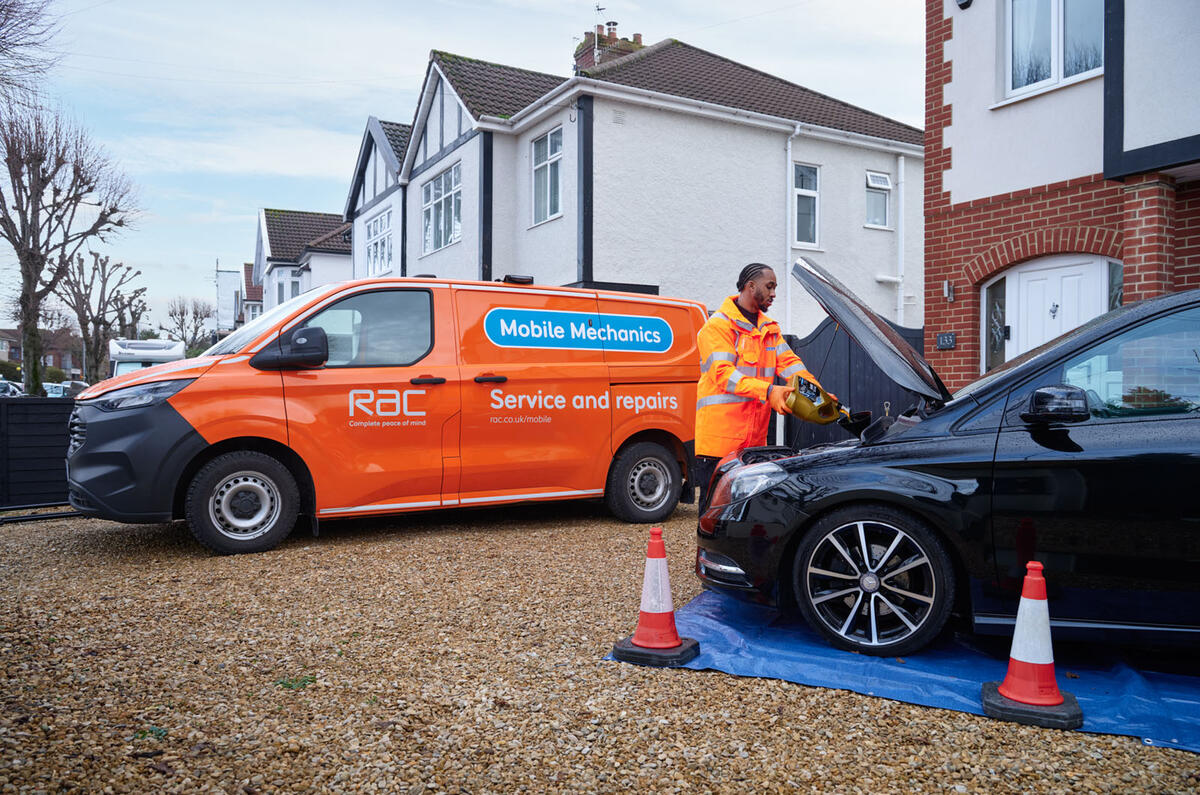
The types of services offered by mobile mechanics have also expanded significantly. While basic services like oil changes, tire rotations, and battery replacements were early staples, modern mobile mechanics are now equipped to handle more complex repairs, including brake replacements, exhaust system repairs, and even some diagnostic work. This is facilitated by advancements in portable diagnostic equipment and the specialized training of mobile technicians.
Reactions from Related Parties
The shift towards mobile mechanics has naturally elicited responses from various stakeholders within the automotive industry.
Traditional Garages: Some traditional garages view mobile services as a competitive threat, particularly smaller, independent workshops that may struggle to compete with the lower overheads of mobile operations. However, many larger dealerships and established repair chains are also exploring their own mobile service offerings to cater to evolving customer demands. They recognize that embracing this trend, rather than resisting it, is crucial for long-term sustainability.
Automotive Manufacturers: Manufacturers are increasingly designing vehicles with more sophisticated electronic systems, which can sometimes pose challenges for mobile mechanics who may not have direct access to manufacturer-specific diagnostic tools or software updates. However, advancements in universal diagnostic tools and the increasing availability of cloud-based diagnostic services are helping to bridge this gap. Some manufacturers are even exploring partnerships with mobile service providers to offer extended warranty repairs or recall services at home.
Consumer Advocacy Groups: Consumer advocacy groups generally welcome the rise of mobile mechanics, viewing it as a positive development that increases competition and provides consumers with more choices and potentially lower costs for vehicle maintenance. They emphasize the importance of ensuring that mobile mechanics are properly licensed, insured, and adhere to high standards of workmanship.
Broader Impact and Implications
The increasing prevalence of mobile mechanics has several broader implications for the automotive ecosystem and consumer behavior.
- Environmental Impact: The consolidation of service calls to a customer’s location can potentially reduce the overall mileage driven by consumers for routine maintenance, leading to a marginal reduction in carbon emissions. However, the increased mileage driven by the mobile mechanics themselves needs to be factored into a comprehensive environmental assessment. The use of electric service vans is also an emerging trend that could further enhance the environmental credentials of mobile services.
- Economic Opportunities: The mobile mechanic sector creates new employment opportunities for skilled technicians, offering a flexible and often entrepreneurial career path. It can also stimulate local economies by supporting small businesses and independent operators.
- Future of Automotive Retail: This trend suggests a future where automotive services are increasingly de-centralized and personalized. It could lead to a more integrated approach to vehicle ownership, where maintenance and repair are seamlessly woven into the daily lives of consumers, rather than being a disruptive interruption. The data-driven nature of mobile services also opens avenues for predictive maintenance and proactive servicing, further enhancing vehicle longevity and owner satisfaction.
- Technological Integration: The success of mobile mechanics is intrinsically linked to technological advancements. The ongoing development of advanced diagnostic tools, remote support systems, and efficient scheduling software will continue to shape the capabilities and reach of mobile automotive services. This symbiotic relationship between technology and service delivery is likely to accelerate innovation in the sector.
In conclusion, the shift towards at-home and at-work vehicle maintenance, facilitated by mobile mechanics, represents a significant evolution in the automotive service industry. Driven by consumer demand for convenience, transparency, and efficiency, this trend is reshaping how vehicle owners manage their car care. As technology continues to advance and more service providers embrace this model, the traditional garage may soon find its dominance challenged by the mechanic who comes to you, turning your driveway into a fully equipped service bay.